Request a Quote









 LAC Blog
 Export Guides
 Transport Guides
 Logistics Glossary
 Container Types & Sizes
 Incoterms 2020 Rules


TL;DR
- Air freight is the transportation of goods by aircraft, also called air cargo.
- Shipments move through booking, preparation, collection, customs clearance, flight, and delivery.
- Transit is typically faster than ocean or ground over long distances, varying by route.
- Air suits time-critical, high-value, perishable, and sensitive commercial cargo.
- Service levels run from airport-to-airport to door-to-door, with charter for special needs.
What is air freight, and when does it make sense for a commercial shipment? Air freight moves goods by aircraft, typically faster than ocean or ground over long distances, within limits on size, weight, and hazardous cargo. This guide explains how a shipment moves from booking to delivery, how transit time is built, which cargo suits air, and how to prepare.
What Is Air Freight Exactly
Air freight is the transportation of goods by aircraft. Air freight is that simple, and the term is used interchangeably with air cargo. Goods fly either on dedicated cargo aircraft or in the hold of passenger aircraft, depending on size, weight, and urgency. In general, air freight means goods transported by aircraft. Separately, LAC focuses on commercial B2B cargo and does not market parcel, personal-effects, or household-goods services.
Who Uses Air Freight
Air freight becomes clearer through its users. Manufacturers fly components when a missing part would stop a production line. Importers and exporters use it for time-sensitive cargo whose value justifies the mode. Pharmaceutical and medical suppliers rely on it because handling time and conditions matter as much as speed. Humanitarian supply moves by air when relief cannot wait for a vessel. In each case, time or handling drives the decision.
How Does Air Freight Work
- Booking and planning: shipper and forwarder agree the route and service
- Preparation and documents: shipper packs, prepares paperwork
- Collection and consolidation: the forwarder arranges collection, may group shipments
- Customs clearance: handled with licensed customs brokers where required
- Air transport: the airline flies it
- Arrival and delivery: the forwarder arranges final delivery
The air waybill (AWB) travels with the cargo throughout.
Booking and Handover Steps
Booking follows a short sequence: confirm shipment details, choose a service level and carrier, secure flight capacity, hand over the cargo, then receive the AWB and tracking number. Service levels define where the forwarder’s responsibility starts and ends:
- Airport-to-airport
- Door-to-door
- Airport-to-door
- Door-to-airport
The AWB number is the reference used to track the shipment from acceptance to arrival, so keep it to hand.
Airport and Handling Basics
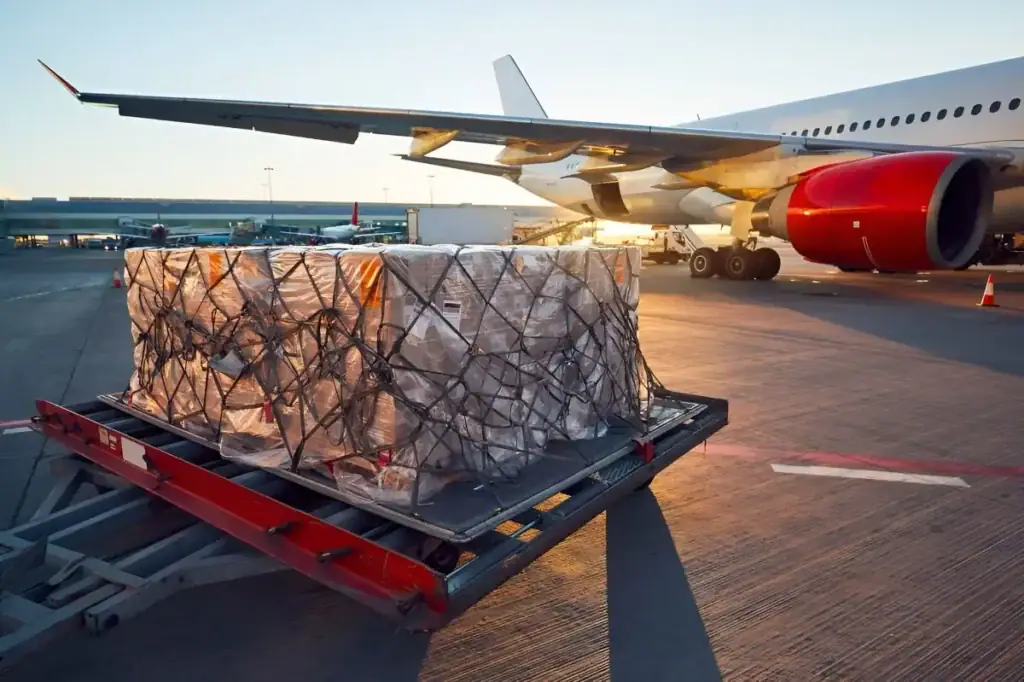
At the airport, cargo passes through security screening and is loaded onto a cargo or passenger aircraft. Shipments may be consolidated with others to use aircraft space efficiently, which affects both schedule and handling. Cut-off times, the deadline for cargo to be tendered before a flight, vary by airport and airline, as do handling rules for specific cargo. Ask the forwarder for the schedule that applies to the route, since one missed cut-off shifts the whole plan.
Typical Air Freight Transit Time
Air freight transit time is typically shorter than ocean or ground over long distances, but the flight is only one part of it. Total time includes pickup, screening, customs clearance at both ends, and final delivery. It varies by route, service level, and airline schedule, so a short flight can still produce a longer door-to-door time when connections or clearance intervene. The forwarder gives a route-specific estimate rather than a general figure.
Cargo Suited to Air Freight
What is air cargo in practice? The freight that benefits most from speed and careful handling:
- Time-critical freight and production parts
- High-value items
- Perishable and sensitive cargo, including pharmaceuticals and medical supply
- Spare parts for professional vehicles, aircraft and ships
- Heavy or oversized equipment by charter
Two limits apply to all of it: aircraft size and weight capacity, and dangerous goods rules that govern what an airline can accept.
Air Versus Other Freight Modes
Air suits urgent or high-value cargo, while ocean suits larger volumes. Cost is one trade-off among several, never the first filter.
- Urgency: air is typically faster over long distances, varying by route
- Cargo value: air suits high-value cargo; ocean and ground suit larger volumes
- Size and weight: air is limited by aircraft capacity
- Destination access: LAC’s principal footprint is ocean and air to Latin America and the Caribbean, ground within USMCA lanes
- Emissions: air has a higher footprint than ocean
Choosing Between Air Service Levels
Standard air freight suits scheduled moves where a regular flight meets the deadline. Charter suits cargo whose schedule or capacity needs standard options cannot meet, with part charter for a share of an aircraft and full charter for the whole one. Consolidation combines shipments to use space efficiently and may suit less urgent cargo. Four questions for the forwarder settle the choice: which service level, what cut-offs, which documents, and what tracking is provided.
Preparing Your Shipment for Air
Air preparation starts with packaging that withstands airport handling and labeling that identifies every piece. Confirm accurate weight and dimensions, since chargeable weight and aircraft fit both depend on them. Have the AWB details, commercial invoice, and packing list ready before the cargo moves. Flag dangerous goods early, because acceptance rules vary by airline and destination, and a late declaration can stop a shipment at the terminal. Requirements vary, so confirm them for the specific route.
How LAC Coordinates Air Freight
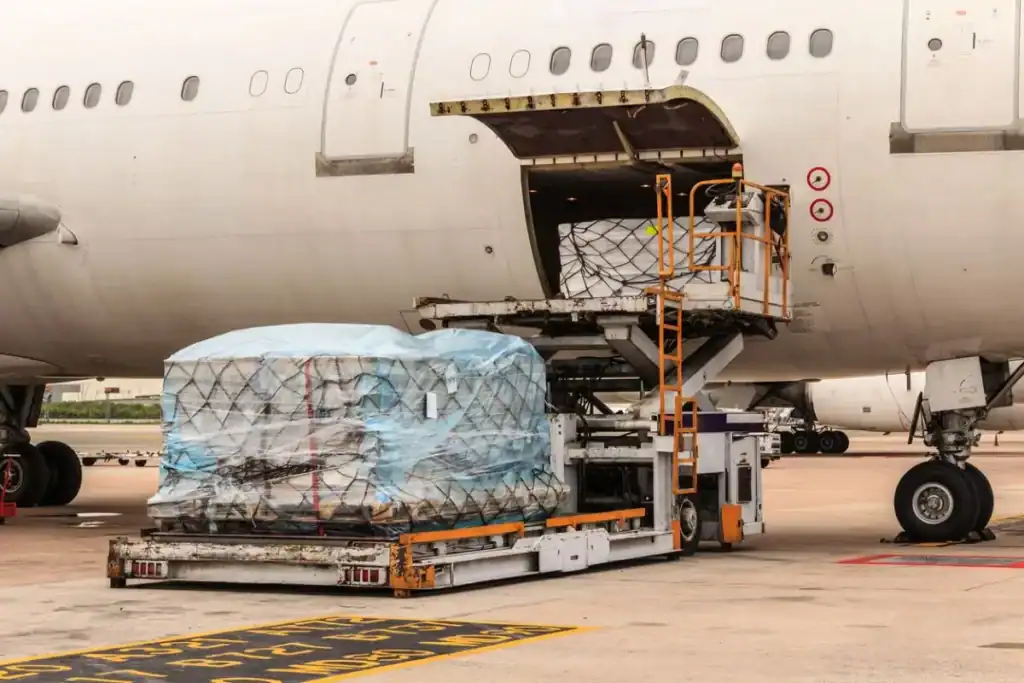
LAC™ has 25+ years of experience and handles air cargo to and from North America, Central America, South America, and the Caribbean. Options include standard air freight and air charter, with part-charter and full-charter choices when scheduled capacity cannot meet the need. LAC coordinates a network of vetted carriers, assigns a dedicated air cargo specialist to each shipment and offers real-time tracking, so the shipper has one point of contact from booking through delivery.
Conclusion
What is air freight? It is commercial cargo carried by aircraft, typically faster than ocean or ground over long distances, bounded by aircraft size and weight limits and by dangerous goods rules. The process runs from booking through documents, screening, flight, and delivery, with the AWB as the thread. Choose it when time, value, or handling demands it. Accurate booking details and consistent documents keep the plan on schedule from handover to delivery.
FAQs
What is not allowed in air cargo?
Certain hazardous materials, explosives, flammable substances, and lithium batteries are restricted or need special handling and documentation. Acceptance depends on the material, the airline, and current regulations, which change over time. Confirm the status of any questionable item with the forwarder before booking so the cargo is not refused at the airport. When a product contains batteries or chemicals, sharing its Safety Data Sheet or specifications at the quote stage lets the forwarder confirm acceptance before booking space.
How does air freight work?
In one line: book, prepare, arrange collection, clear customs, fly, deliver; the AWB, possibly electronic, records the shipment. For the shipper, most of the work happens at the start: accurate details at booking, sound packaging, and consistent documents. After handover, the forwarder coordinates the airline, customs clearance with licensed brokers where required, and final delivery, so many later problems trace back to the information provided at the start.
How long does air freight take?
Air freight is typically faster than ocean or ground over long distances, but actual time varies by route, service level, airline schedule, airport handling, and customs clearance. When comparing estimates, check whether each one is airport-to-airport or door-to-door, since the two measure different things. Ask the forwarder for a route-specific estimate on that basis. Building the ready date and any customs steps into the plan gives a more reliable delivery date than the flight time alone.
What cargo suits air freight?
Cargo that is urgent, valuable, time-sensitive, or sensitive to handling, and within aircraft size and weight limits. If a delay costs more than the freight, or if the goods degrade in transit, air is usually worth considering. Bulky, heavy, low-value freight with a flexible deadline usually belongs on ocean or ground. When the answer is unclear, compare the delivery date each mode can meet against the date the goods are actually needed, then decide.
What is the difference between air freight and air cargo?
The terms are often used interchangeably. Some sources treat air cargo as the broader term for all goods carried by aircraft, including mail. In day-to-day logistics, the distinction rarely matters, but it is worth confirming terms with the provider when reading a quote or contract. What matters more in practice is that the cargo description, weight, and service level are stated the same way across the booking and every document.
What details are needed to book air freight?
A cargo description, piece count, weight and dimensions, origin and destination, the cargo readiness date, the desired service level, whether any dangerous goods are included, and whether documents are ready. With that information, the forwarder can secure capacity and confirm the flight, cut-off, and handover point. Accurate weight and dimensions deserve the most care, since they decide whether the cargo fits the aircraft and which flights can take it.