

 Request a Quote










 LAC Blog
 Export Guides
 Transport Guides
 Logistics Glossary
 Container Types & Sizes
 Incoterms 2020 Rules


Flatbed load securement is a federal compliance requirement under DOT and FMCSA rules, not just a best practice shippers can treat as optional. This guide covers straps versus chains, how to calculate Working Load Limit correctly, tarping requirements for exposed or loose materials, and when a Conestoga trailer’s rolling-tarp coverage is genuinely the better choice over standard flatbed securement alone.
Why Securement Matters on Flatbeds
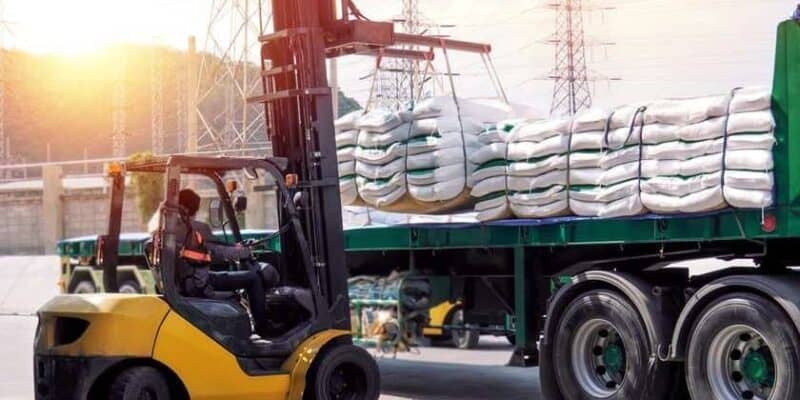
Unlike enclosed dry van freight, flatbed cargo remains fully exposed and visible to inspectors at every checkpoint along a route. Improperly secured loads risk cargo shift, cargo falling directly off the trailer, roadside citations during a formal inspection, and, most importantly, genuine danger to other drivers sharing the very same road. That visibility cuts both ways: securement done correctly is just as apparent as securement done poorly, which raises the overall stakes considerably for every driver involved.
Straps Versus Chains Versus Binders
Straps generally suit lighter, less rigid freight where surface protection genuinely matters, and the cargo itself can flex slightly without lasting damage. Chains and binders suit heavy machinery and steel where rigidity and holding strength matter considerably more than protecting a delicate surface finish. The right tool ultimately depends on cargo type, weight, and overall shape, not simply personal preference or whatever equipment happens to already be sitting on the trailer that day.
Calculating Working Load Limit
Federal rules under 49 CFR 393.106(d) require the aggregate Working Load Limit (WLL) of a tiedown system to be at least half the weight of the cargo it secures. That aggregate is calculated as the sum of half the WLL for each tiedown running from a vehicle anchor point to a cargo attachment point, plus the full WLL for each tiedown that runs from an anchor point, over or around the cargo, and back to another anchor point — not simply adding every tiedown’s full rated capacity together. Getting this math wrong is not simply a minor oversight or rounding error; it’s a direct, genuine compliance failure with real consequences.
Minimum Tie-Down Count Rules
The number of required tie-downs depends on both cargo weight and overall cargo length, not weight alone, as many shippers initially assume. Longer loads generally require considerably more individual tie-downs, even if the aggregate Working Load Limit checks out on paper. This length-based requirement exists because longer cargo has more surface area and a greater opportunity to shift or flex during transit, regardless of its overall weight.
Tarping and Weather Protection
Loose materials typically require tarping in addition to physical securement with straps or chains, since tiedowns alone genuinely do not prevent smaller pieces from shifting or blowing off entirely. Tarps must be secured well enough to withstand strong winds at highway speeds without loosening, tearing, or working free from the load during the entire trip. A poorly secured tarp poses its own distinct hazard on the road, entirely separate from the cargo and the vehicle.
Coil and Lumber Rules
Steel coils and lumber bundles both have specific securement requirements that go well beyond general tiedown rules for typical freight loads. Coils need chains positioned specifically to prevent rolling entirely, since their round, cylindrical shape creates a genuinely unique movement risk that flat cargo simply does not share. Lumber bundles need restraint against both lateral and lengthwise movement, given how individual bundles can shift independently within the overall stack during an entire transit.

Securing Oversized Loads Safely
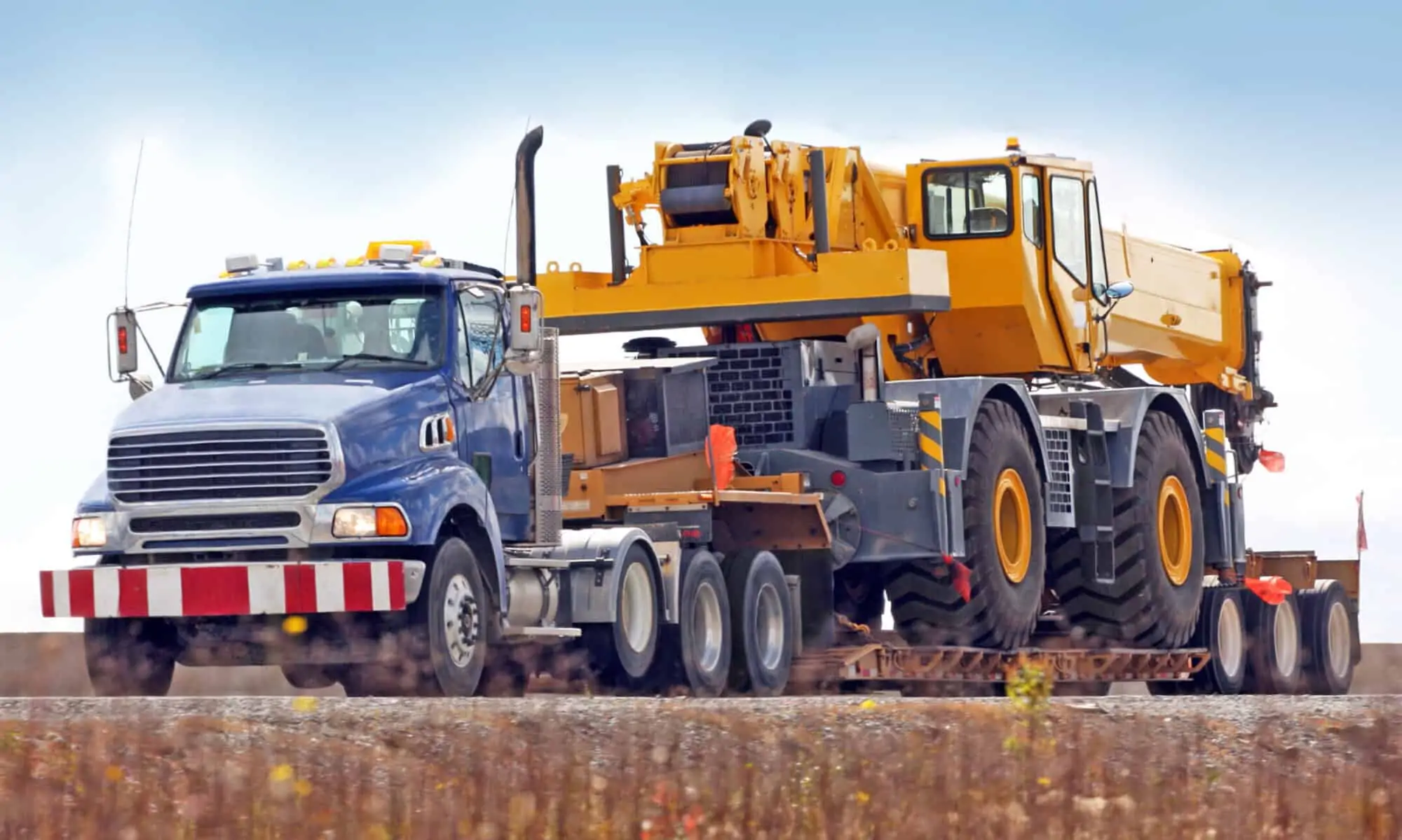
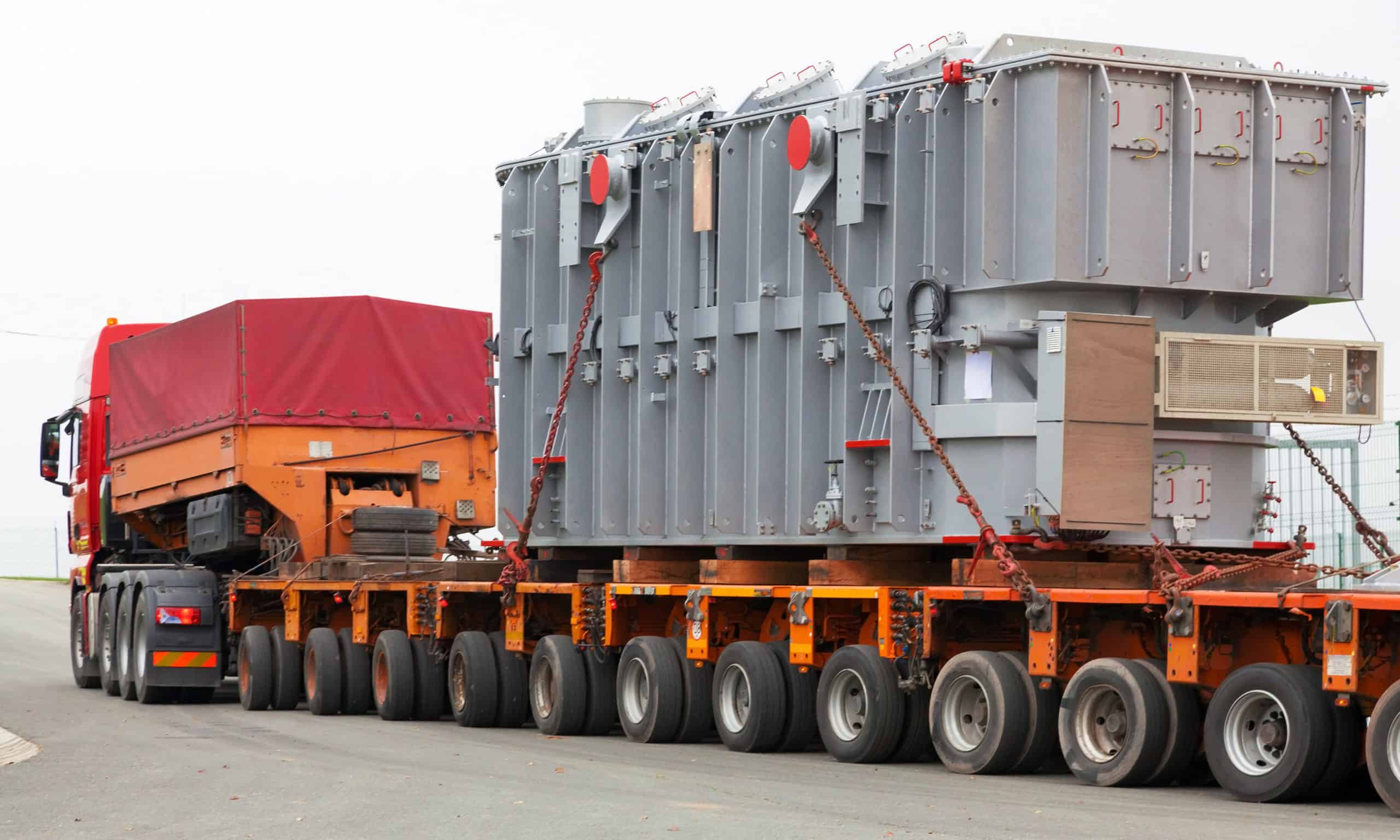
Oversized or over-dimensional loads often need a step deck or Removable Gooseneck (RGN) trailer for the added height clearance a standard flatbed simply cannot provide. These particular loads typically require additional tiedowns well beyond standard freight requirements, plus escort vehicle coordination for the widest or tallest shipments involved throughout the entire transit. Securement complexity increases considerably with overall load size, so oversized freight genuinely deserves more planning time than a routine, standard flatbed shipment would.
Securement-Ready Carriers at LAC™
LAC™’s flatbed carrier network includes partners genuinely equipped for compliant load securement on every shipment they handle, with access to step-deck, Removable Gooseneck (RGN), lowboy, and curtain-side trailers when a shipment’s dimensions call for something beyond a standard flatbed. That specialized equipment range spans Mexico, the US, and Canada, giving shippers direct access to a carrier network already fully prepared for the securement demands this guide covers throughout.
Edge Protection Requirements Explained
Any tiedown running directly over a sharp edge, whether steel, pipe, or lumber, requires edge protection carefully placed between the strap or chain and the cargo. This is not optional under federal rules whatsoever; an unprotected strap or chain can fray, cut, and fail without warning during transit, releasing cargo it was supposed to secure. Edge protection is a small, genuinely inexpensive step that prevents a serious, potentially dangerous failure mode from ever occurring on the road.
Re-Checking Loads En Route
Federal rules require rechecking tiedowns after the first roughly 50 miles of any given trip, then again every 3 hours or every 150 miles, whichever comes first, for the remainder of the journey. Tiedowns should also always be rechecked after every change in duty status, since a load that was fully secure at the start of a driving shift may have shifted or loosened during the preceding driving period.
Choosing a Conestoga Trailer Instead
For freight that is genuinely weather-sensitive, high-value, or prone to surface damage, a Conestoga trailer adds rolling-tarp coverage on top of standard securement rather than replacing it entirely. This is genuinely worth considering when tarping alone doesn’t fully address the risk, particularly for finished goods or coated products where even brief weather exposure could meaningfully affect value. The underlying federal securement rules remain identical regardless of which specific trailer type is ultimately used for the shipment.
Conclusion
Flatbed load securement genuinely comes down to matching the right tool, whether straps, chains, or binders, to the specific cargo being hauled, calculating the Working Load Limit correctly for every shipment, and consistently rechecking loads throughout transit rather than only at the very start. These are not merely optional best practices to consider when it’s convenient; they’re genuine federal compliance requirements with real, tangible safety stakes for every single driver on the road today.

FAQs
What is the minimum number of tie-downs required for a flatbed load?
The minimum number of tie-downs depends on both the cargo’s weight and its overall length, not a single fixed number that applies universally. Federal rules set baseline counts based on these factors, and heavier or longer loads may require more tiedowns than the aggregate Working Load Limit math alone would suggest. Carefully checking both weight and length together helps avoid an under-secured load that would technically pass the weight calculation alone.
Can a driver be cited for using unmarked straps or chains?
Yes, every single tiedown used must be clearly and permanently marked with its own rated Working Load Limit (WLL), so inspectors and drivers alike can verify actual securement capacity at a glance. Unmarked equipment simply does not count toward the securement calculation at all, regardless of its actual strength rating, and can result in an immediate out-of-service citation during a roadside inspection even if the load appears properly secured.
Do straps or chains work better for heavy machinery?
Chains generally suit heavy, rigid machinery considerably better than straps do, since they offer higher rated strength and resist abrasion from sharp edges that would quickly wear through webbing. Though the right choice always depends on the specific equipment being hauled, its exact surface finish, and whether protecting that particular surface from scratching or marking matters just as much as raw holding strength for that specific shipment.
What is edge protection and when is it required?
Edge protection is a specific device placed carefully between a tie-down and a sharp cargo edge to prevent the strap or chain from being cut or abraded during transit. It is required any time a strap or chain runs directly over an edge like steel, pipe, or lumber, since without it the tie-down can fail unexpectedly under load, releasing cargo it was meant to keep secured throughout the entire trip.
Are Conestoga trailers exempt from standard flatbed tie-down rules?
No, freight loaded onto a Conestoga trailer still sits directly on an open flatbed deck and must be secured using standard flatbed methods, including chains, straps, and edge protection where needed. The rolling tarp adds weather protection on top of that existing securement but does not replace required tiedowns in any meaningful way, since the tarp itself is not designed or rated to hold cargo firmly in place.
What happens if a flatbed load fails a roadside inspection?
A failed roadside inspection can result in an out-of-service order until the load is properly resecured on-site, along with formal citations and CSA points against the carrier’s overall safety record that can affect future business relationships. These delays are entirely avoidable with correct, thorough securement completed from the very start, making the extra time spent securing a load properly a genuinely worthwhile investment before departure.