
 Request a Quote










 LAC Blog
 Export Guides
 Transport Guides
 Logistics Glossary
 Container Types & Sizes
 Incoterms 2020 Rules


A flatbed truck is an open, sideless trailer built to carry oversized or hard-to-load cargo that would not fit inside an enclosed trailer. Unlike a dry van, it has no roof or walls, allowing loading from any direction. This guide covers standard dimensions, weight limits, the different trailer types within the flatbed family, common cargo, and the basics of properly securing a load.

Flatbed Truck Explained
A flatbed truck has a flat, open trailer bed with no sides or roof, unlike an enclosed dry van that fully encloses cargo on all sides. That open design allows cargo to be loaded from the top, sides, or rear using cranes, forklifts, or loading ramps, rather than through a single rear door. This flexibility is exactly why flatbeds handle oversized or irregularly shaped freight that simply will not fit inside a closed trailer at all.
Standard Flatbed Dimensions Explained
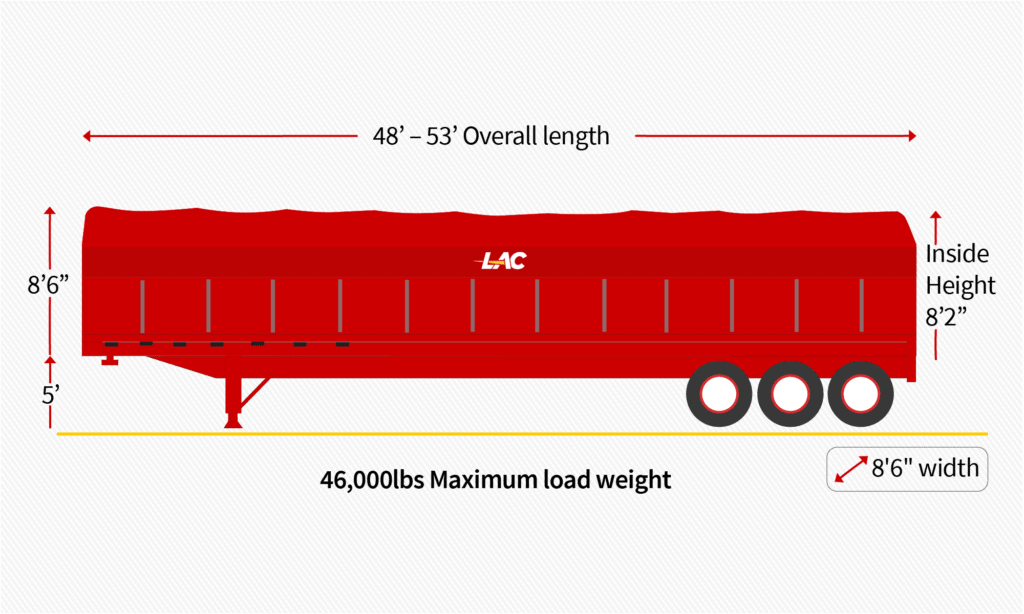
A standard flatbed trailer typically runs 48 to 53 feet long and 8.5 feet wide, with a deck height of around 60 inches from the ground on most configurations. These dimensions remain fairly consistent across most manufacturers, which is part of why flatbeds are so widely used in many industries. Knowing these baseline figures helps shippers quickly judge whether a piece of cargo will fit comfortably before booking, without waiting on a full carrier quote.
Flatbed Weight Limits and Rules
US commercial trucks, including standard flatbeds, are generally capped at 80,000 pounds gross vehicle weight, which includes the truck, trailer, and cargo combined as a single total figure. Actual cargo capacity varies by axle configuration and specific state rules, so the true payload actually available is usually somewhat lower than that headline number itself suggests. Shippers moving heavier freight should always confirm axle spacing and state-specific limits before finalizing a load plan or booking a carrier.
Flatbed vs Enclosed Trailers
Flatbeds offer open, multi-directional loading access that enclosed dry vans simply do not provide, making them far better suited to oversized, tall, or irregularly shaped cargo that cannot pass through a single rear door. That openness comes with a genuine trade-off: flatbeds require active securement with straps, chains, or tarps that a fully enclosed van simply does not need. The right choice ultimately depends on cargo shape and weather sensitivity, not simply overall size or weight.
Common Types of Flatbeds
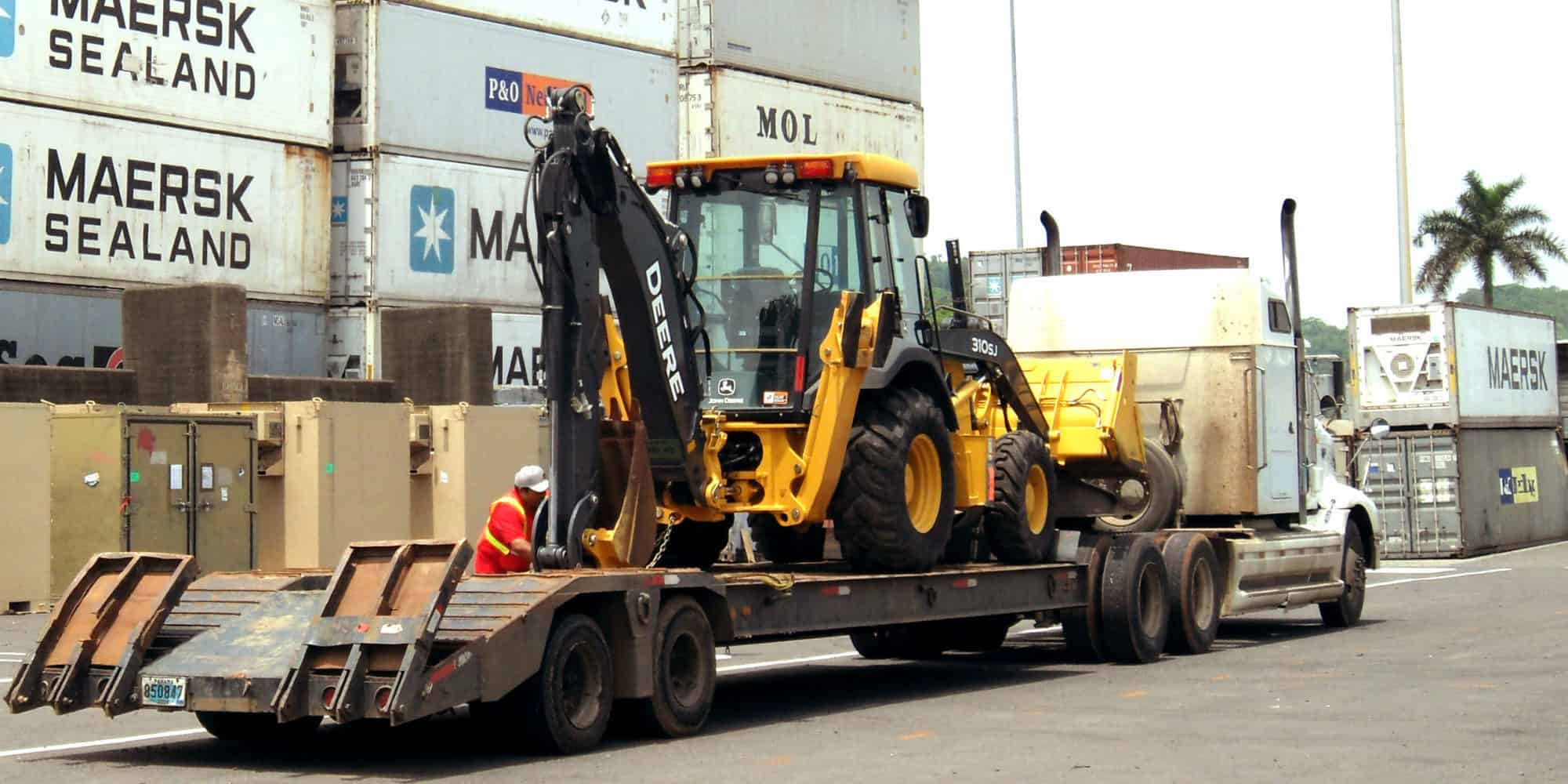
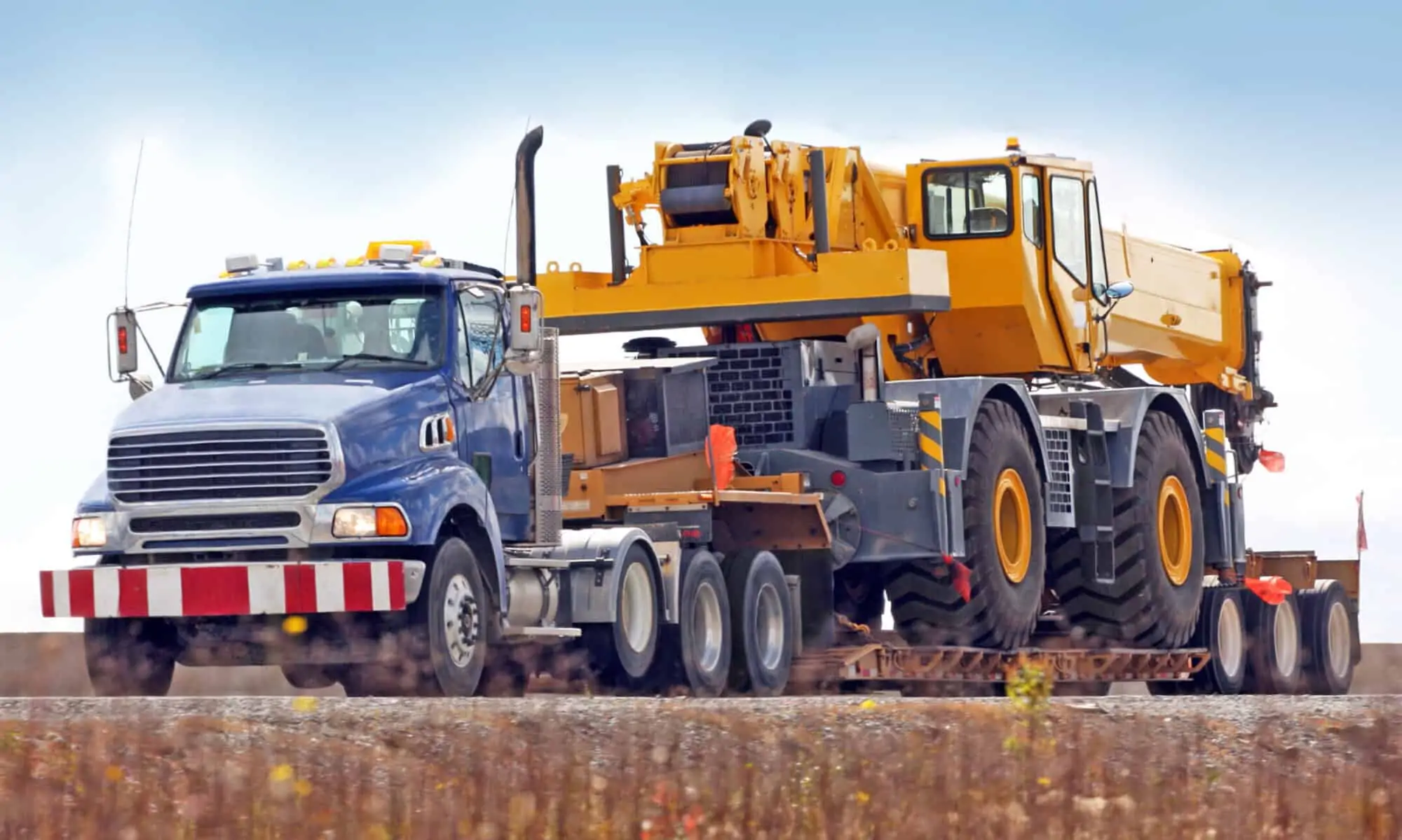
The flatbed family includes several distinct trailer types beyond the standard model, each suited to different height, weight, and general loading requirements. Step deck, also commonly called drop deck, lowers part of the trailer to accommodate taller cargo. Removable gooseneck (RGN) trailers detach at the front, creating a convenient drive-on ramp for wheeled equipment. Lowboy trailers sit especially low for extremely tall or heavy equipment needing a reduced center of gravity during transit.
Understanding Conestoga Trailer Options
A Conestoga is essentially a flatbed fitted with a retractable rolling tarp system, providing weather protection similar to a dry van while retaining the side-loading access of an open flatbed. This makes it a genuinely useful middle-ground option for weather-sensitive cargo that still requires the flexibility a fully enclosed trailer simply cannot offer. It is often the right pick when a shipper genuinely needs both protection and access.
Step Deck Trailer and RGN Uses
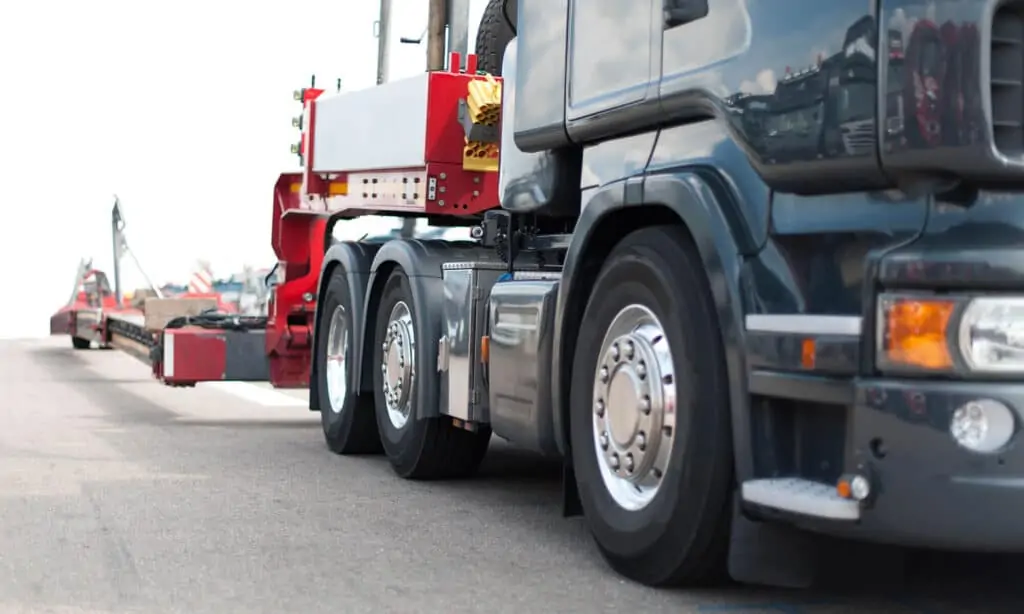
Step decks lower part of the deck to carry taller cargo without triggering the height permits a standard flatbed load might otherwise require, since the lower rear deck adds usable vertical clearance for freight. Removable gooseneck (RGN) trailers detach at the front to create a drive-on ramp, which suits tall or wheeled equipment that needs to be driven directly into place rather than lifted with a crane, forklift, or hoist.
LAC™ Flatbed Equipment Access
LAC™ gives shippers direct access to standard flatbed, step deck, removable gooseneck (RGN), lowboy, and curtain side trailers, all through a specialized carrier network spanning Mexico, the US, and all of Canada. That specialized equipment range is built specifically for oversized and heavy-haul freight that standard trailers simply cannot handle, whether the cargo needs open multi-directional loading, added height clearance, drive-on capability, or weather protection during a longer cross-border move across North America.
What Flatbeds Commonly Haul
Flatbeds commonly haul building materials such as pipe and lumber, heavy machinery, industrial equipment, and palletized goods that are simply too large or too oddly shaped for a standard enclosed dry van trailer to accommodate properly. Construction and manufacturing cargo makes up a significant share of typical flatbed freight overall, since these two industries regularly move oversized components that simply will not fit through a standard dry van’s rear doors, however carefully they are arranged or packaged.
Securing and Tarping Basics
Federal cargo securement rules under FMCSA 49 CFR Part 393 require tie-down devices with a combined working load limit of at least half the cargo’s total weight, distributed carefully across enough points to prevent shifting during transit. Loose materials, or cargo especially vulnerable to weather exposure, typically also require careful tarping in addition to strapping or chaining securely. Getting securement wrong is not merely a paperwork compliance issue; it is a genuine, serious safety risk out on the open road.
Choosing a Specialized Trailer
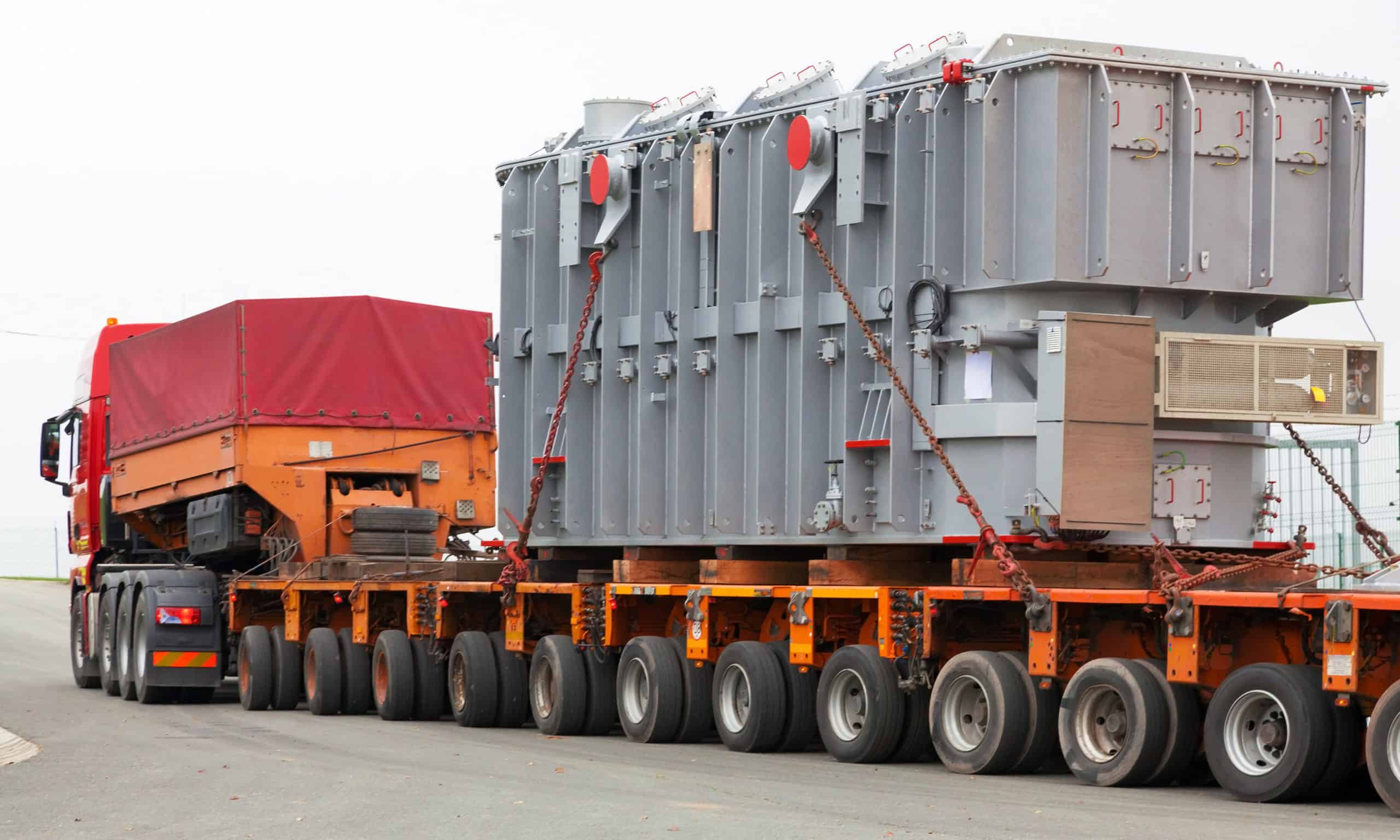
If cargo exceeds standard flatbed height or width, or needs to be driven directly on rather than lifted into place, a step deck, RGN, or lowboy trailer, paired with any required oversize permits, is usually the better fit. Standard flatbeds work well for most general cargo, but pushing beyond their height, width, or loading requirements without switching trailer types often creates avoidable permit problems or securement risks that a properly specialized trailer avoids entirely.
Conclusion
A flatbed truck is fundamentally an open-deck trailer suited to oversized and hard-to-load cargo that will not fit inside an enclosed trailer, with specialized variants like step deck, RGN, and Conestoga available for specific height, weight, or weather-protection needs. Choosing the right variant within the broader flatbed family, rather than simply defaulting to standard equipment out of habit, matters just as much as choosing flatbed shipping in the first place for cargo that genuinely requires it.
FAQs
What is the difference between a flatbed and a step deck trailer?
A standard flatbed has a single-level deck set around 60 inches above the ground, best suited to cargo well within normal industry height limits. A step deck has two levels instead, with a lower rear deck around 36 to 42 inches high that allows taller cargo to travel without triggering a height permit. The trade-off is typically a somewhat shorter available deck length on that lower rear section.
How much weight can a standard flatbed trailer carry?
A standard 48-foot flatbed can typically carry up to 48,000 pounds of evenly distributed cargo, within the overall 80,000-pound gross vehicle weight limit that covers the entire truck, trailer, and total cargo combined. Actual capacity can shift somewhat depending on axle configuration and the specific route involved, so shippers with especially heavy loads should confirm exact limits with their carrier before finalizing any shipment plan.
Can flatbeds carry temperature-sensitive freight?
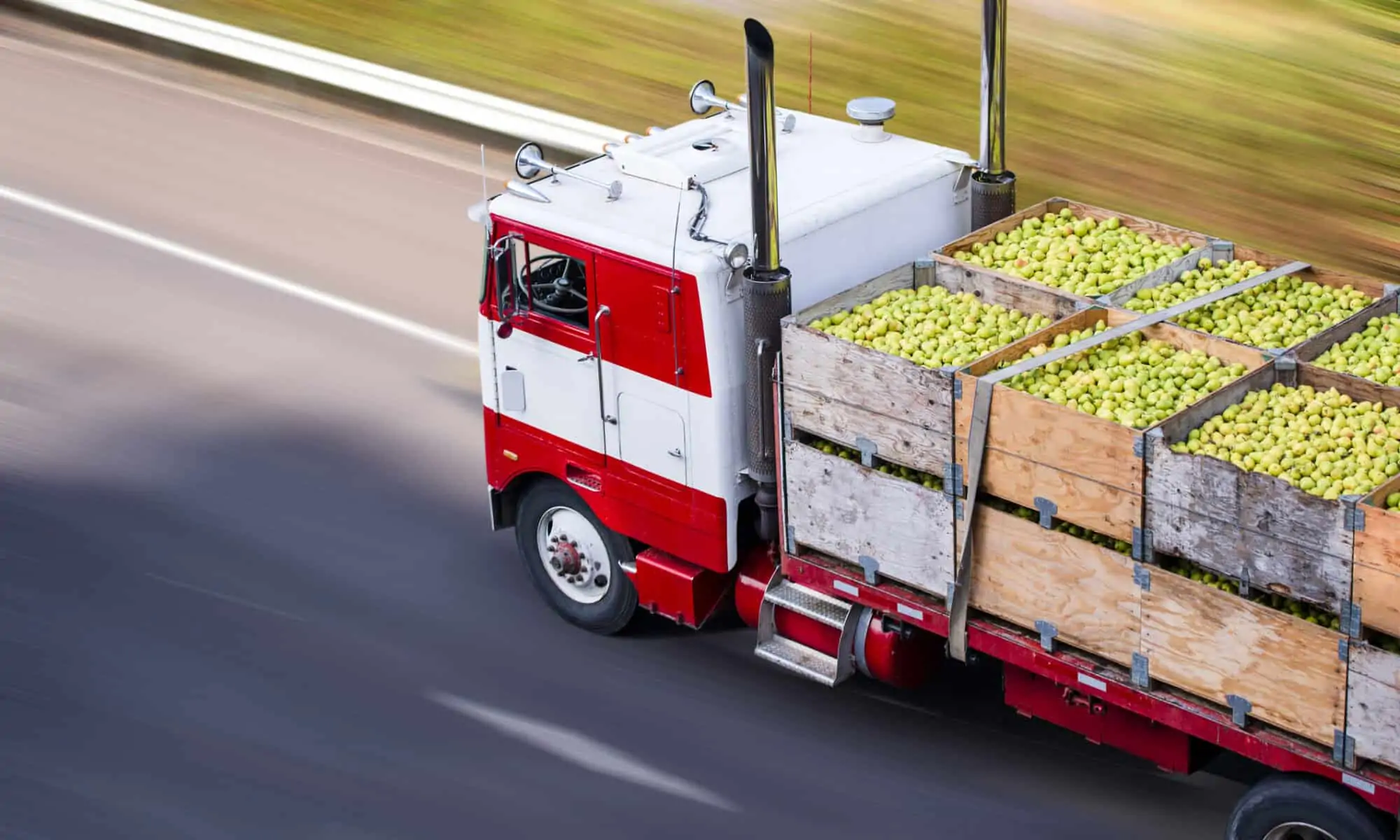
Flatbeds can carry non-temperature-sensitive perishables like produce or cut flowers with proper tarping for basic weather protection during a normal, uneventful shipment transit. Genuinely temperature-controlled cargo, such as freight requiring consistent refrigeration throughout the entire transit, requires a refrigerated (reefer) trailer instead, since a flatbed or even a Conestoga cannot reliably maintain a controlled internal temperature the way a fully enclosed, climate-controlled trailer can throughout an entire cross-border route.
What industries commonly ship flatbed freight?
Construction, manufacturing, oil and gas, and heavy equipment industries all commonly rely on flatbed trucking to move building materials, machinery, and oversized industrial goods that simply do not fit enclosed trailers. Agricultural equipment shippers also lean heavily on flatbeds for combines, harvesters, and other large pieces of farm machinery, all requiring open, multi-directional loading access rather than just the single rear door found on a standard enclosed dry van.
Do I need a permit for oversized flatbed loads?
Loads exceeding standard width or height thresholds typically require an oversize permit issued by the relevant state or provincial authority before the shipment can legally begin traveling. Shipments wider than roughly 12 feet may also require pilot escort vehicles, depending on the specific route and legal jurisdiction involved. Permit requirements and thresholds vary significantly by state and province, so confirming the rules for each leg of a route genuinely matters.
When is an RGN trailer required instead of a step deck?
An RGN trailer is typically needed when cargo is simply too tall even for a step deck’s lower deck, or when equipment needs to be driven on rather than lifted into place, since the RGN’s detachable front creates a ground-level ramp. Self-propelled machinery like excavators or bulldozers is a common example where an RGN’s drive-on capability makes loading considerably easier than relying on cranes, forklifts, or ramps.