

 Request a Quote
Start shipping now
Request a Quote 
Start shipping now
Request a Quote
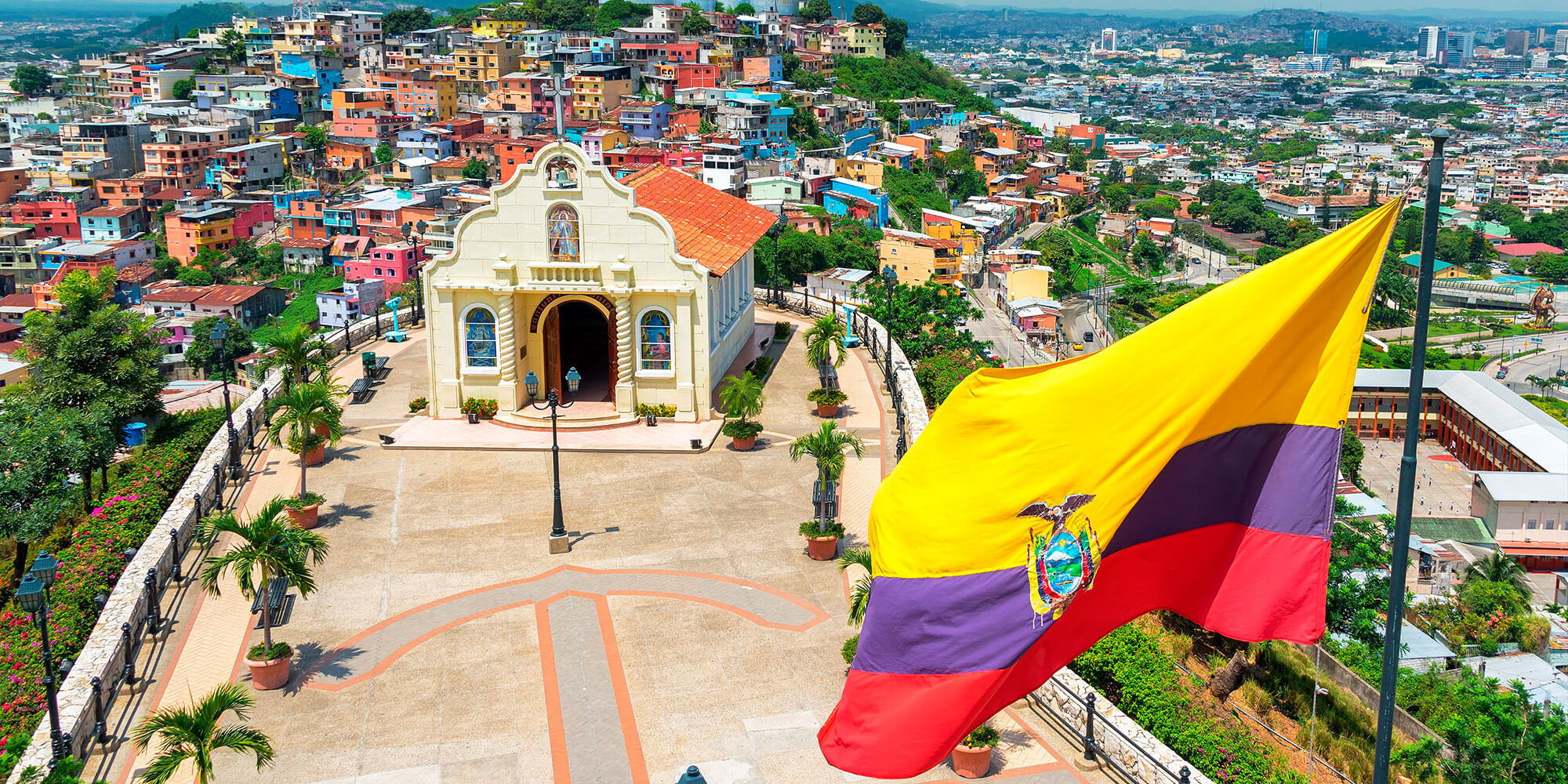
Ecuador is a strategic Pacific-market with steady demand for North American industrial goods, retail products, and time-sensitive cargo—supported by strong two-way trade with the U.S. and growing regional modernization.
Remember, at LAC we also offer a full range of specialized freight services to Ecuador that your company needs to expand its business:
But shipping cargo to Ecuador can feel “simple until it isn’t”: SENAE registration, ECUAPASS filings, Spanish labeling norms, and product-specific compliance (INEN/ARCSA/AGROCALIDAD) can all create delays if documentation isn’t exact. This guide explains transit times, costs, main ports, and customs clearance so you can ship cargo to Ecuador more efficiently and with fewer surprises.
Ecuador is a mid-sized, import-reliant economy in the LATAM region. Key industries include energy/oil services, agriculture & food exports, aquaculture, construction, and manufacturing inputs. Ecuador is also a global heavyweight in exports like bananas and shrimp—supply chains that drive constant port/airport activity.
As a result, demand for industrial equipment, technology services, and supply chain solutions is accelerating as Ecuador advances its modernization and trade competitiveness.
Spanish is the language of business in Ecuador, and many import processes are documentation-driven—so clarity matters more than “good enough.” Expect relationship-based communication and a preference for complete, consistent paperwork (especially for product descriptions, values, and weights).
For smoother coordination, many shippers rely on a bilingual logistics team that can align U.S./Canada shipping practices with Ecuador’s local requirements and terminology.
Ecuador’s geography shapes the logistics plan: Guayaquil/Posorja handle a large share of ocean freight, while Quito is a key air cargo gateway—especially for high-value, time-sensitive lanes. Inland delivery can require additional trucking time and careful appointment planning, especially during peak seasons.
On the regulatory side, it’s common to deal with the following institutions:
Most customs delays in Ecuador come down to preventable issues:
It is important to note that Ecuador uses a “Single Window” (Ventanilla Única) for submissions and ECUAPASS is required to clear shipments—another reason many importers work with a specialized customs agent/broker.
LAC – Latin American Cargo supports companies shipping to Ecuador with flexible, end-to-end options—built on 25+ years of North America–LATAM forwarding experience and a carrier network across ocean and air lanes.
Best for heavier cargo, higher volumes, or when you need:
→ Know more about our FCL services
Ideal for smaller shipments when you want to ship cargo to Ecuador without waiting to fill a container. We coordinate consolidation, origin handling, and deconsolidation (with clear labeling and document matching to reduce holds).
→ Know more about our LCL services
For rolling cargo (vehicles, forklifts, certain machinery on wheels). RORO can be cost-effective, but it’s important to confirm Ecuador’s rules for used vehicles/equipment before booking.
→ Know more about our RORO services
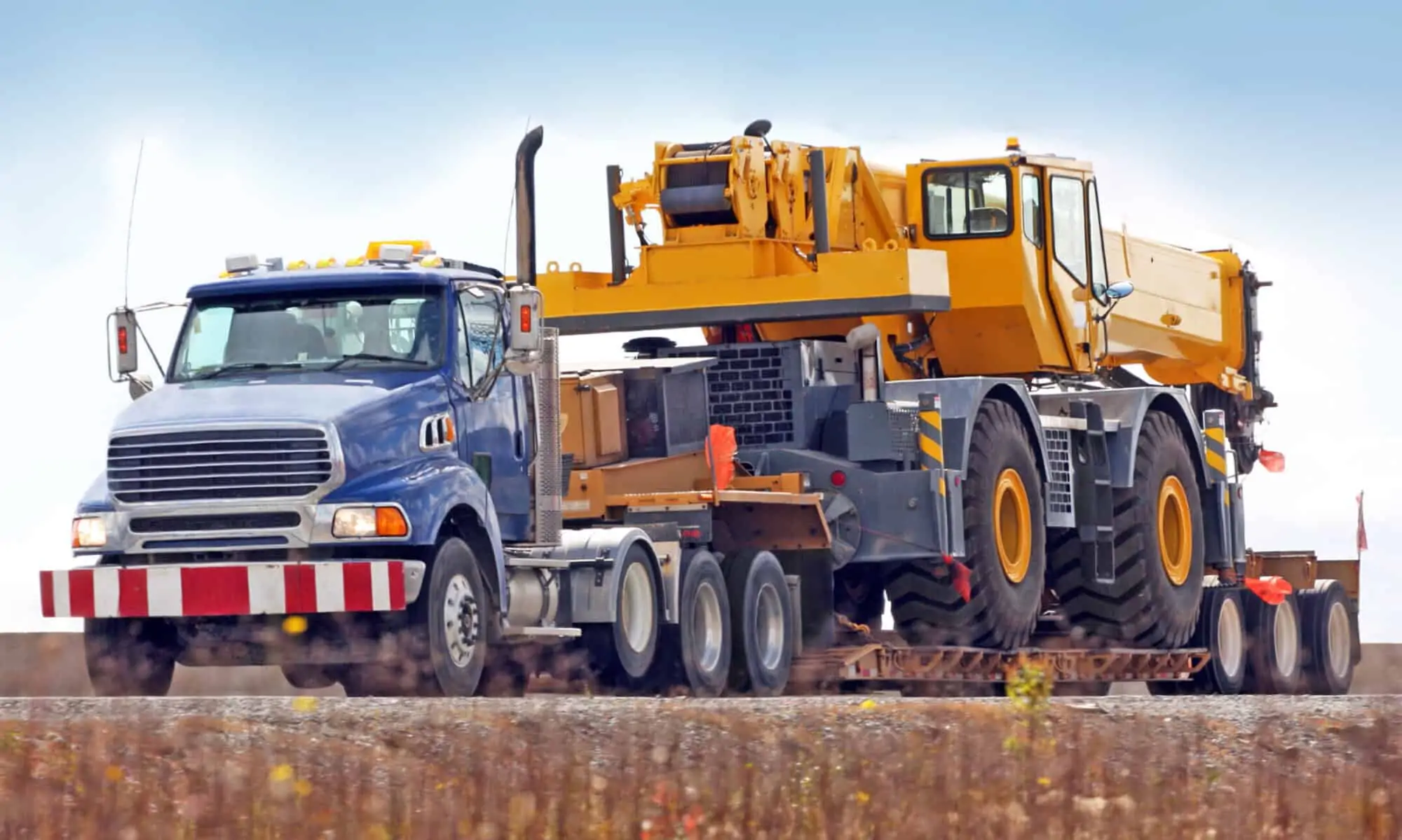
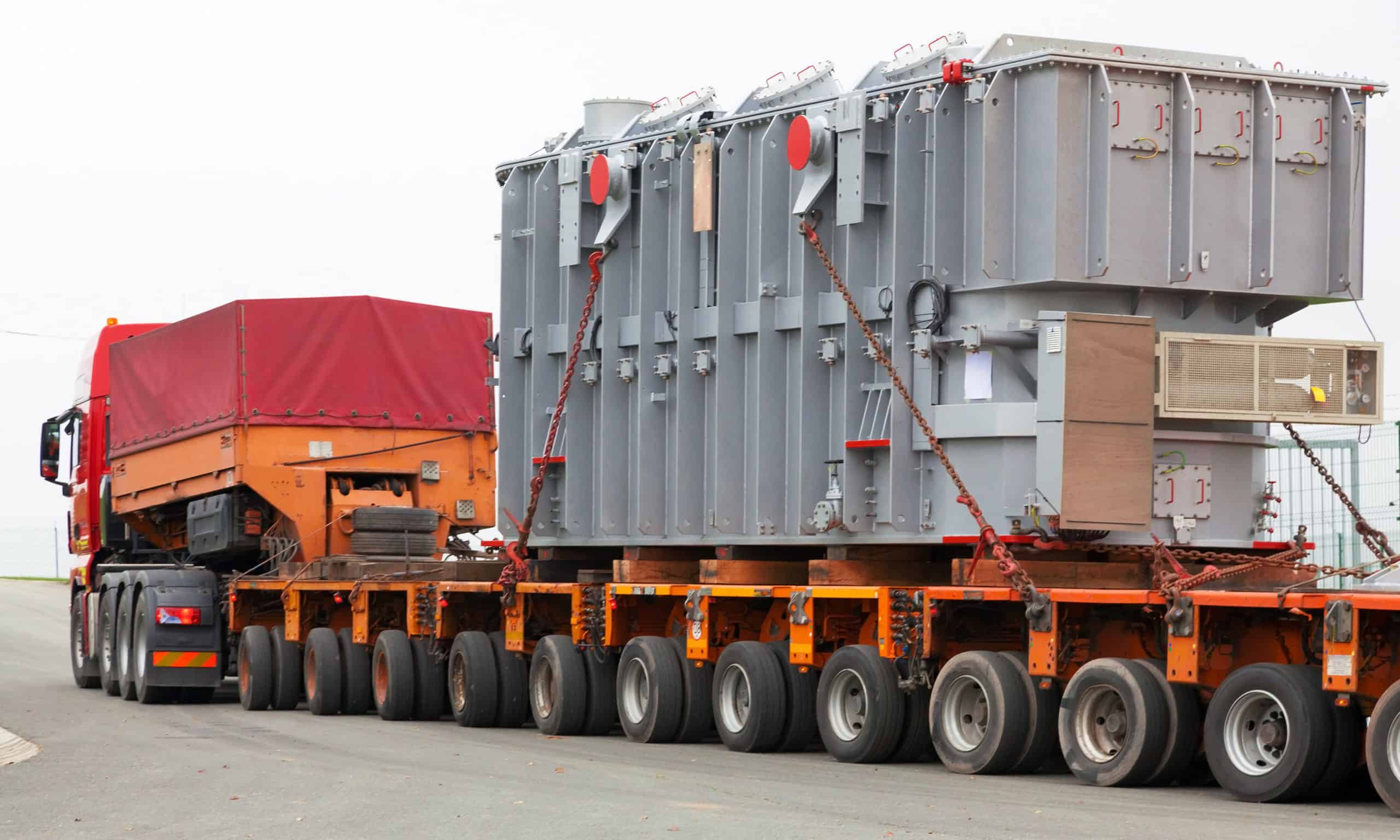
For oversized, out-of-gauge, or non-containerized freight (industrial equipment, construction modules, energy-sector cargo). We manage lifting plans, port coordination, and site delivery sequencing.
→ Know more about our Breakbulk services
For urgent or high-value freight, air freight to Ecuador is often routed via:
Quito’s airport is a major cargo platform (notably for high-value exports like flowers), making it a strong node for air freight networks.
→ Know more about our Air Cargo services
Our team of logistics experts is ready to optimize your supply chain and deliver seamless shipping solutions.

Costs and transit time depend heavily on origin, routing, cargo specs, and delivery requirements. The table below is a general reference based on typical market conditions from major North American hubs to Ecuador’s primary gateways.
| Shipping Mode | Destination | Transit Time | Cost Estimate (USD) |
|---|---|---|---|
| 20′ Container | Guayaquil / Posorja | 12–20 days | $3,200–$5,800 |
| 40′ Container | Guayaquil / Posorja | 12–20 days | $4,800–$8,900 |
| LCL | Guayaquil (CFS) | 18–30 days | $120–$220 per CBM (minimums apply) |
| Air Freight (Standard) | Quito (UIO) / Guayaquil (GYE) | 3–6 days | $4.50–$8.50 per kg |
| Air Freight (Express) | Quito (UIO) / Guayaquil (GYE) | 1–3 days | $7.50–$14.00 per kg |
Need a precise shipping quote to Ecuador? Request a freight quote from our logistics team.
Shipping costs to Ecuador are typically driven by:
Ecuador’s main freight gateways cluster around the coast (ocean) and Quito (air), with inland distribution connecting industrial and population centers.
| Seaport | Region | Main Role & Typical Use |
|---|---|---|
| Port of Guayaquil | Guayas (Coast) | Primary commercial gateway for containers and general cargo into Ecuador. |
| DP World Posorja | Guayas (Coast) | Deepwater terminal and major container gateway; strong option for mainline services. |
| Port of Manta | Manabí (Coast) | Multipurpose port supporting containers, vehicles, and project cargo options depending on routing. |
| Port of Esmeraldas | Esmeraldas (North Coast) | Important commercial port in the northern corridor; also tied to energy/oil logistics in the region. |
| Puerto Bolívar | El Oro (South Coast) | Key agro-export corridor; also used for specialized cargo and regional distribution in the south. |
| Airport | IATA Code | City/Region | Role & Typical Use |
|---|---|---|---|
| Mariscal Sucre International Airport | UIO | Quito | Primary air cargo gateway (express, pharma/medical, high-value and time-critical freight). (Wikipedia) |
| José Joaquín de Olmedo International Airport | GYE | Guayaquil | Strong cargo option for coastal distribution and select international air freight routings. (Tagsa) |
| Eloy Alfaro International Airport | MEC | Manta | Regional airport useful for select domestic distribution and niche cargo needs. (Wikipedia) |
| Mariscal Lamar International Airport | CUE | Cuenca | Regional connectivity for southern highlands (often via domestic feeders). (Wikipedia) |
Customs clearance in Ecuador is much easier when you plan documentation and compliance before pickup—not after arrival.
Common import requirements include:
Importers must register with SENAE and obtain a RUC issued by Ecuador’s tax authority (SRI).
Depending on the product, Ecuador may require:
A typical flow looks like:
Two common cost drivers are classification and taxes:
With LAC, you get a freight forwarder for shipping to Ecuador that’s built for Latin America execution—not generic routing.
→ Request a Fast, No-Obligation Quote
LAC combines deep regional expertise, strong carrier networks, and hands-on support to make freight shipping to Ecuador simpler and more predictable. Whether you need ocean, air, or a mix of both, we’ll help you find the right solution.
Learn from the experiences of those who matter most: our customers








 LAC Blog
 Export Guides
 Transport Guides
 Logistics Glossary
 Container Types & Sizes
 Incoterms 2020 Rules