

 Request a Quote
Start shipping now
Request a Quote 
Start shipping now
Request a Quote

Argentina is a 46-million-person market with strong demand across industrial inputs, healthcare, energy, and consumer goods—making it a practical export destination for U.S. and Canadian shippers.
At the same time, shipping to Argentina can be paperwork-heavy and detail-sensitive (Spanish documentation, HS classification, and customs procedures). This guide breaks down transit times, costs, ports, and customs clearance so you can ship cargo to Argentina with fewer surprises.
Remember, at LAC we also offer a full range of specialized freight services to Argentina that your company needs to expand its business:
Argentina remains a major LATAM trade market with active cross-border lanes from the U.S. and Canada.
As a result, the demand for streamlined logistics and shipping to and from Argentina is hitting record highs, driven by a new era of open-trade policies.
Spanish is the operating language for most import workflows, and “small details” (product description, invoice format, labeling language) often make or break clearance.
In practice, expect:
Argentina has been actively adjusting trade processes—helpful, but it also means your importer and broker need to stay current.
Recent changes include:
Customs delays in Argentina typically come from:
The fastest clearances usually happen when the importer’s customs broker receives compliant documents before cargo arrival.
Our team of logistics experts is ready to optimize your supply chain and deliver seamless shipping solutions.

LAC – Latin American Cargo supports multimodal freight shipping to Argentina with practical routing from major U.S. and Canadian gateways—backed by 25+ years of LATAM logistics experience.
Best for consistent volume, higher security, and faster port operations.
→ Know more about our FCL services
Best when you don’t need a full container.
→ Know more about our LCL services
For rolling cargo (vehicles, trailers, some machinery).
→ Know more about our RORO services
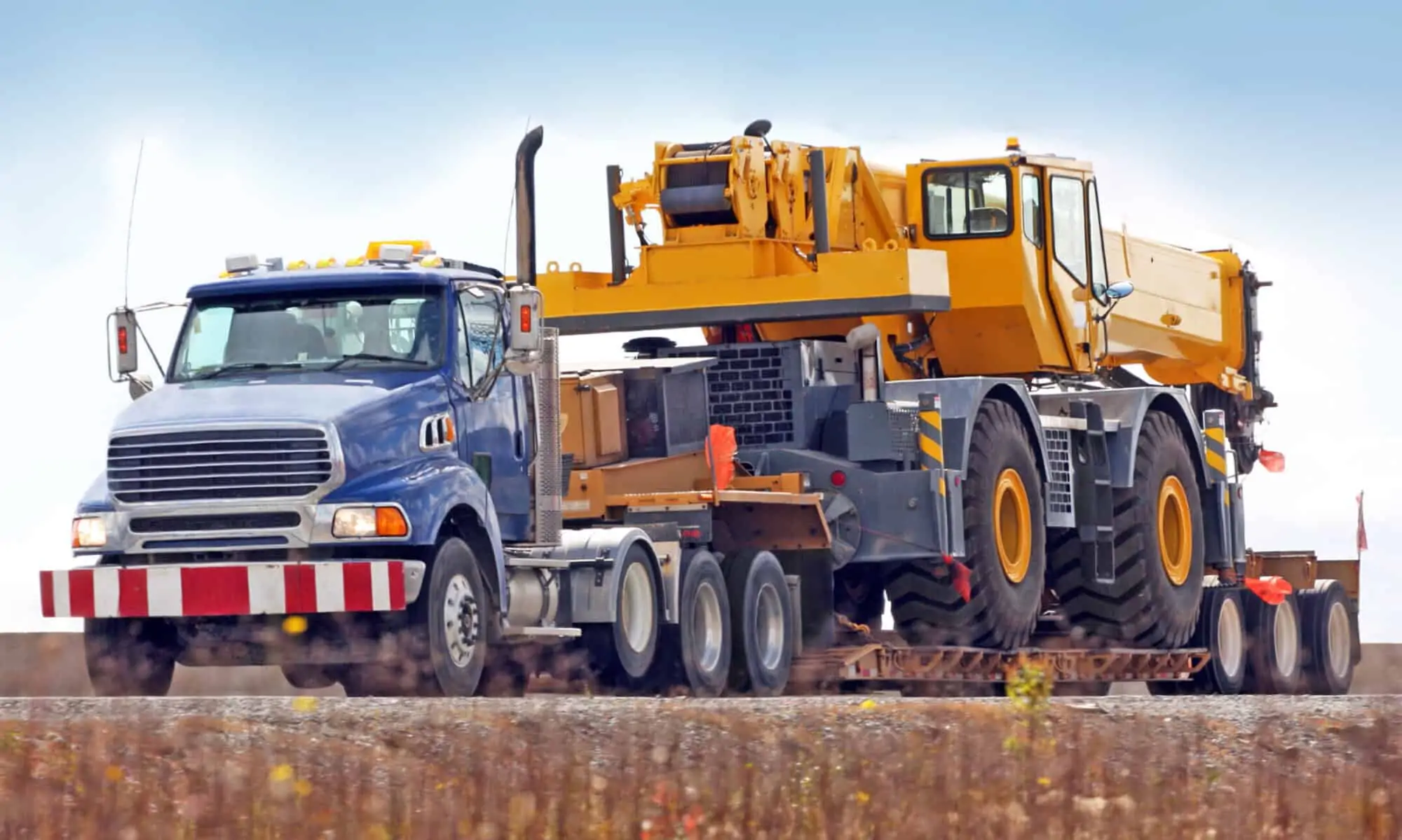
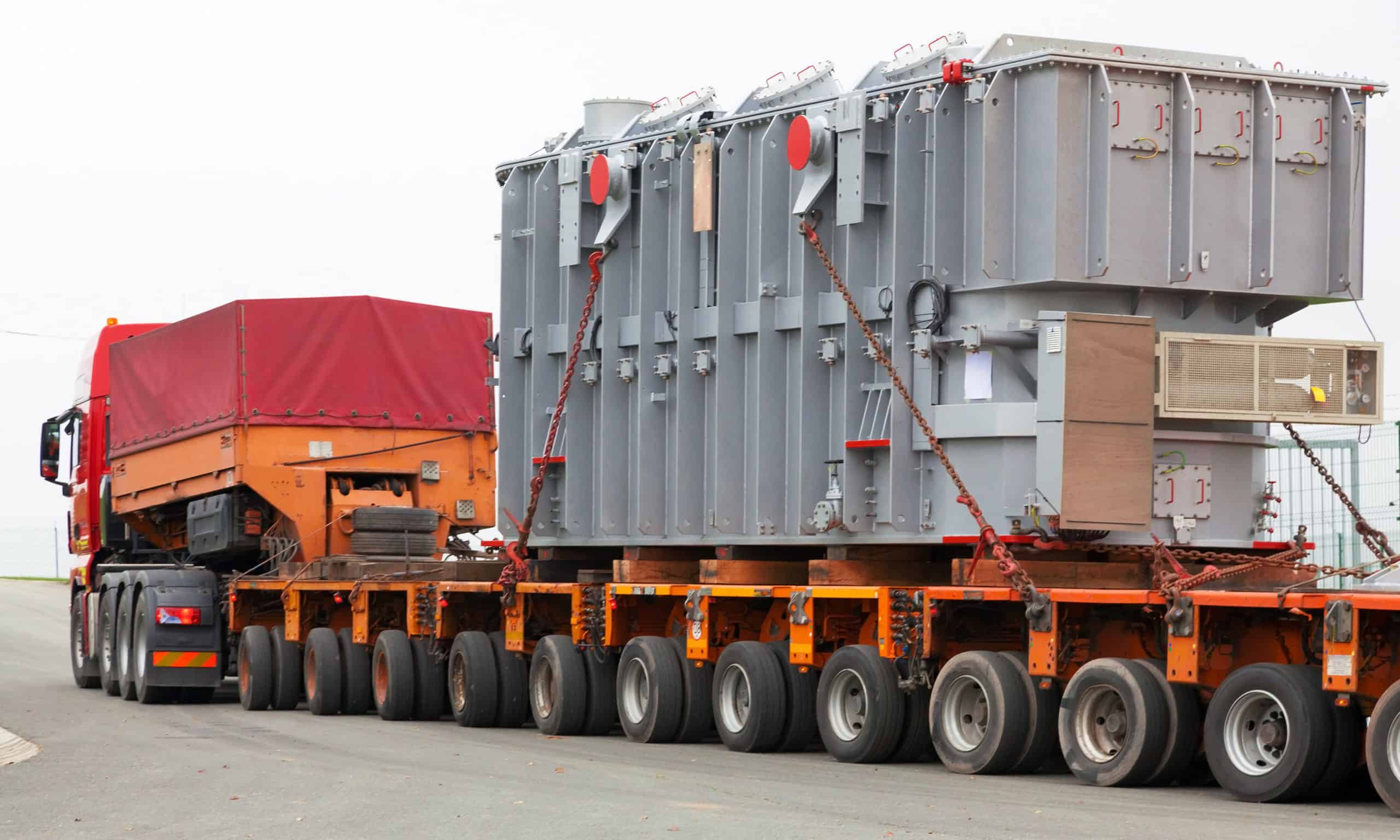
For oversized/out-of-gauge (OOG) loads and industrial projects.
→ Know more about our Breakbulk services
When lead time matters, air freight to Argentina typically routes through Buenos Aires (EZE) and can run:
Air Charter service is also available for urgent, high-value, or time-critical cargo.
→ Know more about our Air Cargo services
Costs and transit time drive most decisions on sea freight to Argentina vs. air freight to Argentina. The table below is a planning reference based on recent standard market conditions from major North American hubs to the Buenos Aires region.
| Shipping Mode | Destination | Transit Time | Cost Estimate (USD) |
|---|---|---|---|
| 20′ Container | Buenos Aires Port | 18–30 days | $3,900–$6,800 |
| 40′ Container | Buenos Aires Port | 18–30 days | $5,200–$9,200 |
| LCL | Buenos Aires (CFS) | 22–40 days | $120–$220/CBM (+ minimums/fees) |
| Air Freight (Standard) | Buenos Aires (EZE) | 2–6 days | $4.50–$7.50/kg |
| Air Freight (Express) | Buenos Aires (EZE) | 1–3 days | $7.50–$12.00/kg |
Need an exact shipping quote to Argentina? Request a freight quote from our logistics team.
Your shipping costs to Argentina will mainly depend on:
Argentina’s freight concentrates around Buenos Aires for containers, the Paraná River corridor for bulk/agro exports, and key interior cities for industrial distribution.
| Seaport | Region | Main Role & Typical Use |
|---|---|---|
| Port of Buenos Aires | Buenos Aires Province | Primary container gateway in Argentina; general cargo and import distribution. |
| Dock Sud | Buenos Aires Province | Major terminal area for containers and specialized cargo (incl. liquid bulk activity in the port system). |
| Port of La Plata (TecPlata) | Buenos Aires Province | A modern and carbon-neutral alternative to the port Buenos Aires, offering high-tech container handling and streamlined customs processing for specialized cargo. |
| Port of Zárate | Buenos Aires Province | Main port for Ro-Ro (Roll-on/Roll-off) cargo, serving as the primary entry and exit point for the South American automotive industry. |
| Bahía Blanca | Buenos Aires Province | Deep-water port complex supporting bulk and industrial flows; strong for grains and petrochemical-related cargo. |
| Puerto Madryn | Argentine Patagonia | The primary gateway for aluminum and the growing Patagonian fishing industry. |
| Rosario / San Lorenzo | Santa Fe | Paraná River port corridor tied to agro-industrial exports and upstream logistics (notably near San Lorenzo). |
| Airport | IATA Code | City/Region | Role & Typical Use |
|---|---|---|---|
| Ministro Pistarini International Airport | EZE | Buenos Aires (Ezeiza) | Main international cargo entry point; bonded cargo operations and warehousing. |
| Jorge Newbery Airport (Aeroparque) | AEP | Buenos Aires (CABA) | Domestic/regional belly cargo; useful for short-haul distribution. |
| Córdoba International Airport | COR | Córdoba | Interior hub for industrial shipments and redistribution. |
| Mendoza International Airport | MDZ | Mendoza | Regional cargo for wine/agro/industrial lanes. |
| Mar del Plata International Airport | MDQ | Buenos Aires Province | Seasonal/region-specific cargo handling. |
| Tucumán International Airport | TUC | Tucumán | Strong seasonal perishables flow (berries noted). |
Source: Aeropuertos Argentina Cargas
Argentina customs clearance is very manageable when your documents match exactly—especially for description, quantity, and value.
Common requirements include:
Depending on the commodity, additional rules may apply:
A typical process looks like:
Common delay reducers
Shipping to Argentina goes smoother when your forwarder can manage both the international move and the LATAM realities at destination. LAC supports shippers with hands-on coordination across ocean freight to Argentina, air freight to Argentina, and customs clearance planning.
→ Request a Fast, No-Obligation Quote
LAC combines deep regional expertise, strong carrier networks, and hands-on support to make freight shipping to Argentina simpler and more predictable. Whether you need ocean, air, or a mix of both, we’ll help you find the right solution.
Learn from the experiences of those who matter most: our customers









 LAC Blog
 Export Guides
 Transport Guides
 Logistics Glossary
 Container Types & Sizes
 Incoterms 2020 Rules