Request a Quote











 LAC Blog
 Export Guides
 Transport Guides
 Logistics Glossary
 Container Types & Sizes
 Incoterms 2020 Rules


TL;DR
- Project cargo is large, heavy, high-value, or critical equipment tied to a specific project.
- Examples include excavators, transformers, wind turbine blades, steel beams, and industrial tanks.
- It ships by breakbulk vessel, flat-rack or open-top container, RORO, or heavy-haul truck.
- Cross-border moves often involve several carriers and a separate drayage leg at the crossing.
- Early coordination and accurate cargo details drive the plan more than any single mode.
What is project cargo, and why does it need a plan built around the cargo rather than a standard booking? Project cargo covers equipment that cannot move by ordinary methods and usually ties to a project schedule. This guide covers examples, ocean and ground options, multi-leg coordination, documents, and planning, drawing on 25+ years of freight coordination experience.
What Is Project Cargo Exactly
Project cargo is the movement of equipment too large, heavy, valuable, or critical for standard freight methods, within one country or across borders, for a specific project. The key word is project. The freight exists to serve a plant, site, or installation, and its delivery date is built into someone else’s schedule. Because of that, each shipment needs individual planning rather than a standard booking against a published schedule.
Typical Project Cargo Examples
Project cargo examples grouped by form rather than industry:
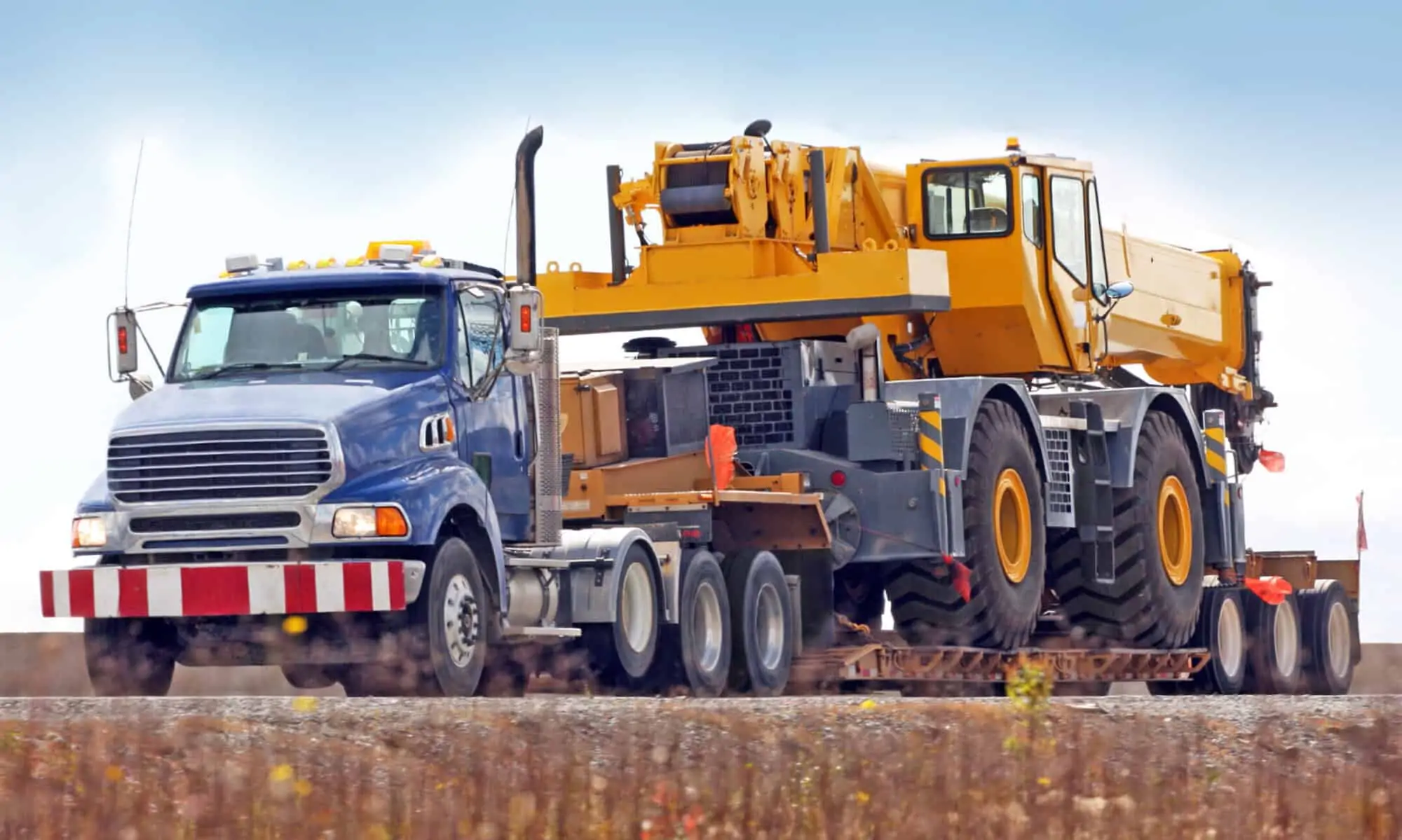
- Machinery: excavators, cranes, mining equipment and drilling rigs, too large for a container
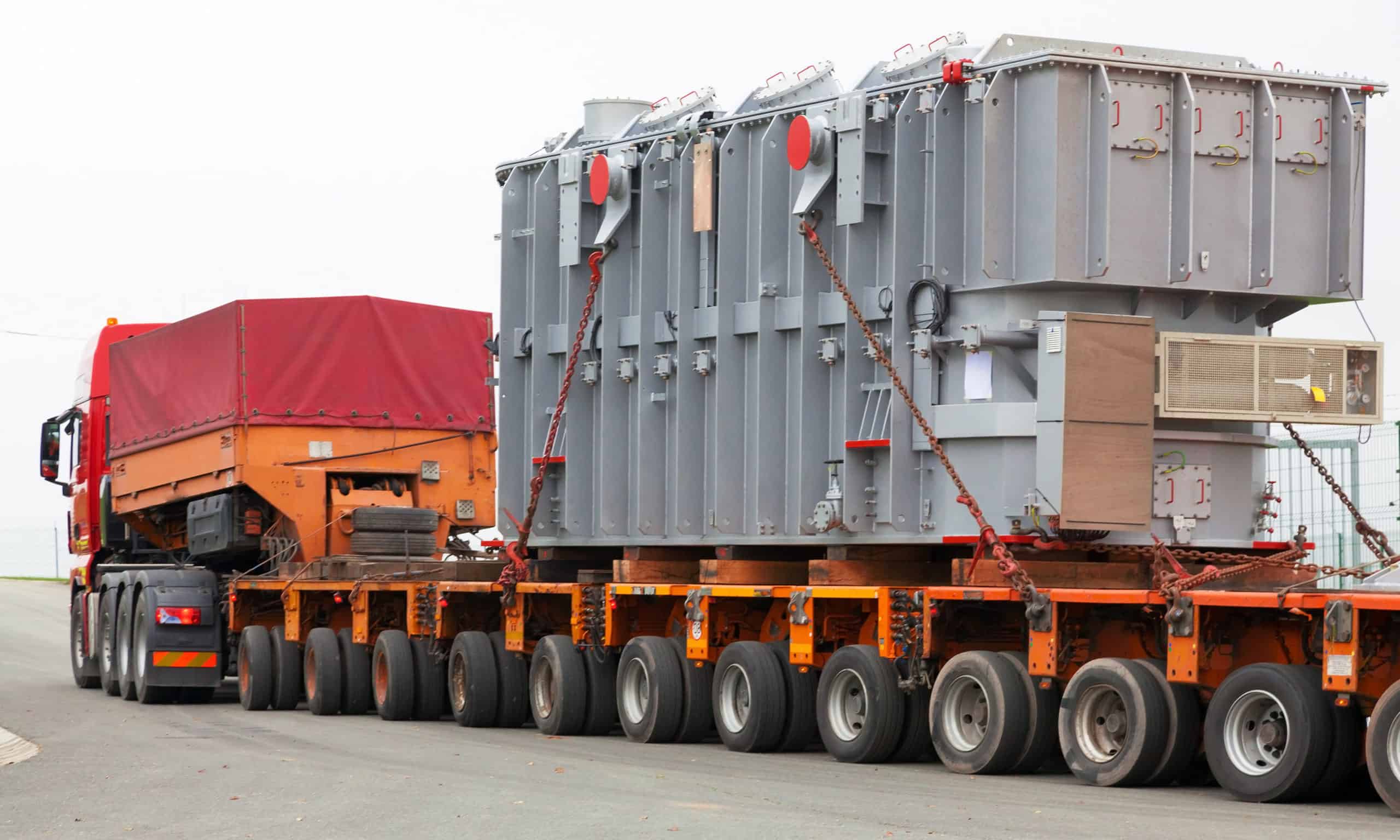
- Power equipment: generators, transformers, turbines and wind turbine blades, heavy, dense or very long
- Structural and modular pieces: steel beams, prefabricated building sections, modular and skid units, awkward in shape or partly assembled
- Tanks and vessels: pressure vessels and large industrial tanks, long, round and hard to brace
Each resists standard packing for its own reason.
Why Project Cargo Differs
Project cargo differs from standard freight in three ways. First, each move is planned individually around the cargo and its special handling equipment, from lifting points to route clearances. Second, more than one mode and more than one party are often involved, and each handoff adds a point where something can go wrong. Third, a late or damaged piece can hold up a wider project schedule, so the stakes extend well beyond the shipment itself.
Ocean Shipping Options Overview
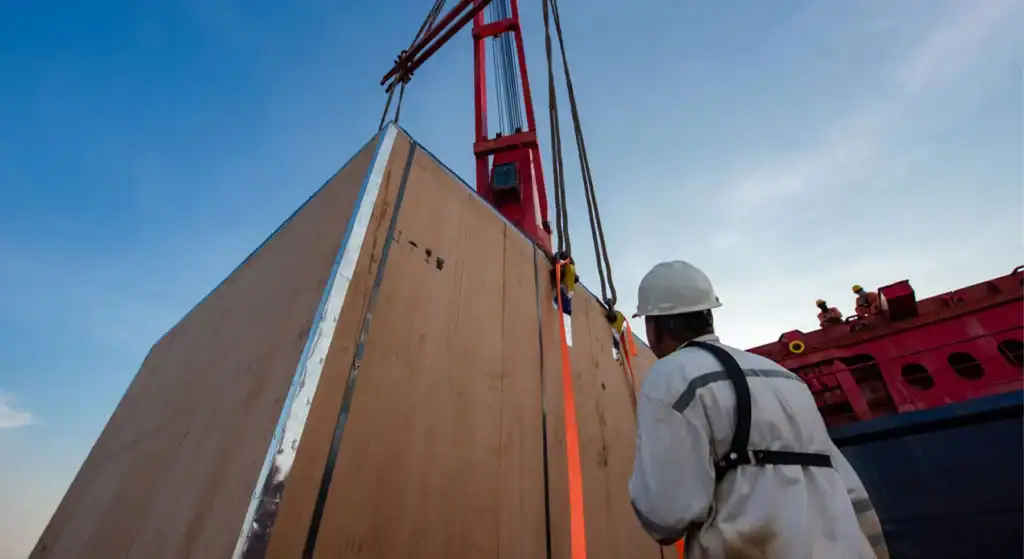
What is breakbulk cargo? Breakbulk cargo is shipped as individual pieces, typically loaded by crane or placed on flatbed trailers rather than packed in a container. Out-of-gauge cargo exceeds standard container dimensions in length, width, or height. Ocean options for project cargo include breakbulk vessels, flat-rack and open-top containers for pieces just past container limits, and RORO service for wheeled cargo. Vessel choice, port capability, and schedules vary by route.
Ground Transport Options Overview
Inland legs move the cargo from port or plant to the site. Equipment includes flatbed trailers, winch trucks, Hiab trucks with their own loading crane, and heavy-haul trucking for the largest pieces, supplied by vetted carriers that LAC coordinates across Canada, the United States, and Mexico. Permits, escorts, and route surveys may apply and vary by state, province, and load. A pilot car or escort is commonly required for loads over about 12 ft wide, with rules varying by state.
How Multi-Leg Coordination Works
A cross-border project move typically runs in stages: pickup at origin, long-haul to the border, the bridge crossing, then long-haul to destination. Each leg often has a different driver, and sometimes a different company, and the crossing itself is often handled by a separate drayage carrier. Delays come from more than paperwork: customs holds and inspections, carrier capacity in peak periods, and bridge or drayage availability all shift the timeline, so every stage is scheduled with margin.
Documents and Party Roles
Core documents include the commercial invoice, bill of lading, certificate of origin, and customs forms specific to the shipment and countries crossed. For imported merchandise authorized to move in bond from a U.S. port of arrival to another U.S. port for export, a Transportation and Exportation (T&E) in-bond entry may apply, subject to CBP electronic filing, bonded-carrier, timing, and closure requirements. Carriers move the freight, while LAC helps clients prepare documentation and coordinates with licensed customs brokers where required.
Project Cargo Planning Steps Explained
Five steps shape a project cargo move:
- Involve the logistics partner early, before dates are fixed
- Review routes and modes, including port capability and clearances
- Agree who handles pickup, lifting, permits, and site access
- Build a conservative timeline with margin at each handoff
- Keep a backup route or mode in reserve
Lead times vary by cargo, route, and permits, so the timeline comes from the specific move, not a standard transit figure.
Common Planning Mistakes to Avoid
Four patterns show up often, each with a simple fix:
- Engaging a logistics partner after dates are fixed. Fix: bring them in while the schedule is still flexible.
- Sharing incomplete or inaccurate cargo information. Fix: measure and weigh the piece as it will ship.
- Assuming one mode or carrier covers every leg. Fix: map each handoff.
- Leaving permit and terminal timing out of the schedule. Fix: add them as line items with their own lead times.
Working With Logistics Specialists
Five questions sort project cargo logistics providers quickly. Who owns the end-to-end plan? How are carriers vetted, and for what equipment and experience? What does route survey support cover? How are permits and escorts handled on the route? How is progress reported once the piece is moving? A coordinator arranges carriers and does not operate the equipment, which is the LAC model.
How LAC Coordinates Project Moves
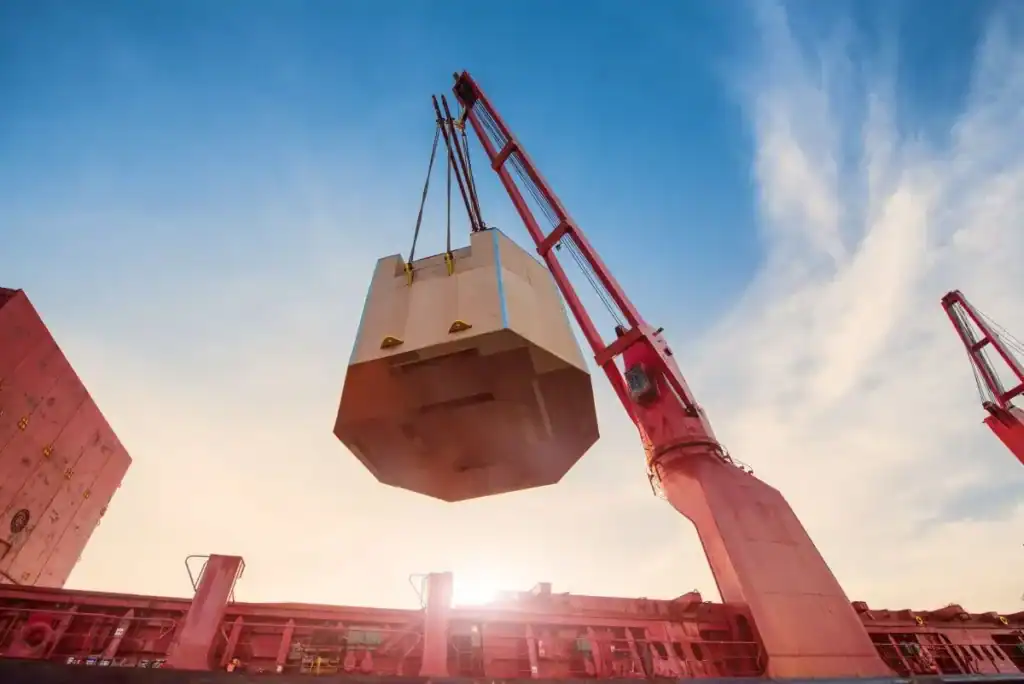
LAC™ has 25+ years of experience and offers break bulk and project cargo shipping to and from North America, South America, and the Caribbean. LAC coordinates a network of vetted carriers rather than operating its own equipment. Support covers route surveys and carrier selection, coordination of police escorts and inland transport permits when required, and real-time tracking, so one point of contact follows the piece from the first survey to the delivery site.
Conclusion
What is project cargo? It is freight that needs individual planning, crosses modes and parties, and depends on early coordination and accurate information to arrive when the project needs it. The examples differ, from transformers to modular units, but the method is the same: survey the route, match the equipment, prepare the documents, and build margin into every handoff. Each step works best when you share cargo details early.
FAQs
What qualifies as project cargo?
A practical test has three parts: the piece exceeds standard equipment size or weight, it needs special handling or permits, and it ties to a project schedule. No single threshold defines it. On the road, a common oversize reference is wider than 8.5 ft, taller than 13.5 ft, or over 80,000 lb gross, though limits vary by state or province. Pieces under those figures can still be project cargo when they need special handling or a fixed delivery date.
Is project cargo the same as heavy lift?
Related, but not identical. Heavy lift centers on a single very heavy piece that needs lifting gear and engineered rigging. Project cargo is the coordinated shipment program tied to one project, which may include several pieces, modes, and legs. Many project moves include heavy lift pieces, but not every heavy lift is part of a project program. A project program plans the lifts, the transport legs, and the timing of each piece as one sequence.
Which industries ship project cargo?
Construction, oil and gas, energy, marine, and mining are common sources, along with manufacturing. Each builds or installs equipment that is too large, heavy, or valuable to move as standard freight and must arrive in step with a site schedule. The common factor is a fixed installation date that the shipment has to serve, which is why the delivery date, not the departure date, usually drives the plan.
How long does planning take?
There is no fixed number. Time depends on permits, route and site surveys, equipment availability, and port or terminal windows, each with its own lead time. The practical rule is to start well before the ship date and plan conservatively, since project cargo logistics rarely gets faster as the deadline approaches. Sharing cargo details and the target delivery date early gives each item more room on the calendar.
Can project cargo move by air?
Sometimes, when urgency or value justifies it, and the piece fits aircraft size and weight limits. Aircraft can carry cargo only up to specific limits, so the heaviest pieces stay on ocean and ground. LAC coordinates standard air cargo and charter flights for qualifying heavy items, with suitability judged cargo by cargo and route by route. Ocean or ground usually remains the starting point, with air considered where the timeline justifies it.
What details help plan a project move?
Dimensions and weight, center of gravity if known, drawings or photos, how the piece can be lifted and secured, any special handling needs, origin and destination with site access, and the target timeline. Sharing these early lets the route survey and equipment selection start before the schedule is locked. Weight and center of gravity deserve extra care, since both shape the lifting plan, trailer choice, and required permits.