
 Request a Quote










 LAC Blog
 Export Guides
 Transport Guides
 Logistics Glossary
 Container Types & Sizes
 Incoterms 2020 Rules


Importing from Mexico is now a live question for companies that have sourced from China for years, not just a geography preference. The real comparison comes down to lead time and total landed cost, not simply factory price per unit. This guide covers what actually shifts between the two options, and where China sourcing still makes the most sense.

Lead Time Gap Explained
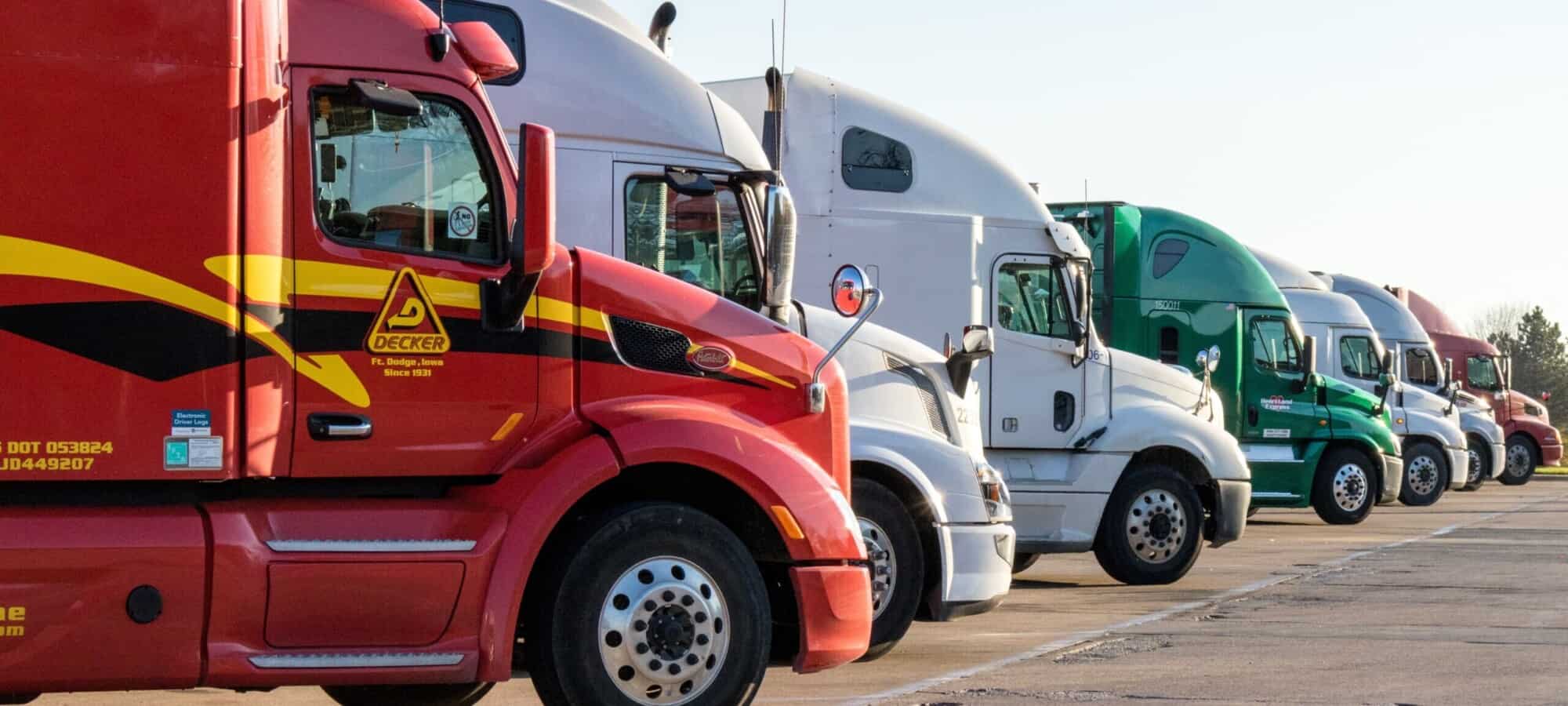
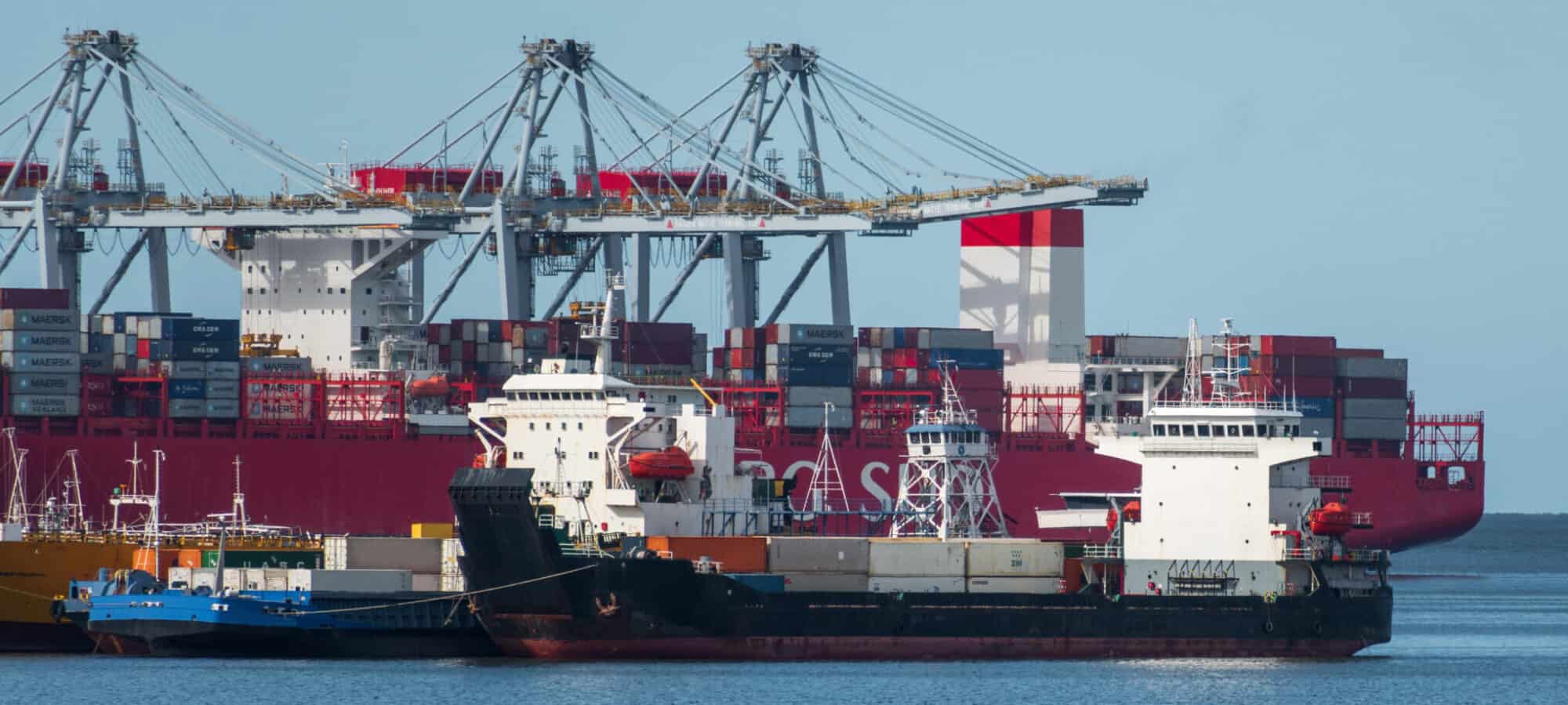
Ground transit from Mexico typically takes days, while ocean freight from China typically takes weeks, even under normal, disruption-free shipping conditions. That structural gap forces companies sourcing from China to carry more safety stock, since a longer, less predictable transit demands a larger buffer against unexpected delay. Nearshoring to Mexico shortens that buffer requirement considerably, freeing up working capital that would otherwise sit tied up in warehouse inventory.
Understanding Landed Cost Fully
Landed cost includes everything it takes to get a finished, compliant product into your warehouse, not just the factory unit price quoted by a supplier. Inventory carrying cost from longer lead times is a commonly undercounted factor in a simple price comparison between the two countries. Running the complete landed cost number, rather than unit price alone, gives a fairer picture when comparing importing from Mexico against importing from China.
Nearshoring Vs. Offshoring Basics
Nearshoring vs. offshoring comes down to production proximity to the end market, not simply which country offers the lowest quoted unit cost. Nearshoring to Mexico keeps production closer to U.S. and Canadian demand centers, shortening both the physical distance and the time freight has to travel. Offshoring to more distant regions can still make sense for certain product categories and volumes where proximity matters less than raw manufacturing scale and depth.
Where China Still Wins
China’s supplier ecosystem and manufacturing scale remain difficult to match for certain product categories, particularly those requiring highly specialized components at real volume. Very high-volume production of a stable, less time-sensitive product can still favor China on unit-cost grounds alone, even after freight and duties are factored in. The right sourcing decision depends on the specific product, its volume, and how much lead-time risk a business can reasonably absorb without disruption.
HTS Classification Shapes The Comparison
A product’s HTS classification determines which tariff treatment applies, regardless of which country actually manufactures the finished good in question. The same product sourced from Mexico versus China can face very different tariff treatment based on origin and classification considered together, not separately or in isolation. Confirming classification accuracy is a prerequisite for any fair, apples-to-apples comparison between importing from Mexico and importing from China.
Supply Chain Resilience Factors
Shorter transit routes reduce exposure to the disruptions that can affect longer ocean voyages, from port congestion to extended weather delays along the way. Some companies run a dual-sourcing strategy, splitting production between Mexico and China to diversify risk rather than depending entirely on a single origin country. Resilience considerations can outweigh a narrow unit-cost advantage for time-critical or high-stakes product lines where any delay carries real cost.
Communication And Time Zone Alignment
Shared or overlapping time zones between Mexico and North American buyers ease day-to-day supplier communication in a way distant time zones often cannot replicate. Faster back-and-forth on production questions can shorten development and troubleshooting cycles considerably when issues come up mid-run, rather than sitting unresolved overnight. For companies weighing nearshoring to Mexico, this coordination advantage is separate from, and additive to, the landed-cost comparison covered earlier.
LAC’s Mexico Sourcing Support
LAC™ has specialized in freight forwarding across the Americas for 25+ years, including ground, ocean, and air transport for companies of all sizes. LAC™ helps companies importing from Mexico organize the general shipment paperwork a move depends on, working alongside licensed customs brokers on classification and compliance requirements. LAC™ works with a wide carrier network across ground, ocean, and air, giving nearshoring shippers options beyond a single mode.
Hidden Costs Of Switching
Moving tooling, molds, or equipment to a new supplier carries a one-time cost that sits separate from the ongoing unit price comparison most companies run. Requalification testing and sample approval add real time and cost before full production can actually begin at the new Mexican facility. Running both the old and new supply chain in parallel during the transition adds temporary overhead that most simple cost comparisons miss entirely.
Dual Sourcing As Middle Path
Some companies nearshore time-sensitive or tariff-exposed product lines to Mexico while keeping high-volume, stable lines sourced from China largely unchanged for now. This split allocates risk across two countries rather than betting the entire supply chain on a single origin country and its particular exposures. Reviewing which product lines are most exposed to lead-time or tariff risk helps prioritize what to move first, and what can wait.
Evaluating A New Mexico Supplier
A supplier audit or production visit helps confirm real capability before committing meaningful volume to a new manufacturing relationship in Mexico. Quality control processes should be verified directly during that visit rather than assumed simply because the supplier sits closer to the end market than an overseas alternative. A qualified freight and logistics partner can help coordinate this evaluation alongside the broader sourcing decision itself.
Conclusion
Importing from Mexico offers a structural lead-time advantage over China, though the full landed-cost picture still depends heavily on the specific product involved. Classification accuracy, supplier qualification, and resilience needs all shape the right sourcing decision alongside that lead-time advantage, not instead of it. Companies should run the complete comparison on their own product line before shifting sourcing strategy in either direction.
FAQs
Is importing from Mexico always cheaper than importing from China?
Cost comparisons that only look at quoted unit price tend to favor whichever country ships the cheapest raw goods, which is not the same as favoring the lower actual cost. Ask a supplier or freight partner to break out transit time, inventory carrying cost, and duty treatment separately rather than folding everything into one blended number. Running that breakdown for a specific product, rather than relying on a general Mexico-versus-China rule of thumb, gives a more reliable answer.
How much shorter is the lead time from Mexico compared to China?
The lead-time advantage from Mexico varies by lane and mode, so a general days-versus-weeks comparison is a starting point rather than a number to plan around directly. Confirm actual transit times for the specific origin and destination with a provider before adjusting reorder points or safety stock targets. Building a plan around a confirmed transit time, rather than an industry average, avoids both overbuilding and underbuilding inventory buffers.
What is the difference between nearshoring and offshoring?
Start by flagging which of your products have tight lead-time requirements or change design frequently — those are the strongest nearshoring candidates. Stable, high-volume items with infrequent changes are usually fine staying put. Reviewing the catalog this way, product by product, gives a clearer starting list than trying to pick one strategy for the whole line at once.
Does HTS classification change between Mexico and China sourcing?
Confirming HTS classification correctly matters most when a company is actively comparing landed cost between two origin countries, since an incorrect classification can skew the comparison in either direction. Working with a customs broker to verify classification before running the comparison avoids basing a sourcing decision on the wrong duty assumption. Revisiting classification whenever a product changes meaningfully keeps the comparison accurate going forward.
Can a company source from both Mexico and China at the same time?
Running a dual-sourcing setup successfully depends on managing two supplier relationships with consistent quality expectations, not simply splitting volume between countries. Companies that dual source well usually standardize specifications and quality checks across both origins so the product performs the same regardless of where it shipped from. Without that consistency, dual sourcing can introduce more variability than it removes.
Do I still need a customs broker if I nearshore to Mexico?
Yes, a licensed customs broker still handles the formal entry filing required for commercial imports, regardless of whether a company sources from Mexico or China. Nearshoring changes the transit time and landed cost picture considerably, not the underlying requirement to clear goods through customs properly at entry. A broker remains a necessary part of the import process either way, for either country.