
 Request a Quote











 LAC Blog
 Export Guides
 Transport Guides
 Logistics Glossary
 Container Types & Sizes
 Incoterms 2020 Rules


Comparing heavy equipment hauling companies without a clear set of questions is how shippers end up with mismatched equipment, missed permits, and blown timelines. The right questions surface these problems before a contract is signed, not after a truck shows up unequipped for the job. This guide covers eight areas to check:
- Equipment fit
- Certifications
- Tracking
- Trailers
- Cross-border handling
- Track record
- Service model
- Pricing transparency
Specialize in Your Equipment
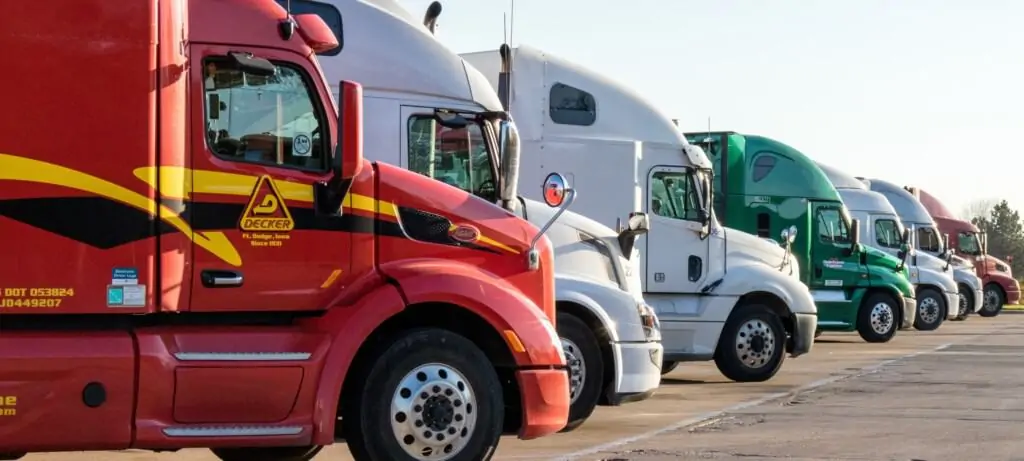
Heavy equipment hauling companies vary widely in what they have actually moved before, despite often presenting a similar general capabilities list on their website. Ask for past moves with comparable dimensions, weight, and site constraints to your own load, not just a broad category of equipment served. A carrier with direct experience on similar jobs is far less likely to hit an unexpected problem mid-route.
Confirm CTPAT Certification Status
CTPAT, the Customs-Trade Partnership Against Terrorism, is a US Customs security certification that signals a carrier meets defined supply chain security standards. Asking whether a carrier’s partners hold this certification matters specifically for cross-border loads, where security compliance affects how smoothly freight clears the border. A carrier unfamiliar with CTPAT expectations introduces a risk factor that has nothing to do with the equipment itself.
Offer Real-Time GPS Tracking
GPS, or Global Positioning System, tracking gives shippers live visibility into a shipment’s location and status throughout transit, not just at pickup and delivery. That visibility reduces the operational guesswork of coordinating a crew or job site around an expected delivery window, especially on a tight schedule. A carrier without real-time tracking leaves shippers guessing exactly when equipment will actually arrive.
Heavy Haul Trailer Types
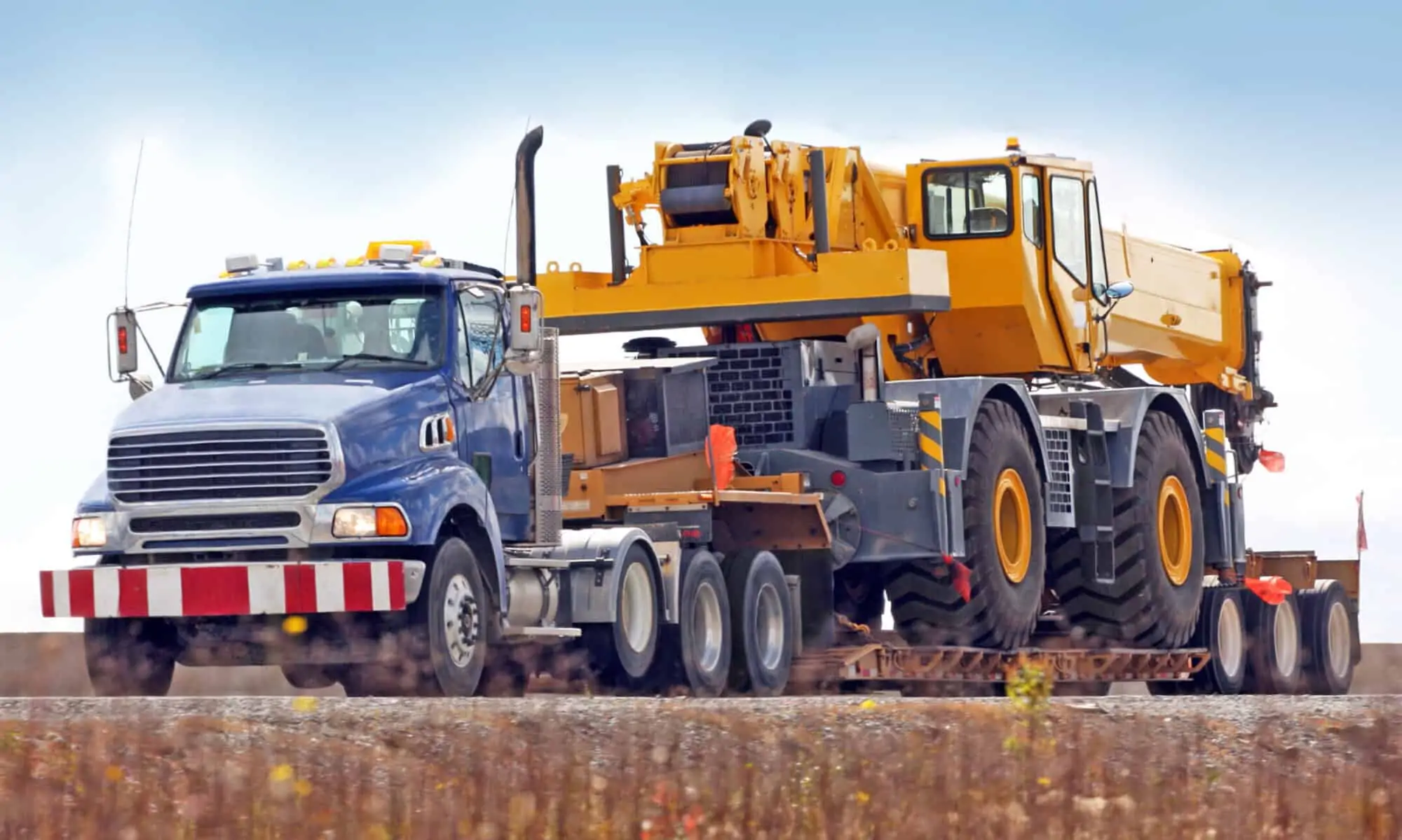
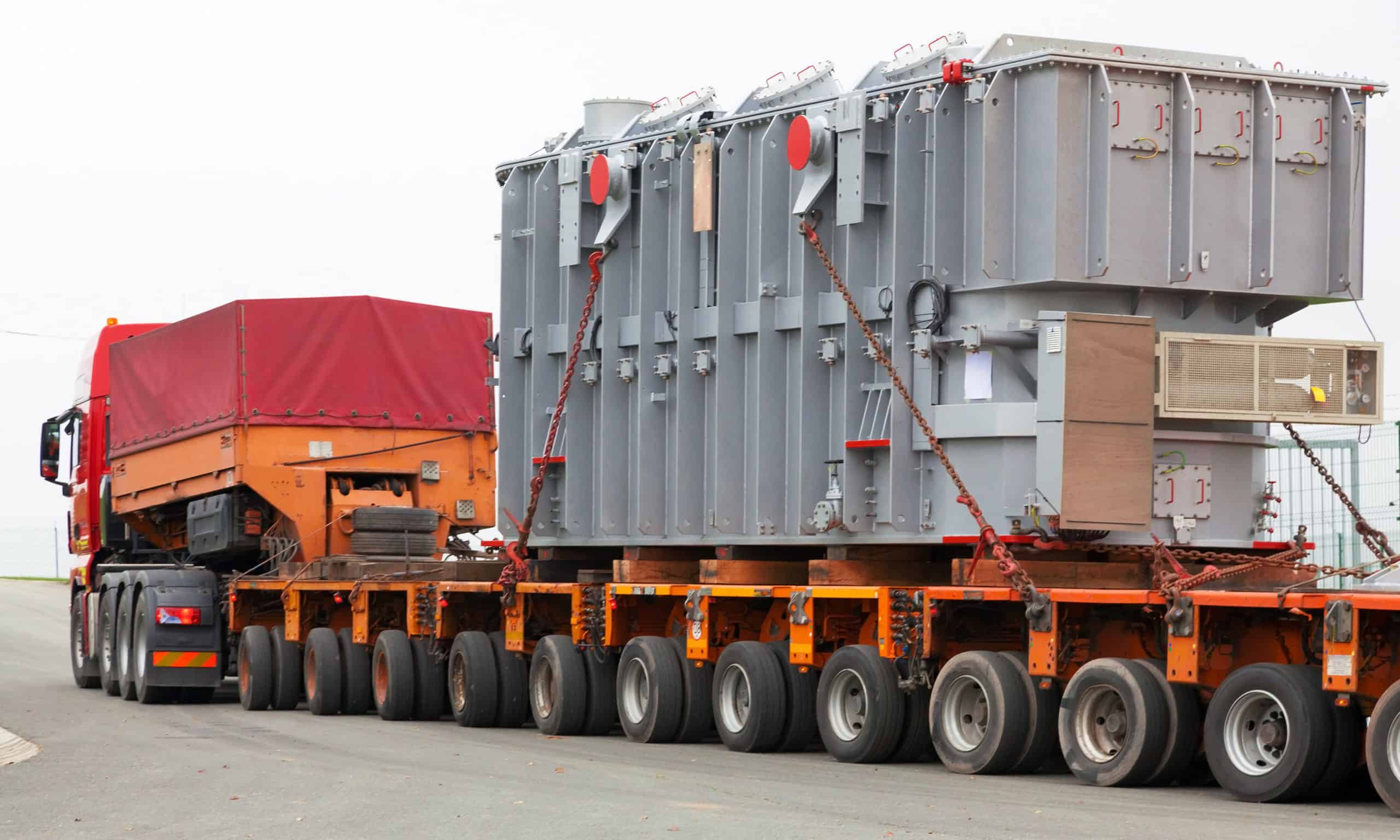
Heavy haul jobs draw on several trailer types, each suited to different load heights, weights, and loading requirements:
- Flatbed for general oversized freight
- Step deck for taller loads
- Removable Gooseneck (RGN) for wheeled and very heavy equipment
- Double drop for extra-tall, low-clearance cargo
- Conestoga, with a rigid tarp-covered frame that never touches the freight, unlike a tarped flatbed where the tarp lies directly on the load
- Lowboy for the heaviest, lowest-clearance freight
Asking which trailer type applies to your specific load before booking prevents a last-minute substitution that can delay pickup or compromise the load itself.
Handle Cross-Border Permits and Escorts
Oversize load escort requirements vary by jurisdiction, meaning a permit and escort plan that works on one side of the border may not automatically transfer to the other. A carrier unfamiliar with both sides of the border creates avoidable delays at crossing points, particularly when escort vehicles and permits are not coordinated in advance. Confirming this experience before booking protects against a costly hold right at the crossing.
Check Their On-Time Record
Ask about a carrier’s driver qualification systems and request references from businesses that have shipped equipment comparable to your own, rather than relying on marketing claims alone. A documented safety record and consistent on-time performance say more about reliability than a polished sales pitch ever will on paper. References from similar shippers reveal whether that reliability holds up under real operational conditions.

Direct Service or Transloading
Knowing whether a company runs the load directly with its own fleet, or hands it off to another carrier partway through, changes accountability if something shifts mid-move. An asset-based carrier scheduling its own equipment generally has more direct control over a specialized move than one relying on transloading. That distinction matters most when a permit, route, or site condition changes unexpectedly after the truck is already moving.
How LAC™ Moves Heavy Equipment
Latin American Cargo (LAC™) has 25+ years of experience in Flatbed and Heavy Haul trucking across the US-Mexico-Canada corridor for shippers of every size. LAC works with a network of carriers that hold memberships and certifications with trucking organizations such as the American Trucking Associations (ATA), the Canadian Trucking Alliance (CTA), and CANACAR in Mexico, and that follow Commercial Vehicle Safety Alliance (CVSA) inspection standards across all three countries. That network includes CTPAT-certified carriers and offers GPS tracking on shipments for visibility throughout the move. LAC’s bicultural LATAM team supports cross-border heavy equipment moves from start to finish.
Ask How Pricing Works
Heavy haul freight is typically priced load-by-load rather than off a flat published rate, since dimensions, weight, and route complexity all factor into the quote. Ask how a company builds an oversize load quote and what factors it actually accounts for, so you can compare heavy equipment hauling companies on the same basis. A single headline number rarely tells the full story behind what a specialized move actually costs.
Confirm Included Insurance Coverage
Confirming what a carrier’s insurance actually covers, and whether that coverage matches the value and weight of your equipment, prevents a costly gap discovered only after damage occurs. Some policies cap coverage well below the replacement value of specialized equipment, which is not always obvious from a general summary. Asking for the specific coverage limits in writing, before booking, closes this gap before it becomes a problem.
How They Handle Changes
Equipment moves rarely go exactly as planned, so ask who your point of contact is if a permit, route, or site condition changes after the truck is already en route. A single, defined point of contact with a clear escalation process prevents confusion during a change, rather than leaving a shipper unsure who to call. This question reveals more about a carrier’s actual operational maturity than almost any other on this list.
Conclusion
Comparing heavy equipment hauling companies comes down to asking about equipment fit, certifications, tracking, trailer availability, cross-border handling, track record, service model, and pricing approach. Each question uncovers a different risk that a general capabilities list alone will not reveal before a contract is signed. Preparation, more than any single answer, is the common thread that separates a smooth heavy haul move from a costly one.
FAQs
How do I know if a carrier has the right equipment for my load?
Verifying a carrier’s claimed experience matters as much as asking about it, since anyone can list capabilities without documented proof behind them. Request references or documentation tied to a specific past move rather than accepting a verbal assurance at face value. A carrier confident in its track record usually has no trouble providing that kind of detail on request.
Should I request quotes from multiple heavy haul carriers?
Yes. Since load-by-load pricing depends on dimensions, weight, and route, ask each carrier to itemize how they arrived at their number rather than comparing headline totals alone. Two quotes that look similar on the surface can differ significantly once permit handling, escort costs, and equipment type are broken out.
Is my heavy haul company a carrier or a broker?
Asking directly whether a company owns and operates its own equipment, or arranges the move through another carrier, is the simplest way to get a clear answer to this question. That answer should also shape what to expect in a service agreement, since accountability and points of contact often differ between the two models. Getting this clarity before booking avoids confusion later about who is actually responsible for the move.
What driver qualifications should a heavy haul company have?
A vague or evasive answer about driver qualifications is often a bigger warning sign than any specific gap in the qualifications themselves. A company confident in its driver standards can usually describe its process clearly and without hesitation. Treating that clarity, or the lack of it, as part of the evaluation helps separate a well-run operation from one making assumptions about its own standards.
Who manages my shipment if plans change mid-move?
Getting the escalation process in writing before booking, rather than relying on a verbal assurance, protects against confusion if a change actually happens mid-move. Ask specifically what happens after hours or on a weekend, since that is often when the process breaks down in practice. A carrier that has already documented this process tends to handle real disruptions more smoothly than one improvising in the moment.
Why do heavy haul carriers require specific trailer types?
Using the wrong trailer type for a load can create a real safety and compliance problem, not just an inconvenience, since height and weight limits are tied to the trailer’s design. Confirming the assigned trailer type against your equipment’s actual specifications, rather than assuming the carrier got it right, catches a mismatch before pickup day. This check takes only a few minutes and can prevent a costly delay or rejected load at the site.