
 Request a Quote











 LAC Blog
 Export Guides
 Transport Guides
 Logistics Glossary
 Container Types & Sizes
 Incoterms 2020 Rules


Businesses learning how to export to Mexico for the first time often lose real time and money to the same small set of repeated mistakes. This guide covers seven common errors: customs brokers, classification, filings, documentation, restricted items, insurance, and carrier selection. Avoiding them starts with knowing where shipments actually go wrong before the freight ever leaves the dock.
Skip the Customs Broker
Shippers new to how to export to Mexico often assume a customs broker is optional, something to add later if problems come up. In reality, a Mexican customs broker manually verifies compliance at entry, checking documentation and classification against Mexican Customs Bureau requirements before goods are released. Skipping that relationship increases the odds of detention, since nothing catches an error before it reaches the border.
Misclassify Goods Under HS Codes
Harmonized System (HS) code classification assigns each product a specific tariff code that determines duty rates and regulatory treatment at the border. Generic or guessed codes are a common first-time error, often applied when a shipper assumes a close match is good enough for customs purposes. Because classification accuracy directly affects duty calculation and audit risk, it connects back to nearly every other documentation error on this list.
Miss Your AES Filing Deadline
AES filing requirements apply to US-origin shipments, requiring exporters to file through the Automated Export System before freight can legally cross the border. Canadian exporters instead work through a separate B13 export declaration process, which serves a similar function but follows its own filing rules and deadlines. Missing either filing creates carrier loading delays, since freight cannot move without the corresponding export declaration on file.
Skip the Export Documentation Checklist
An export documentation checklist matters because incomplete paperwork is a leading cause of Mexican customs rejection among first-time shippers. Correct HS code classification feeds directly into that checklist, since several required documents reference the classification assigned to the shipment. One missing form, even a minor one, can stop an otherwise fully compliant shipment at the border and trigger further delay.

Ignore Restricted Export Items
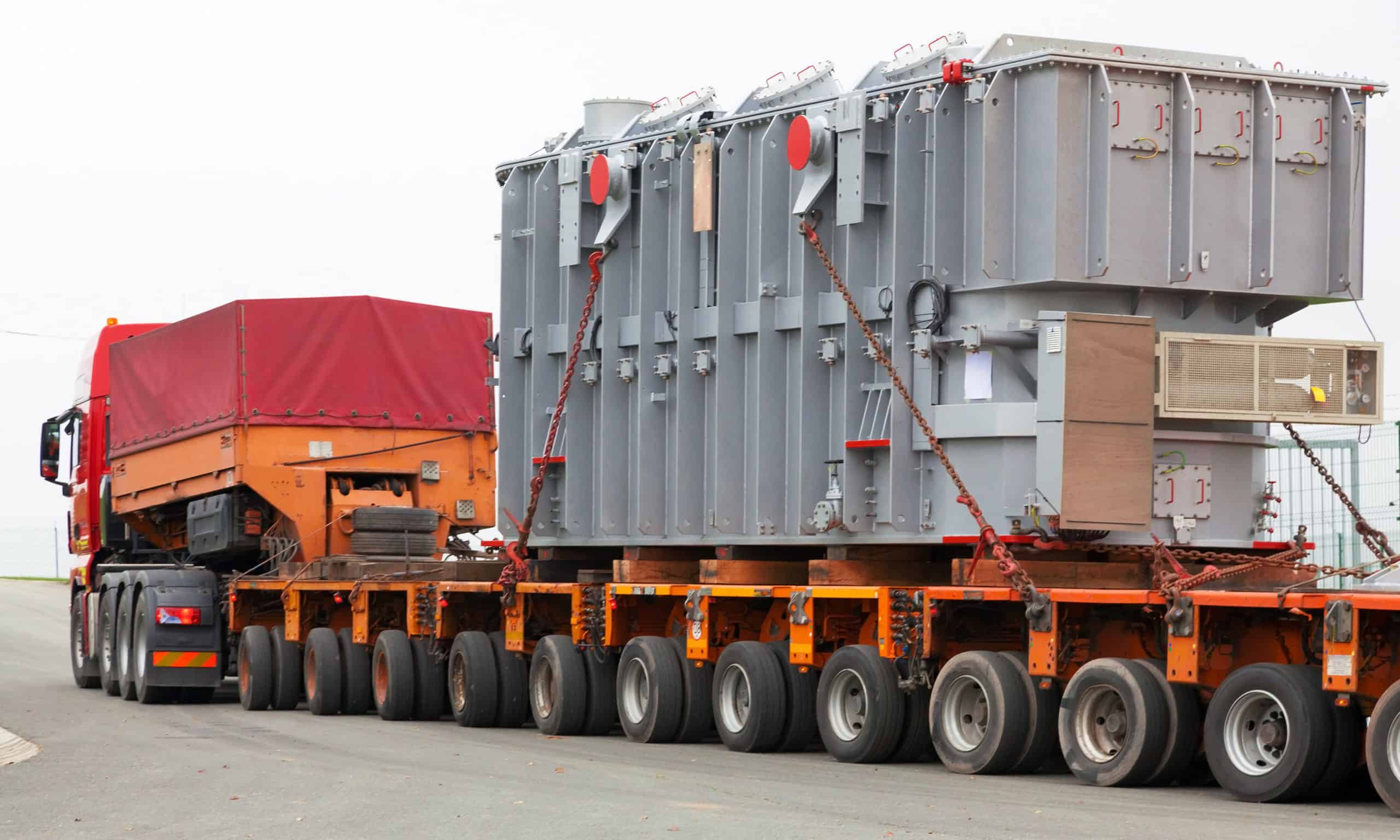
Not every commercial good clears the border freely, and assuming otherwise is a common mistake among first-time exporters moving freight to Mexico. Certain categories, such as heavy machinery, require prior authorization or special permits before they can legally cross, regardless of how routine the shipment otherwise seems. Confirming restrictions before booking freight prevents a last-minute rejection that can stall an entire shipment at the border.
Skip Cargo Insurance Coverage
Cargo insurance protects against loss or damage during a multi-leg, cross-border move, where freight often changes hands, trailers, or transfer points along the way. First-time exporters often treat insurance as optional, assuming a compliant shipment with proper documentation is inherently low risk once it clears customs. That assumption ignores the physical handling risk that exists independent of paperwork, which insurance is specifically designed to cover.
Choose an Inexperienced Carrier
Cross-border experience matters more than price when selecting a carrier for freight moving into Mexico, even though price is often the deciding factor for first-time shippers. A carrier unfamiliar with Mexican border crossings, bonding requirements, and documentation handoffs introduces operational risk that a lower rate rarely offsets. Working with an experienced freight forwarder for Mexico-bound shipments reduces that risk considerably, particularly for a first-time move.
How LAC™ Simplifies Exporting
Latin American Cargo (LAC™) has 25+ years of experience moving cross-border freight along the US-Mexico-Canada corridor for shippers of every size. That experience reflects sustained standing within the freight forwarding industry, built through years of handling Mexico-bound shipments. LAC’s bicultural LATAM team supports shippers learning how to export to Mexico and avoid the documentation and classification mistakes covered throughout this guide.
Miss Commercial Invoice Details
A compliant commercial invoice for export includes an accurate product description, quantity, value, and the HS code classification assigned to each line item on the shipment. It pairs directly with a certificate of origin, which supports any preferential tariff treatment the shipment may qualify for under an applicable trade agreement. Classification errors often surface here first, since the invoice is typically the first document customs officials actually review.
Misunderstand Incoterms and Costs
Unclear Incoterms selection creates disputes over who actually pays duties, insurance, and inland freight, all of which factor into the shipment’s true landed cost. Different terms shift that responsibility between buyer and seller in ways that are not always obvious without a close reading of the agreed terms. Confirming Incoterms before booking freight prevents a surprise landed cost from appearing after a shipment is already committed and moving toward the border.
Underestimate Customs Clearance Delays
First-time shippers learning how to export to Mexico often build no buffer into their delivery timelines, assuming customs clearance will happen exactly as scheduled. Clearance timing varies by port and shipment type, but discrepancies can extend it considerably without warning. Documentation completeness is one of the biggest levers a shipper has over clearance speed, more than carrier choice or shipment size.
Conclusion
Learning how to export to Mexico successfully comes down to a handful of recurring factors: broker relationships, accurate classification, complete filings, and full documentation. Each of the seven mistakes above traces back to one of these fundamentals, rather than being an isolated, unrelated error unique to a single shipment. Preparation, more than experience or shipment size, is the common thread that separates a smooth first export from a costly one.

FAQs
Do I need a customs broker to export to Mexico?
Choosing a customs broker with direct experience in the specific product category being shipped often matters more than choosing the cheapest quote available. A broker familiar with a product’s classification history can move faster through recurring issues than one encountering the product for the first time. Asking a prospective broker about experience with similar shipments before committing helps avoid delays tied to an unfamiliar learning curve.
What happens if my shipment is missing documentation at the Mexican border?
When documentation is missing at the Mexican border, customs typically issues a rejection notice rather than allowing the shipment to proceed as originally scheduled. The shipper or their broker must then correct the error or supply the missing documents before the shipment is permitted to continue. This process can add significant time to a shipment that would otherwise have cleared without any delay at all.
How long does it take for freight to clear Mexican customs?
Clearance timing is easiest to plan around when a shipper builds a range into customer-facing delivery commitments rather than promising a single fixed date. Sharing that range upfront, rather than adjusting expectations after a delay already happened, keeps a customer relationship on solid footing. Tracking how often a specific lane or product type runs into clearance issues over time helps refine that range further.
Are there restrictions on what I can export to Mexico?
Confirming whether a specific product is restricted usually starts with checking its HS code against current Mexican import requirements before a shipment is booked, not after. A customs broker or experienced freight forwarder can usually confirm restriction status quickly for a given product and classification. Building that check into the standard pre-booking process avoids finding out about a restriction only once freight is already in transit.
What is the difference between an exporter and a customs broker?
An exporter is the party actually shipping goods, responsible for the underlying transaction, the product itself, and the commercial terms of the sale. A customs broker is the licensed professional who manages classification, filings, and clearance formalities on the Mexican side of the transaction. The two roles are distinct but work closely together throughout the export process, particularly around documentation and classification.
Why do first-time exporters face the most delays?
The gap between a first-time exporter and an experienced one usually narrows quickly once a shipper has worked through a handful of shipments on the same lane with the same broker. Documenting what went wrong on each early shipment, rather than treating each one as a one-off, speeds up that learning curve considerably. Shippers who skip that review tend to repeat the same avoidable errors longer than necessary.