
 Request a Quote









 LAC Blog
 Export Guides
 Transport Guides
 Logistics Glossary
 Container Types & Sizes
 Incoterms 2020 Rules


Cross-border trucking between Canada and Mexico is a longer, more complex decision than a typical Canada-US move, since it covers a much greater distance and crosses two international borders rather than one. This guide compares Less-Than-Truckload (LTL) and Full Truckload (FTL) specifically on this extended lane, then walks through the carrier criteria and documentation this considerably longer route genuinely demands from shippers.

Why This Is Long-Haul
A Canada-Mexico shipment covers far greater overall distance and crosses two borders, unlike a typical Canada-US move that involves just one crossing and considerably less total mileage. That combination of added distance and border count shapes the Less-Than-Truckload versus Full Truckload decision quite differently here than it typically would on a comparatively shorter, single-border lane. Distance alone compounds consolidation delays in ways that barely register on a shorter, regional, single-border route when compared directly.
LTL vs FTL Long Lanes
On shorter lanes, the gap in transit time between Less-Than-Truckload and Full Truckload is often fairly marginal and easy to overlook entirely when choosing a mode. On a Canada-Mexico lane, Less-Than-Truckload’s added consolidation and cross-dock stops compound noticeably over the extended distance, widening the gap considerably compared to a direct Full Truckload move. That widening gap matters considerably more the longer the lane runs and the more genuinely time-sensitive a given shipment actually is.
Consolidation and Transload Options
Less-than-truckload freight on this particular lane typically moves through a hub-and-spoke network, consolidating with other shippers’ freight at terminals scattered along the route. Transload facilities positioned strategically near each border can shift freight between carriers when a single carrier does not operate the entire route from origin to destination. This structure adds meaningful flexibility but also introduces considerably more handling points than a straightforward single-carrier move would typically require overall on any given lane.
When Transloading Adds Value
Transloading adds a handling step but can meaningfully broaden carrier options at each border, which is genuinely useful when a single carrier does not operate the full Canada-through-Mexico route end-to-end. On a lane this long, insisting on just one carrier for the entire journey can actually limit available capacity. Accepting a transload at one or both borders often offers more scheduling flexibility than waiting for a single direct carrier.
Choosing a Trilateral Carrier
Look for a carrier or freight forwarder with documented experience moving freight across all three countries, not just two, since two-country experience does not automatically translate cleanly to the third leg. Trilateral coverage reduces the total number of handoffs and points of potential miscommunication along the route considerably. A provider that has actually managed this specific Canada-Mexico corridor before, rather than assembling coverage together ad hoc, is generally the safer, more genuinely reliable choice for shippers.
CUSMA Compliance Basics Explained
The United States-Mexico-Canada Agreement (USMCA) — known as CUSMA in Canada and T-MEC in Mexico — can reduce or eliminate duties for qualifying goods moving between the three countries regardless of transport mode. Compliance starts with confirming your goods actually meet the applicable rules of origin before shipping, not after a shipment is already in transit. This is not automatic; it depends heavily on the specific product involved and where its content and production genuinely originate.
Documentation Across Three Countries
Expect to prepare a commercial invoice, a bill of lading, and, where CUSMA benefits are being actively sought, a valid certificate of origin supporting the claimed preferential treatment. Documentation is carefully reviewed at each of the two border crossings on this route, not just once at the start. Keeping paperwork fully consistent across both reviews, rather than treating them as two separate, disconnected one-off events, meaningfully reduces the overall risk of delay.
LAC™ FTL and LTL Networks
LAC™ has arranged Full Truckload and Less-Than-Truckload trucking across all three countries for 25+ years, working with a carrier network that includes many C-TPAT-certified partners and GPS-tracked carriers for added security, visibility, and accountability on every shipment. That network gives Canada-Mexico shippers both dedicated Full Truckload capacity and consolidated Less-Than-Truckload options on a single connected lane, backed by a bilingual coordination team experienced with the documentation this specific two-border route requires from start to finish.
Matching Mode to Cargo Size
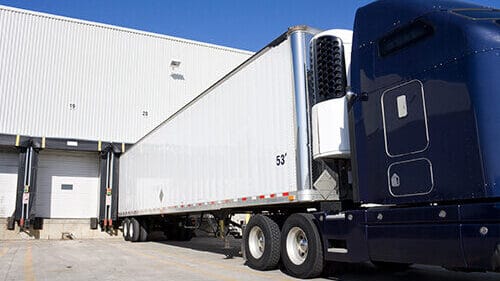
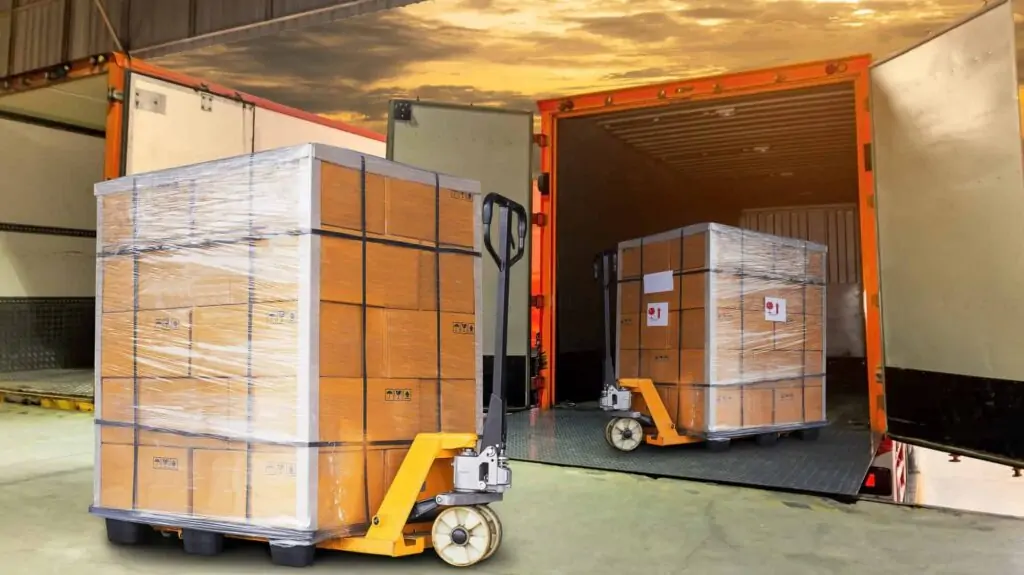
A small handful of pallets typically suits Less-Than-Truckload consolidation quite well, especially for shippers who do not move enough consistent volume to justify a dedicated trailer regularly. Cargo approaching a meaningful share of overall trailer capacity is usually better served by Full Truckload, especially given the added distance and two-border complexity on this specific lane. There is no fixed universal threshold here, but the underlying calculation genuinely shifts somewhat compared to a shorter, single-border route.
Avoiding Multi-Border Delay Risk
Because clearance occurs twice on this route, a single error caught at the first border can delay the entire shipment before it even reaches the second crossing further along the route. Consistent, carefully pre-verified documentation across both legs is genuinely the biggest single risk reducer available to shippers on this lane. Reviewing paperwork carefully and thoroughly once before departure, rather than fixing issues reactively at each border, prevents most avoidable delays.
Planning the Full Route
Plan carefully around your specific origin and the exact border crossings your freight will actually use, rather than relying on generic transit-time estimates that may not reflect your particular lane. A route-specific plan, confirmed directly with your carrier or freight forwarder well in advance, is considerably more reliable than a generic estimate based on industry averages. This matters considerably more on a two-border lane like this one than it typically does on a shorter, simpler route.
Conclusion
Cross-border trucking between Canada and Mexico generally favors Full Truckload for larger or genuinely time-sensitive loads, and Less-Than-Truckload for smaller, more flexible shipments that do not justify a dedicated trailer. Trilateral carrier experience reduces risk considerably either way, since documentation and coordination challenges compound noticeably across two borders rather than just one. Matching mode to actual shipment size and genuine urgency, while confirming real trilateral experience, is what keeps this longer, more complex lane moving predictably overall.
FAQs
Is FTL always faster than LTL on Canada-Mexico routes?
Generally yes, since Full Truckload avoids the added consolidation stops that add time to a Less-Than-Truckload shipment moving through a hub-and-spoke network. But the actual time difference depends on the specific lane involved, the carrier’s current capacity, and how many transload points the Less-Than-Truckload routing requires along the way. On some routes, the resulting gap is genuinely significant; on others, it is more modest, depending on overall network density and coverage.
Does Canada-Mexico freight need to clear customs twice?
Yes, in nearly all cases. Freight clears customs at the Canada-US border first, then again at the US-Mexico border further along the route, since it passes through two entirely distinct customs jurisdictions on its way south to Mexico. Each clearance point has its own documentation review and distinct potential for delay, which is a key reason this particular lane genuinely behaves differently from a typical single-border shipment overall.
What is CUSMA and does it apply to trucking?
CUSMA is the trade agreement governing all Canada-US-Mexico commerce, known as USMCA in the United States and T-MEC in Mexico; all three names refer to the exact same underlying trade agreement. It applies to qualifying goods regardless of transport mode, including trucked freight moving specifically on this Canada-Mexico corridor, provided the shipment’s rules-of-origin requirements are genuinely met and properly documented well before the shipment actually reaches either border.
How many border crossings does a Canada-Mexico shipment cross?
Typically two crossings in total: one from Canada into the United States, and a second, entirely separate crossing from the United States into Mexico further along the route. Each crossing has its own distinct clearance process and documentation checkpoint, meaning a given shipment effectively faces two distinct opportunities for delay, rather than the single opportunity a typical Canada-US or US-Mexico-only shipment would face.
What is a transload facility?
A transload facility is a specific physical location, often positioned strategically near a border crossing, where freight is transferred entirely from one carrier’s trailer to another carrier’s trailer. It is commonly used when a single carrier does not run the full route from origin to final destination directly, allowing the overall shipment to keep moving smoothly even when no single carrier reliably covers the entire Canada-Mexico corridor end to end.
How far in advance should I book Canada-Mexico freight?
Given the added distance, two separate border crossings, and thorough documentation review required at each individual one, booking further ahead than a typical single-border shipment genuinely helps avoid capacity and scheduling constraints later on. This is especially true during busier seasonal periods, when trucking capacity across all three participating countries tightens simultaneously, making last-minute bookings on this specific lane considerably harder to secure reliably in advance.