Request a Quote










 LAC Blog
 Export Guides
 Transport Guides
 Logistics Glossary
 Container Types & Sizes
 Incoterms 2020 Rules


TL;DR
- An RGN load is typically tall, heavy, drivable machinery that cannot travel on the highway.
- Common examples include excavators, dozers, wheel loaders, pavers, and telehandlers.
- Capacity varies by model and load basis; the assigned trailer’s specification always controls.
- Generators, tanks, and crane components can ship on an RGN with a loading plan.
- Palletized and standard-height freight usually suits a flatbed or step deck instead.
Which machines make a good RGN load, and which belong on another trailer? RGN stands for removable gooseneck, and the answer depends on how a piece gets onto the deck, its height and weight, and the route. This guide covers equipment examples, tracked and wheeled considerations, weight and height limits, securement basics, and planning details that keep a move on track.
Load Fit Criteria for RGN
What can you haul on an RGN trailer? Start with three questions. Can the machine move under its own power, even if it is not rated for highway travel? Is it tall enough that a standard or step deck would push the load height toward the limit? Is it heavy enough to need a multi-axle configuration? Mining, farm, and construction equipment often answers yes to all three, which is why it is the classic RGN load.
Self-Propelled Equipment Examples
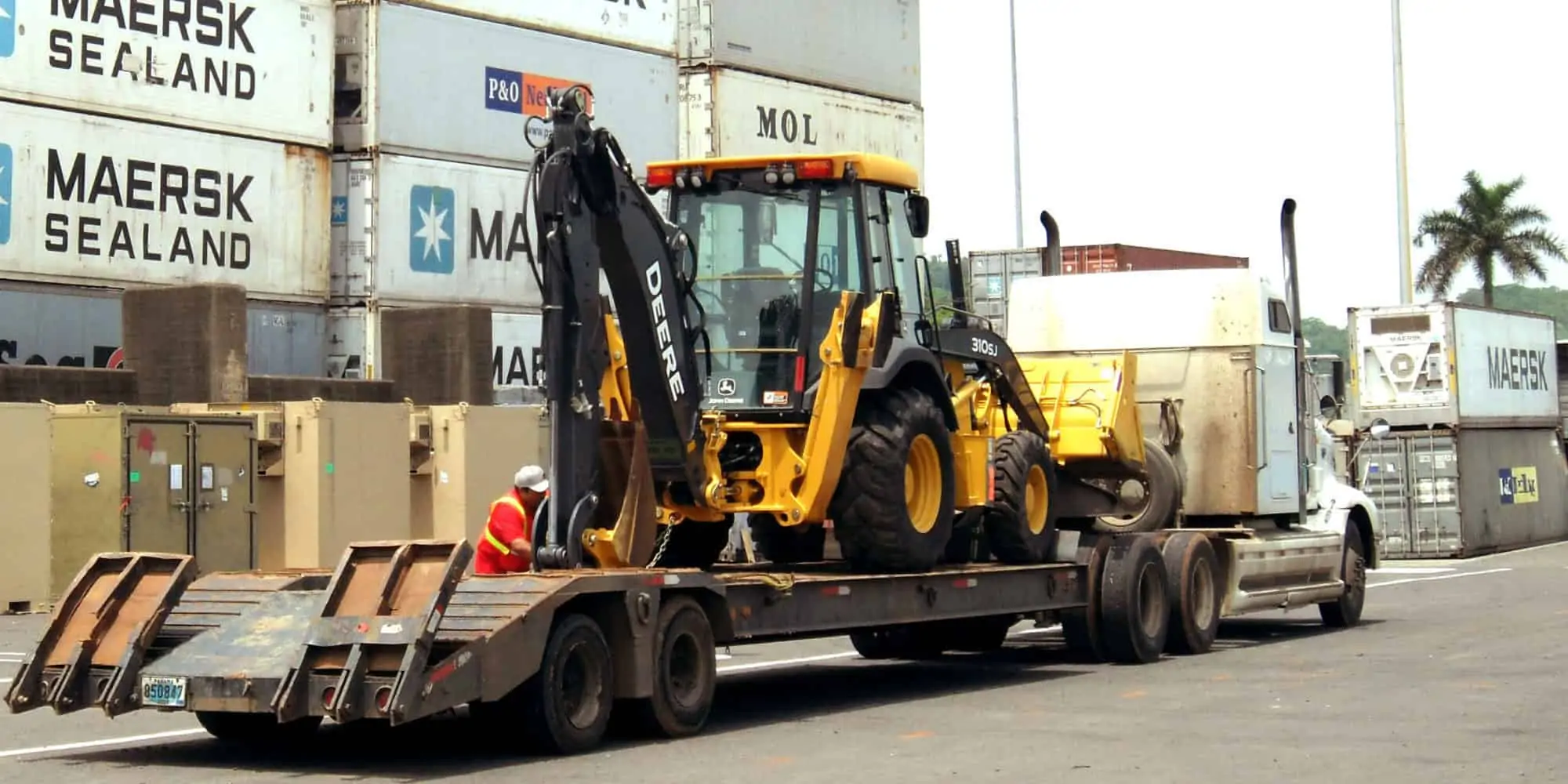
Equipment that ships on an RGN trailer under its own power includes:
- Excavators, dozers and wheel loaders
- Pavers, rollers and milling machines
- Telehandlers, boom lifts and scissor lifts
- Tractors, backhoes and articulated trucks
An excavator on an RGN trailer is a common example, because tracked models can drive onto the lowered deck and the low deck helps keep the load within height limits.
Crane-Loaded Freight on RGN
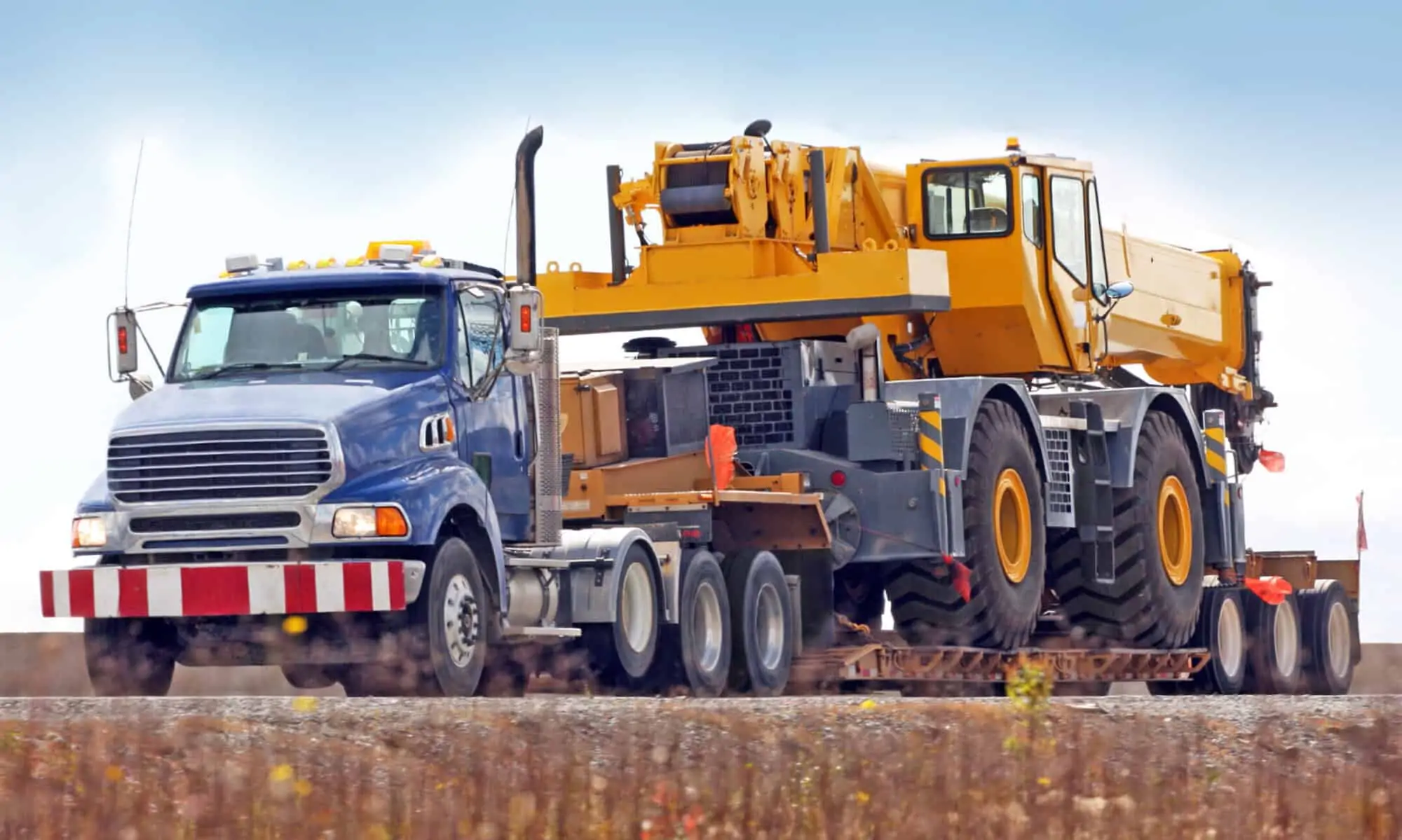
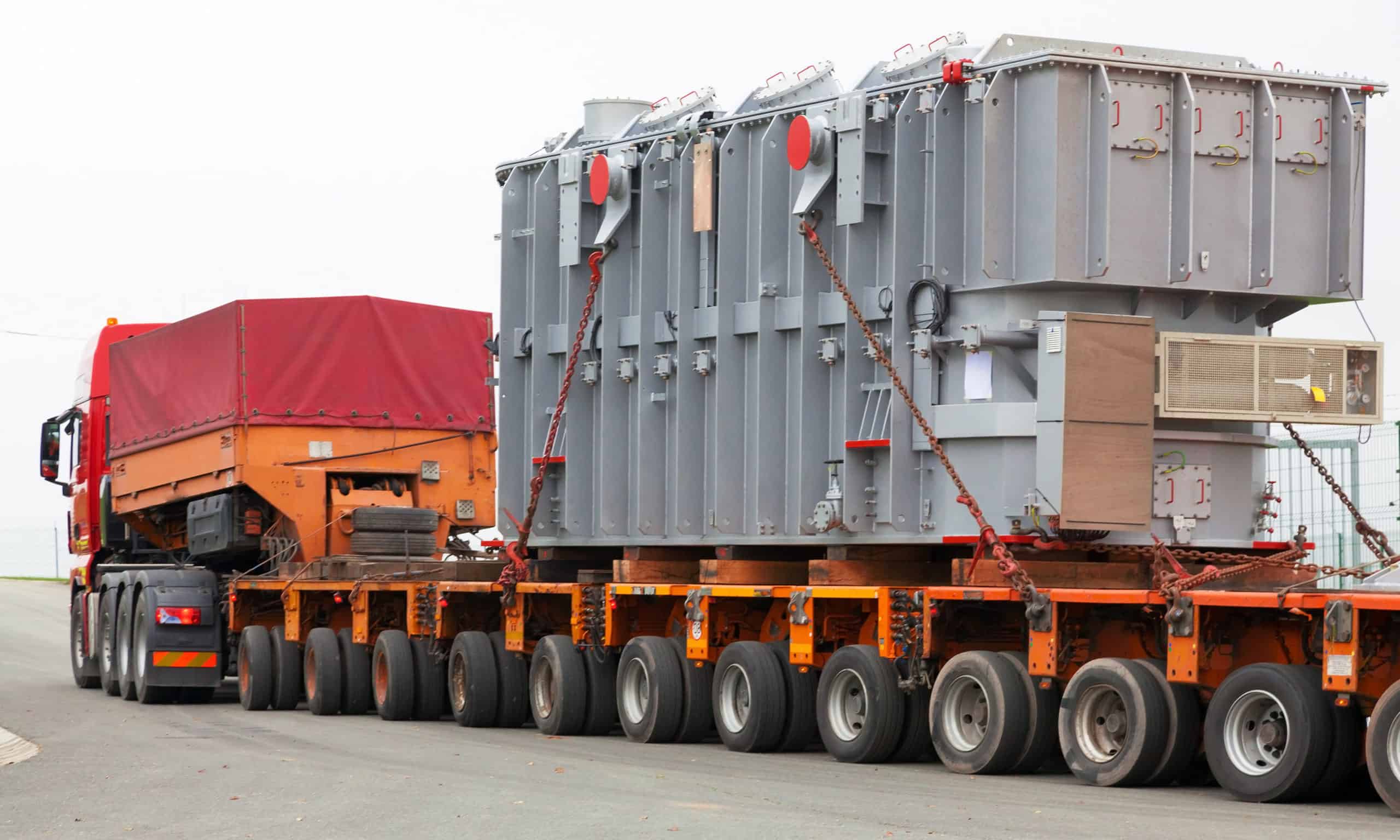
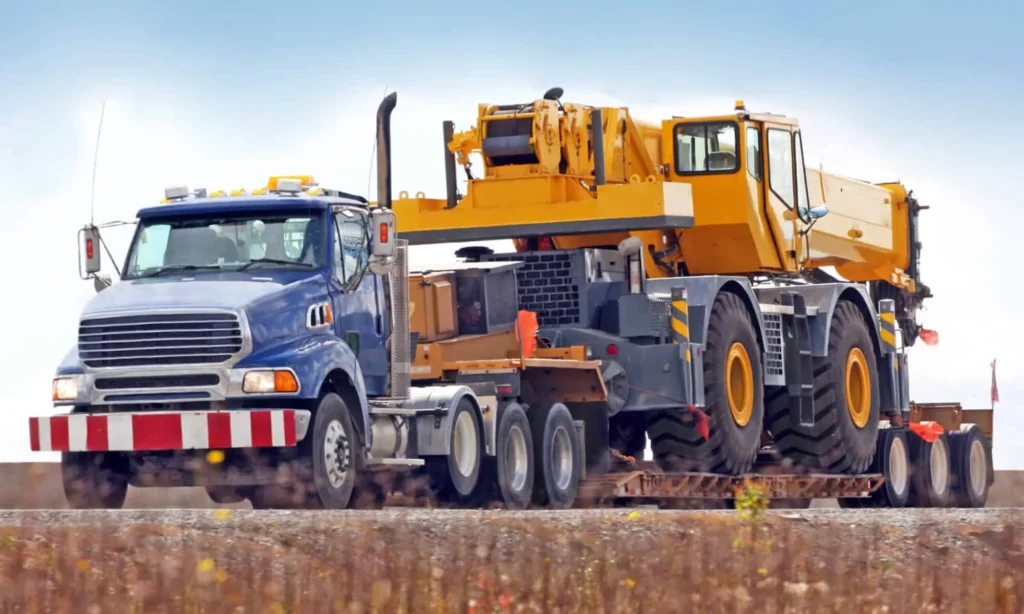
Not every RGN load can drive on. Large generators, industrial tanks, and crane components are listed as RGN cargo, yet none move under their own power. Freight like this needs a loading plan agreed in advance. Options include winching the piece up the lowered deck or using lifting equipment at both ends. The method depends on the freight and the site, and an RGN is not limited to crane loading.
Tracked Machinery Considerations
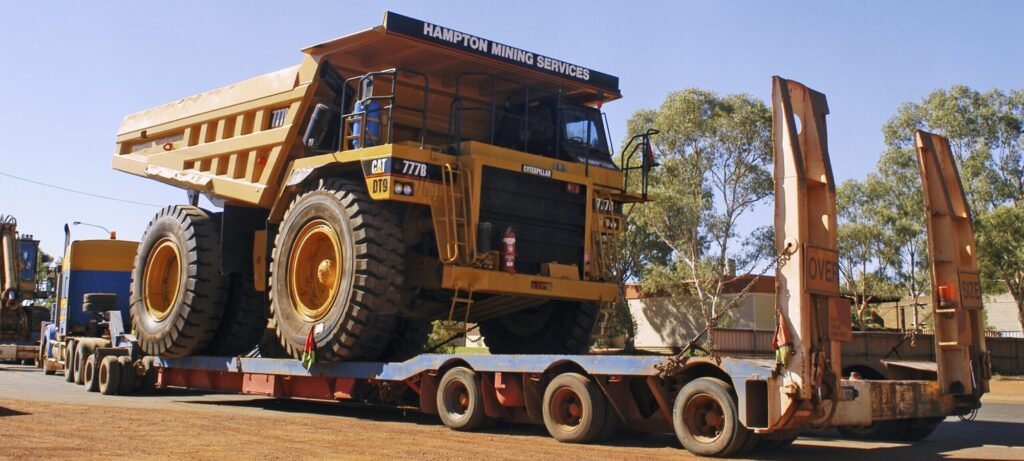
Tracked machines such as drills, mining shovels and dozers suit drive-on loading, since the tracks climb the shallow angle without help. Two checks matter. First, compare the point loads from the tracks against the deck rating, because weight concentrates along two narrow strips rather than spreading across the floor. Second, secure the machine at multiple corners and block the tracks so the unit cannot creep, often called track walk, during transit.
Wheeled Equipment Considerations
Wheel loaders and wheel excavators can be transported on RGN trailers, and they usually drive on just as easily. The difference is that wheeled cargo can roll. Anything that can roll must be held with wedges, chocks, or other means, with chains added on top. Axle loads matter as well as total weight, since a heavy front axle can concentrate force on one part of the deck. Share both figures with the carrier.
RGN Trailer Weight Limits
The RGN trailer weight limit is not one number. Capacity depends on model, axle count, and whether the load is concentrated or distributed, and the deck height is about 18 to 24 in. Beyond the trailer rating sit the road rules. Commonly cited oversize reference points are over about 8.5 ft wide, over about 13.5 ft tall, or over 80,000 lb gross. These limits vary by state or province, so the route decides what counts as legal.
Freight Better on Other Trailers
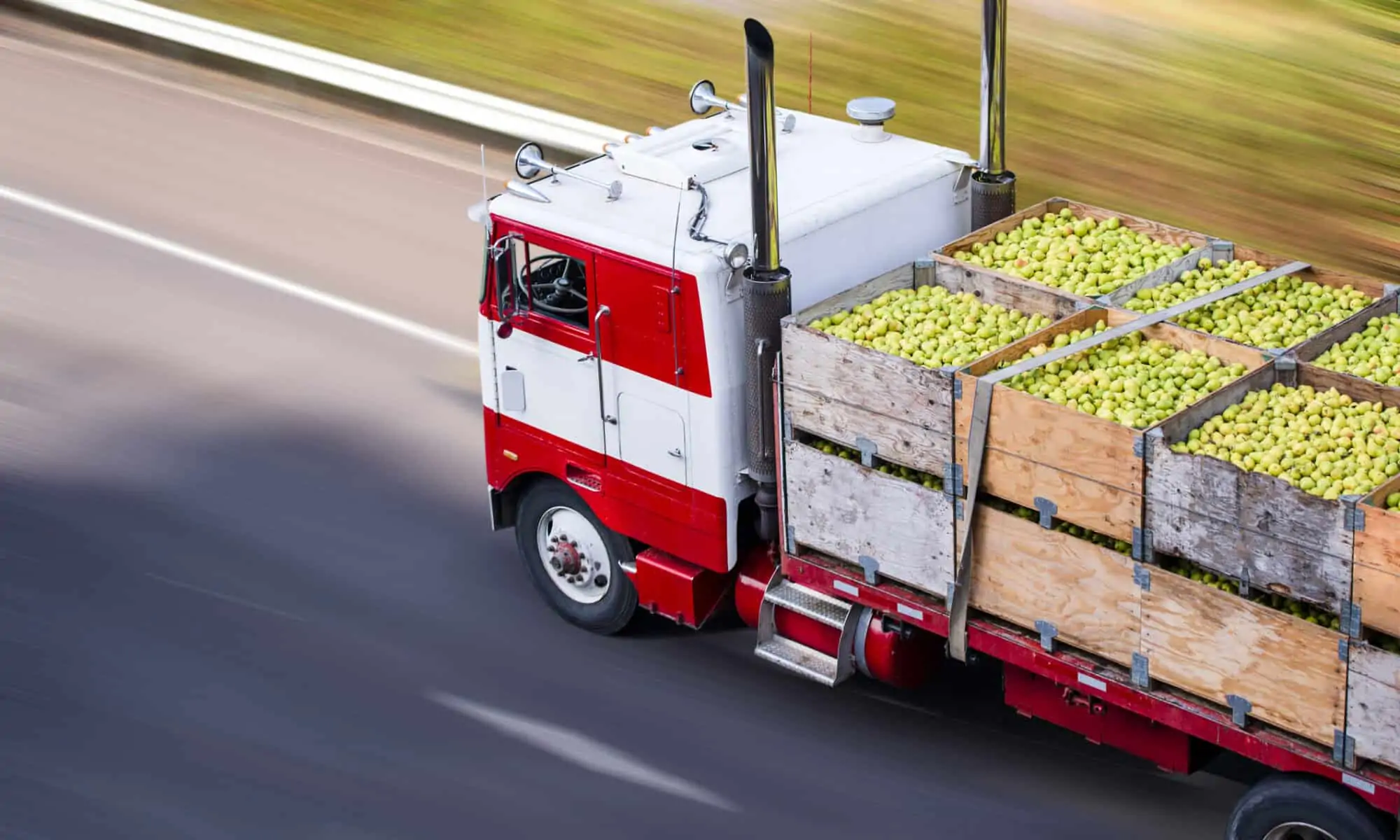
The question of what you can haul on an RGN trailer has a flip side, because some loads do not need one. Lighter machines and palletized freight can suit a step deck, loaded with ramps or a forklift. Standard-height freight can ride on a flatbed. A double drop offers a low center deck for tall pieces, and a Conestoga uses a tarp that rides on a frame and never touches the freight, unlike a tarped flatbed.
Securement Basics
RGN trailer load securement starts with rated chains or straps attached at approved tie-down points on both the machine and the deck. Immobilize attachments such as buckets, blades, and booms separately, since they can shift independently of the main body. U.S. interstate machinery at or above 10,000 lb needs at least four tie-downs, front and rear. Drivers inspect within the first 50 miles, then periodically. Confirm that the plan matches the carrier’s standard.
Planning an RGN Shipment
Three checks shape every RGN shipment. First, total loaded height, measured from the road surface to the highest point of the machine as it will be hauled. Second, axle weights, not just the gross figure, since distribution affects both the trailer and permit review. Third, confirm the footprint against the deck length, so the machine fits within the lowered deck without overhanging the neck or rear section. Measure as hauled and confirm route limits before booking.
Working With Carriers
Before booking, confirm in writing the trailer configuration, loaded deck height, axle setup, and route permit plan. Not every RGN is the same, and a well that is a few feet shorter than expected can change the plan. Share photos, dimensions, weight, and site access early, including gate widths and ground conditions at pickup and delivery. The more specific the information, the more accurately the carrier can match equipment to the RGN load.
Load Planning Support From LAC
LAC™ has 25+ years of experience serving commercial and B2B shippers across the Americas. LAC coordinates a network of vetted carriers, matching equipment and lane expertise to each shipment. Ground freight includes flatbed and heavy haul, with bilingual English and Spanish support, so shippers on either side of a border can share load details and site requirements in their preferred language.
Conclusion
An RGN load fits when three things line up: how the piece enters the trailer, its size and weight, and the route it will travel. Drivable machinery, tracked or wheeled, is the natural fit, while generators, tanks, and components can move with a loading plan. Everything else deserves a check against step deck and flatbed options first. Measuring the machine as hauled keeps that decision grounded in real numbers.
FAQs
What equipment ships on an RGN?
Mining, farm, and construction equipment leads the list, with pipelayers, combine harvesters, and off-highway trucks among the examples cited by carriers. The common thread is machinery that is drivable but not rated for the highway, or too tall for a higher deck. Fit still depends on the specific trailer and the route it will travel. A machine near the top of the weight range may also need a configuration with more axles.
Can an excavator move on an RGN?
Yes. Excavators are commonly listed as RGN cargo. Before booking, compare the operating weight with the assigned trailer’s rating, and measure the machine with the boom and bucket in the position they will travel in, since that position sets the hauled height and length. A heavier excavator may need a configuration with more axles, so share the weight early and let the carrier confirm the setup before pickup.
What freight should not use an RGN?
Standard-height freight and palletized loads often fit on a flatbed or step deck. A useful test is whether the piece needs either feature an RGN offers: a low deck for height or front access for drive-on loading. If it needs neither, another trailer is usually the better match. Confirm the fit for each shipment before booking, because a load that looks ordinary can still carry an unexpected height or weight.
How is an RGN load secured?
With rated chains or straps at approved tie-down points, and for U.S. interstate machinery at or above 10,000 lb, at least four tie-downs at the front and rear. The shipper can help before pickup by telling the carrier where the tie-down points are on the machine, which attachments stay on, and whether any parts are loose or removable. Attachments need their own separate immobilization, and Canada and Mexico require route-specific checks.
Do all RGN loads need permits?
No. Permits depend on the load as hauled and the route. A machine that stays within width, height, and gross weight limits can travel without one, while the same machine on a different route, or with a raised attachment, may need a permit. Rules vary by state or province, so we check the route jurisdiction by jurisdiction. That check relies on accurate measurements and weights the shipper provides before booking.
What details help plan an RGN load?
Exact length, width, and height as hauled; total weight; make and model (if known); and site access at both ends. Make and model help the carrier compare published specifications with the measurements the shipper provides. Noting attachments that can be removed may lower the hauled height or weight. If the machine cannot run, say so at the start, since that changes the loading method from drive-on to winching or lifting equipment.