

 Request a Quote









 LAC Blog
 Export Guides
 Transport Guides
 Logistics Glossary
 Container Types & Sizes
 Incoterms 2020 Rules


Reefer trucking exists because temperature-sensitive freight cannot survive a standard dry van. Produce, pharmaceuticals, and other perishables need a controlled environment from pickup to delivery, not just a sealed trailer that blocks weather. This guide covers how reefer trucking works, what it protects against, and what to check before booking a load moving to or from Mexico.

What Reefer Trucking Means
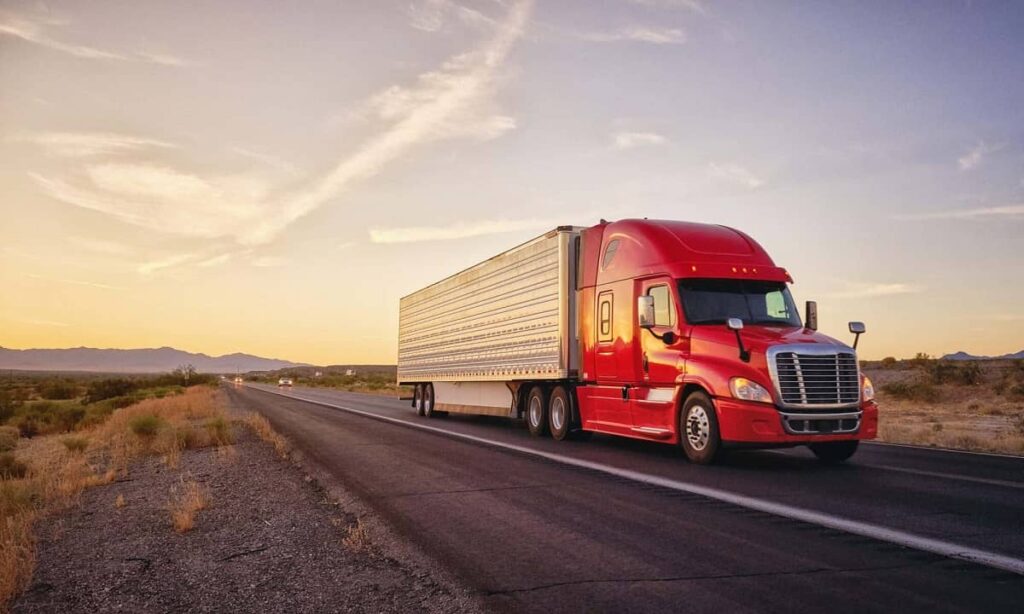
Reefer trucking uses refrigerated trailers equipped with independent cooling systems to move temperature-sensitive freight safely across long distances. The refrigeration unit runs separately from the truck engine, powered by its own diesel or electric system, so temperature stays stable even when the truck is stopped, idling, or waiting at a dock. This applies to fresh produce, dairy, frozen goods, pharmaceuticals, and other perishable cargo that cannot tolerate temperature swings during transit.
Reefer Shipping For Fresh Produce
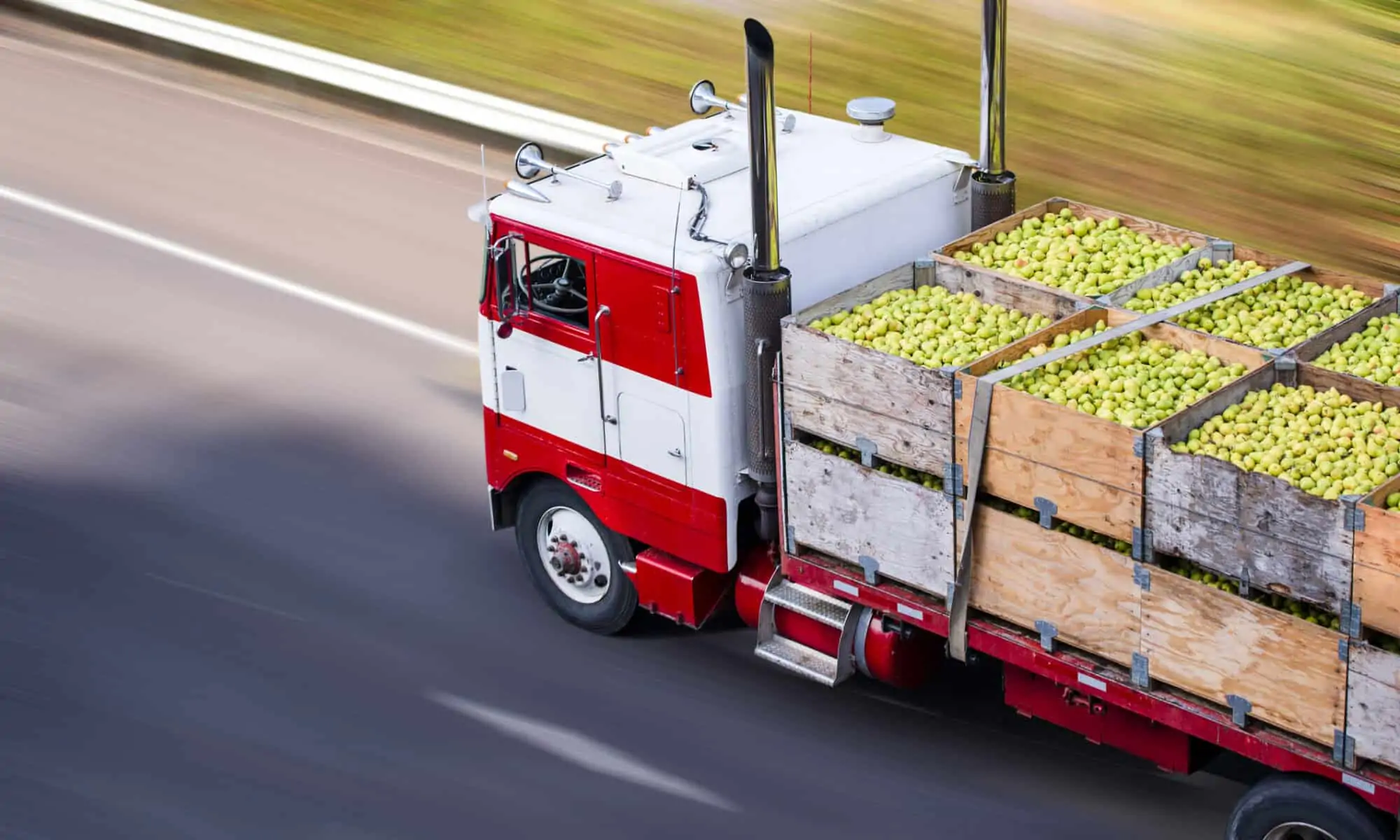
Reefer shipping for produce depends on maintaining a consistent temperature from pickup through final delivery, without gaps. Trailers are often precooled before loading begins, since loading a warm trailer with cold product can cause an early temperature spike that shortens shelf life before the truck even leaves the dock. Reefer trucking built specifically for produce accounts for these swings. General-purpose refrigerated service may not.
Pharma Freight Cold Chain Needs
Pharma cold chain freight often must stay within a strict temperature band throughout the entire transit, with little to no tolerance for drift outside that range. Continuous temperature monitoring and data logging are standard practice for pharma cold chain shipments, not an optional add-on requested only for high-value loads. A deviation outside the required range can affect product potency, shorten usable shelf life, or trigger a compliance issue that delays delivery.
Temperature-Controlled Shipping Basics
Temperature-controlled shipping covers a broad range of equipment, from lightly insulated vans for short local runs to full reefer trailers built for long-haul freight across the continent. Some reefer trailers offer multiple compartments, each held at a different temperature within one load, allowing frozen and chilled goods to travel together. Choosing the right equipment depends on the specific temperature range each product requires, not simply the overall shipment size or distance.
Cold Chain Monitoring And Data
Data loggers record temperature continuously throughout transit, creating a detailed record shippers and receivers can review together after delivery. This record helps confirm the cold chain was never broken, which matters for both product quality and regulatory compliance, especially for pharma or high-value perishable freight. Ask a provider what monitoring and reporting come standard on every load versus what requires a special request or added cost.
Equipment Types For Reefer Freight
- Smaller refrigerated trucks handle local, urban deliveries of fresh or temperature-sensitive goods across short distances, often making multiple stops in a single route
- Full reefer trailers handle larger, long-haul temperature-controlled shipments moving between regions, across the border, or between distribution centers
Reefer shipping volume, not just distance, should guide which equipment size actually gets booked for a given load, since an oversized trailer wastes capacity.

Produce Trucking Peak Season Demand
Produce trucking demand rises sharply during harvest seasons, which can tighten reefer capacity across an entire growing region as multiple shippers compete for the same limited trailers. Booking further ahead during peak produce seasons helps avoid last-minute capacity gaps, when reefer trailers become hardest to find, and rates often climb. A provider with a wide reefer carrier network is better positioned to absorb these seasonal demand spikes without disruption.
LAC’s Reefer Trucking Capabilities
LAC™ coordinates a network of carriers offering Full Truckload (FTL) and Less-Than-Truckload (LTL) reefer transportation across North America, including Mexico, the United States, and Canada, for produce, pharma, and other perishable freight. LAC works with carriers that hold memberships and certifications with trucking organizations such as the American Trucking Associations (ATA) and CANACAR in Mexico, follow Commercial Vehicle Safety Alliance (CVSA) inspection standards on both sides of the border, and include CTPAT-certified carriers positioned near major Mexico border crossings for faster, more predictable processing. With 25+ years in North American freight movement, LAC™ helps shippers plan reefer capacity well ahead of pickup.
Reefer Compliance And Sanitary Rules
- Sanitary transportation rules require clean, well-maintained equipment and proper loading practices to prevent contamination of temperature-sensitive freight, particularly food and pharmaceutical cargo
- Standard freight documents, including the commercial invoice, bill of lading, certificate of origin, and T&E bond
- Temperature confirmation documentation, showing the product stayed within its required range throughout the entire transit, not just at pickup and delivery
Carriers familiar with both U.S. and Mexican food safety expectations reduce the risk of a shipment being held or inspected at the border.
Avoiding Cold Chain Breaks
Precool the trailer before loading begins rather than relying on it to reach the target temperature gradually during transit, which wastes valuable time. Minimize the time freight spends at the loading dock, where temperature control is hardest to maintain consistently once doors are open. Confirm the destination is prepared to receive and store temperature-sensitive freight promptly on arrival, since delays on that end can undo careful planning.
Reefer Freight And Border Timing
Border wait times, customs holds or inspections, and carrier capacity during peak periods all add variables to the transit window for temperature-sensitive freight moving between countries, on top of normal driving time. Some cross-border reefer moves transload onto a different carrier and trailer at the crossing, while others continue direct on the same trailer when equipment and scheduling allow. A reefer unit’s fuel and refrigeration capacity should account for potential delays at the crossing, not just the driving distance between origin and destination. Providers experienced with cross-border reefer freight plan buffer time accordingly, reducing the risk of a compromised load.
Conclusion
Reefer trucking is the mode built to keep produce, pharma, and perishables within a required temperature range from pickup all the way to delivery. Equipment choice, continuous monitoring, and realistic timing all work together to protect that cold chain across every mile of the route, especially at the border. Shippers should confirm monitoring capability and capacity planning well before booking any temperature-sensitive freight moving to or from Mexico.
FAQs
What is the difference between reefer trucking and standard dry van shipping?
Reefer trucking actively controls the trailer temperature using an independent refrigeration unit that runs regardless of outside conditions. A standard dry van simply provides a sealed, weather-protected space with no active temperature control. Dry vans work well for freight that does not need temperature control, but they cannot maintain a set range for produce, pharmaceuticals, or other perishables, which is the gap reefer trucking exists to fill.
Can reefer shipping handle both fresh and frozen goods?
Yes, when booked correctly. Tell the provider each product’s required range upfront and whether the load needs a multi-compartment trailer or two separate trailers, since assuming the equipment will sort it out on its own is what leads to a last-minute swap at pickup.
How is pharma freight temperature monitored during transit?
Pharma freight temperature monitoring should include a clear plan for what happens if a reading falls outside the approved range, not just the record-keeping itself. Ask a provider how quickly a deviation gets flagged, who is notified, and what documentation follows to support any compliance review. A monitoring process without a defined response step leaves gaps that undermine an otherwise complete temperature record.
What temperature range do reefer trailers typically maintain?
Reefer trailers typically maintain a wide range, from deep frozen settings well below zero degrees to mildly chilled temperatures just above freezing, depending on the load. The exact range depends on the equipment and what the product requires, since produce, dairy, and pharmaceuticals often need noticeably different settings. Multi-temperature trailers can hold more than one range in a single load, adding flexibility for mixed shipments.
Does produce trucking get harder to book during harvest season?
Shippers moving produce during harvest season benefit most from locking in capacity through a standing arrangement rather than booking each load individually as it comes up. A provider that can commit trailers in advance across a growing region reduces the risk of scrambling for space once demand peaks. Confirming volume and timing needs well before the season starts gives a provider more room to plan around competing requests.
What happens if a reefer unit's fuel runs low during an extended border wait?
A reefer unit that runs out of fuel mid-wait stops maintaining its set temperature, putting the load at risk regardless of how well the rest of the route was planned. Fuel and refrigeration runtime need to be sized to the crossing’s typical wait time, not just the driving distance to it, so confirm that buffer with the carrier before dispatch rather than assuming standard tank capacity is enough.