Request a Quote










 LAC Blog
 Export Guides
 Transport Guides
 Logistics Glossary
 Container Types Guide
 Trailers Types Guide
 Incoterms 2020 Rules


Latin America already plays an important role in moving goods between countries and across oceans. Its ports connect businesses in the region with customers in North America, Europe and Asia. Now, some shipping companies are investing in the terminals where cargo is handled, rather than only operating the vessels that use them. Will that make trade easier for the businesses depending on these ports?
A recent analysis by ALG, a global consulting firm, shows the scale of these investments. Over the past two years, industrial and logistics companies completed 21 port deals in Latin America worth about US$10.6 billion. Shipping lines completed eight deals worth about US$23.7 billion. The numbers show that different companies see different opportunities in ports. They do not prove that one type of owner offers better service.
Port Investment in Latin America: Deals vs. Value
Total reported transaction value by investor category (July 2024–July 2026)
The interest in Latin American ports tells a larger story, too. Companies see value in the region and in the routes that connect it with the rest of the world. For importers and exporters, however, the important question remains practical: will their cargo move more smoothly and with fewer surprises?
Can Shipping Companies Make Ports Run More Smoothly?
There is a good reason why a shipping line might want a larger role in a port. If the company can work closely with the terminal receiving its vessels, it may be easier to plan arrivals, unload containers and prepare cargo for the next part of the trip. Better coordination could mean shorter waits and more dependable schedules.
Still, an investment does not solve every problem. A port may be crowded, have limited space or lack reliable road and rail connections. Even when everything works well at the terminal, a shipment can still get delayed after it leaves the dock.
So the real test is simple. Are containers ready when customers expect them? Can trucks collect them without unnecessary delays? Does the shipment arrive when promised? Those improvements matter more than the name of the company running the terminal.
What Do Importers and Exporters Actually Gain?
Most customers do not spend much time thinking about who owns a port. They need their goods to arrive on time, clear updates about their cargo and schedules they can rely on. A delayed container can affect a factory, a store or a delivery promised to a customer.
Closer cooperation between shipping lines and terminals may help. But businesses also need choices. When one company controls more parts of a shipment, customers should still be able to compare services and choose what works for them. Independent terminals have an important role as well: they can serve different shipping lines.
More control does not automatically mean better service. The benefit becomes real when customers experience fewer surprises, clearer communication and more reliable delivery plans.
Why Stronger Ports Matter for Latin America
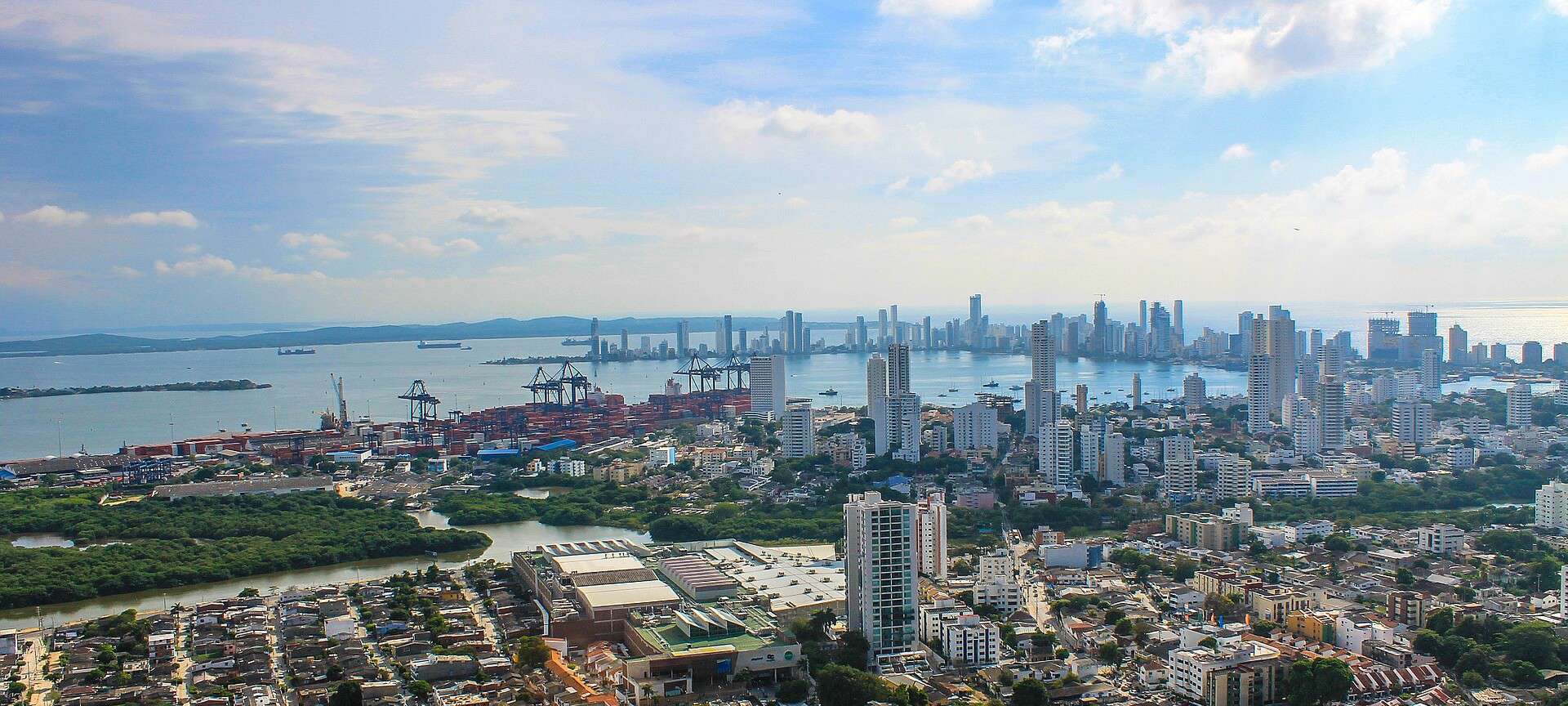
Latin America is not starting from scratch. The Port of Santos in Brazil handles major international cargo flows. Cartagena in Colombia is an important connection point for ships and containers moving through the Caribbean. And Callao in Peru serves as a major gateway for trade along South America’s Pacific coast. Together, they show how the region already helps connect markets far beyond its borders.
Three established gateways in Latin America
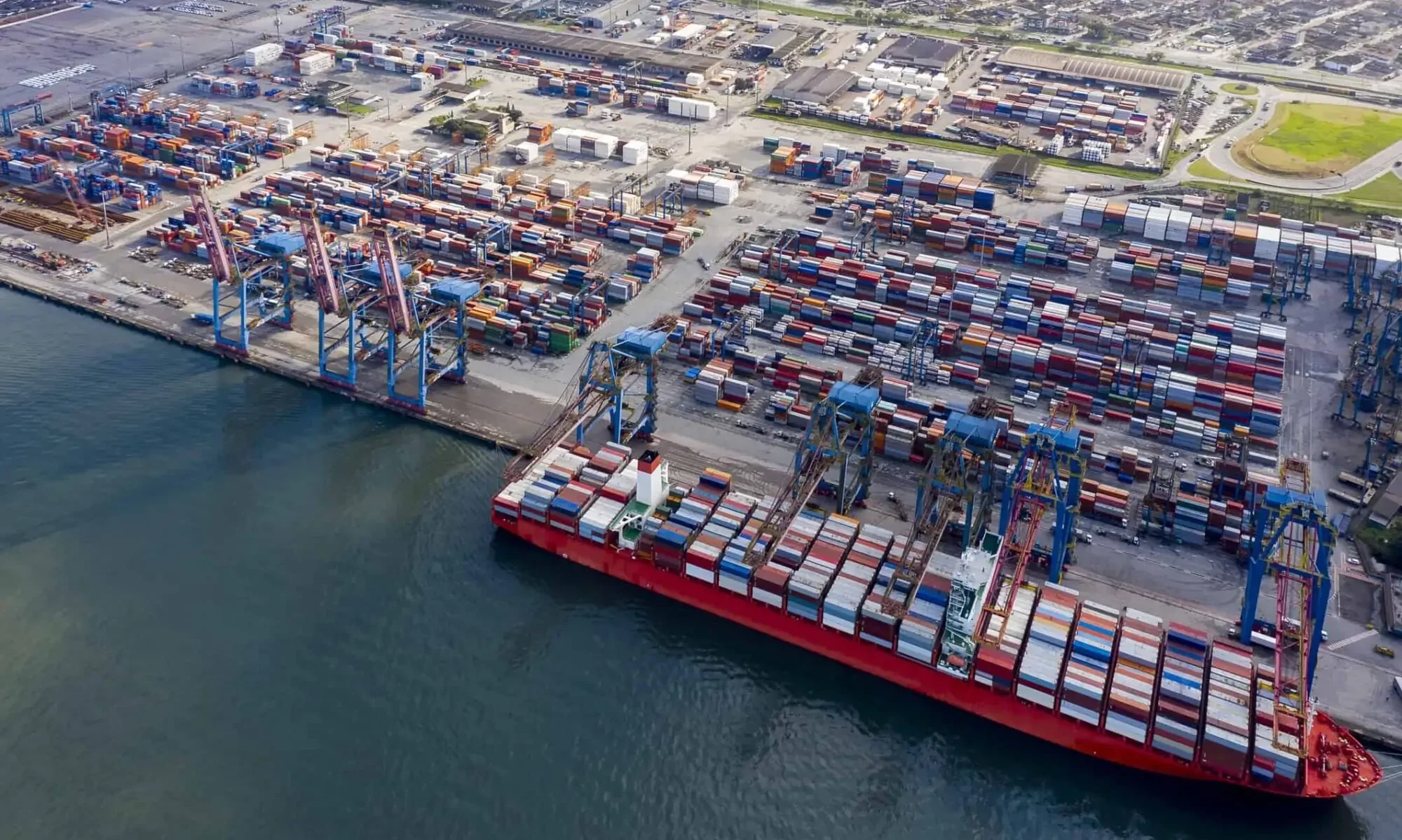
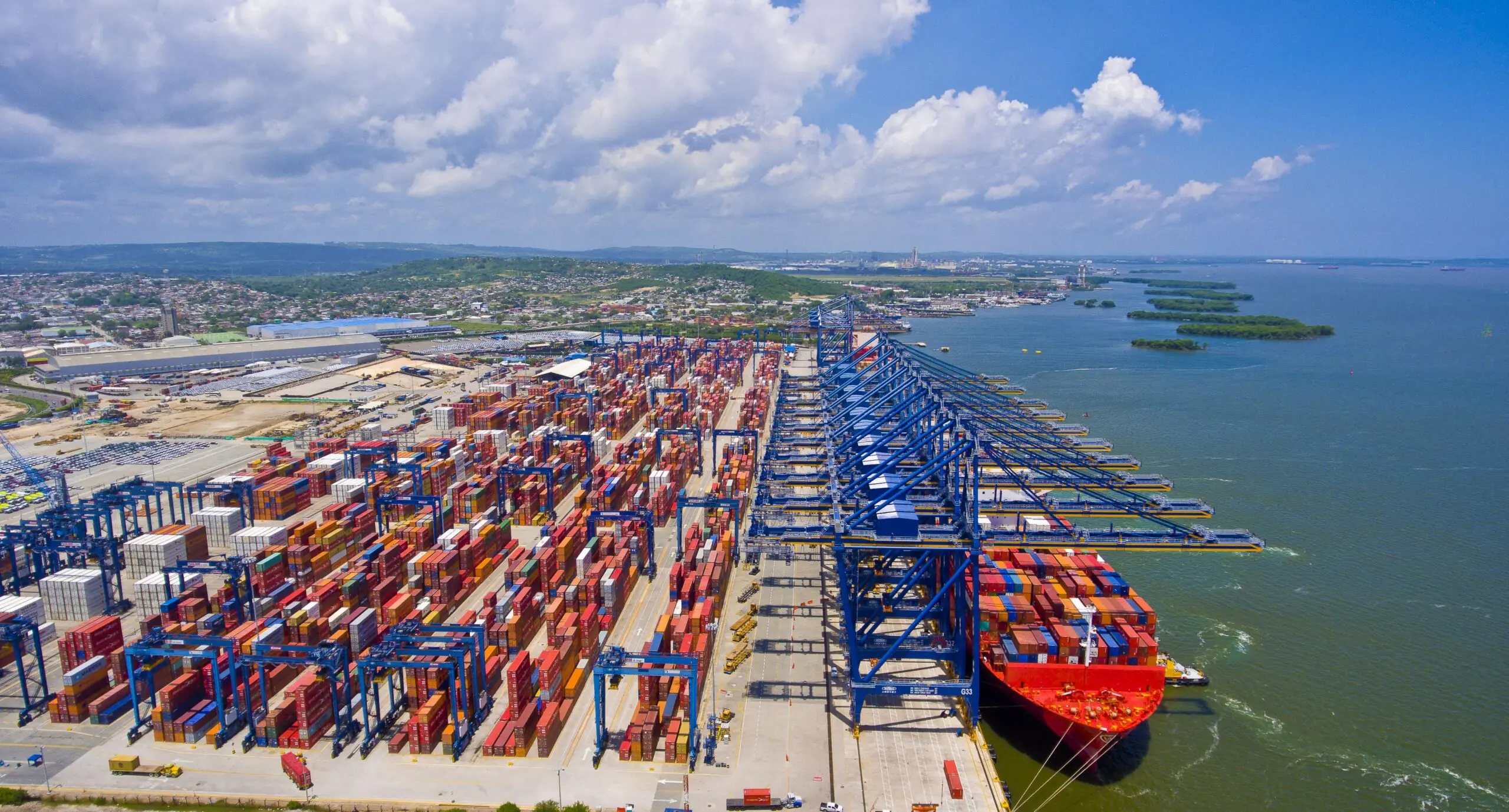
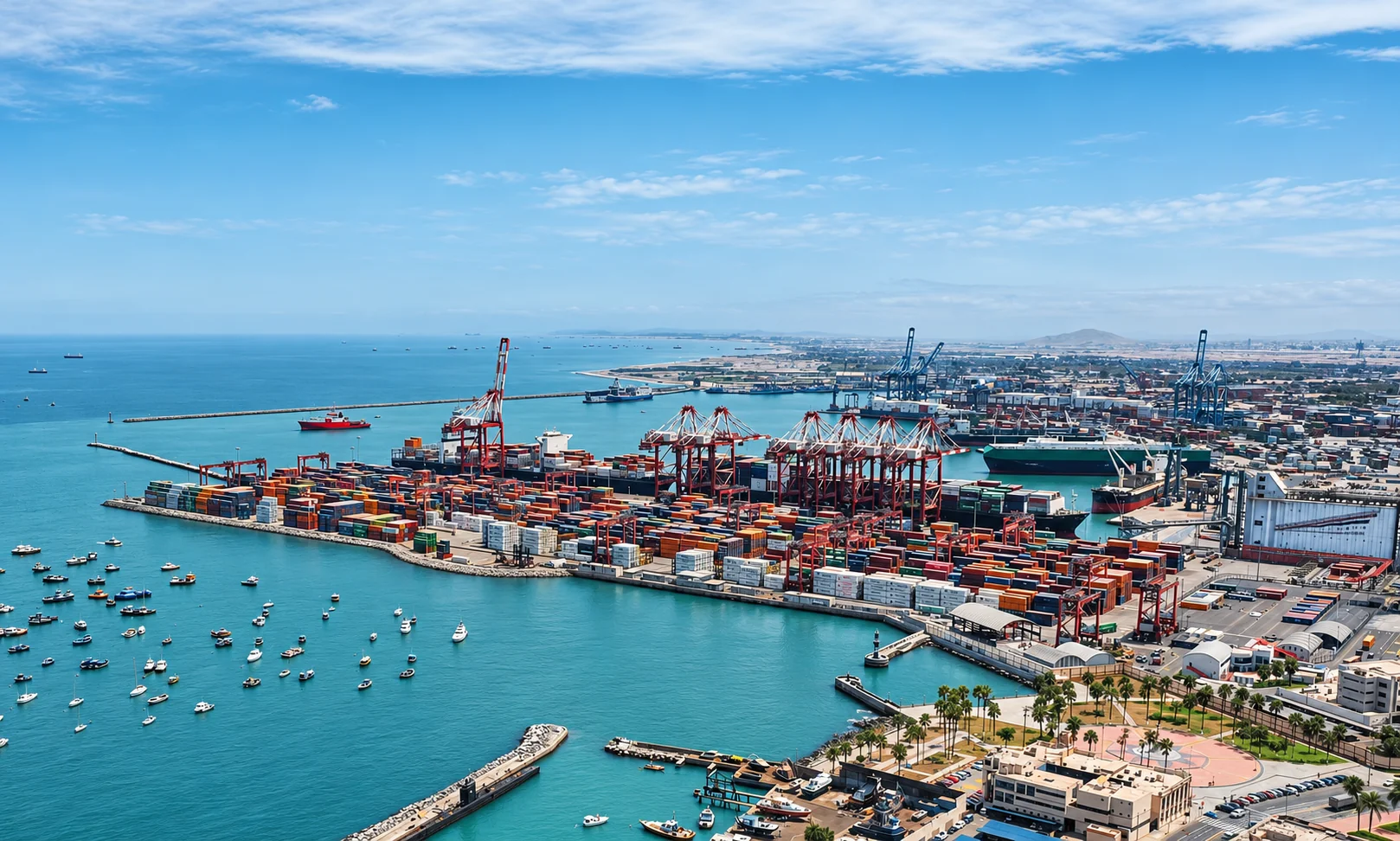
Sources: Santos Port Authority · Grupo Puerto de Cartagena · Peru National Port Authority
But a strong port is only part of the journey. Imagine a container arriving on schedule and then sitting for days because customs paperwork is delayed or there are not enough trucks to collect it. The customer still receives the shipment late. Roads, rail where available, customs services and local transport all need to work with the port.
That is why further investment matters most when it helps the whole journey, not just the time a ship spends at the dock. Better links between ports and inland destinations could help more businesses reach international markets and make the region a more dependable place to trade.
Latin America’s Growing Role in Global Trade
Port investments are long-term decisions. They can shape routes, shipping options and trade opportunities for many years. For Latin America, the opportunity is bigger than building or improving individual terminals. It is about making it easier for businesses across the region to buy, sell and deliver goods worldwide.
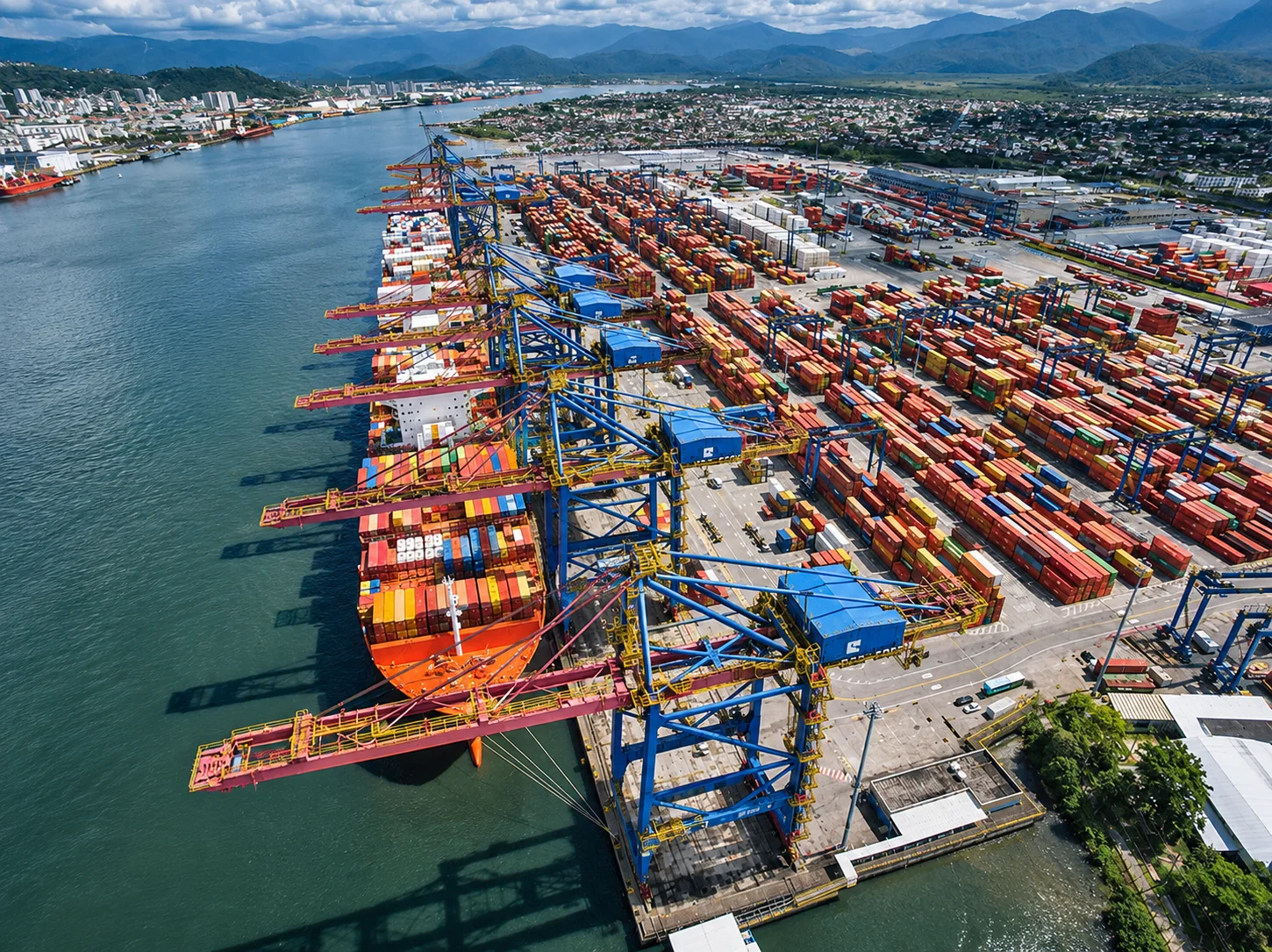
Different owners can help in different ways. Shipping lines may coordinate their vessels and terminals more closely. Independent terminal operators can provide services to a range of carriers. Neither approach guarantees better results. What matters is whether ports become more reliable, remain open to useful service choices and connect well with the transport networks around them.
The growing interest in the region’s ports is another sign of Latin America’s importance to trade across the Americas and beyond. But investment alone is not the finish line. Success should be measured by what happens to cargo and the businesses waiting for it: fewer delays, better connections and more dependable choices. That is how stronger ports can help Latin America build an even stronger place in world trade.
Sources and further reading
ALG — Same Terminal, Different Value: Port Investment in Latin America
Santos Port Authority — About Us