

 Request a Quote











 LAC Blog
 Export Guides
 Transport Guides
 Logistics Glossary
 Container Types & Sizes
 Incoterms 2020 Rules


Flatbed trucking companies vary widely in equipment variety, safety record, and network reach, and choosing the wrong one shows up fast in damaged or delayed freight. This guide walks through six criteria worth checking before booking, from equipment access and securement practices to pricing transparency and network coverage, so you can vet a partner methodically rather than on gut feeling alone.

Why the Right Partner Matters
Choosing the wrong flatbed trucking partner can lead to damaged or delayed oversized freight, costly claims, and disruptions to downstream schedules that ripple beyond the shipment itself. Flatbed cargo’s open exposure significantly raises the stakes compared to enclosed shipping, since securement errors or weather damage are visible in plain sight rather than being contained safely inside a sealed trailer. Getting this particular decision right consistently matters considerably more here than it typically does for most other freight types.
Six Things to Check First
Before booking any shipment, check a carrier’s experience and industry reputation, fleet equipment variety, safety record, geographic network coverage, pricing transparency, and communication practices, treating these six areas as a genuine checklist rather than a single quick gut-check decision. Each of these criteria captures a distinct kind of risk, and skipping any one of them to save time often means discovering the gap only after freight has already been committed to that specific carrier.
Equipment Access and Variety
Confirm the carrier has genuine, well-documented access to the specific equipment your freight actually needs, whether that means a standard flatbed, step deck, Removable Gooseneck (RGN), or another specialized trailer, rather than simply assuming one trailer type fits every shipment. A carrier that only operates standard flatbeds may struggle or subcontract to an outside third party when your cargo genuinely needs specialized equipment, adding an extra layer of coordination and risk to the overall move.
Types of Flatbed Trailers
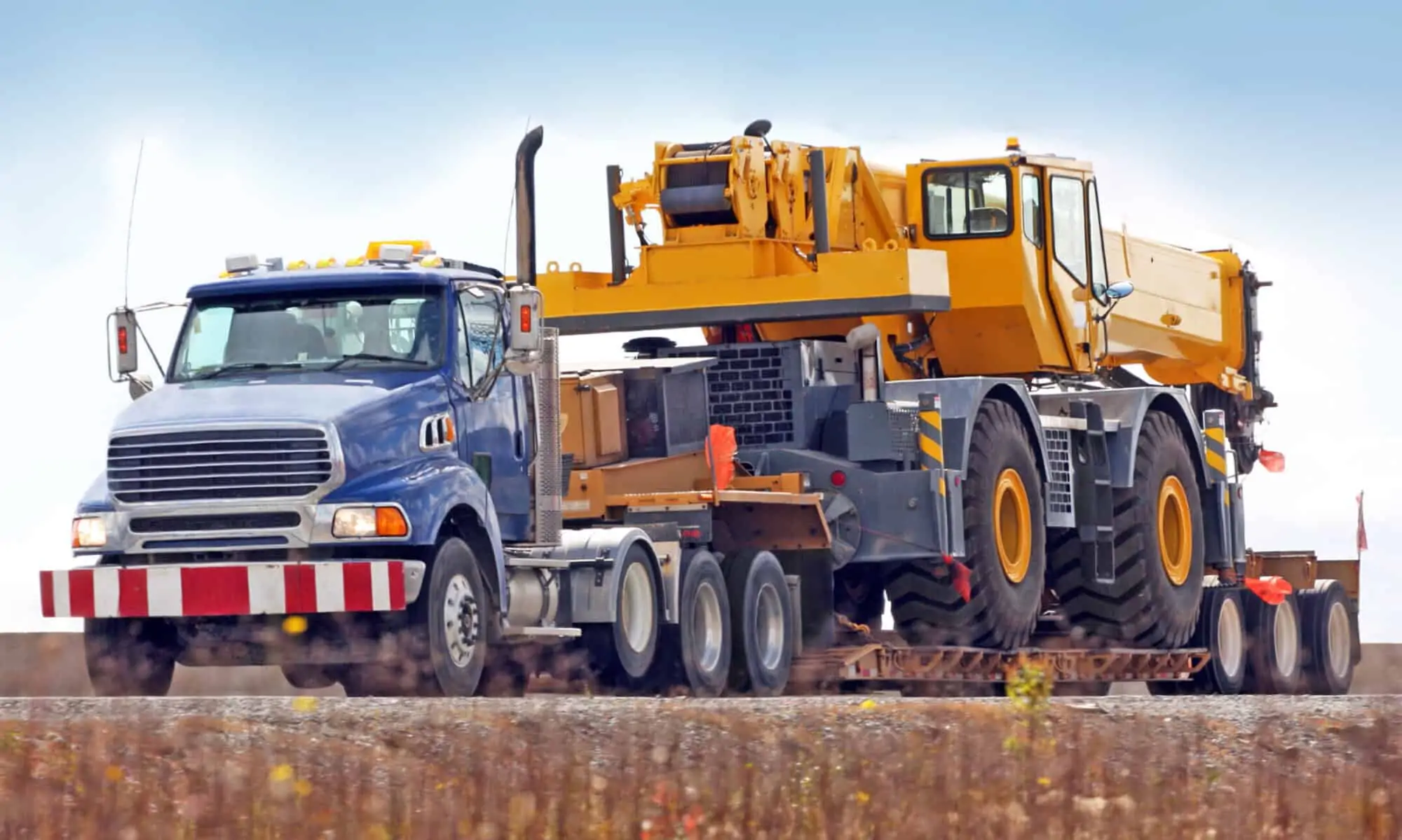
Taller or self-propelled wheeled equipment may require a step deck or Removable Gooseneck (RGN) trailer; weather-sensitive freight may require a Conestoga with its rolling-tarp coverage instead. Lowboy trailers are especially suited to tall or heavy loads that need a lower overall center of gravity. Confirming a carrier’s ability to access these specific trailer types up front avoids a last-minute scramble if your shipment doesn’t fit a standard flatbed after all is said and done.
Securement Practices and Safety Record
Ask how the carrier trains its drivers on proper load securement and calculating the Working Load Limit (WLL) for tie-down devices, since this directly affects overall cargo safety during transit. Check their Federal Motor Carrier Safety Administration (FMCSA) safety rating and violation history before booking any shipment. A carrier that stays vague about either of these two important areas is genuinely worth treating with real caution rather than simply assuming best practices.
Weight and Equipment Fit
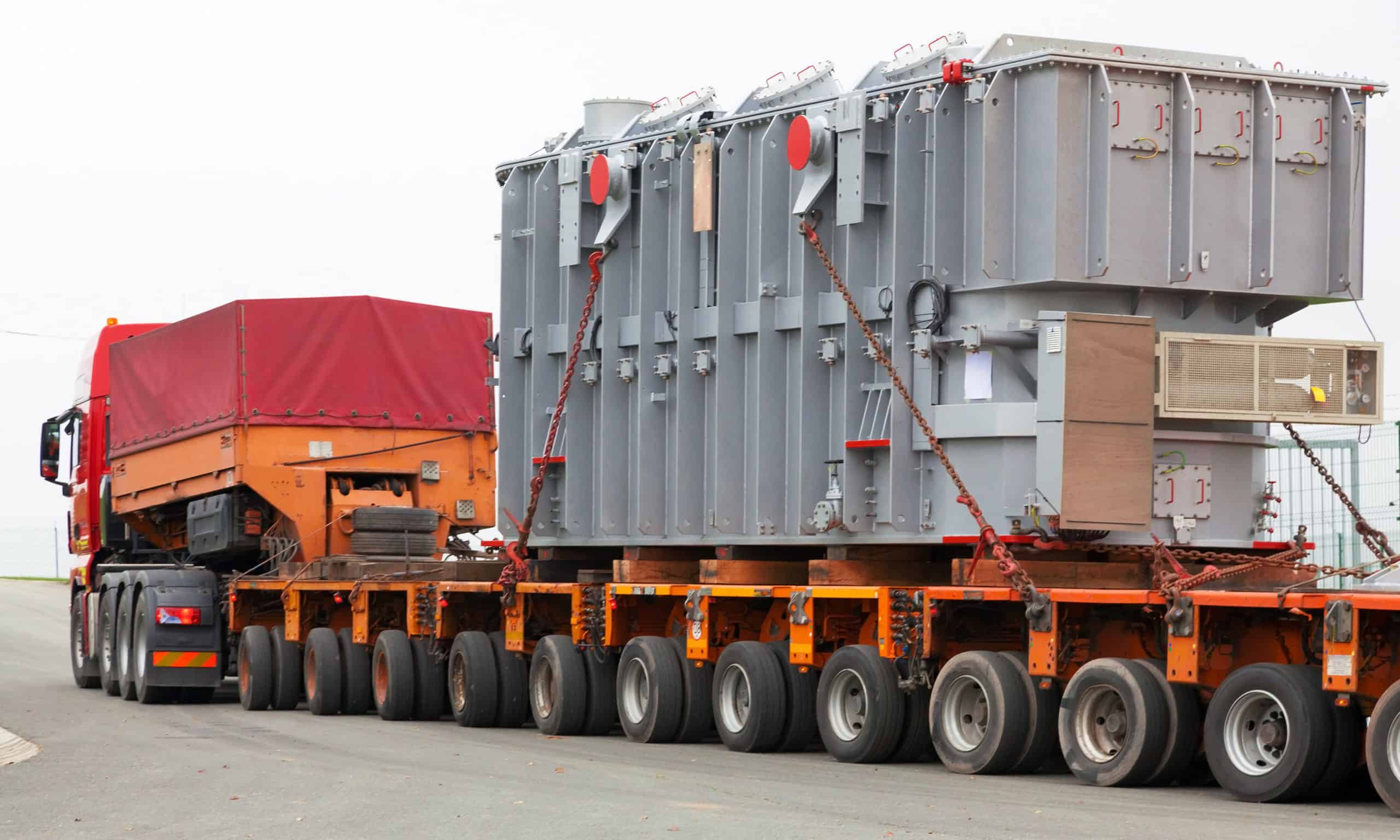
Confirm the carrier’s trailers can legally carry your specific cargo’s actual weight within standard flatbed gross vehicle weight limits, and ask directly how they handle any loads that approach or exceed these particular limits, including permit coordination for oversized freight. A carrier unfamiliar with the permit process for heavier oversized loads can create real delays that have nothing whatsoever to do with the physical shipment itself, purely from paperwork gaps and missing forms.

Coverage and Carrier Network
Confirm the carrier’s network genuinely covers your typical lanes and specific destinations, not just a broad claim of nationwide service that sounds reassuring but doesn’t reflect real, practical experience. Lane-specific experience meaningfully reduces the risk of unfamiliar routing, unexpected permit requirements, or delays that a carrier new to your particular corridor might not anticipate in advance. Ask directly about their documented track record specifically on the lanes and destinations you actually ship freight on.
How LAC™ Vets Flatbed Partners
LAC™ vets its flatbed and heavy-haul carrier partners closely for genuine equipment variety, including standard flatbed, step deck, Removable Gooseneck (RGN), lowboy, and curtain-side trailers, as well as safety compliance across every partner relationship. That thorough vetting process is backed by 25+ years spent coordinating specialized freight across Mexico, the US, and Canada, giving shippers a carrier network already screened against the same criteria this guide recommends checking closely.
Pricing Transparency to Expect
A genuinely trustworthy flatbed carrier will always provide itemized quotes and clearly explain what drives pricing on your specific shipment, including distance, dimensions, and route complexity, rather than leaving fees vague until after booking is already fully committed. Accessorial fees for permits, escorts, or specialized equipment should be clearly disclosed upfront, not discovered later on an invoice well after delivery. Transparency at the initial quoting stage is a strong signal of transparency throughout the ongoing working relationship.
Questions to Ask First
Before booking with any specific flatbed carrier, ask how claims are handled if cargo is damaged, whether GPS or digital tracking is available for real-time visibility, and whether the carrier can provide references from businesses shipping similar freight types or volumes. A carrier genuinely confident in their overall process answers these specific questions promptly and directly, rather than deflecting with vague reassurances that don’t address your original question.
Red Flags When Vetting Carriers
Be cautious of carriers with an aging or poorly maintained fleet, vague answers about driver safety training, or reluctance to share Federal Motor Carrier Safety Administration (FMCSA) safety data when asked directly. These warning signals often indicate reliability issues down the line, even when a carrier’s initial quote and sales pitch sound perfectly reasonable on the surface.
Conclusion
Choosing among flatbed trucking companies genuinely comes down to equipment variety, safety record, network fit, and pricing transparency, evaluated together carefully as a real checklist rather than any single factor considered in isolation. A carrier that scores well across all six criteria is far less likely to cause damaged freight, missed deadlines, or unexpected cost surprises, making flatbed shipping unpredictable when the wrong partner is chosen rather than a properly vetted one.

FAQs
Does fleet age affect flatbed service reliability?
Yes, aging or poorly maintained trailers are considerably more prone to mechanical breakdowns and issues, which can lead to delays, cargo damage, and genuine safety risks compared to a well-maintained, modern fleet. A carrier’s willingness to openly discuss fleet age and regular maintenance practices is itself a useful signal, since carriers truly confident in their equipment’s condition rarely hesitate to answer questions about it directly and thoroughly.
How can I check a flatbed carrier's safety record?
Federal Motor Carrier Safety Administration (FMCSA) safety ratings and public violation logs are available and provide an objective, unbiased view of a carrier’s actual compliance history, beyond marketing claims or polished sales materials. Checking this public data before booking any shipment takes only a few minutes and provides a far more reliable picture than relying solely on a carrier’s self-reported safety record.
What is an FMCSA safety rating and why does it matter?
It’s a Federal Motor Carrier Safety Administration (FMCSA) compliance score based on formal roadside inspections and detailed violation history, reflecting how consistently a carrier follows federal safety regulations over an extended period. A strong rating suggests genuinely consistent safety practices across a carrier’s overall daily operations, while a poor one is a serious warning sign worth investigating further before committing freight to that specific carrier.
Do flatbed rates vary by cargo dimensions and route?
Yes, dimensions, weight, distance, and overall route complexity typically factor directly into flatbed pricing calculations, since each of these variables considerably affects handling requirements, permit needs, and overall transit time. A genuinely transparent flatbed carrier will always explain which of these variables apply to your specific shipment rather than quoting a flat, unexplained number that leaves you guessing what is actually driving the final cost.
Should I ask a carrier about GPS or digital tracking capability?
Yes, real-time visibility genuinely helps you plan around potential delays and reduces uncertainty for oversized or high-value shipments, where knowing the exact current location matters considerably throughout the entire transit. It is a reasonable, sensible baseline expectation to confirm before booking any shipment, and a carrier that can’t offer at least basic tracking may genuinely be worth comparing with alternatives that offer stronger visibility tools.
How many carrier references should I request before booking?
A few solid, genuinely relevant references from businesses shipping similar freight types or comparable volumes is generally more than enough to fully validate a carrier’s reliability claims without adding any excessive delay to your overall vetting process. Two or three relevant references, checked reasonably briefly, usually provide sufficient confidence without turning the carrier selection process into a drawn-out research project that delays your actual shipment plans.