

 Request a Quote
Start shipping now
Request a Quote 
Start shipping now
Request a Quote
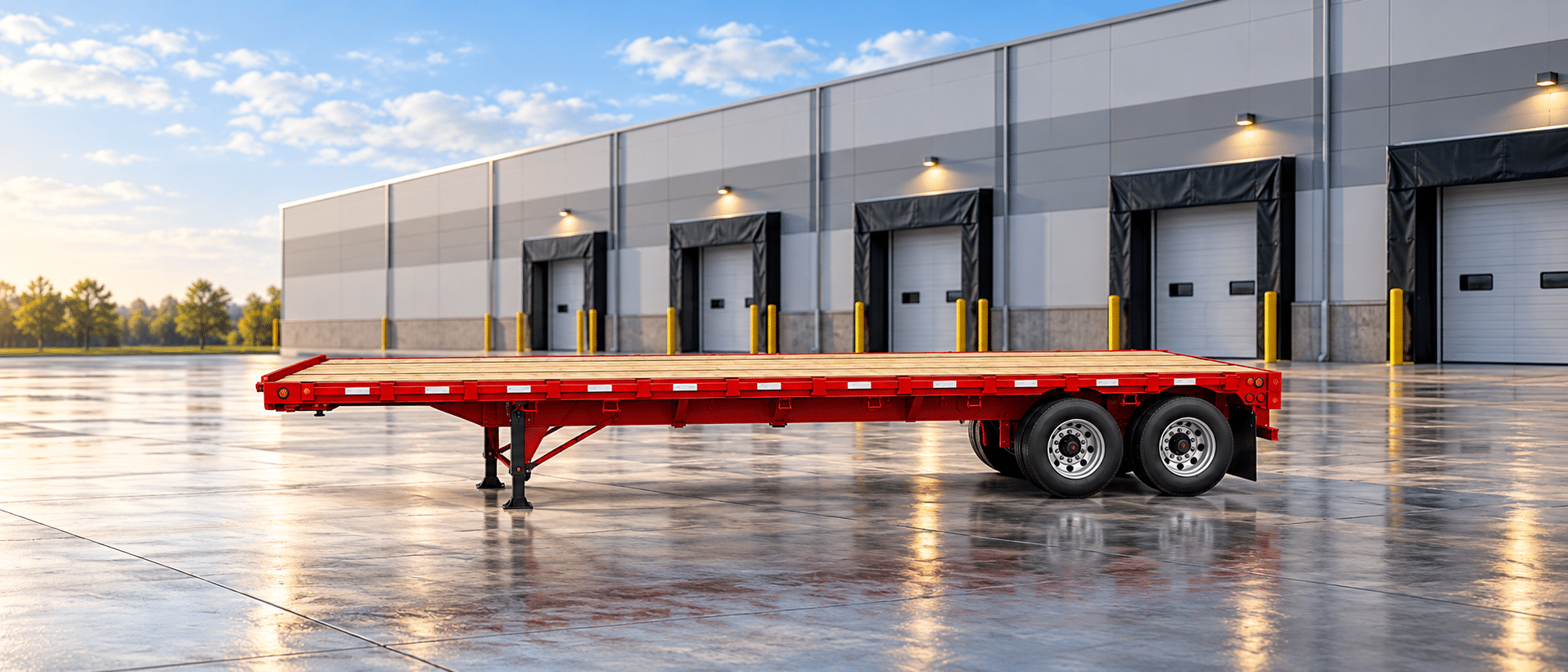
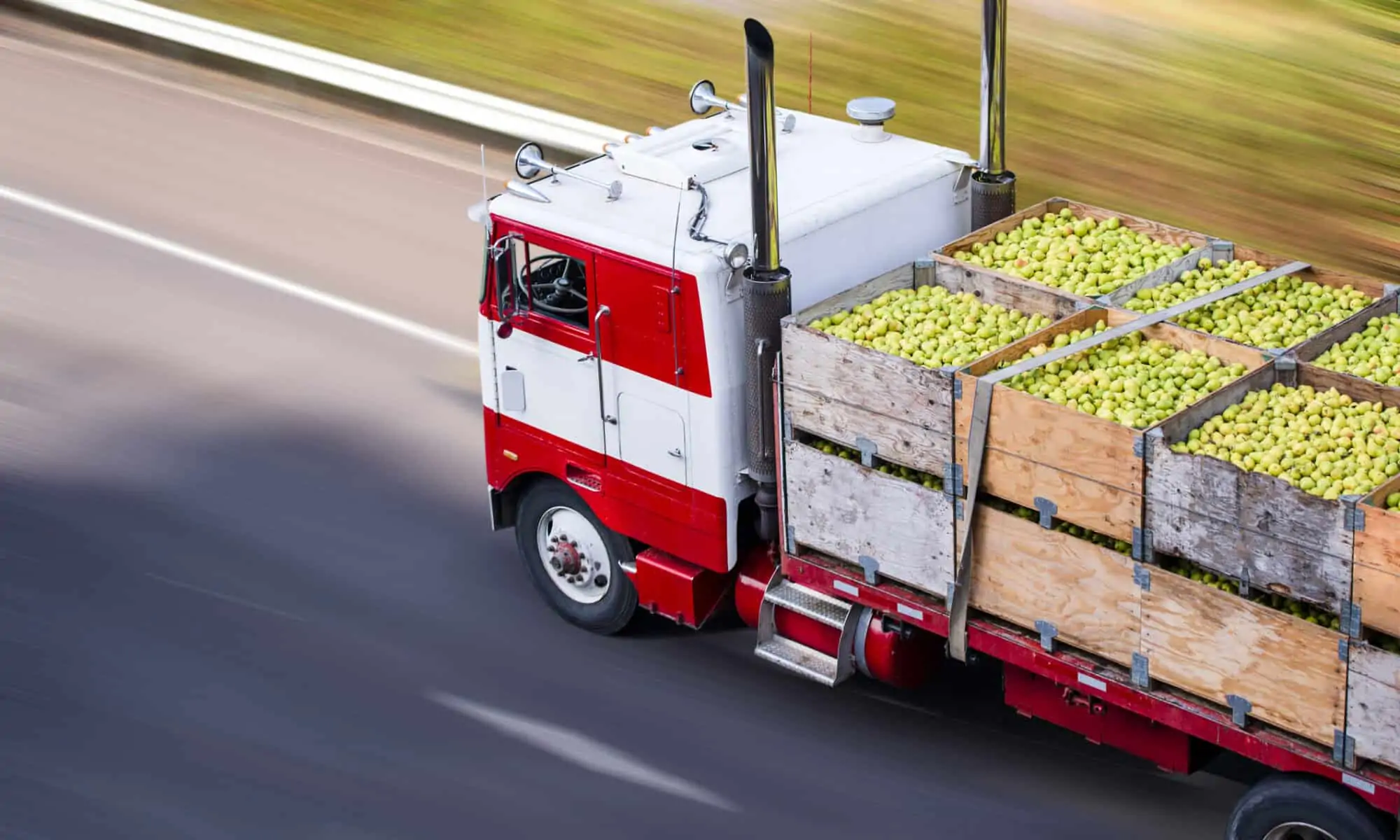
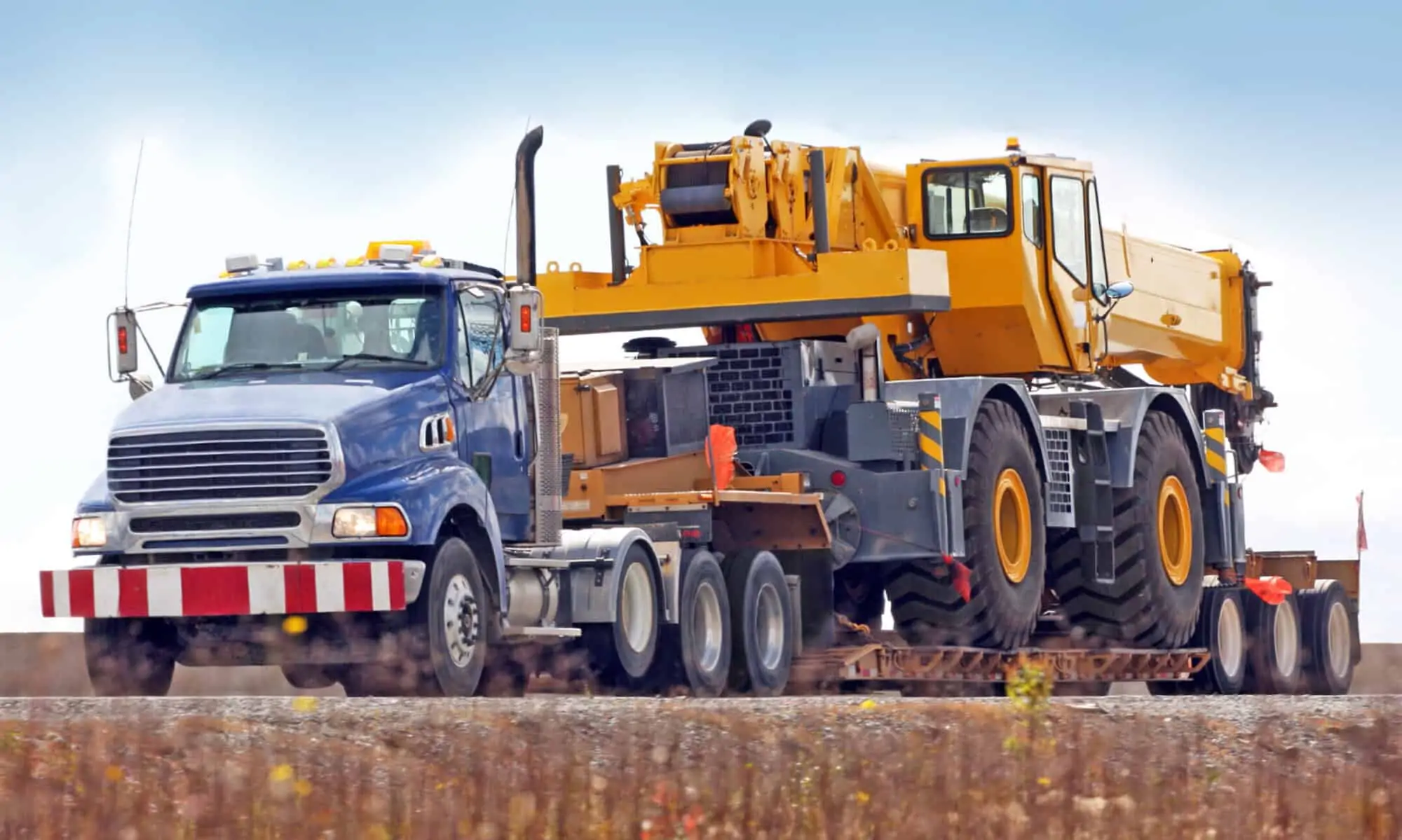
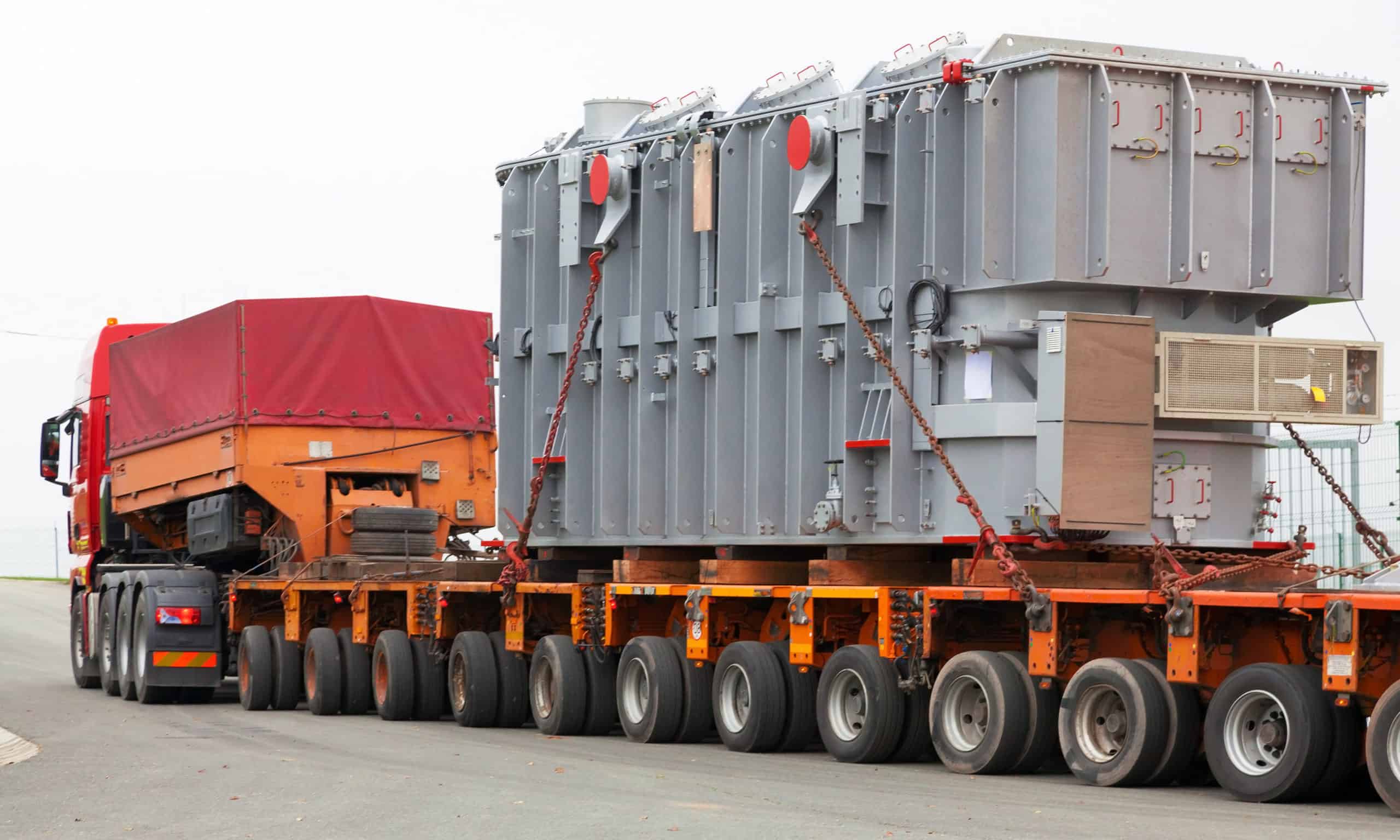
Flatbed trailers are open-deck trailers designed for freight that requires flexible loading access or cannot easily fit inside an enclosed trailer. With no fixed roof or side walls, cargo can be loaded and unloaded from the rear, sides, or above using forklifts, cranes, or other handling equipment.
They are commonly used for steel, lumber, machinery, construction materials, and other oversized or irregularly shaped freight that can be safely secured to an open deck.
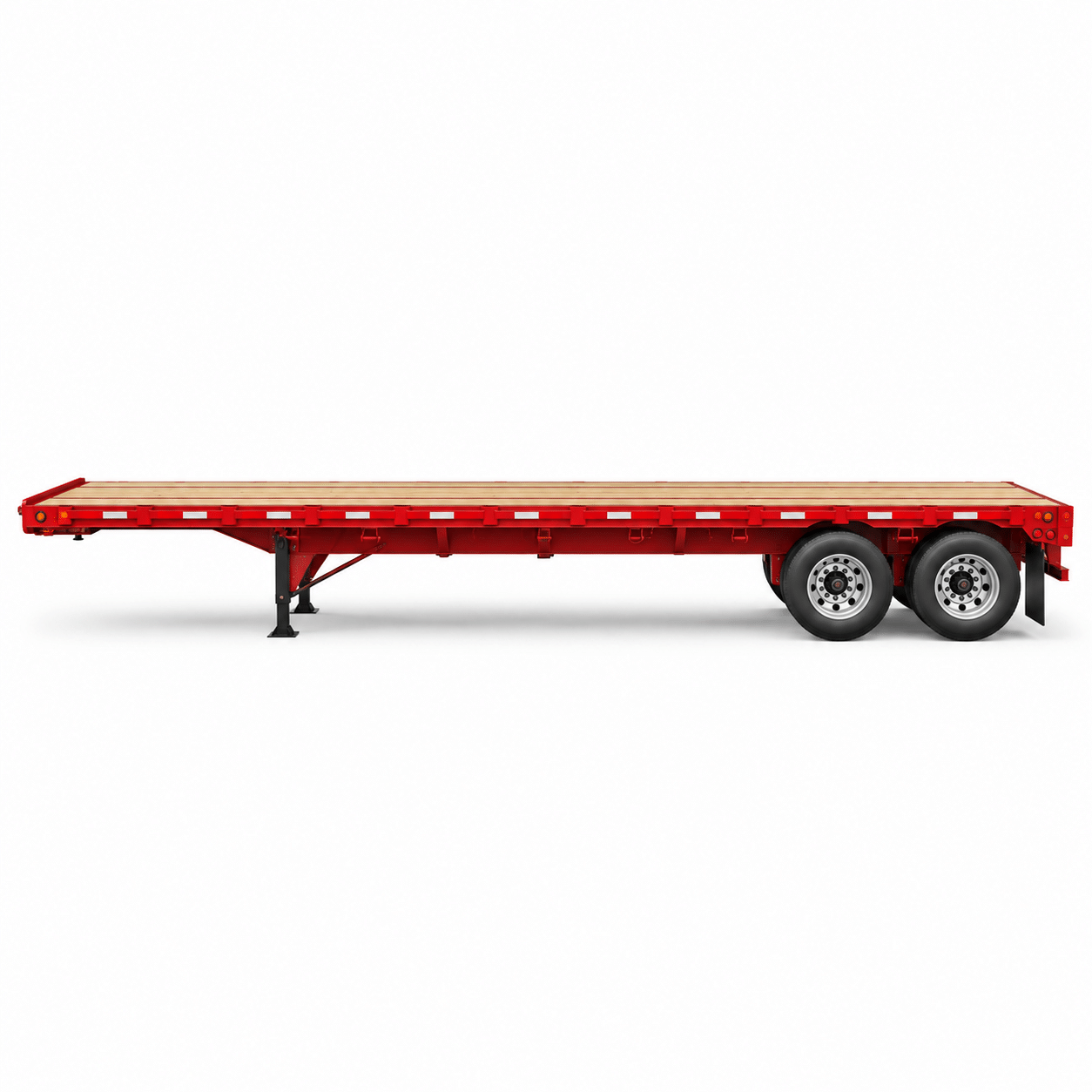
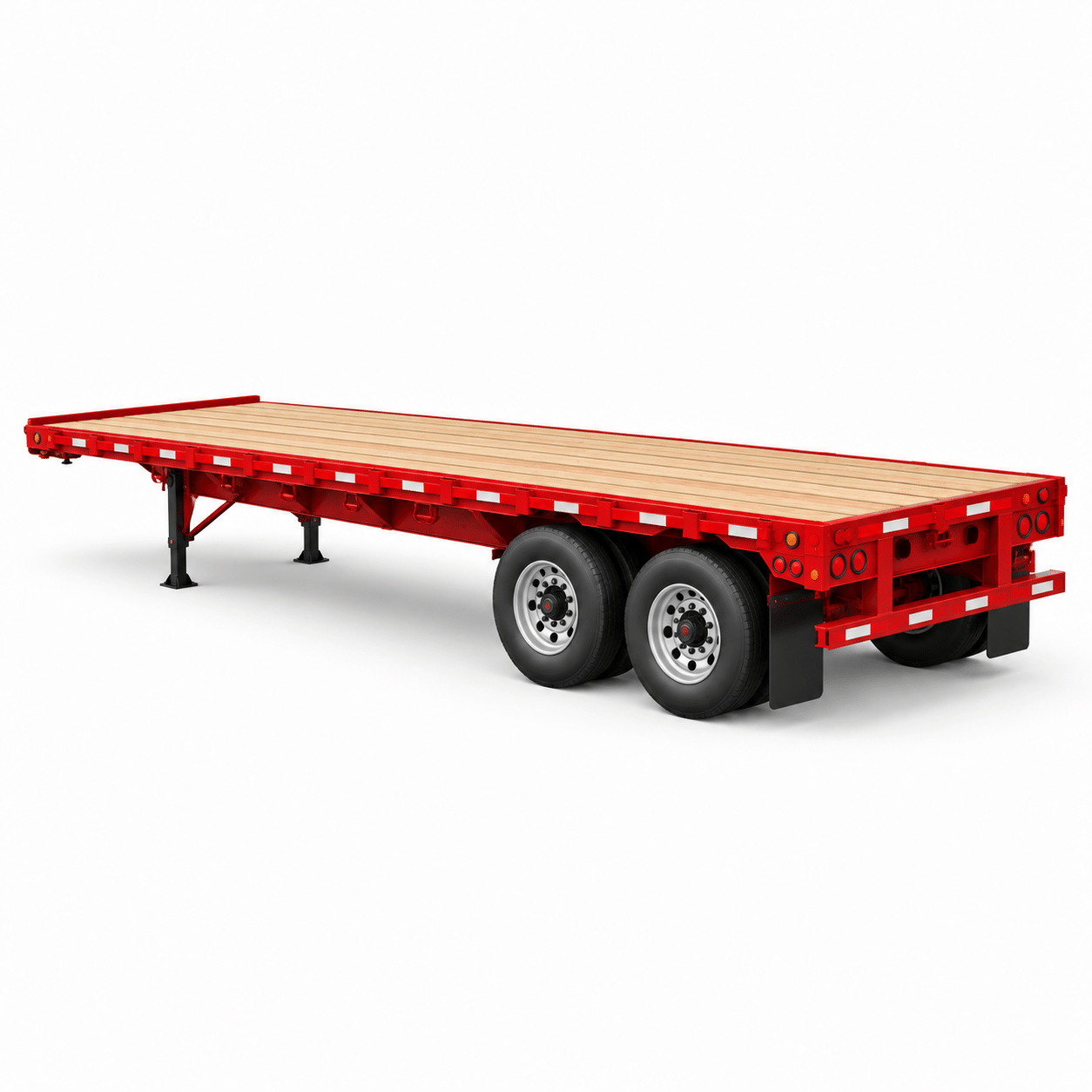
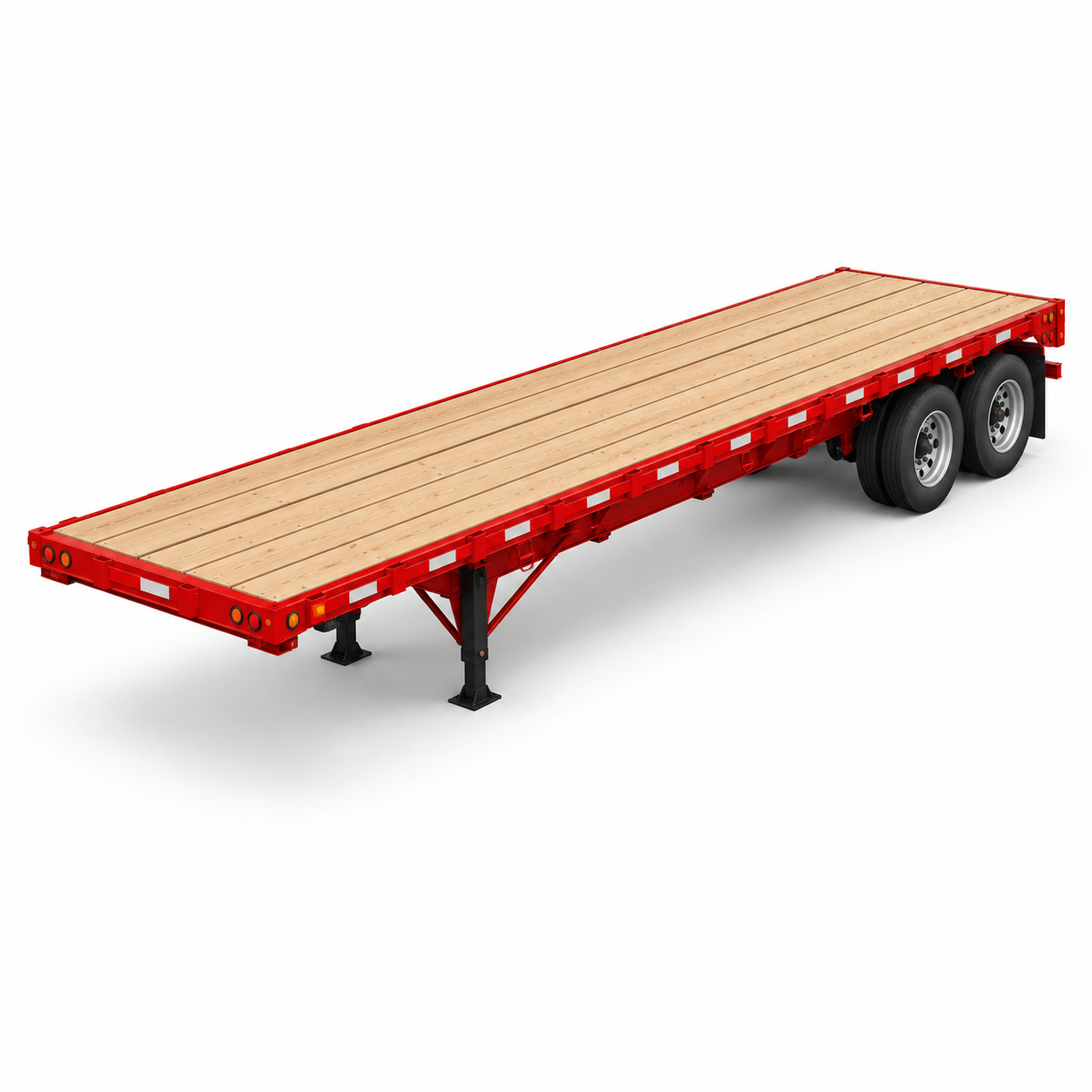
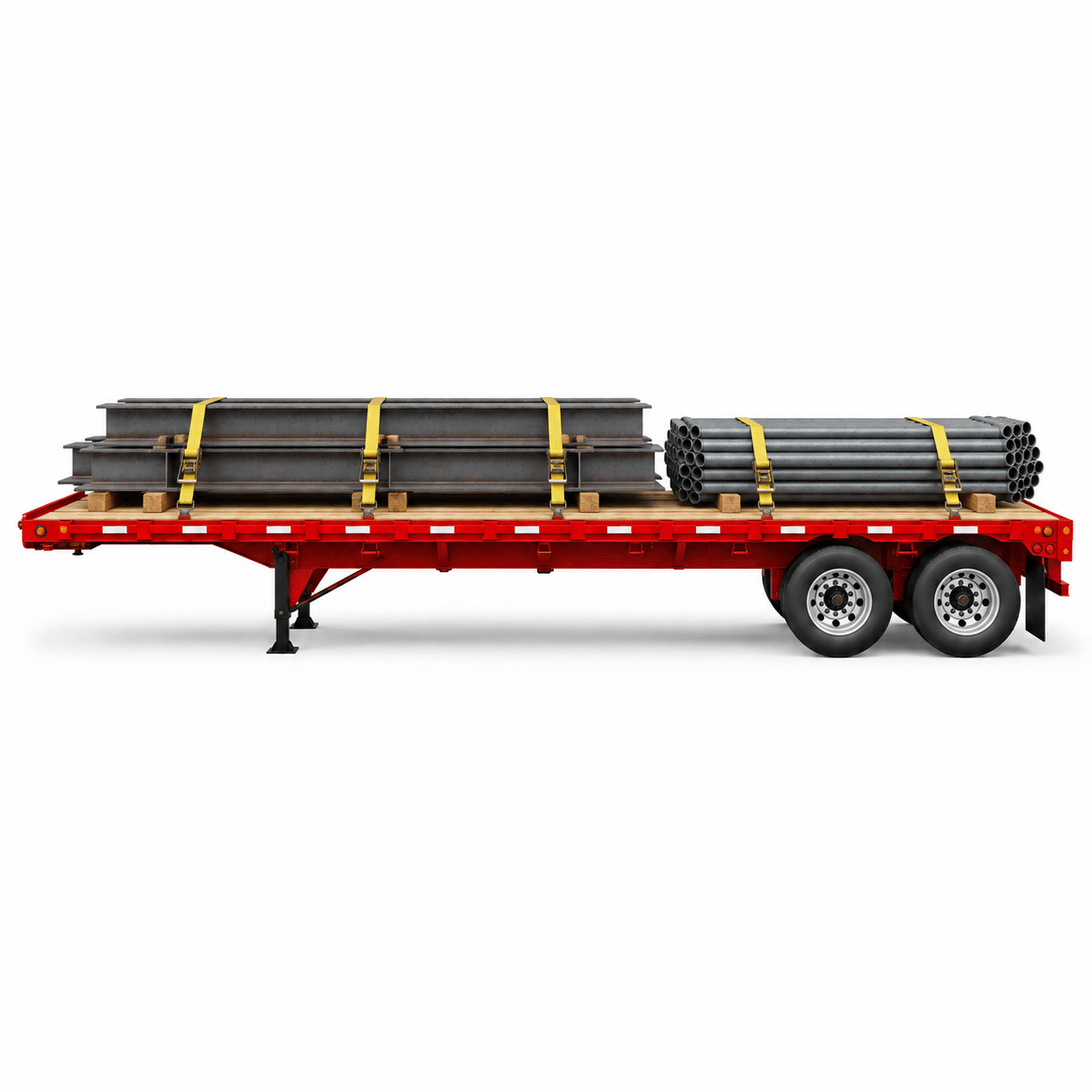
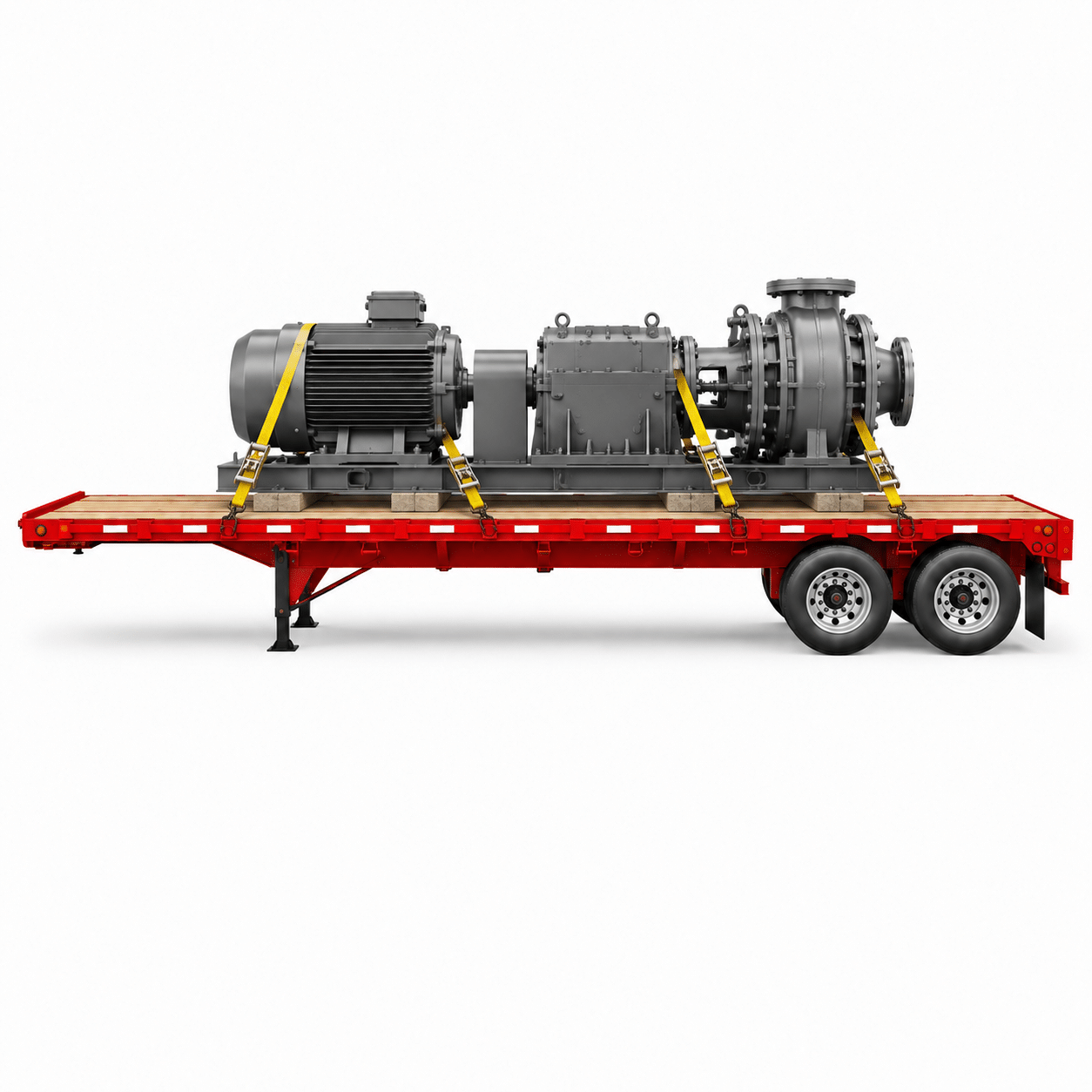
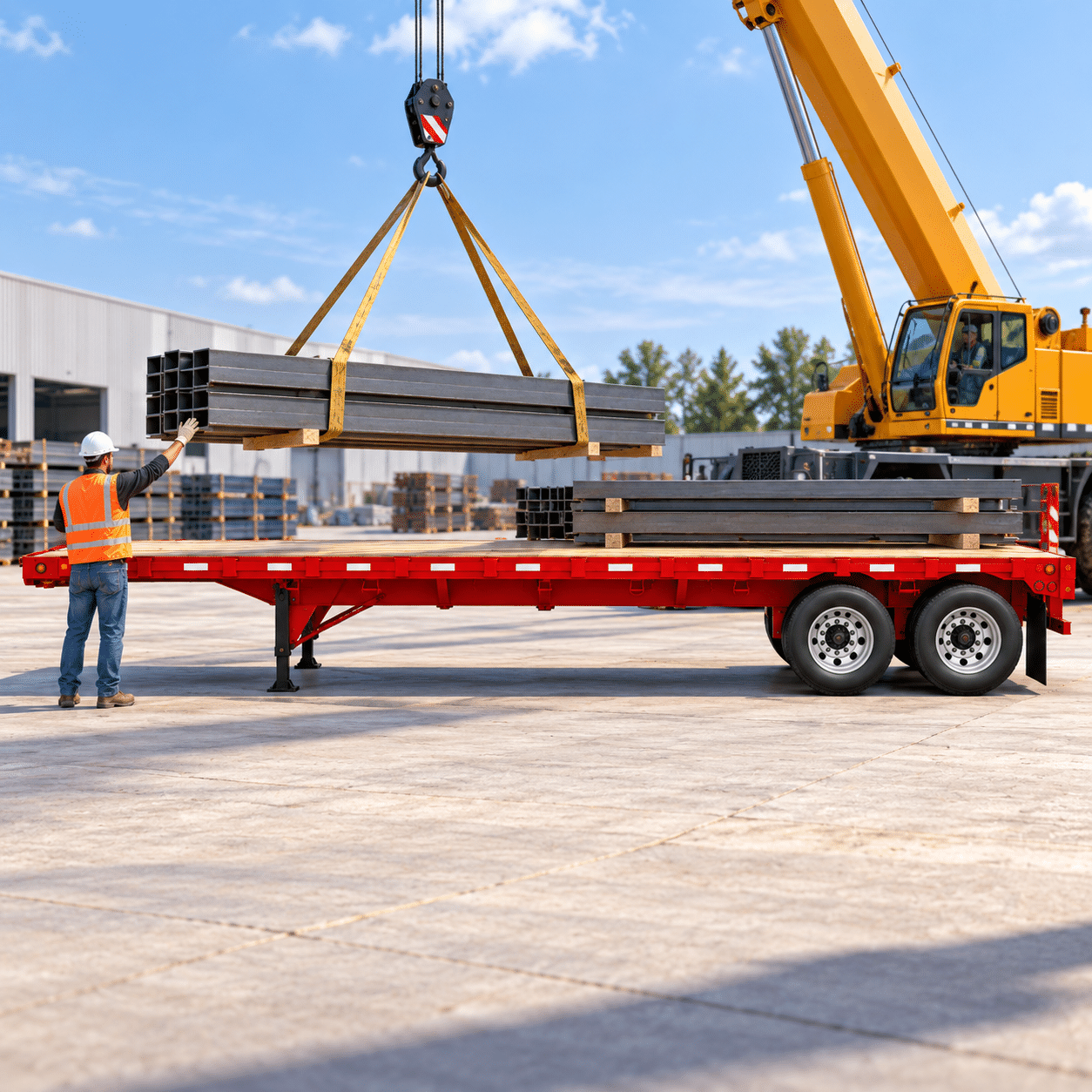
Standard Flatbed trailers are commonly available in two main lengths:
Both sizes use the same basic open-deck design. Equipment may also vary by axle configuration depending on the trailer, cargo weight, and route requirements.
For loads that exceed the practical length of a standard Flatbed, an Extendable / Stretch Flatbed may be required and is treated as a separate trailer type in this guide.
| Specification | Typical Range |
|---|---|
| Trailer Length | 48–53 ft |
| Deck Width | About 102 in / 8.5 ft |
| Deck Height | About 5 ft |
| Typical Load Height | Up to about 8.5 ft without over-height requirements |
| Load Length | 48–53 ft |
| Payload Capacity | About 46,000–48,000 lbs |
Note: Dimensions, deck height, and payload capacity may vary by trailer configuration, manufacturer, tractor setup, cargo distribution, and applicable weight regulations. Oversized or over-dimensional freight may require permits, route planning, escorts, or specialized equipment.
| ✅ Best For | ❌ Not Ideal For |
|---|---|
| Steel and structural materials | Weather-sensitive cargo without adequate protection |
| Lumber and building materials | Temperature-controlled freight |
| Machinery and industrial equipment | Freight requiring a fully enclosed trailer |
| Construction materials | Very tall cargo better suited to a Step Deck or Lowboy |
| Oversized or irregularly shaped freight | Self-propelled heavy equipment better suited to an RGN |
| Cargo requiring side or top loading | Small standard freight better suited to a Dry Van |
Flatbeds are particularly useful when cargo dimensions or loading requirements make an enclosed trailer impractical. However, because the deck is open, weather exposure and cargo securement must be considered during shipment planning.
Our team of logistics experts is ready to optimize your supply chain and deliver seamless shipping solutions.

Flatbed trailers are commonly used across industries that move large, heavy, or irregularly shaped freight.
Construction & Building Materials
Manufacturing & Industrial
Energy & Infrastructure
Agriculture & Equipment
Before booking a Flatbed, confirm:
When evauating flatbed options, always consider:
A Flatbed is usually a good option when your shipment:
A different trailer may be more appropriate when cargo requires additional vertical clearance, extra deck length, ground-level loading, or enclosed weather protection.
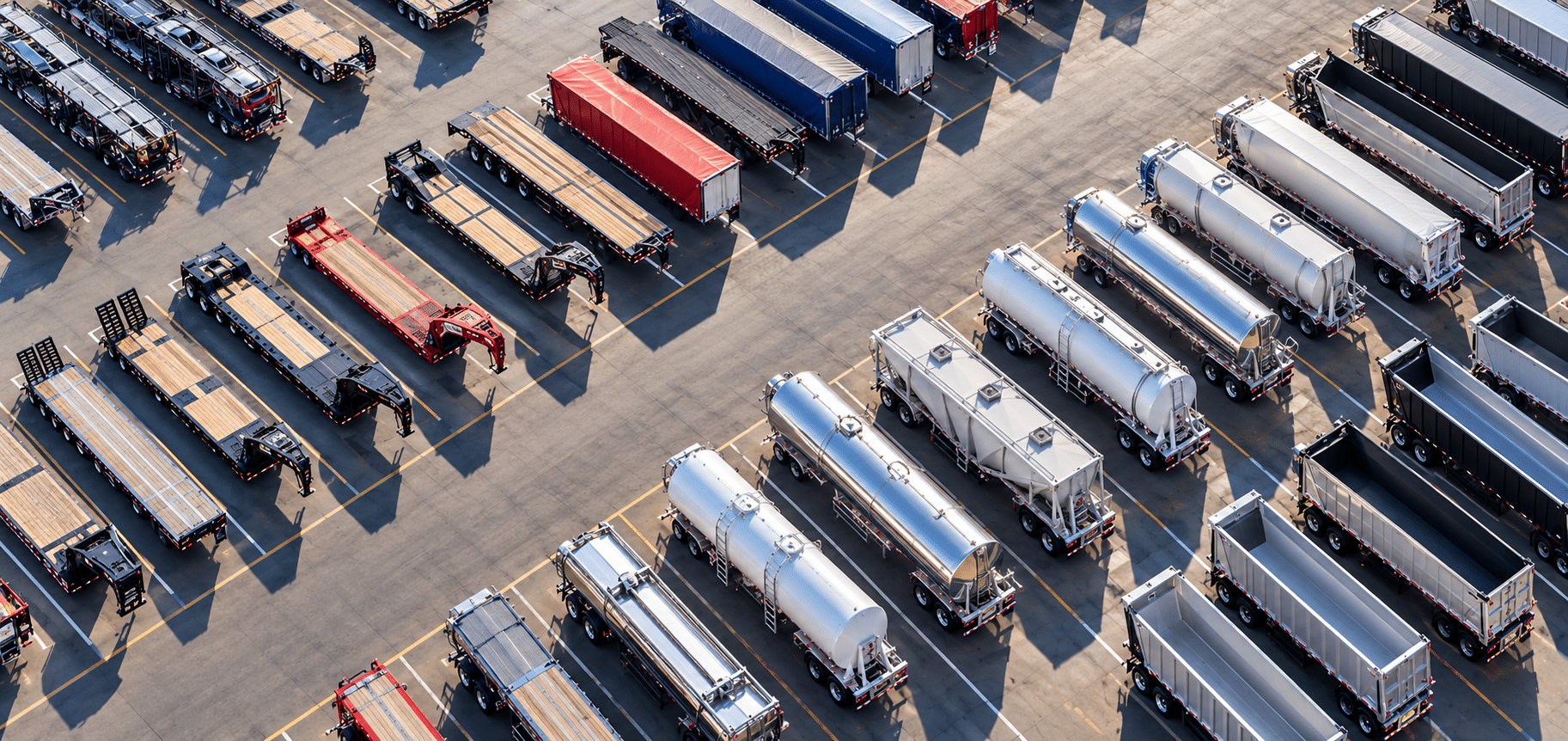
LAC coordinates Flatbed and other Ground Freight solutions across North America based on your cargo, dimensions, route, timing, and equipment requirements.
Learn from the experiences of those who matter most: our customers







 LAC Blog
 Export Guides
 Transport Guides
 Logistics Glossary
 Container Types Guide
 Trailers Types Guide
 Incoterms 2020 Rules