

 Request a Quote
Start shipping now
Request a Quote 
Start shipping now
Request a Quote
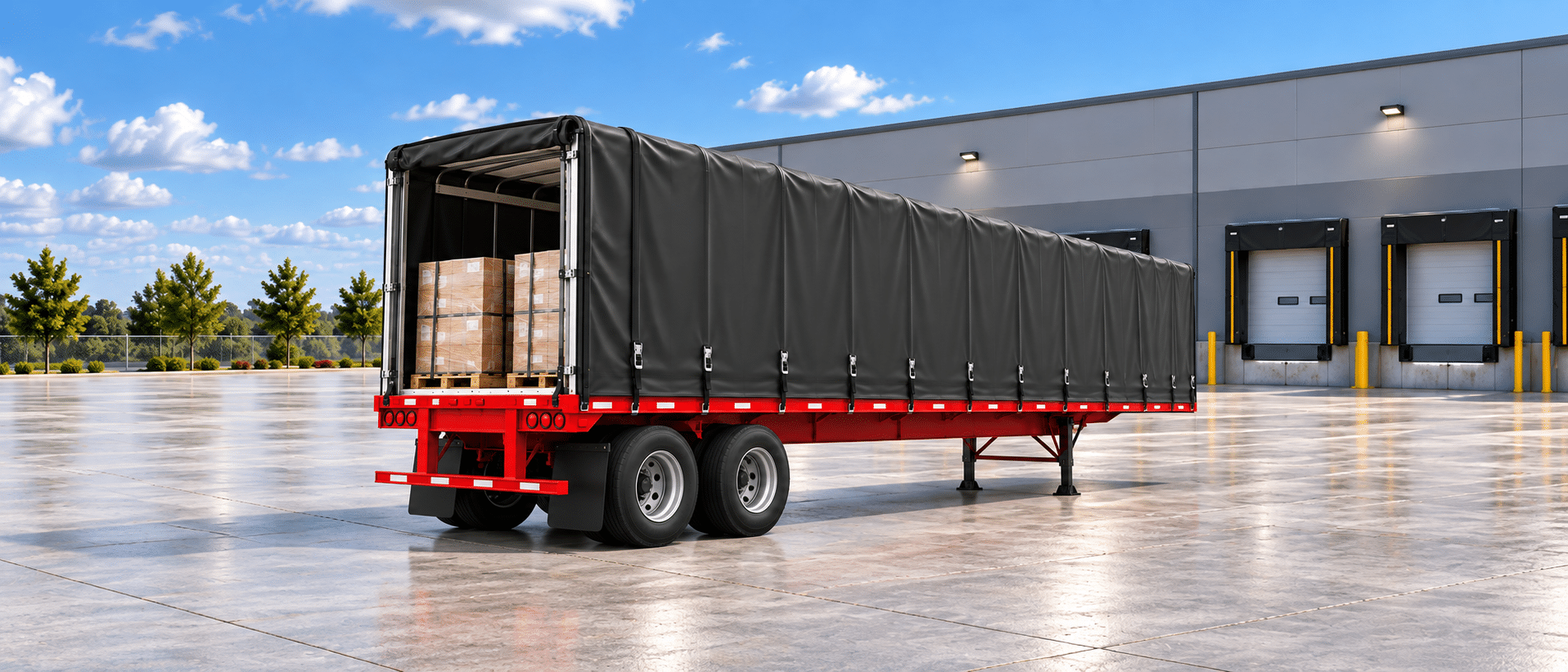
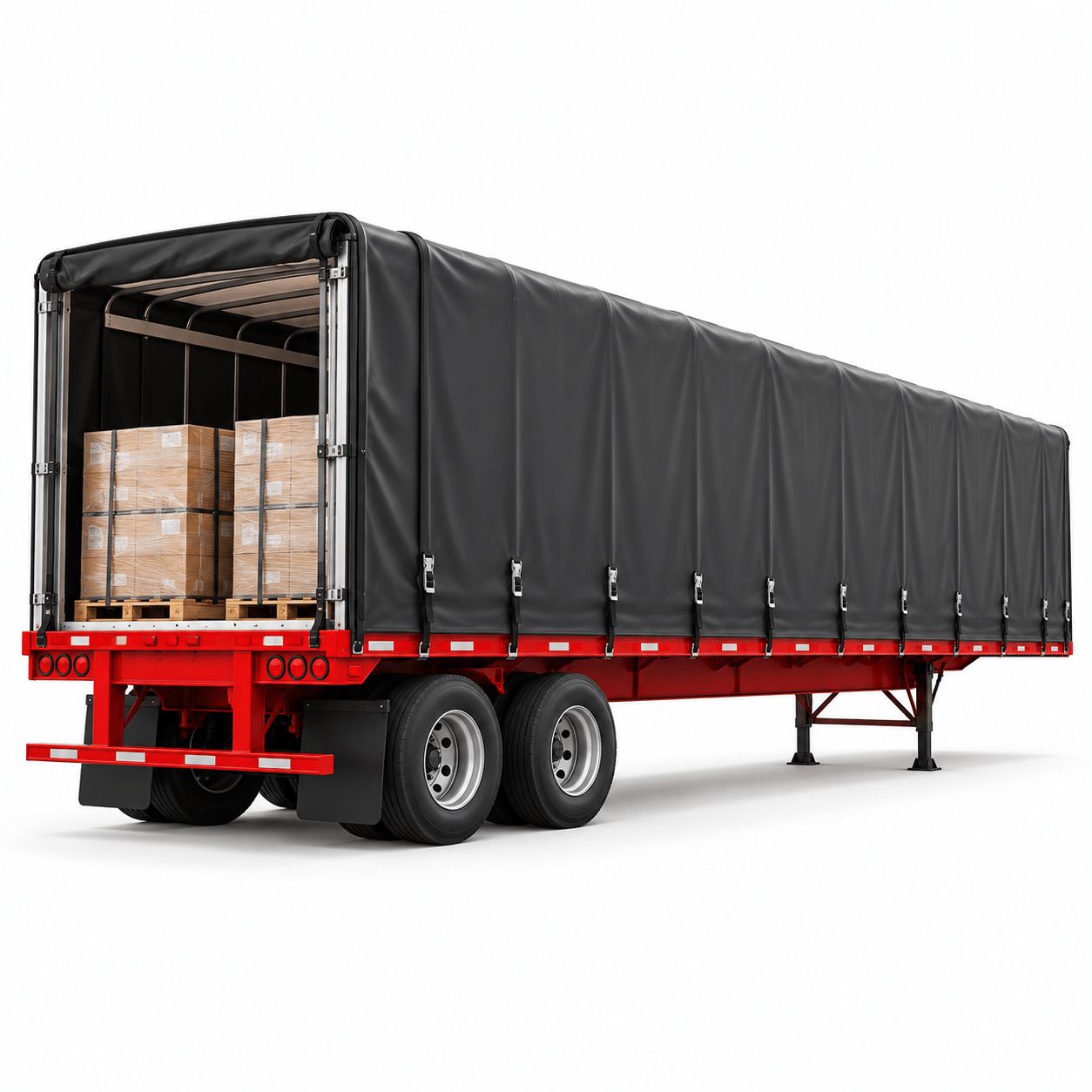
Conestoga trailers combine the loading flexibility of an open-deck trailer with a retractable tarp system that covers the cargo during transit.
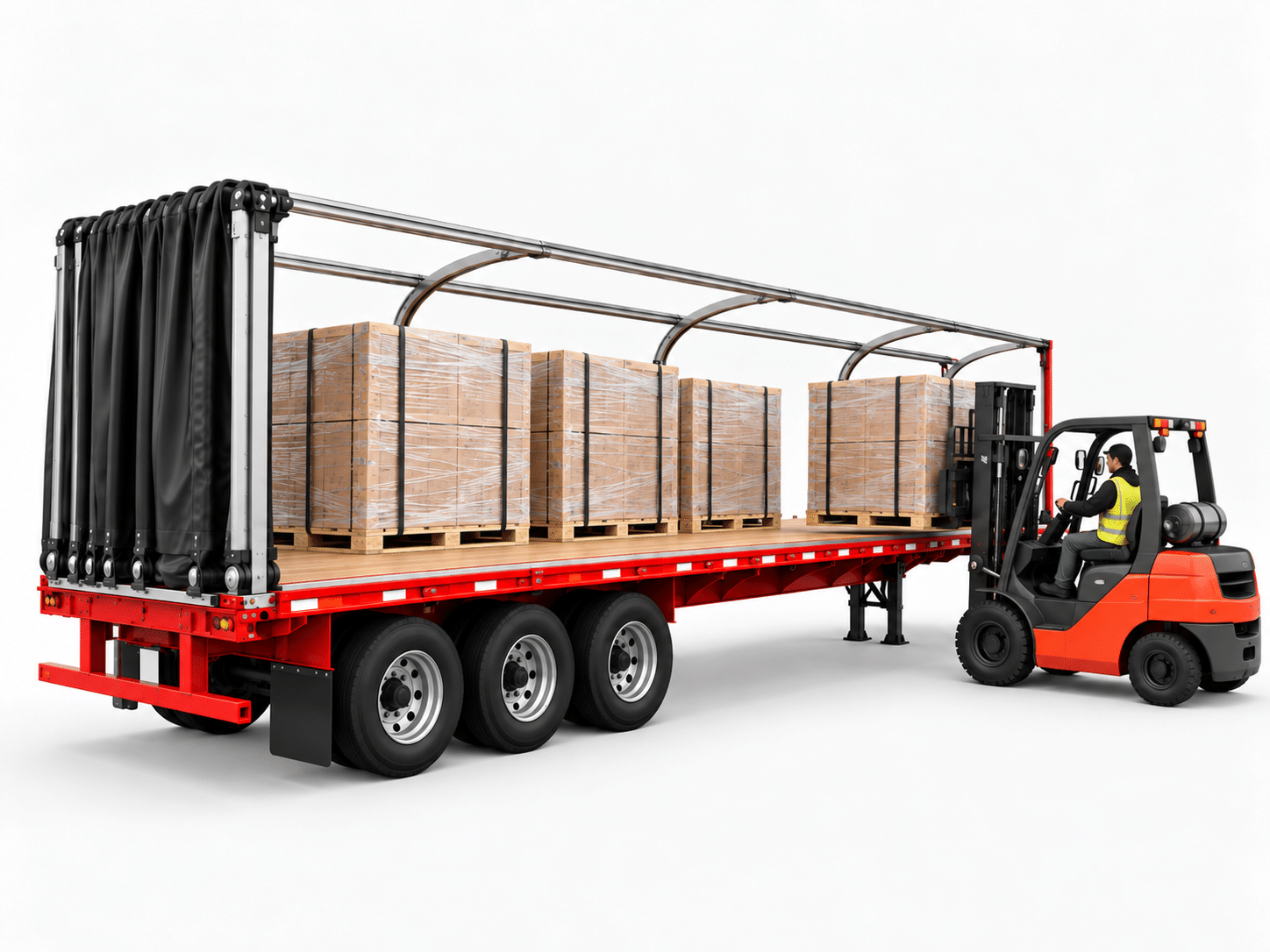
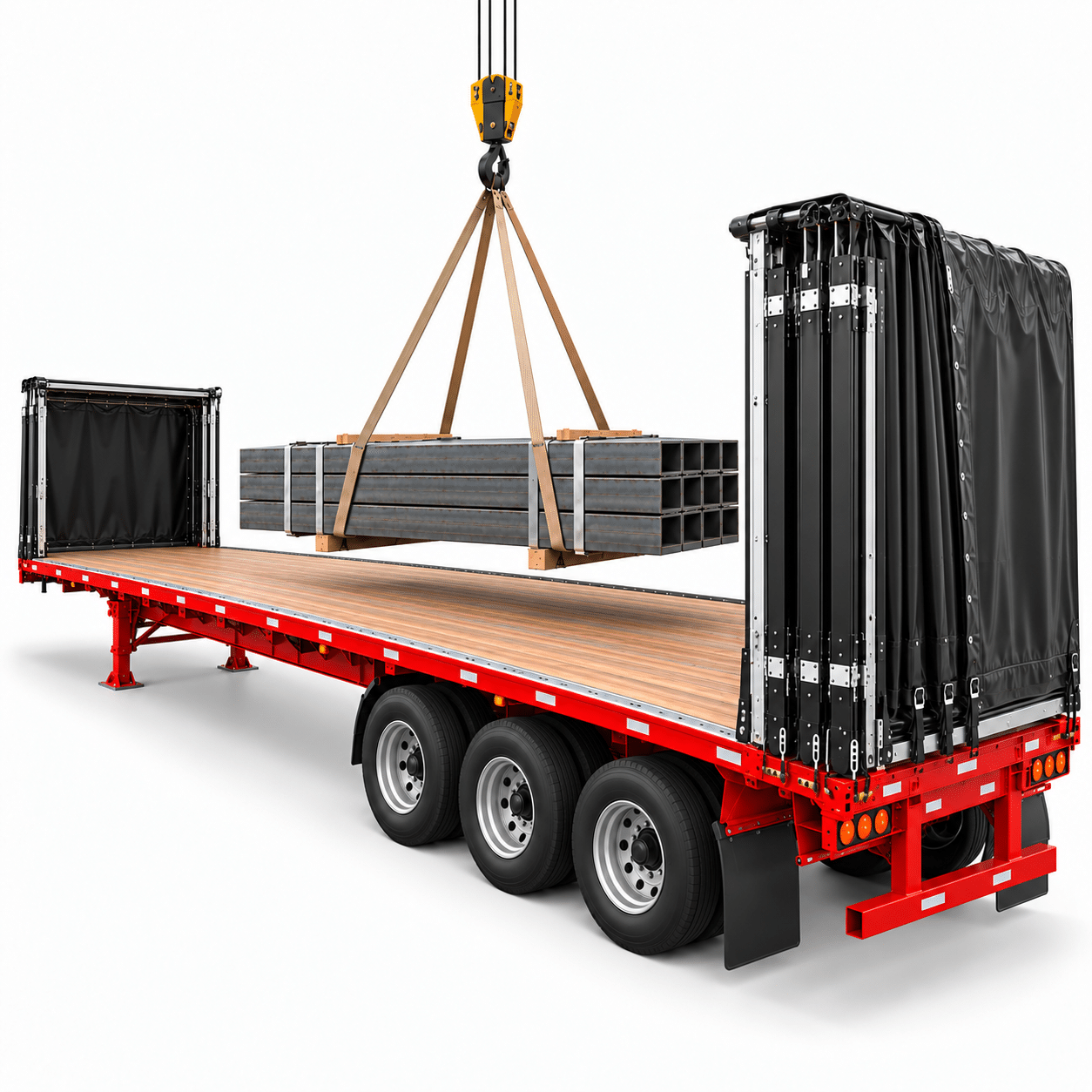
The tarp and supporting frame slide along tracks mounted on the trailer. When the system is retracted, the cargo deck can be accessed from the sides, rear, or top for loading and unloading. Once closed, the system provides enclosed protection without requiring the cargo to be loaded through fixed rear doors.
This makes Conestoga equipment useful for freight that benefits from Flatbed-style loading access but also requires protection from weather and road exposure.
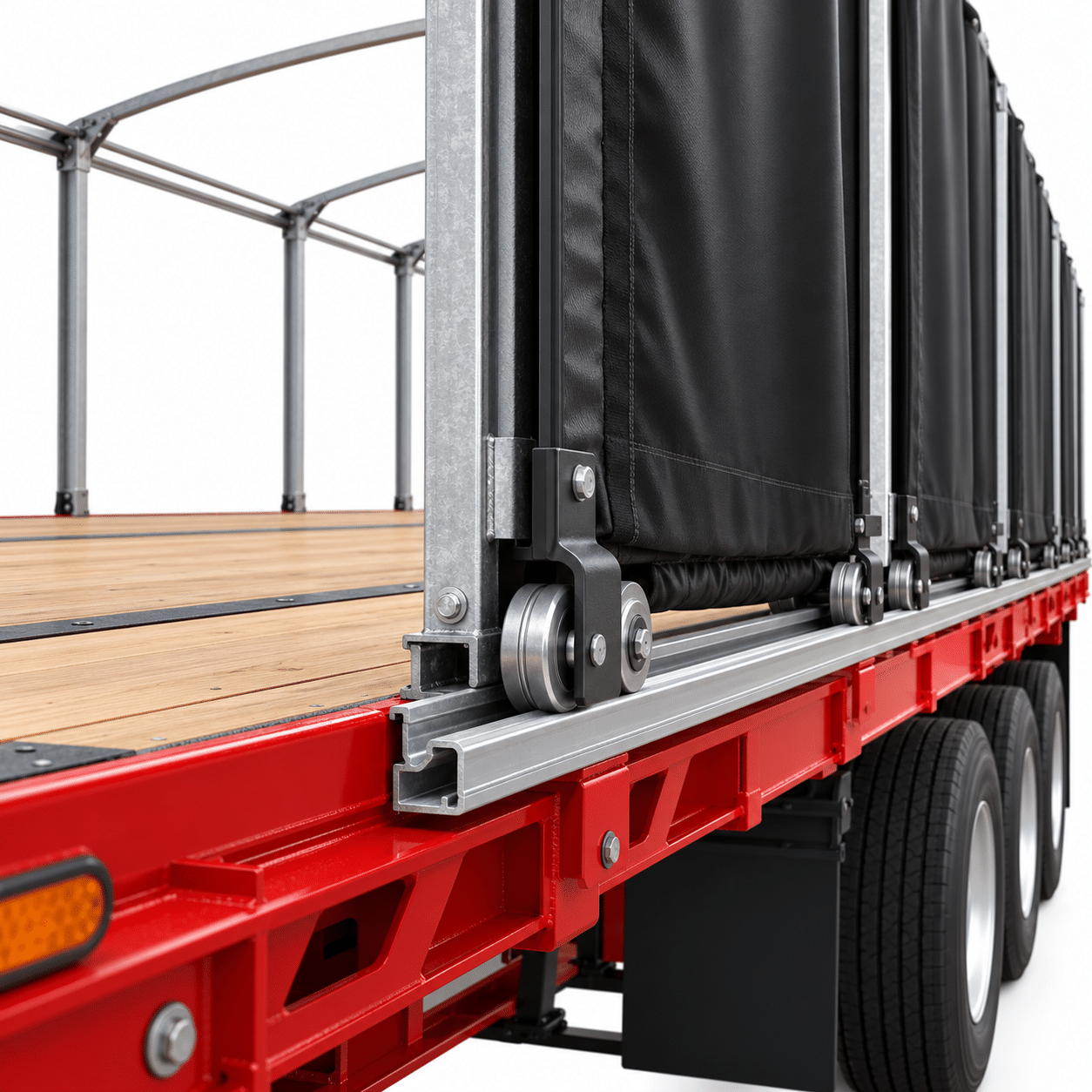
The Aero Conestoga system uses a wheel-and-track design that allows the covering structure to roll open and closed along the trailer.
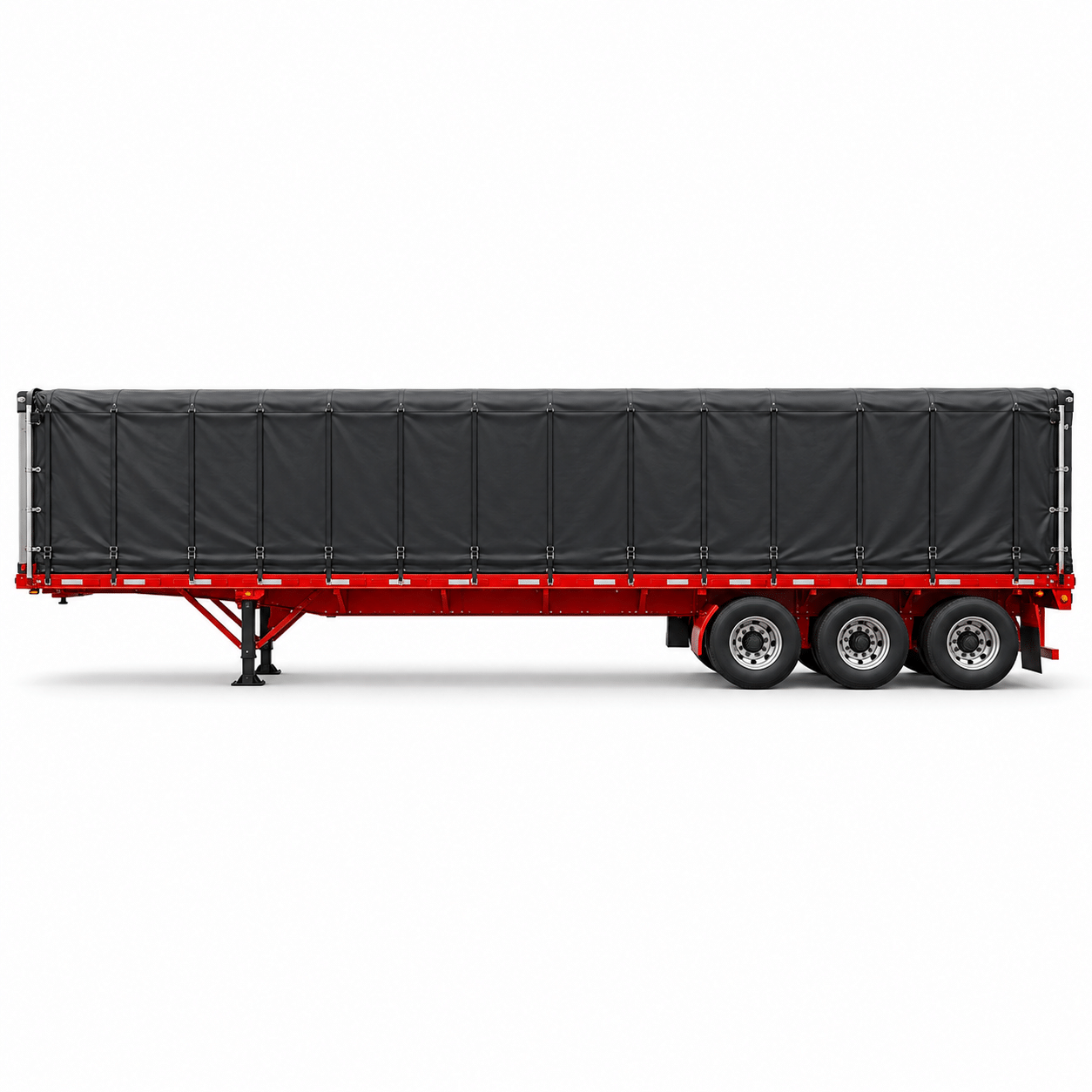
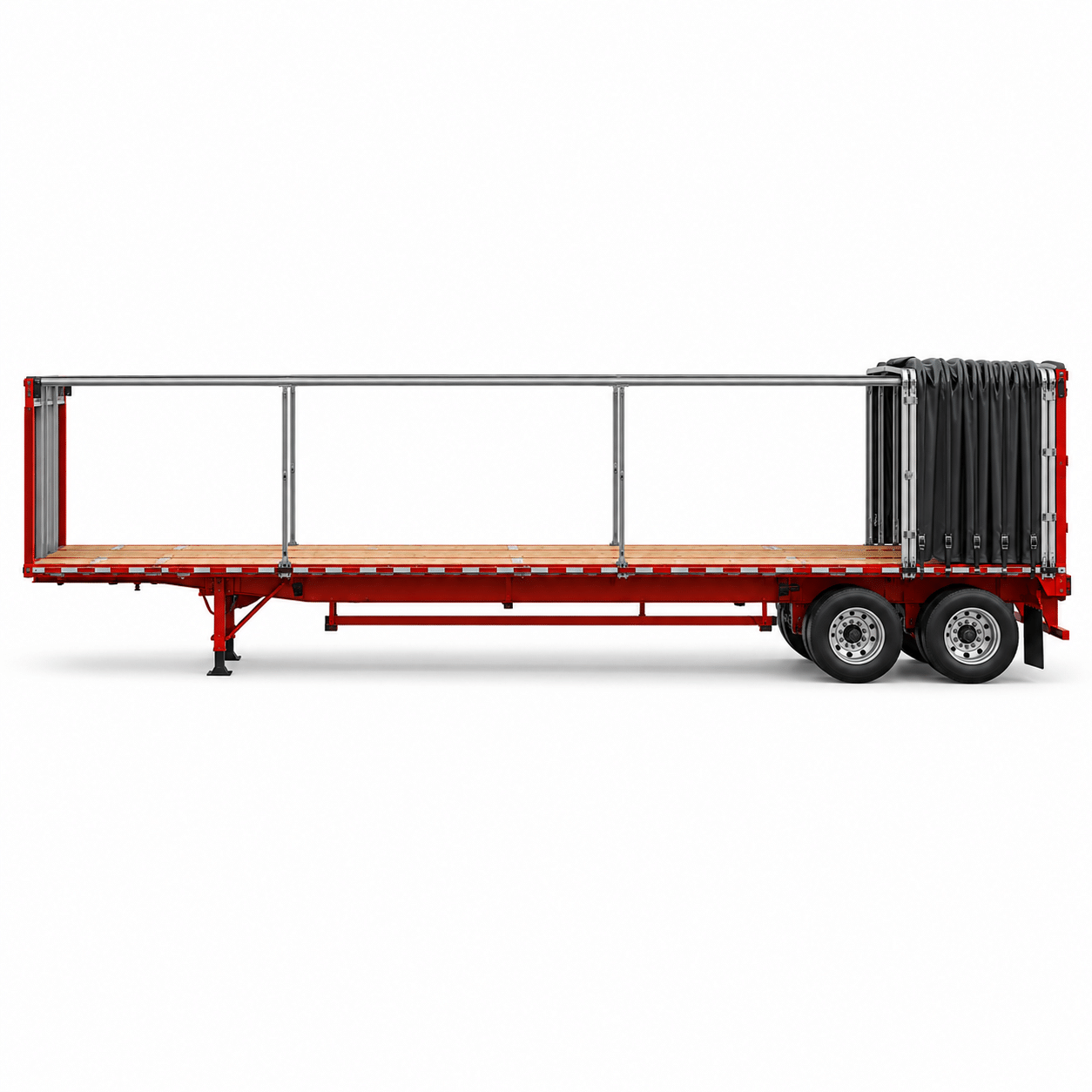
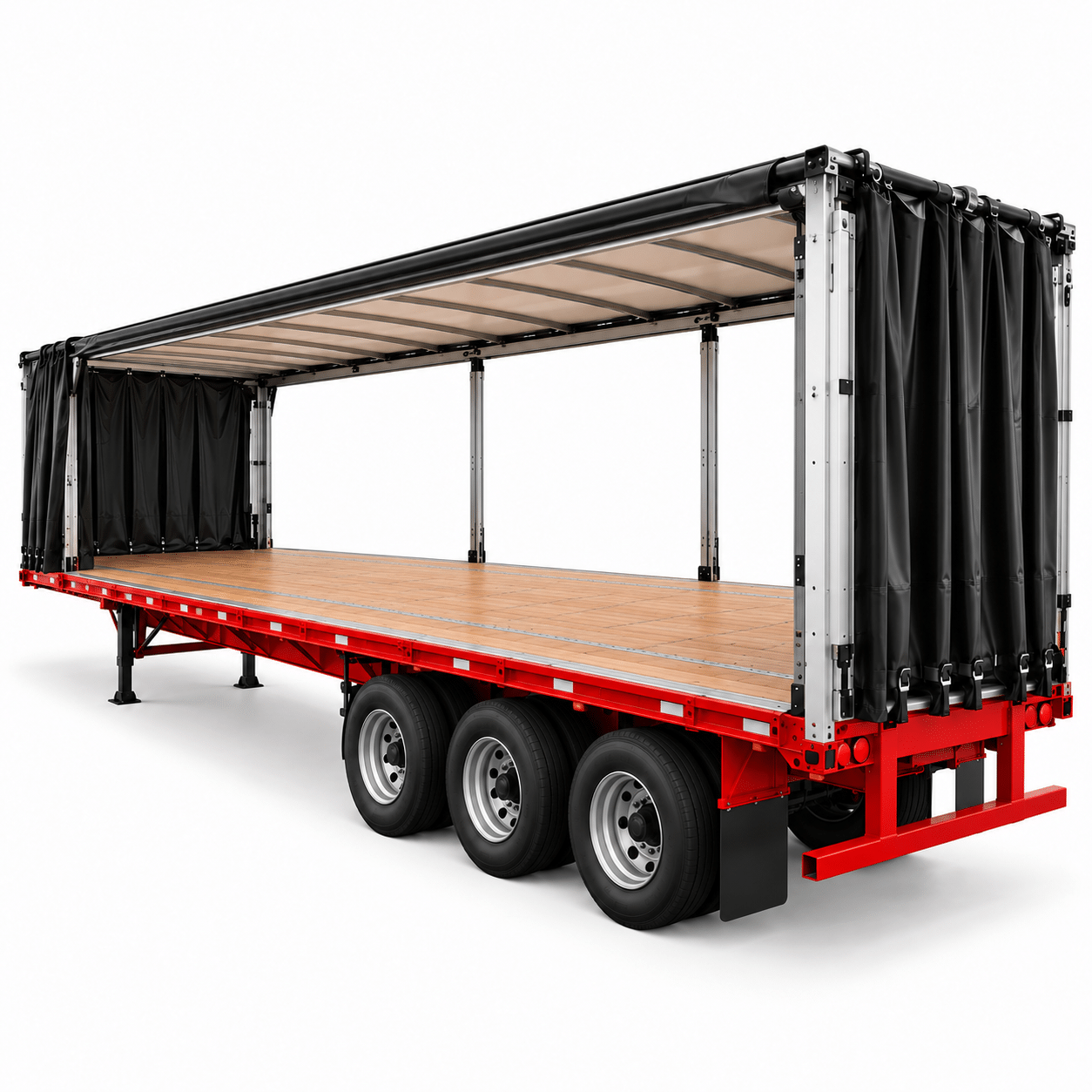
Conestoga systems can be installed on different trailer platforms and therefore do not have one universal configuration.
Common trailer lengths include:
Common configurations may include:
Aero’s current ordering specifications include 45 ft, 48 ft, and 53 ft trailer lengths, 96 in and 102 in trailer widths, and system heights ranging from approximately 60 in to 120 in depending on configuration.
Because the Conestoga system can be installed on different base trailers, cargo dimensions and capacity should always be confirmed for the specific equipment being used.
| Specification | Typical Example / Range |
|---|---|
| Trailer Length | Commonly 45–53 ft |
| Trailer Width | Common base-trailer options include 96 or 102 in |
| System Height | Approx. 60–120 in depending on configuration |
| Standard System Heights | Common options include 84, 96, 98, 100, 102 and 104 in |
| Deck Height | Depends on underlying Flatbed or Drop Deck configuration |
| Payload Capacity | Depends on underlying trailer, tractor, axle configuration, and tarp system |
Aero’s current ordering documentation lists multiple system heights rather than one standard enclosure height, reflecting the customized nature of Conestoga equipment. Note: Trailer length, system height, usable cargo clearance, deck height, and allowable payload vary by the underlying trailer and Conestoga configuration. Confirm the specific equipment dimensions before booking.
| ✅ Best For | ❌ Not Ideal For |
|---|---|
| Freight requiring side loading | Temperature-controlled cargo |
| Cargo requiring top loading | Extremely oversized freight exceeding enclosure limits |
| Machinery and industrial equipment | Cargo requiring an Extendable trailer |
| Steel and fabricated components | Very tall cargo exceeding system height |
| Building materials | Heavy equipment requiring ground-level loading |
| Freight requiring weather protection | Cargo better suited to specialized Lowboy or RGN equipment |
| Palletized cargo requiring flexible access | Freight incompatible with enclosed tarp clearance |
Conestoga trailers are particularly useful when cargo needs both flexible loading access and enclosed protection.
Cargo that exceeds the dimensions of the tarp structure may require a conventional Flatbed, Step Deck, or specialized open-deck trailer instead.
Conestoga trailers can support a wide range of cargo that benefits from open-deck loading and protection during transit.
Manufacturing & Industrial
Construction & Building Materials
Steel & Metal Products
Distribution & General Freight
Before booking a Conestoga trailer, confirm:
Keep note of these critical points:
A Conestoga is usually a good option when your shipment:
A different trailer may be more appropriate when cargo exceeds the enclosure dimensions, requires temperature control, requires additional deck length, or needs a significantly lower loading height.

LAC coordinates Conestoga and other Ground Freight solutions across North America based on your cargo dimensions, loading requirements, route, timing, and equipment needs.
Learn from the experiences of those who matter most: our customers










 LAC Blog
 Export Guides
 Transport Guides
 Logistics Glossary
 Container Types Guide
 Trailers Types Guide
 Incoterms 2020 Rules