

 Request a Quote








 LAC Blog
 Export Guides
 Transport Guides
 Logistics Glossary
 Container Types & Sizes
 Incoterms 2020 Rules


Cross-border logistics is the coordinated movement of commercial goods across international borders, integrating transportation, storage, customs clearance, and documentation into a single process. Unlike single-mode shipping, it involves multiple stakeholders on both sides of the border. This guide covers the modes involved, the players who make it happen, customs basics, and how a freight forwarder keeps shipments moving without delays.
What Cross-Border Logistics Means
Rather than a single move, cross-border logistics is a chain of handoffs: a shipment only clears the border once every party in that chain — shipper, carrier, customs broker, and often a freight forwarder — has done its part. Every shipment depends on coordination between multiple parties on both sides of the border, not a single carrier acting alone. That coordination, more than the physical move itself, is what actually defines cross-border logistics for shippers moving commercial freight internationally between neighboring countries and regions.
Cross-Border Versus Domestic Freight
Domestic freight is comparatively simple: book a carrier, load the cargo, deliver it within one country’s borders. Cross-border shipping adds layers that domestic moves never encounter, including customs clearance, import and export documentation, and country-specific regulatory compliance on both sides of the crossing. A shipment that never leaves one country skips all of this entirely. Once it crosses a border, customs and compliance requirements become just as important as the transportation itself, and often more so on complex lanes.
Ground, Ocean and Air Modes
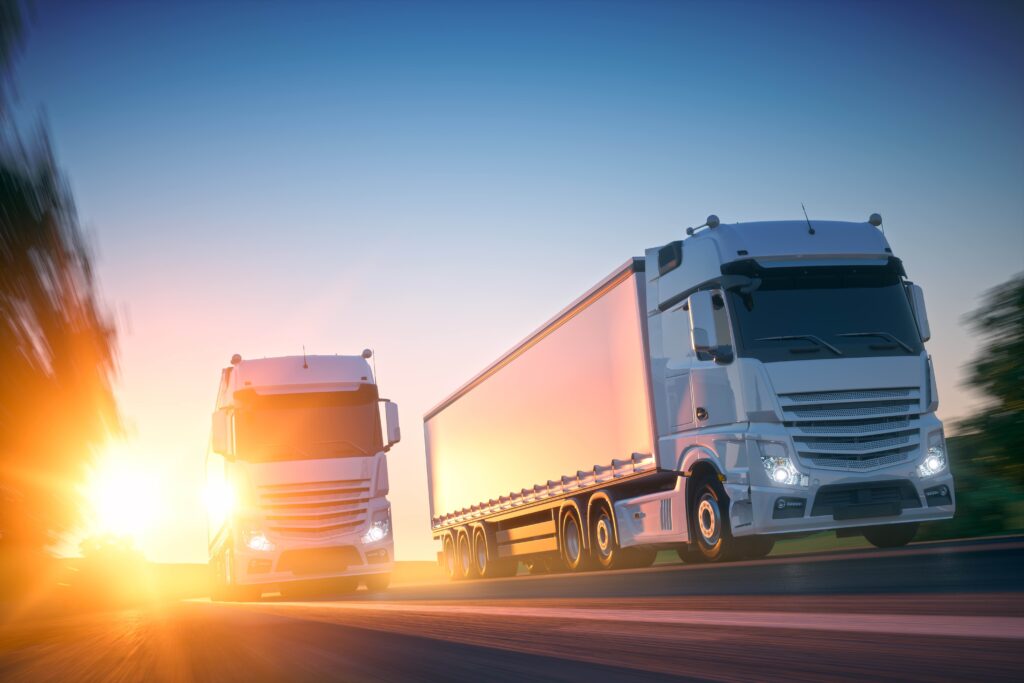
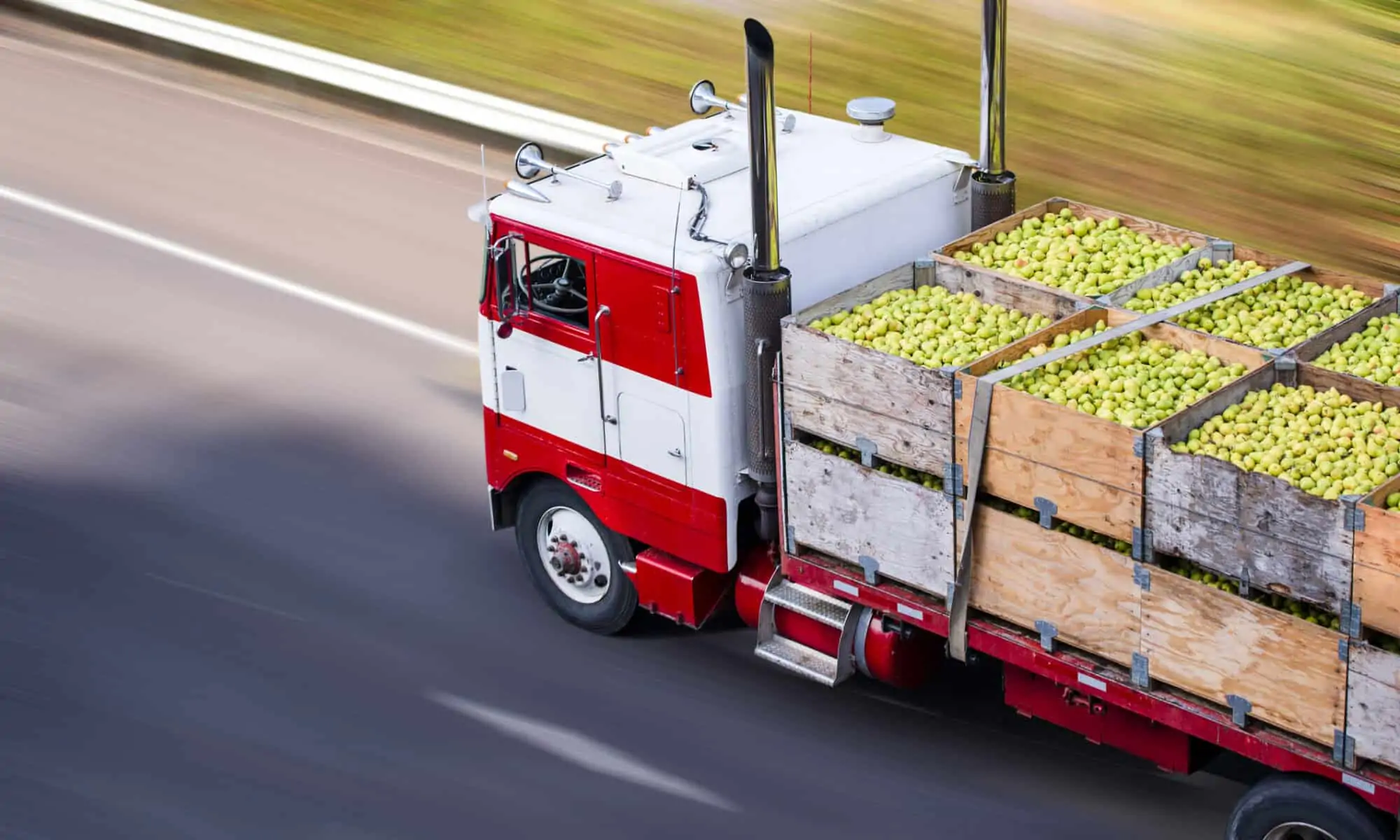
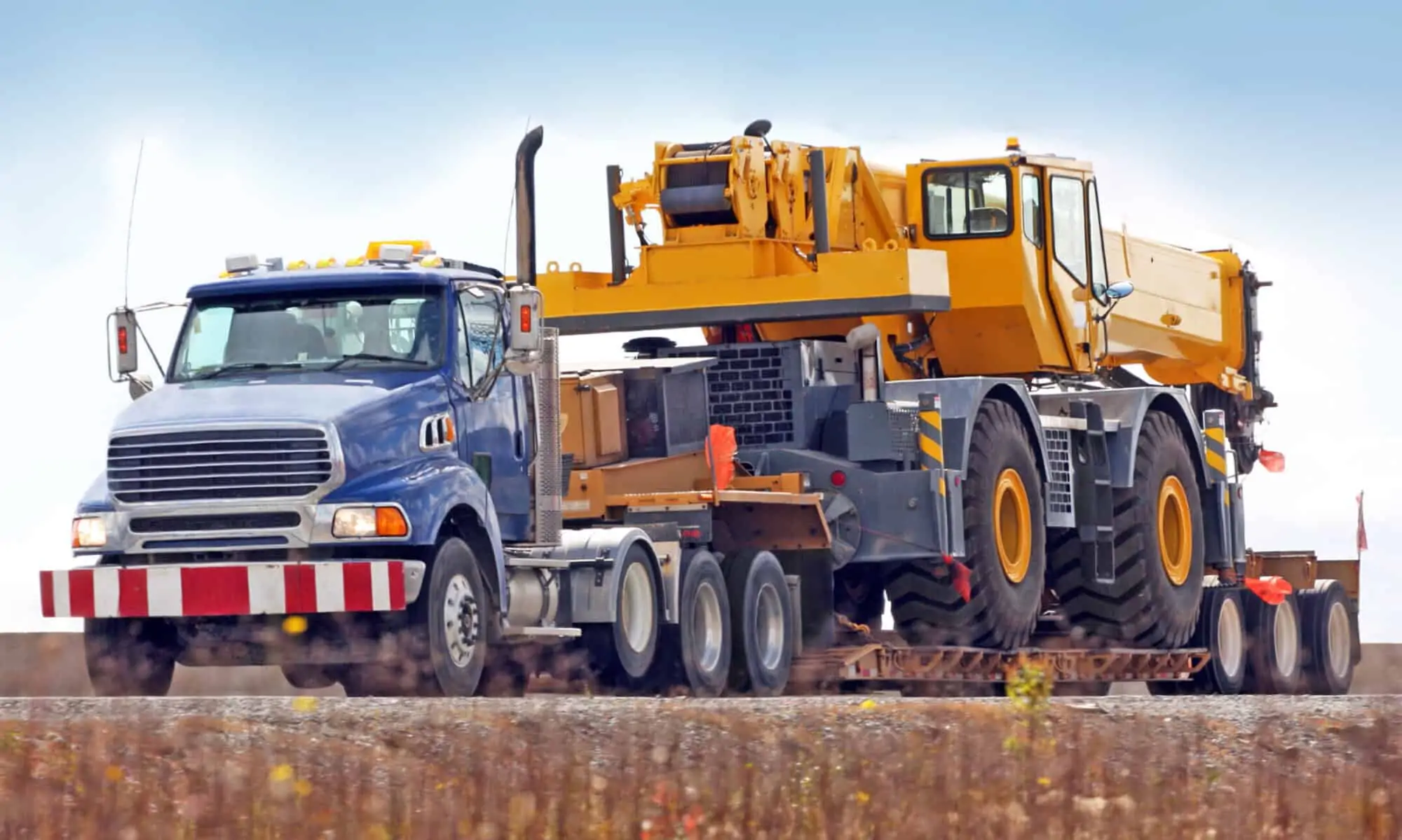
Mode choice for cross-border shipping depends on volume, urgency, and destination. Ground trucking, whether Full Truckload (FTL) or Less-Than-Truckload (LTL), suits time-sensitive North American lanes between the US, Mexico, and Canada. Ocean freight fits bulk, non-urgent cargo where cost matters more than speed. Air freight covers time-sensitive or high-value goods that can’t wait for a truck or vessel. Most shippers combine modes across their supply chain rather than relying on a single mode throughout the year.
Who Handles Your Freight
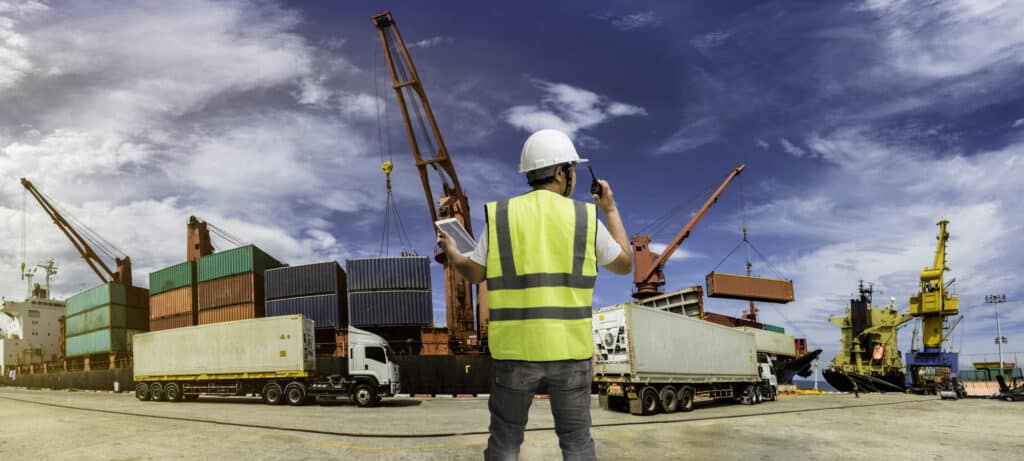
A typical cross-border shipment involves more people than most shippers expect. The shipper initiates the move, a carrier or airline physically transports it, and a customs broker on each side of the border files entry and export documentation. Many shipments also involve a freight forwarder, who coordinates carriers, modes, and customs steps end-to-end, so the shipper is not managing each relationship separately along the entire route from origin to final destination.
USMCA and Preferential Tariffs
The United States-Mexico-Canada Agreement (USMCA) sets the framework governing trade across the three countries. Qualifying goods can receive preferential tariff treatment, but only if they meet the agreement’s rules of origin and are backed by a valid certificate of origin. USMCA does not automatically lower duties on every shipment crossing the border; eligibility depends on where and how the goods were produced and on documentation that accurately, completely, and consistently supports the claimed origin for each shipment.
Documentation Shippers Must Prepare
Paperwork errors are a leading cause of border holds, so accuracy matters more than the sheer volume of documents submitted. Core requirements typically include a commercial invoice, a packing list, an accurate Harmonized System (HS) code classification, and, when preferential tariffs are being claimed, a certificate of origin. Vague product descriptions or mismatched values between documents are common triggers for delay, even when every other part of the shipment is otherwise fully in order and compliant.
Common Causes of Border Delays
Most border delays trace back to preventable issues rather than random chance. Incomplete or mismatched customs documentation, incorrect HS codes, and missing permits for regulated goods are frequent culprits, alongside routine or targeted inspections. None of these are unavoidable outcomes of cross-border logistics. Shippers who prepare accurate paperwork well in advance and classify goods correctly significantly reduce their exposure to border hold-ups, consistently keeping shipments on schedule.
How LAC™ Supports Cross-Border Shippers
LAC™ has coordinated freight across North America and Latin America for 25+ years, giving shippers a partner familiar with the realities covered throughout this guide. The team offers ground service — including Full Truckload (FTL) and Less-Than-Truckload (LTL) — alongside ocean and air options. That’s backed by bilingual, bicultural coordination and working knowledge of USMCA requirements and regional customs procedures across the North American and Latin American trade lanes LAC™ serves daily for importers and exporters alike.
Freight Forwarders Add Value
A carrier moves cargo from one point to another. International freight forwarding is different: it means arranging and coordinating multiple carriers, modes, and customs steps on the shipper’s behalf, without operating the trucks, vessels, or aircraft directly. That distinction matters because a forwarder’s job is oversight and coordination across an entire shipment’s journey — not the physical transport of any single leg. That’s where individual carriers come in.
Choosing the Right Partner
Comparing cross-border logistics companies comes down to a few concrete criteria rather than general reputation alone. Look for documented customs expertise, not just passing familiarity with the paperwork involved. Confirm coverage across the specific modes and lanes the shipment needs, whether ground, ocean, or air. Finally, weigh a track record specific to the trade corridor in question, since experience gained on one route does not always transfer cleanly to another lane or region.
Technology and Shipment Visibility
Real-time tracking and shipment visibility tools have become standard expectations rather than added extras for cross-border freight. They let shippers anticipate border wait times, plan pickup and delivery windows around customs processing, and respond quickly if a shipment is unexpectedly held. That visibility does not eliminate the operational uncertainty that comes with crossing borders, but it gives shippers the information needed to manage it proactively rather than reactively at every stage of the shipment’s transit.
Conclusion
Cross-border logistics combines transportation, documentation, and customs coordination among multiple stakeholders, from carriers and brokers to forwarders who manage the full move. Domestic shipping does not require any of this — crossing a border does. Choosing the right mode for the cargo and partnering with a company that understands customs requirements and regional lanes reduces the delay risk inherent in cross-border shipping, keeping freight moving predictably and reliably from origin to the final destination every time.
FAQs
What is the difference between a freight forwarder and a carrier?
A carrier is the party that physically transports the cargo, whether by truck, vessel, or aircraft. A freight forwarder does not own that transportation; instead, it arranges and coordinates the shipment across multiple carriers, modes, and customs steps on the shipper’s behalf. In practice, forwarders manage the overall journey and paperwork, while carriers handle the physical movement of goods between specific points along the route.
Do I need a customs broker for cross-border shipping?
Most commercial cross-border shipments require a licensed customs broker on the importing side of the transaction. Brokers file entry documentation with customs authorities and calculate the duties and taxes owed on the shipment. While shippers can technically self-file in some cases, the complexity of accurate HS code classification and documentation makes a broker’s involvement standard practice for commercial cross-border shipping.
What is USMCA and how does it affect cross-border freight?
The United States-Mexico-Canada Agreement (USMCA) is the trade agreement governing commerce between the three countries. It sets rules of origin that determine which goods qualify for preferential tariff treatment when moving across US, Mexican, and Canadian borders. Meeting those rules and documenting them with a valid certificate of origin is what allows a shipment to actually benefit from reduced tariffs under the agreement’s specific terms and conditions.
How long does cross-border customs clearance usually take?
Clearance time varies based on the mode of transport, the type of cargo, and the accuracy of the accompanying documentation. There is no single standard timeline across all cross-border logistics moves. The biggest factor shippers can control is submitting complete, accurate paperwork in advance of arrival, since documentation problems, not the border crossing itself, typically extend clearance well beyond a shipment’s expected timeline.
What industries commonly use cross-border logistics services?
Manufacturing, automotive, industrial equipment, and consumer goods businesses trading between North America and Latin America are among the most frequent users of cross-border logistics services. These industries typically move recurring volumes across the same trade lanes, making consistent customs compliance and reliable transit times especially important to their operations. Any business regularly moving commercial freight across an international border relies on some form of cross-border logistics support year-round, regardless of industry size.
Is ocean freight or ground trucking better for cross-border shipments?
The right choice depends on cargo urgency, shipment size, and the distance between origin and destination. Ground trucking suits time-sensitive North American lanes where speed matters and volumes fit a truckload or partial load. Ocean freight suits larger, non-urgent volumes where cost efficiency outweighs speed. Neither mode is universally better for cross-border freight; the decision comes down to what the specific shipment requires most, on a case-by-case basis.