

 Request a Quote
Start shipping now
Request a Quote 
Start shipping now
Request a Quote
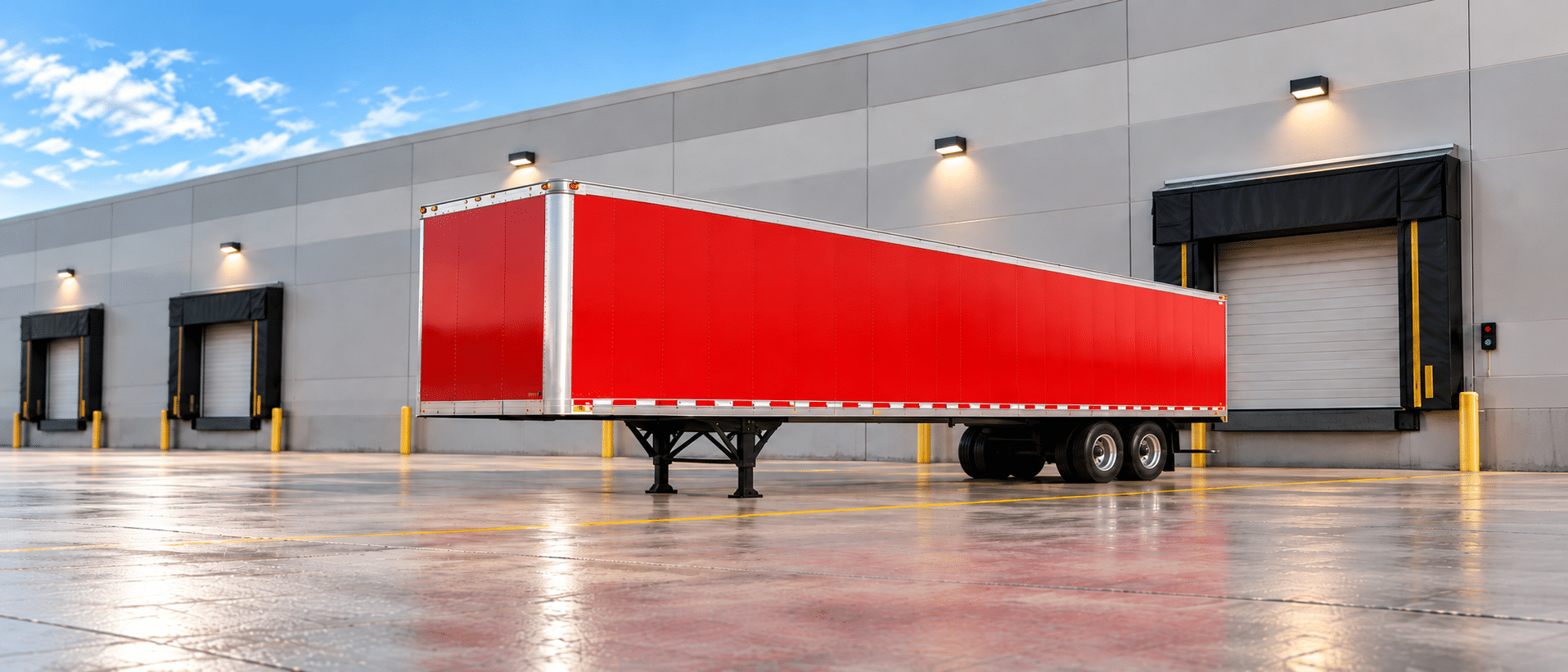
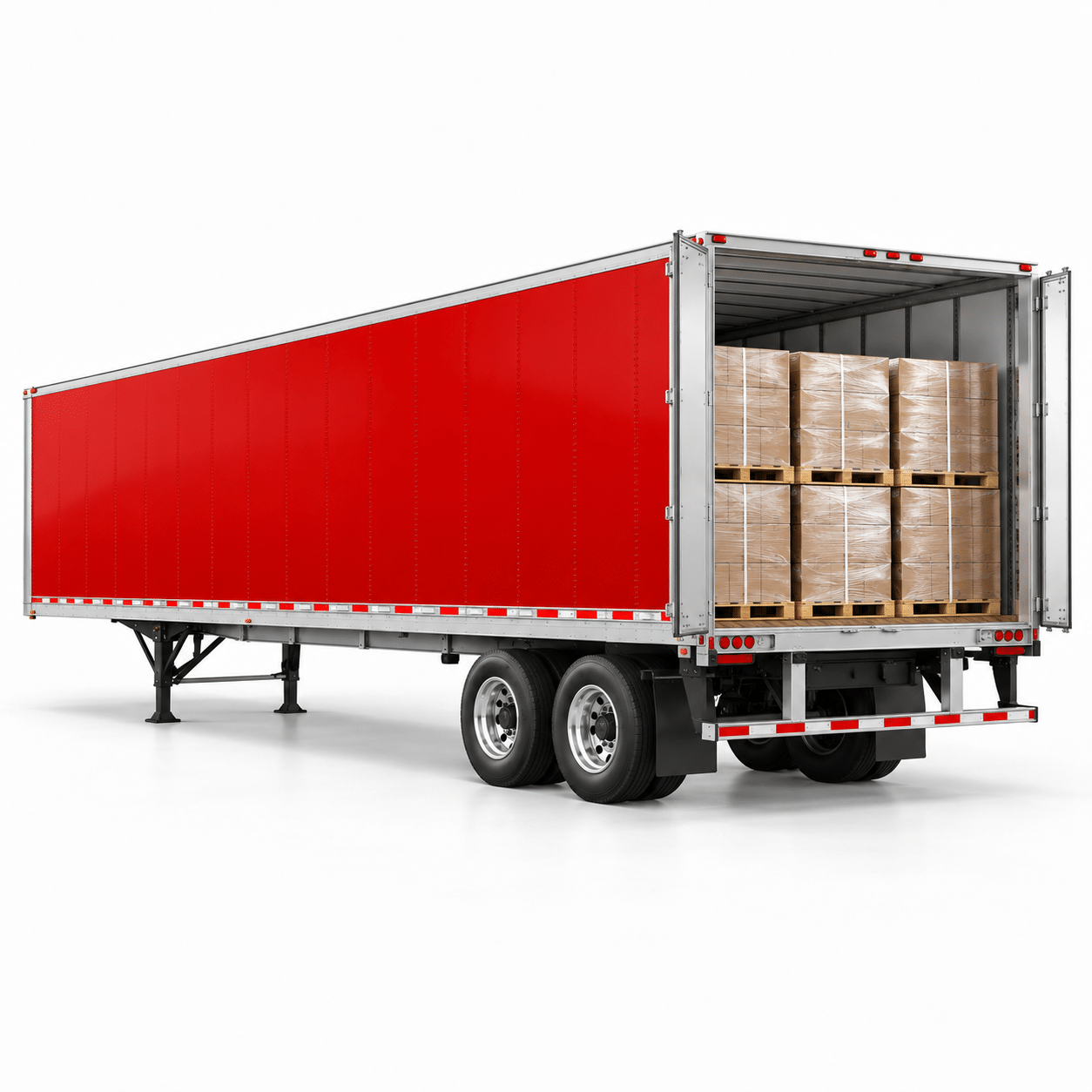
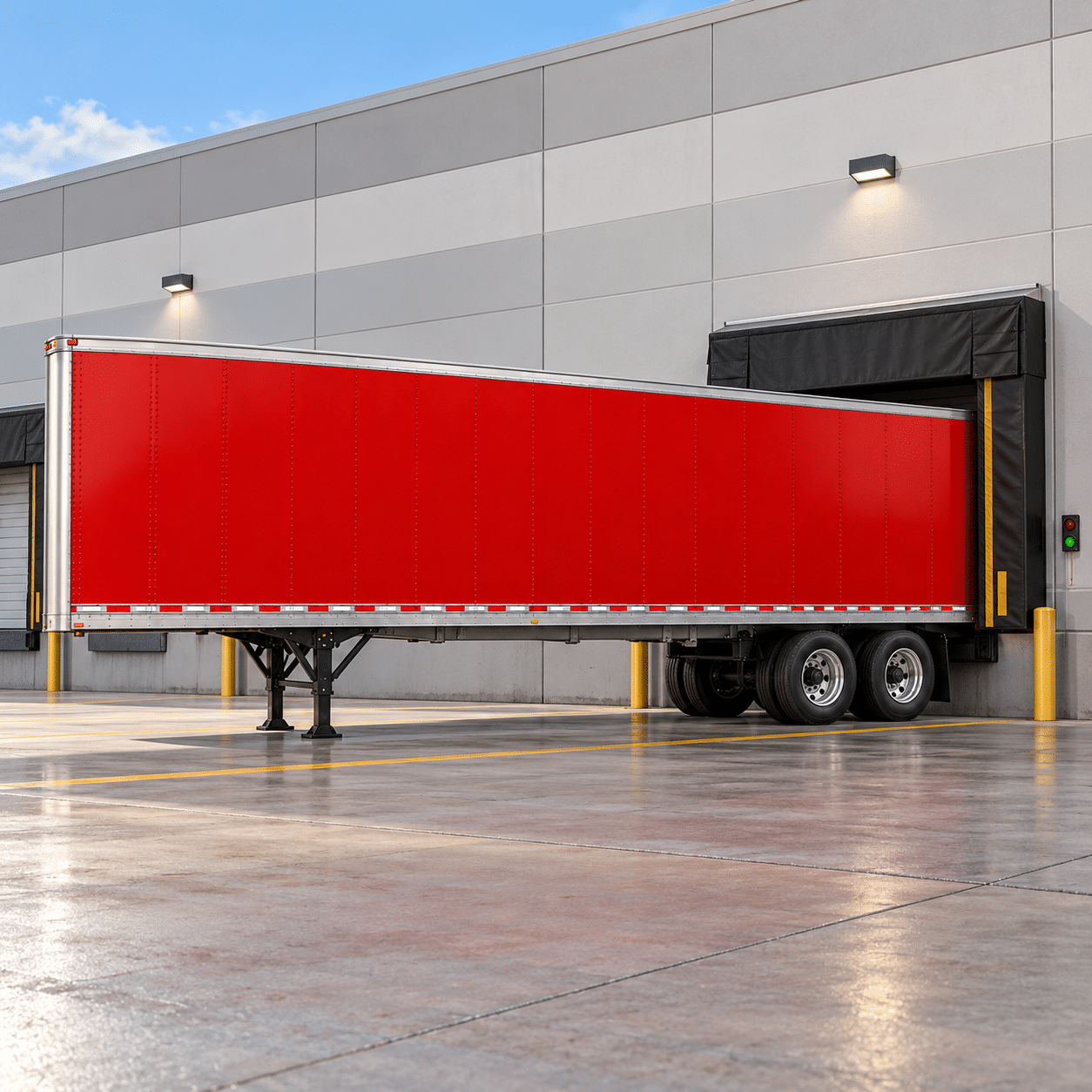
Dry Van trailers are fully enclosed, non-temperature-controlled trailers designed for standard dry freight. They protect cargo from weather during transit and are commonly used for palletized, boxed, and packaged shipments.
They are typically loaded through rear doors and work best for freight that fits within standard trailer dimensions and does not require refrigeration or specialized loading equipment.
Key characteristics:
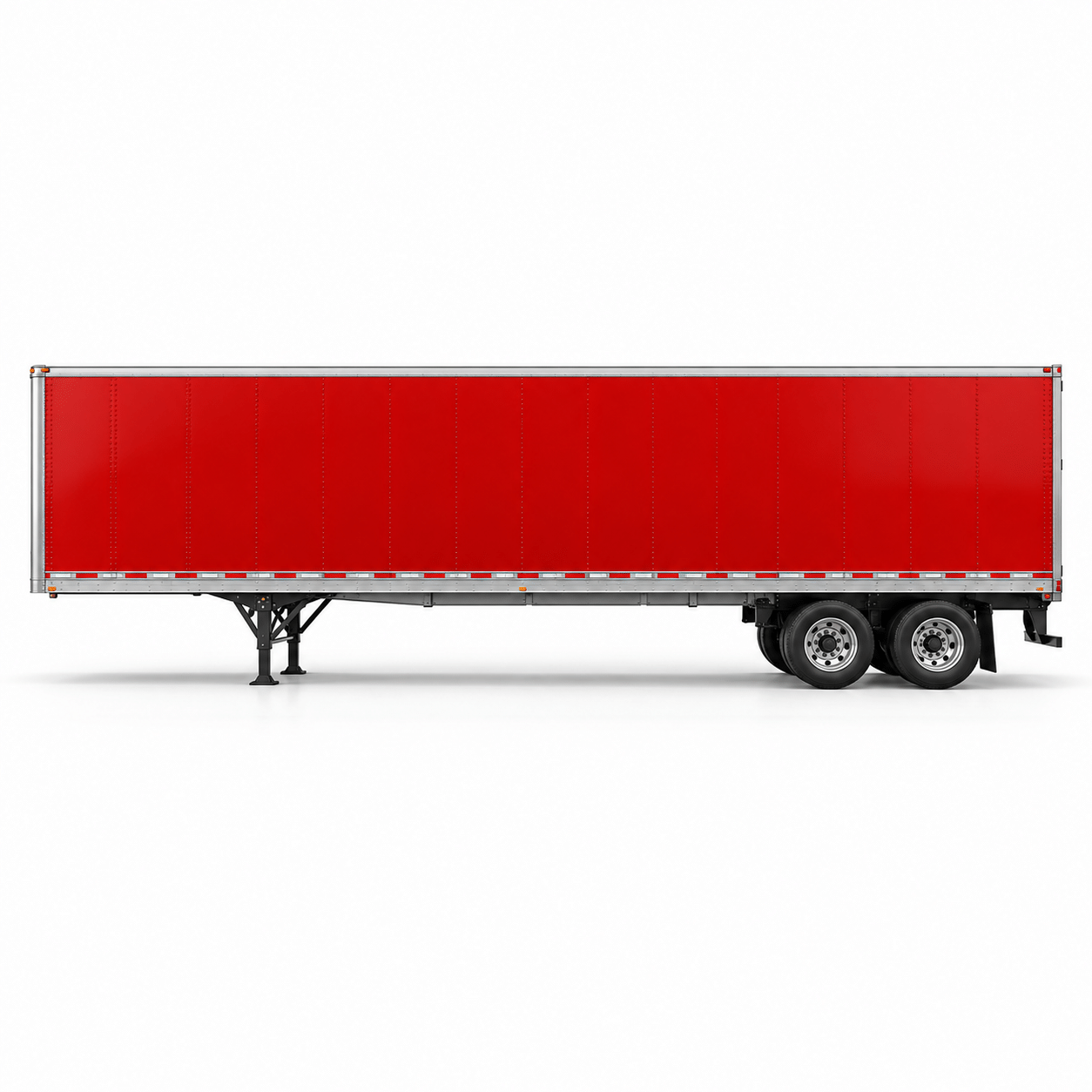
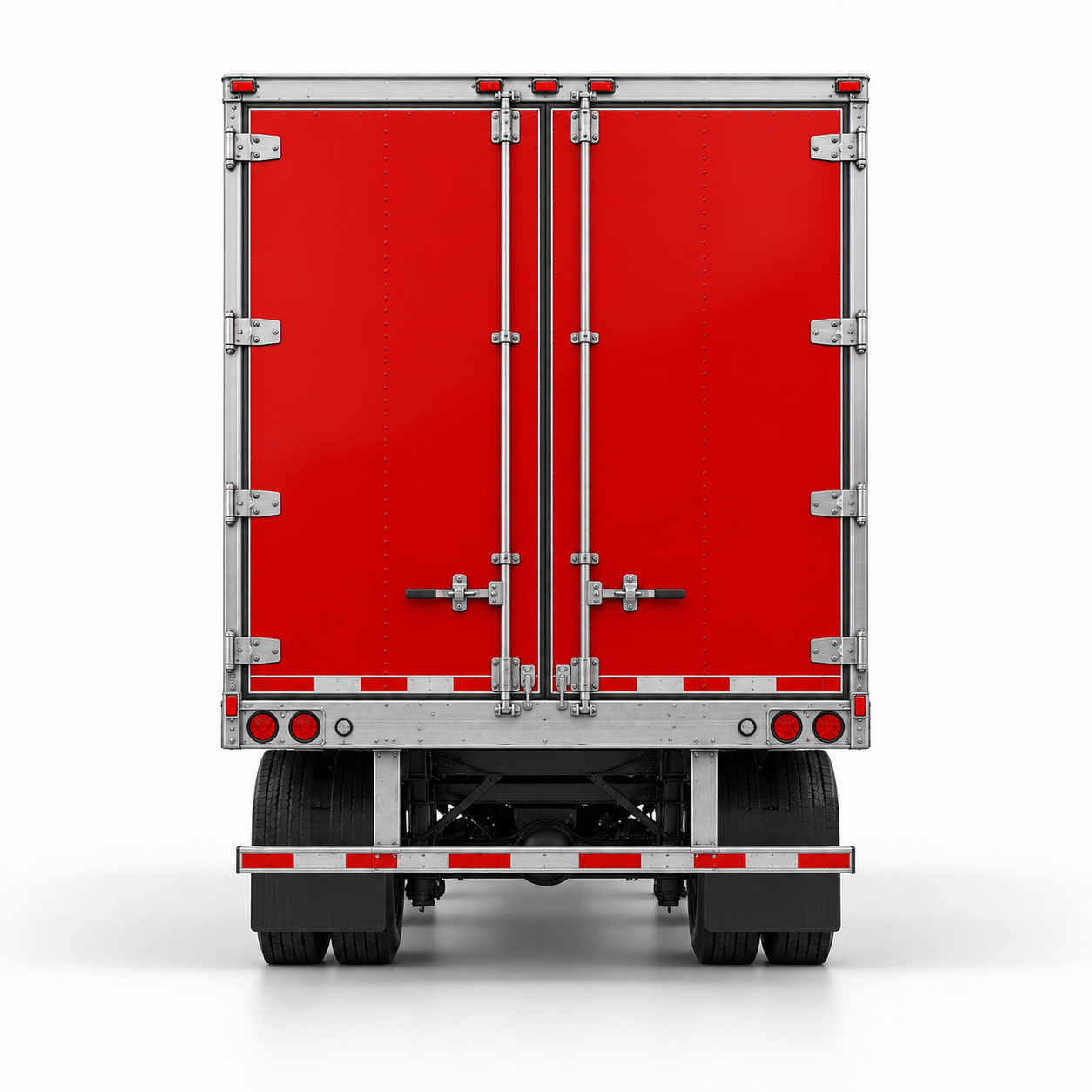
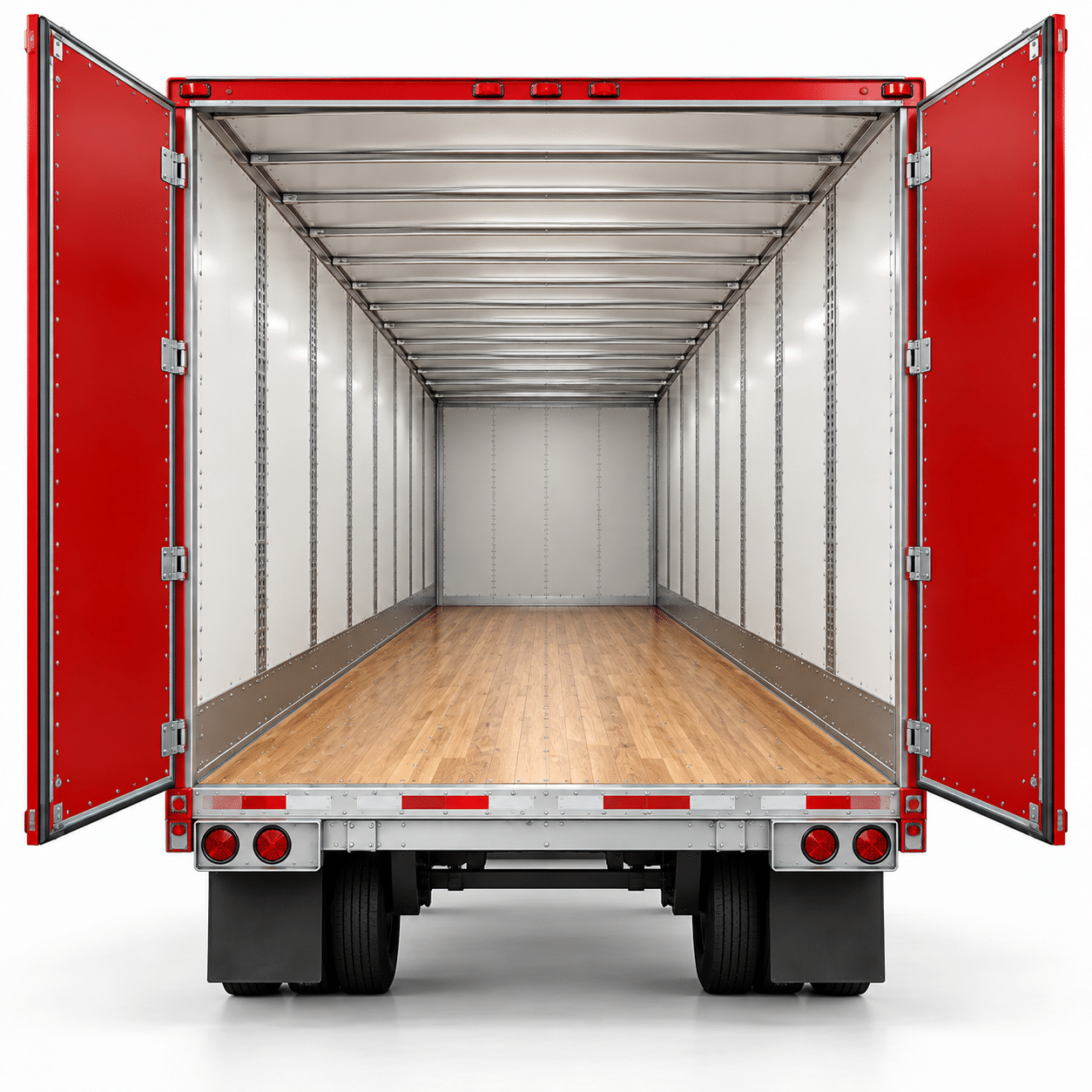
Dry Van trailers are commonly available in two standard lengths:
Both configurations serve the same general purpose. The main differences are available cargo space and overall capacity, so they can be covered within the same equipment page rather than treated as separate trailer types.
| Specification | Typical Range |
|---|---|
| Trailer Length | 48–53 ft |
| Exterior Width | About 102 in |
| Interior Width | About 100–101 in |
| Interior Height | About 110 in (9.2 ft) |
| Door Opening | Approx. 95–100 in W × 104–110 in H |
| Payload Capacity | About 42,000–45,000 lbs |
Note: Dimensions and payload capacity may vary by trailer configuration, manufacturer, and applicable weight regulations.
| ✅ Best For | ❌ Not Ideal For |
|---|---|
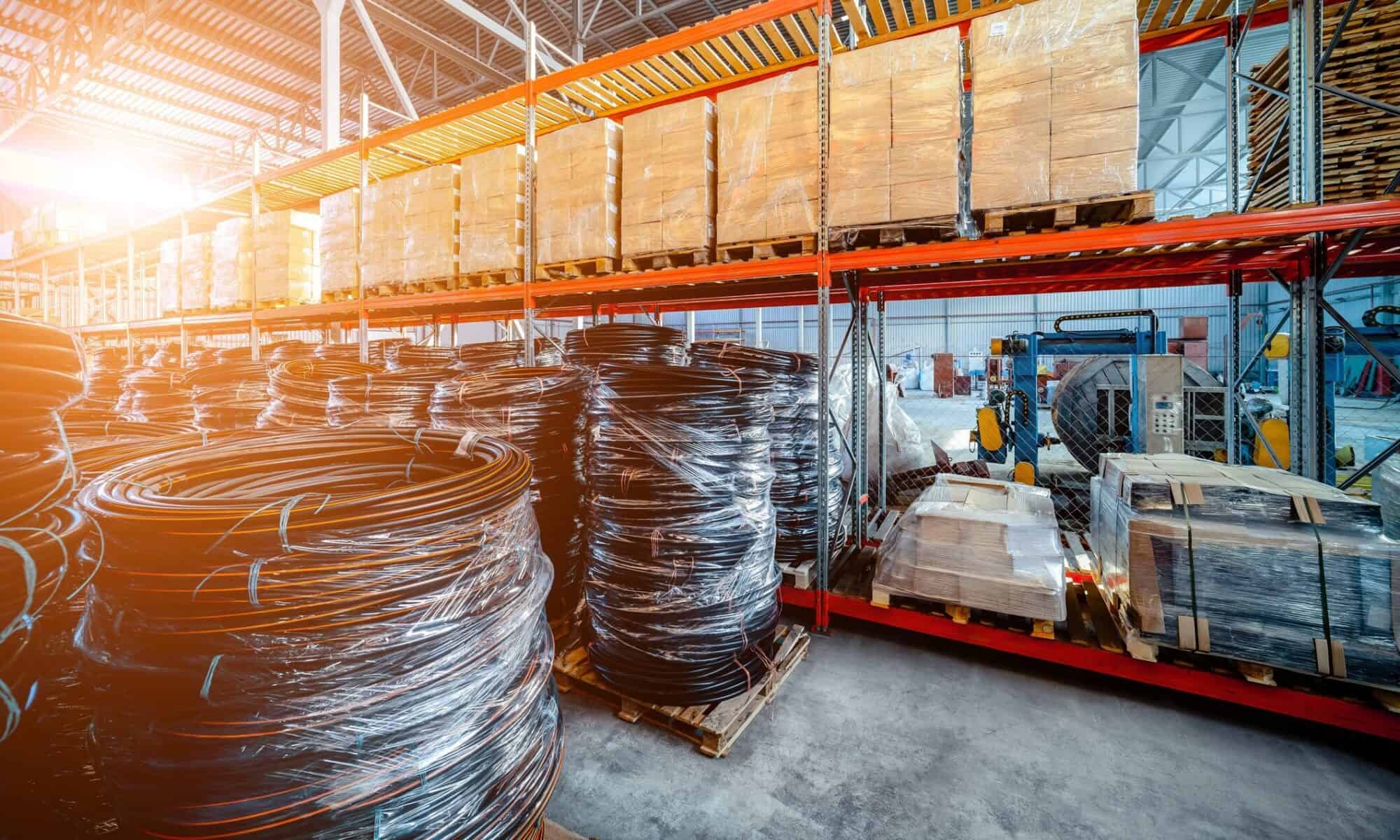
| Palletized freight | Oversized freight |
| Retail and consumer goods | Over-height freight |
| Packaged products | Temperature-controlled cargo |
| Boxed cargo | Cargo requiring side loading |
| General commercial freight | Cargo requiring top loading |
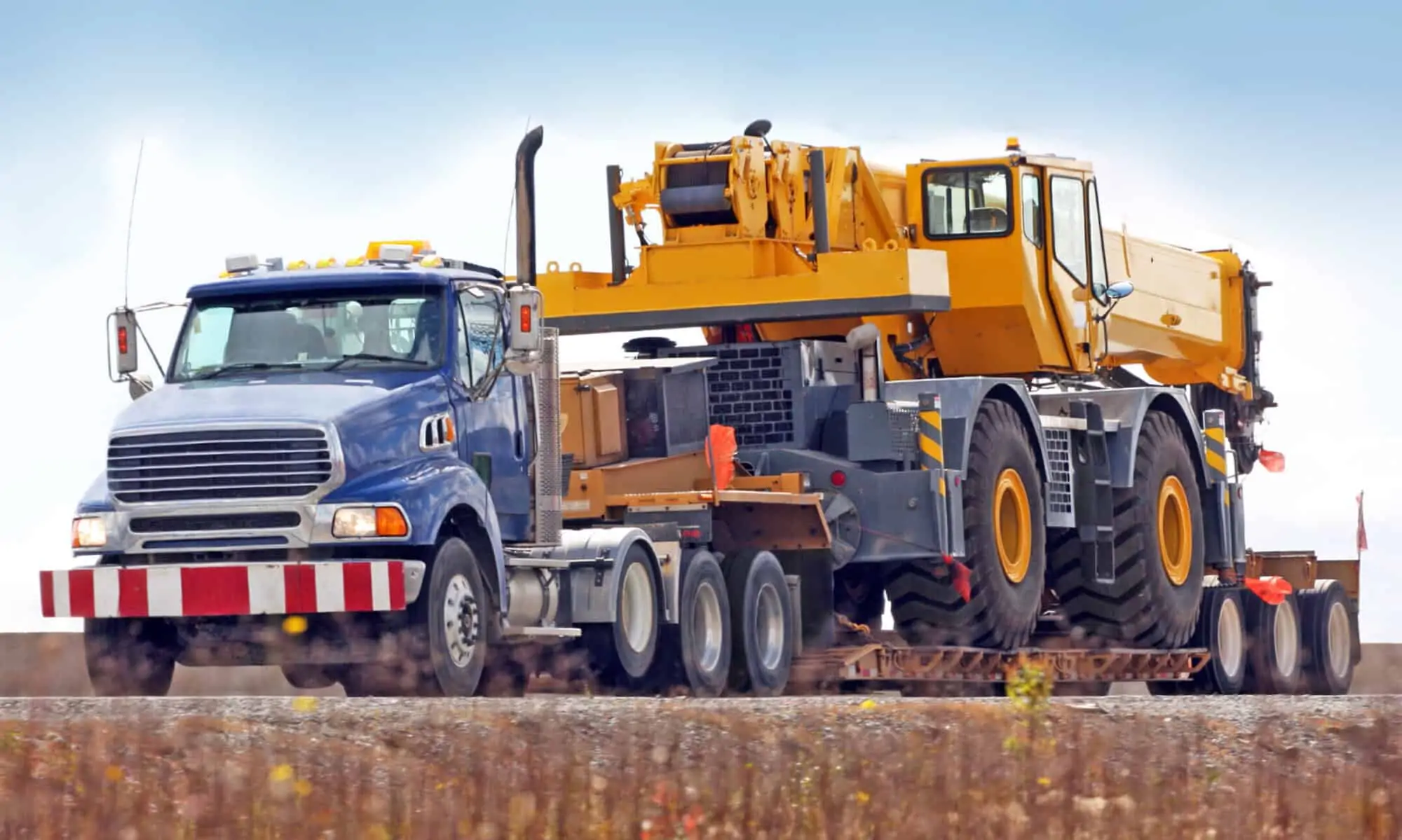
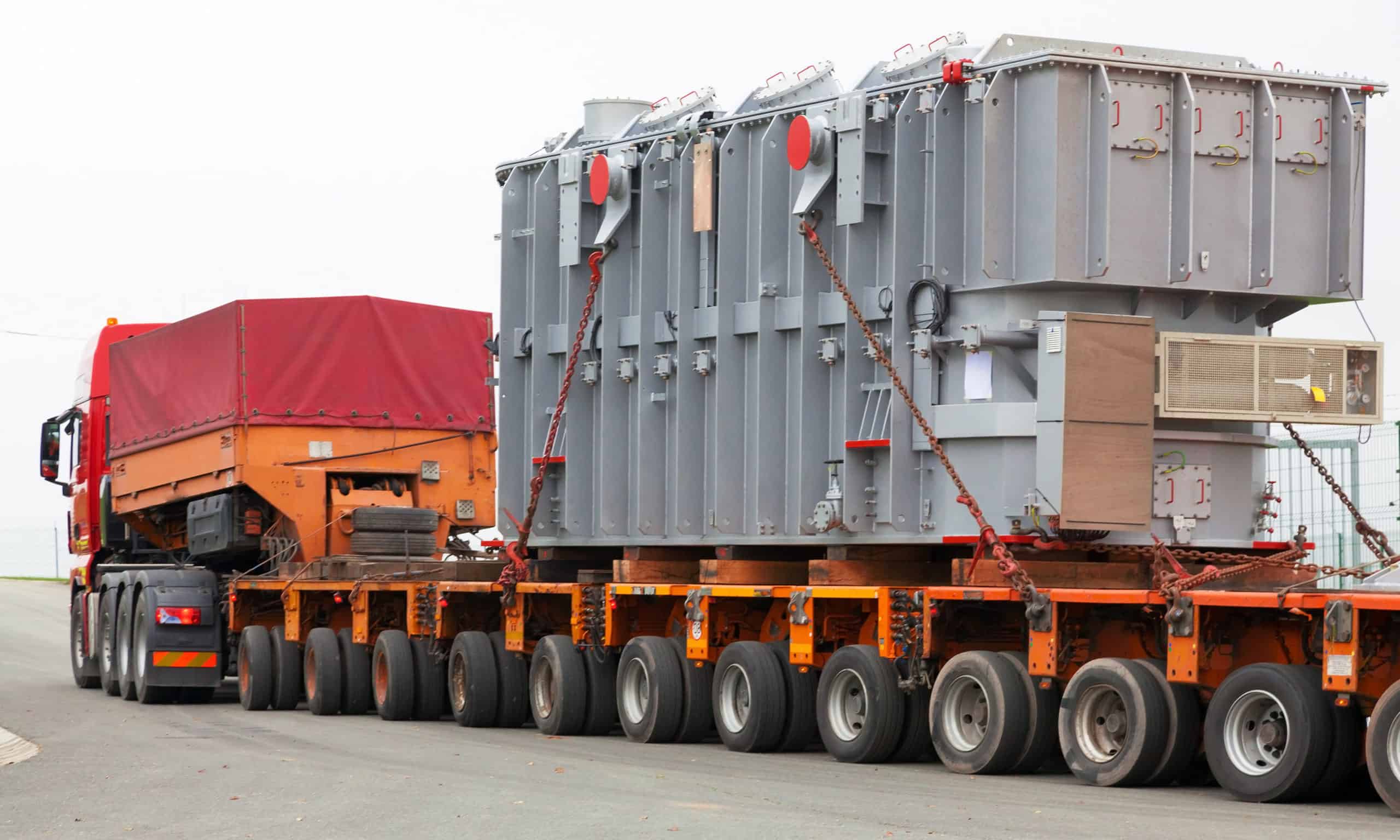
| Standard warehouse-to-warehouse shipments | Specialized heavy equipment |
Dry Vans are best suited for freight that fits within conventional trailer dimensions and can be handled through standard rear-door loading. Oversized or specialized cargo may require Flatbed, Step Deck, or RGN equipment instead.
Dry Van trailers are widely used for freight that does not require temperature control or specialized handling.
Retail & Consumer Goods
Manufacturing
Distribution & Warehousing
Before booking a Dry Van, confirm:
When evaluating options, always note:
A Dry Van is usually a good option when your shipment:
A different trailer may be more appropriate when cargo is oversized, over-height, temperature-sensitive, or requires side, top, or ground-level loading.
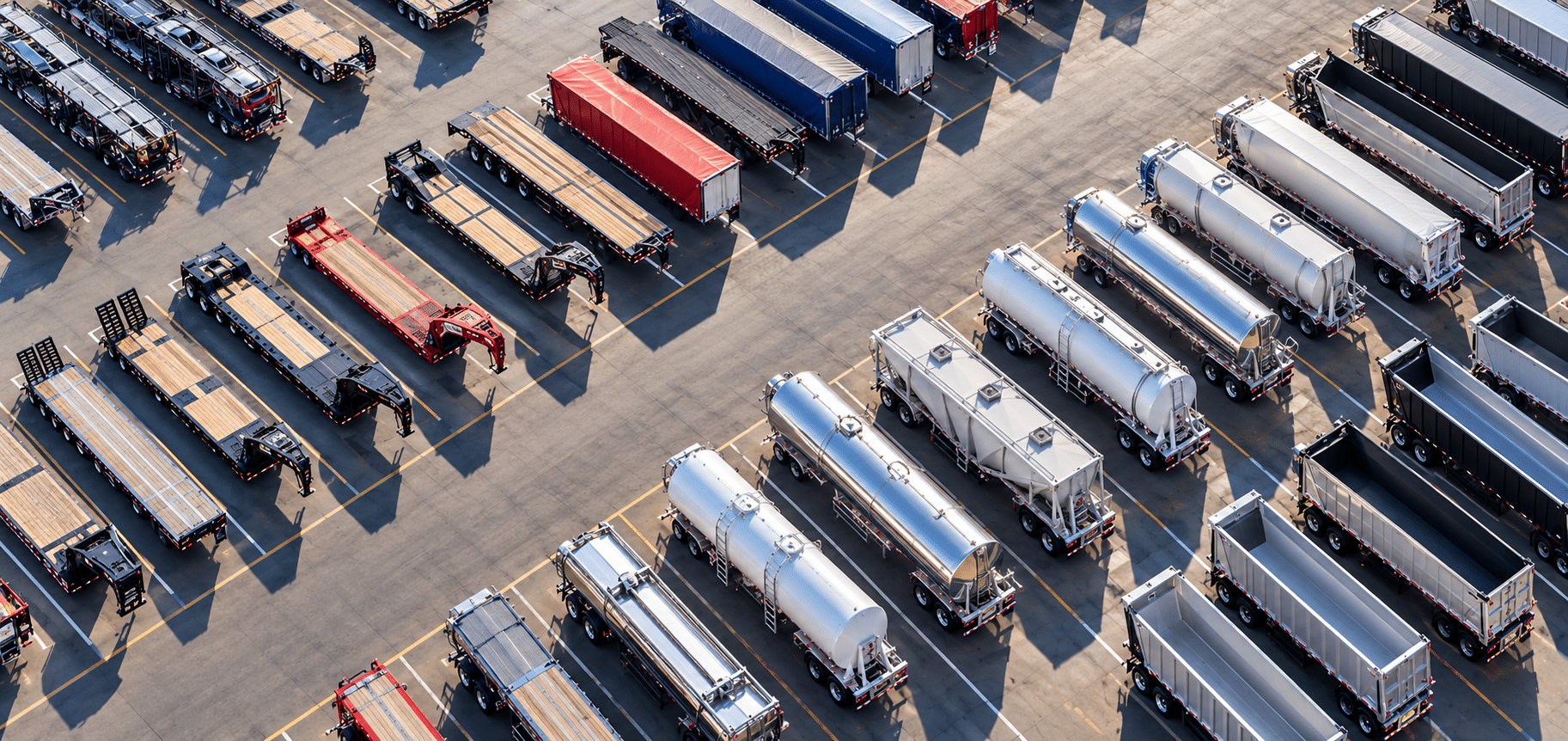
LAC coordinates Dry Van and other Ground Freight solutions across North America based on your cargo, route, timing, and equipment requirements.
Learn from the experiences of those who matter most: our customers








 LAC Blog
 Export Guides
 Transport Guides
 Logistics Glossary
 Container Types Guide
 Trailers Types Guide
 Incoterms 2020 Rules