

 Get a Quote
Start shipping now
Get a Quote 
Start shipping now
Get a Quote
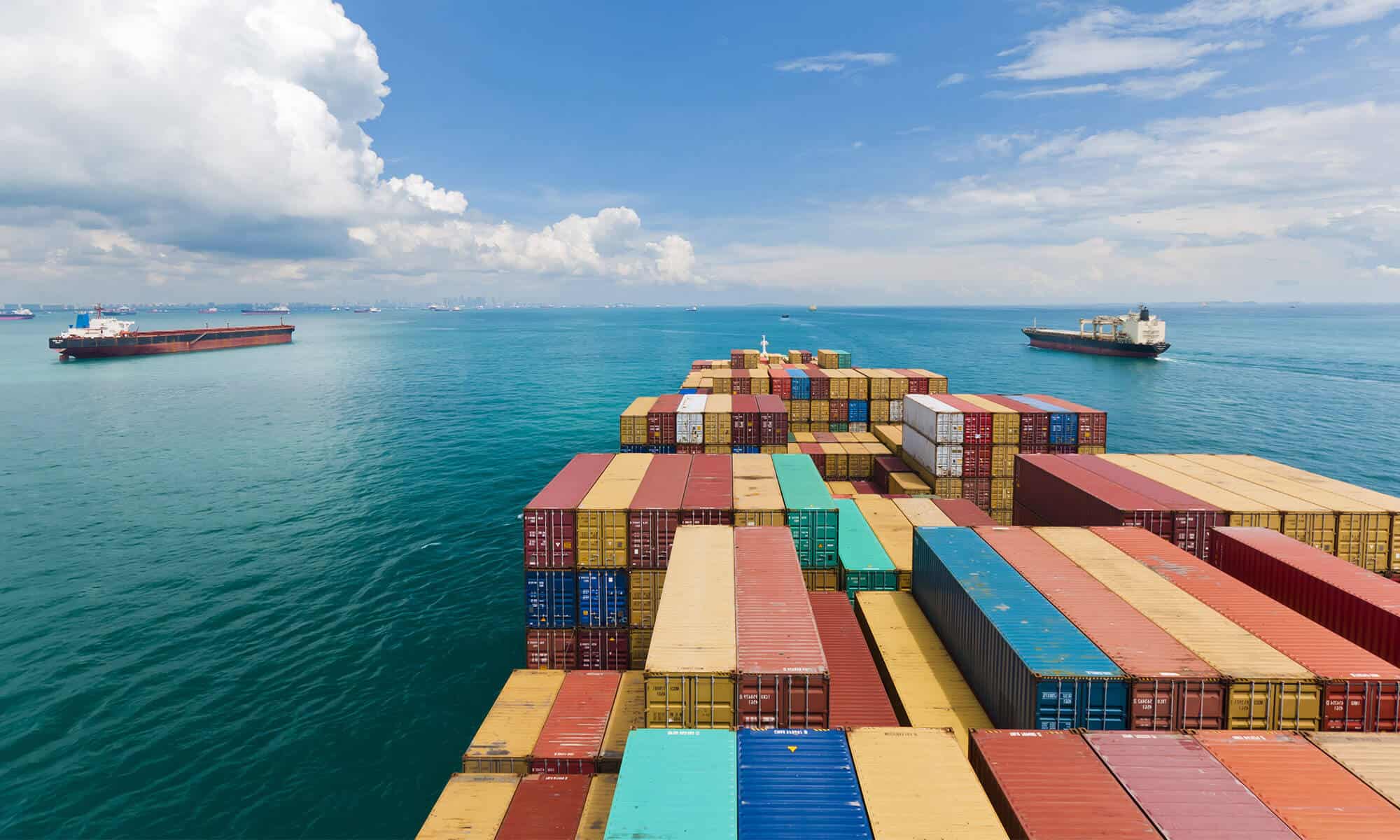
Container shipping to Brazil is a proven shipping mode for businesses looking to transport goods efficiently from North America to the Brazilian market. Here we outline everything you need to know – from types of containers ,average costs for major shipping routes, main ports, and frequently shipped materials. Read on for a comprehensive guide that will help you plan and execute your shipment efficiently and cost-effectively.
Remember, at LAC we also offer a full range of specialized freight services to Brazil that your company needs to expand its business:
Different shipment modes offer flexibility depending on your cargo size and requirements. The table below compares Full Container Load (FCL), Less than Container Load (LCL), both being the most used modes when shipping freight to Brazil:
| Shipment Type | Description | When to Use |
| FCL (Full Container Load) | Exclusive use of an entire container (20ft or 40ft) for one shipper’s cargo. Provides maximum space and dedicated transport for the shipment. | Best for large-volume shipments that can fill a container or when you need to avoid mixing cargo with others. Offers lower cost per unit for high volumes and faster handling since the container isn’t shared. |
| LCL (Less than Container Load) | Sharing container space with other cargo, paying only for the volume/weight your goods occupy. Cargo is consolidated with other shipments in one container. | Ideal for smaller shipments that don’t require a full container. A cost-effective choice for low-volume goods, though transit may be slightly longer due to consolidation and extra handling at origin/destination. |
Shipping costs to Brazil can vary widely based on container size, origin/destination, and market rates. Below is an overview of approximate freight costs for sending a container to Brazil, followed by a breakdown of typical fees involved in the shipping process:
Approximate Ocean Freight Costs to Brazil:
| Container/Service | Typical Cost (USD) | Details |
| 20-ft FCL Container | ~$1,000 – $3,000 | Average cost range to ship a 20-foot container to Brazil. Shorter distances (e.g. from North America) tend toward the lower end; longer routes (from Europe or Asia) tend toward the upper end of this range. |
| 40-ft FCL Container | ~$1,500 – $5,000 | Roughly 1.5× to 2× the cost of a 20-ft container. A 40-foot container offers double the capacity, so it often reduces per-unit freight cost for large shipments. |
| LCL (Shared Container) | ~$50 – $150 per cubic meter (CBM) | Typical LCL pricing based on volume (or weight) for cargo shipped to Brazil. You pay only for the space your freight uses. Overall cost depends on shipment size; it’s economical for small loads, though the per CBM rate is higher than FCL on a unit basis due to additional handling. |
Shipping fees are determined by a combination of factors and charges. Understanding how fees are calculated can help you budget and find ways to save on container shipping to Brazil. The following table outlines the common cost components and typical fee ranges:
| Cost Component | Typical Range / Rate | What It Covers |
| Ocean Freight (Base Rate) | Included in above costs | The basic transportation charge for moving the container by sea from the port of origin to Brazil. This is the core freight cost quoted by carriers or forwarders. |
| Origin & Destination Port Fees | ~$300 – $800 (for FCL shipments) | Charges at ports on both sides, including terminal handling, loading/unloading, port facility fees, and documentation. (For LCL, these are usually bundled into the per CBM rate or charged as separate handling fees.) |
| Customs Clearance (Broker Fees) | ~$100 – $300 | Service fees for customs brokers in Brazil to process import documentation and clear your goods through Brazilian Customs. This ensures all regulations and paperwork (commercial invoice, bill of lading, etc.) are properly handled. |
| Import Duties & Taxes | Varies by product (0% up to 20%+ of cargo value) | Tariffs imposed on imported goods, plus Brazilian taxes such as IPI, PIS/COFINS, and ICMS. The rate depends on the cargo’s classification (HS code) – e.g. electronics might incur around 10–16% duty, while some consumer goods can be higher. These are paid to the government during customs clearance. |
| Cargo Insurance (optional) | ~1% – 3% of cargo value | Optional insurance to protect against loss or damage in transit. While not mandatory, it is highly recommended for valuable or fragile shipments to Brazil, given the long transit distances and handling involved. |
| Inland Transportation (Door Delivery) | Varies (based on distance and mode) | The cost to truck or rail the containerized goods from the Brazilian port to the final inland destination (e.g. São Paulo, Rio de Janeiro, etc.). This local delivery charge depends on distance, weight, and whether special handling (like a chassis or crane) is needed. |
Pro Tip: To get an accurate cost for your shipment, it’s best to request a quote with specific details (origin, destination, shipping mode, goods type, etc.). Rates fluctuate with the market, so quotes have validity periods. You can also compare FCL vs LCL costs; for smaller shipments, LCL might be cheaper, but if your volume is close to a full container, FCL can actually be more cost-effective. Always factor in all the above components to avoid surprises – what looks like a cheap base rate might exclude port charges or local fees.
Brazil’s logistics infrastructure includes numerous seaports that handle containerized cargo. Knowing the major entry points by sea can help in planning your shipment’s route and final delivery. Below are the primary seaports when shipping to Brazil:
| Seaport (Location) | Role & Characteristics |
| Port of Santos (São Paulo state) | Brazil’s largest port and the busiest container hub in Latin America. Handles a huge volume of imports and exports, from industrial machinery and electronics to agricultural commodities. Modern facilities and multiple terminals make Santos the primary gateway for ocean freight into Brazil. |
| Port of Paranaguá (Paraná) | Second-busiest container port in Brazil and a major gateway for exports of grains (soy, corn, sugar) as well as imports. Known for efficient operations and deep-water berths, Paranaguá handles a high volume of reefer containers (especially meat and poultry exports) and general cargo. |
| Port of Rio de Janeiro (Rio de Janeiro) | A key seaport serving Brazil’s second-largest city. Handles diverse cargo including containers, oil & gas equipment, and consumer goods. While not the largest in volume, it’s strategically important for imports into the populous Southeast region. Modernization efforts continue to improve its container terminals and connectivity. |
| Port of Itajaí / Itapoá (Santa Catarina) | A major container port complex in southern Brazil. The Port of Itajaí, along with nearby private Port of Itapoá, form one of the busiest container hubs after Santos. They serve the manufacturing heartland of Santa Catarina, efficiently handling exports like textiles, wood furniture, and machinery, as well as imports of components and consumer goods. |
| Port of Suape (Pernambuco) | Leading port in the Northeast of Brazil. A modern deep-water port with state-of-the-art container terminals and logistics facilities. Suape is a growing hub for imports (such as electronics, chemicals) and exports (such as fruit and sugar) in the region, and its strategic location shortens transit times for cargo destined to/from Europe or North America via the Atlantic. |
| Port of Manaus (Amazonas) | An important inland port located on the Amazon River, serving the Manaus Free Trade Zone. Handles containerized cargo shipped via river-ocean routes – primarily imports of electronics, machinery, and supplies for the local manufacturing industries, and exports of regional products. Manaus is vital for connecting Brazil’s remote northern region to international trade lanes (via transshipment at coastal ports). |
Other notable ports include Itapoá (a private container port in Santa Catarina), Vitória (Espírito Santo state), and Fortaleza (Ceará state). The main ports for container shipping from North America typically include Santos, Paranaguá, Rio de Janeiro, Itajaí/Navegantes, Rio Grande, Suape, and Salvador.)
Transit times for container shipments to Brazil depend on the route and distance. Below is a look at typical shipping routes from North America (USA and Canada) to Brazil and their estimated ocean transit times:
| Route | Estimated Transit Time | Notes |
| USA East Coast to Brazil (e.g. New York or Miami → Santos) | ~ 7 – 14 days by sea | Fastest routes: Vessels from U.S. East Coast or Gulf Coast ports sail directly or via the Caribbean to Brazil’s East Coast. South Florida ports (Miami) can reach Northeast Brazil in about a week. Northeast U.S. ports (New York/New Jersey) to Southeast Brazil (Santos) typically take around 10–14 days. |
| USA West Coast to Brazil (Los Angeles/Seattle → Santos) | ~ 20 – 30 days by sea | Long-haul route: Ships from the U.S. West Coast must transit the Panama Canal, making the journey considerably longer. Expect roughly 3 to 4 weeks on the water. (Los Angeles to Santos averages ~25 days transit.) West Coast shippers should plan for the extended lead time or consider intermodal routes (rail to East Coast, then ocean). |
| Canada East Coast to Brazil (Halifax/Montreal → Santos) | ~ 20 – 30 days by sea | Transatlantic route: Eastern Canada shipments go via the Atlantic, often with one transshipment in the Caribbean or Europe. Halifax offers some direct services (~3 weeks). Montreal, being inland, typically feeds via transshipment (St. Lawrence to Atlantic), resulting in transit times on the order of 4 weeks. |
| Canada West Coast to Brazil (Vancouver → Santos) | ~ 30 – Forty days by sea | Longest route: From Western Canada, containers travel down the Pacific and through Panama, or transship via another hub (Asia or California). This is the slowest option, often taking over a month. Due to limited direct services, careful planning with carriers is required for West Coast Canadian exports to Brazil. |
Key Insight: In general, expect ocean freight from the U.S./Canada to Brazil to take around 3 to 6 weeks depending on the origin and route. East Coast shipments are on the shorter end (sometimes under 3 weeks if direct), whereas West Coast or far inland origins can be 5-6 weeks. Air freight, by contrast, usually takes under a week. Always build in buffer time for potential delays (port congestion, customs clearance, weather, etc.).
Brazil imports a wide range of products to meet its industrial and consumer needs. Below are some of the most commonly shipped goods and raw materials that arrive in Brazil via container, along with examples and their significance:
| Category | Examples of Goods | Details / Why It’s Shipped to Brazil |
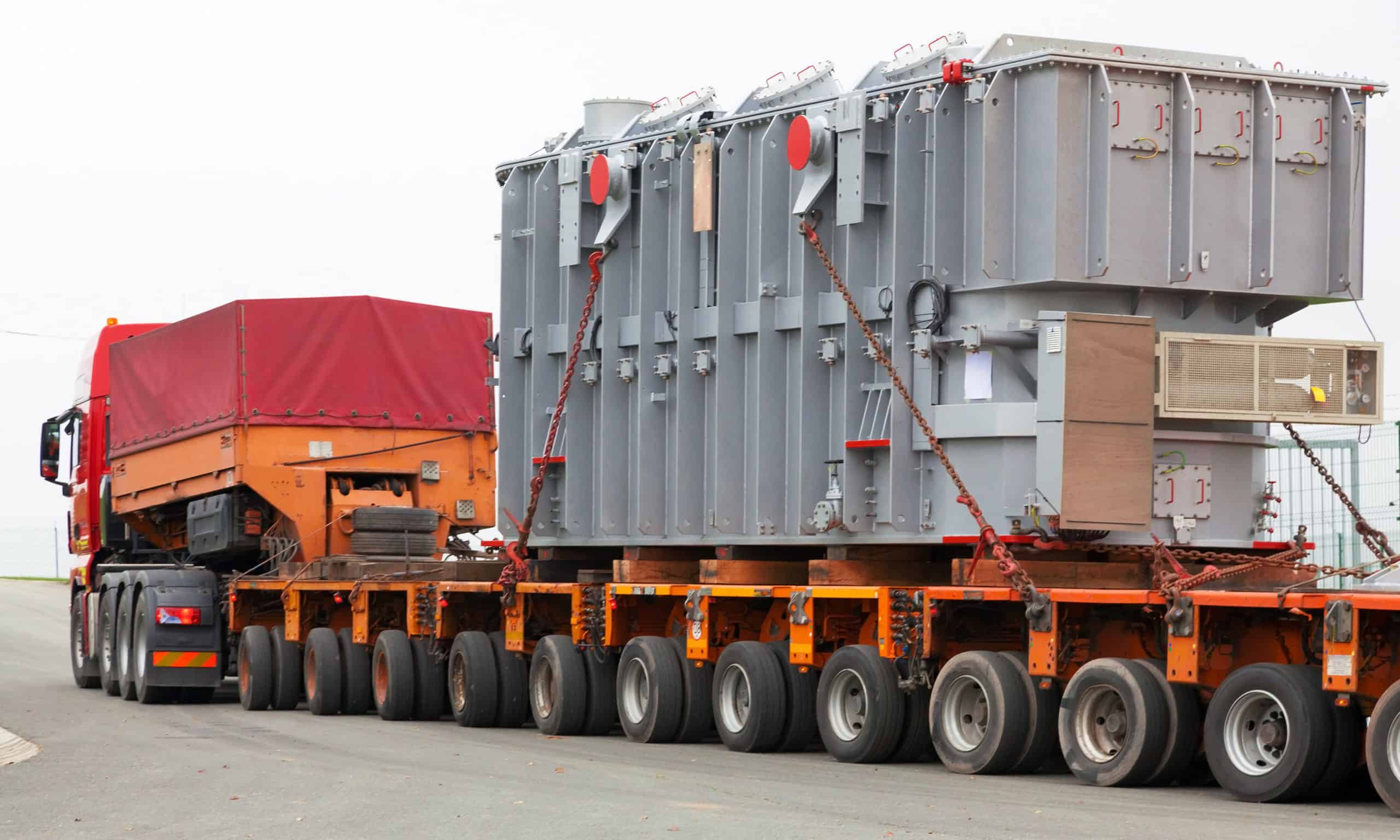
| Machinery & Industrial Equipment | Factory machinery, heavy equipment, engines, computer hardware | One of Brazil’s largest import categories. These capital goods are critical for infrastructure projects, manufacturing, and development. Since domestic production is limited for high-end machinery, Brazil relies on imported machines (often shipped in containers, secured and sometimes disassembled). |
| Electronics & Appliances | Consumer electronics (phones, TVs), telecommunications equipment, home appliances (refrigerators, AC units) | High demand from Brazil’s growing consumer market and businesses drives large imports of electronics. Many technology products are not made locally in sufficient quantity – they arrive by container (or air for smaller high-value items), destined for retailers and factories. |
| Automotive (Vehicles & Parts) | Cars and SUVs (completely built units or kits), trucks, auto spare parts | Brazil has a domestic auto industry, but still imports certain vehicle models and a substantial volume of auto parts. New vehicles may come on roll-on/roll-off ships or in containers (for high-end or special vehicles), while spare parts and component kits for assembly are regularly shipped in containers to support Brazil’s automotive assembly plants and aftermarket. |
| Chemicals, Plastics & Fertilizers | Industrial chemicals, polymer resins, packaged fertilizers, petrochemical products | Key raw materials for Brazil’s agriculture and manufacturing sectors. For example, Brazil imports large quantities of fertilizers (for its farming industry) and chemical inputs for factories. These often ship in 20ft containers (in bulk bags, drums, or intermediate bulk containers) to ensure safe handling. |
| Pharmaceuticals & Medical Supplies | Prescription medicines, vaccines, medical devices, health products | Brazil’s healthcare system and pharmaceutical market depend on imported medications and medical equipment. These sensitive goods often require temperature-controlled containers (reefers) or quick air freight. They are shipped in compliance with strict handling standards to ensure product integrity upon arrival. |
In summary, if your business is involved in these sectors, you’re in good company – these are among the most frequently shipped goods to Brazil. LAC has experience handling a variety of commodities, from bulk raw materials to high-value manufactured goods, ensuring they arrive safely and in compliance with Brazilian import regulations.
For a broader perspective: nearly 90% of Brazil’s imports are manufactured or semi-processed goods (like machinery, chemicals, electronics), and about 11% are raw materials such as crude oil, coal, natural gas, and wheat. The United States and Canada rank among Brazil’s top import partners, providing many of these goods.
Selecting the right logistics partner is crucial for a successful shipping experience. Here’s why Latin American Cargo (LAC) stands out for container shipping to Brazil:
In short, Latin American Cargo offers regional specialization, door-to-door capability, and personalized service that can make your container shipping to Brazil hassle-free. We understand the stakes for your business and are committed to delivering excellence, every time.
Ready to ship or have questions? Contact LAC for a tailored quote and let us take the load off your shoulders.
Below we answer some frequently asked questions about shipping containers to Brazil. If you have additional questions, our team is happy to assist.
Q1. What paperwork is required to ship a container to Brazil?
A: International shipments to Brazil require several key documents. You will need a commercial invoice (detailing the sale/export), a packing list (itemizing the cargo and packaging), and a bill of lading (for ocean freight) or air waybill (for air freight) as the contract of carriage. A certificate of origin is typically required to certify where the goods were produced. Additionally, you must have any applicable import licenses or permits (for restricted goods, if any) and comply with Brazilian customs regulations. Brazil uses the SISCOMEX system for import clearance, and your importer will need to be registered. Working with a freight forwarder or customs broker can ensure all paperwork – including customs declarations and tax forms – is in order.
Q2. How do I ship a container to Brazil from the USA/Canada?
A: Shipping a container to Brazil involves a few major steps: (1) Choose a reliable freight forwarder or shipping line and get a quote. You’ll need to decide on FCL vs LCL, container size (20ft, 40ft, etc.), and the service (port-to-port or door-to-door). (2) Arrange pickup and packing of your goods. Securely pack and load the container – following international shipping standards (palletize cargo, use proper bracing and dunnage to prevent shifting). (3) Complete all export documentation (as noted above) and ensure your Brazilian importer has any necessary import licenses. (4) The freight forwarder will book space on a vessel and provide the sailing schedule. Your container will be trucked to the departure port and loaded on the ship. (5) Transit to Brazil: once the vessel sails, you can track the shipment. (6) Upon arrival in Brazil, the container goes through customs clearance. Duties and taxes must be paid by the importer. After clearance, the container is released. (7) Finally, arrange for inland transportation if needed (truck or rail from port to the final destination). A forwarder like LAC will coordinate these steps for you, making the process much easier.
Q3. How are shipping costs to Brazil determined?
A: The cost of shipping a container to Brazil depends on several factors. Key elements include the origin and destination (distance and route), the container size (20’ vs 40’ vs specialized), and whether you’re shipping FCL or LCL. The type of goods (and their weight/volume) matters too – very heavy shipments might incur weight-based fees, while voluminous but light cargo is charged by space. There are also seasonal pricing fluctuations; for instance, costs can rise during peak shipping seasons or if space is in high demand. In addition, fuel surcharges, port handling fees, insurance, and customs clearance fees will affect the total. As a simple rule, a longer distance and larger container mean higher base freight cost, but you must add all the auxiliary charges to get the full picture. It’s best to get an itemized quote. LAC can help break down the costs – including transparent freight rates, estimated port fees, and duties/taxes (if known) – so you know exactly what you’re paying for.
Q4. How long does it take to ship a container from North America to Brazil?
A: Transit times can vary. By ocean freight, a container from the East Coast USA (e.g. New York) to Brazil might take roughly 2 to 4 weeks port-to-port, whereas from the West Coast (e.g. Los Angeles) it could be 4 to 6 weeks due to the longer distance (Panama Canal route). For example, New York to Santos can be around 24–28 days on a direct vessel, while Los Angeles to Santos might be around 30+ days. From Canadian ports, expect similar or slightly longer timings (since many Canadian shipments transship via U.S. or Caribbean hubs). Keep in mind these are port-to-port times; you should also allow extra days for pre-departure handling and customs clearance on arrival. If your cargo requires tighter transit times, you may want to consider Air Freight as an alternative.
Q5. Is cargo insurance necessary for shipments to Brazil?
A: While not legally required, cargo insurance is highly recommended for container shipments to Brazil (or any international shipment). Ocean transport comes with risks such as rough seas, weather events, possible theft or mishandling, and the general possibility of accidents (e.g. container falls or ship delays). Brazil’s busy ports mean containers may be handled many times; having insurance protects the value of your goods in case of damage or loss. Typically, insurance costs a fraction of the cargo value (around 0.5%–2% of the goods’ value is common as a premium). This is a small price for peace of mind. A marine cargo insurance policy can be arranged through LAC or your own insurance provider. It will pay out if, for instance, goods are water-damaged or if there’s theft in transit. Given Brazil’s high import taxes, it’s also worth noting that insurance can sometimes cover the value of the taxes paid, in case of total loss (depending on policy). So yes, we strongly advise insuring your shipment. LAC can guide you to appropriate coverage so that you’re protected door-to-door.
Q6. What are the main restrictions or regulations when shipping to Brazil?
A: Brazil has strict import regulations and high customs scrutiny. Some key points to be aware of: All imports to Brazil require the importer to be registered with RADAR/SISCOMEX (Brazil’s customs system). Certain goods (e.g. medical equipment, telecom devices, pharmaceuticals, weapons, etc.) need special import licenses or pre-approval from Brazilian authorities (such as ANVISA for health-related products or MAPA for agricultural goods). Prohibited items include illicit goods, some used goods (Brazil restricts import of used machinery/vehicles without special permission), and items that violate health, environmental, or safety regulations. Also, Brazil’s import tariffs vary by product and can be very high (often 20%–35% on many consumer goods), plus import taxes like IPI, PIS, COFINS and ICMS. It’s crucial to classify your goods under the correct HS code to determine duties. Brazil also enforces fumigation and phytosanitary rules for wood packaging – pallets and crates must be treated and marked (ISPM-15 standard) to prevent pests. Working with an experienced forwarder (like LAC) or customs broker is the best way to ensure you meet all regulatory requirements. We help clients by verifying documentation, advising on licensing, and ensuring compliance with Brazilian customs to avoid delays or fines.
Have more questions about container shipping to Brazil? Get in touch with one of our shipping experts today – we’re here to provide guidance and turnkey solutions for all your freight needs. Whether you’re new to international shipping or expanding your supply chain into Brazil, our team will make the process straightforward and worry-free.
Learn from the experiences of those who matter most: our customers






 LAC Blog
 Export Guides
 Transport Guides
 Logistics Glossary
 Container Types & Sizes
 Incoterms 2020 Rules