

 Request a Quote
Start shipping now
Request a Quote 
Start shipping now
Request a Quote
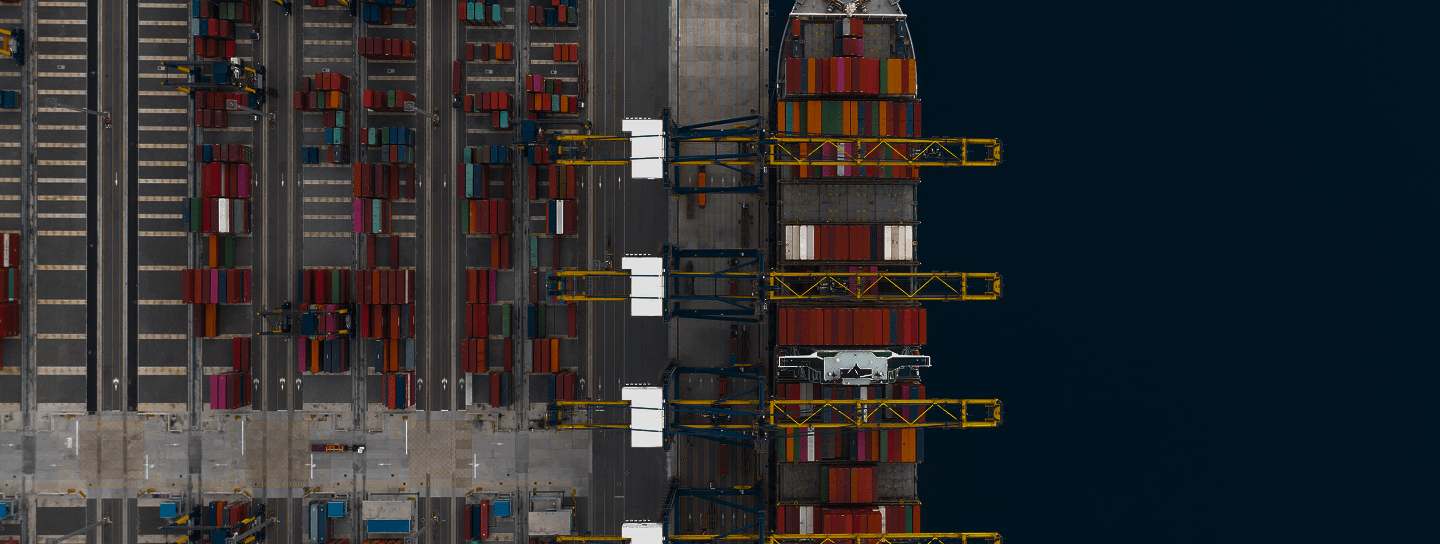
Cross-border logistics companies coordinate the trucking, documentation, and customs clearance required for international shipments. LAC™ has managed this coordination for 25+ years across a wide network of carriers spanning Mexico, the United States, and Canada.
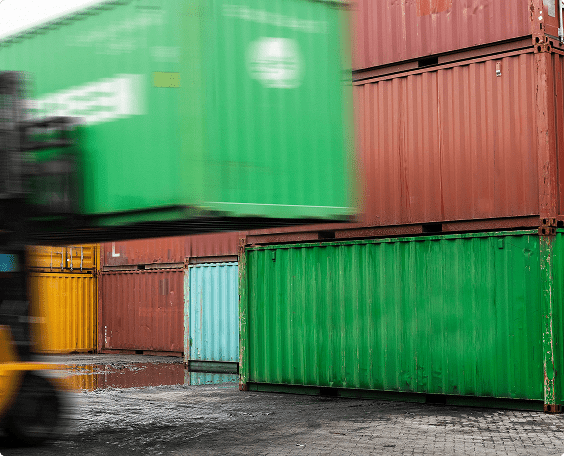
Cross-border logistics coordinates trucks, required paperwork, and carrier handoffs as freight moves across international lines between Mexico, the United States, and Canada. Documentation requirements — the commercial invoice, bill of lading, certificate of origin, and any relevant customs forms — are covered in detail below. Coordination grows more complex as more countries and regulatory regimes enter a shipment’s route, which is why matching the right carrier to each leg of the journey matters as much as the paperwork itself.
A strong cross-border partner brings proven border-crossing experience, a vetted carrier network on both sides of the border, and bilingual staff who coordinate directly with counterparts in Mexico and Canada. Just as important is how clearly the provider communicates: a good partner explains the full shipment lifecycle up front (pickup, the long-haul legs, the border crossing, and final delivery) and keeps you updated when plans change. Accurate documentation is part of that picture, but it’s one factor among several. Before booking, ask how a prospective partner communicates during delays; the answer shows how the working relationship will run once freight is moving.
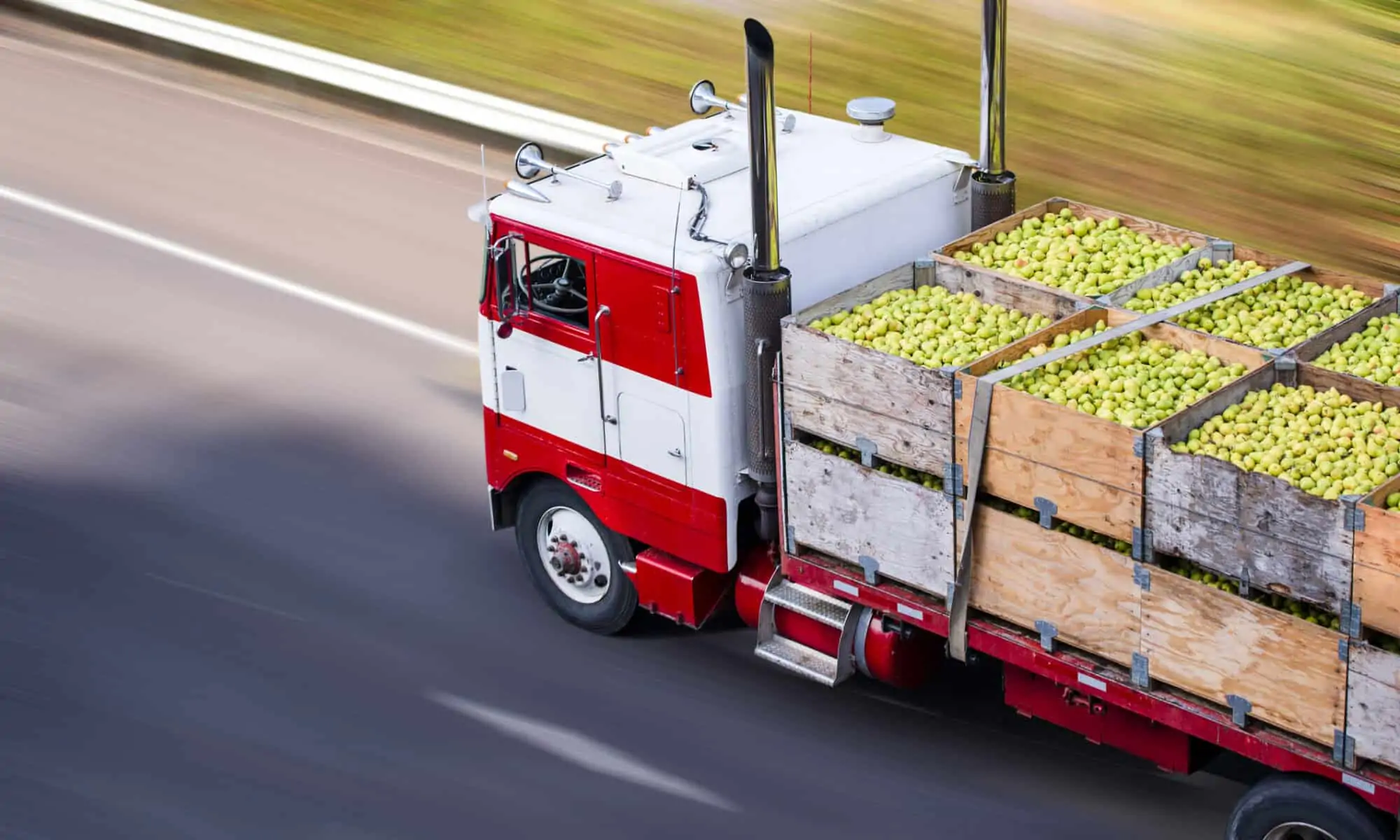
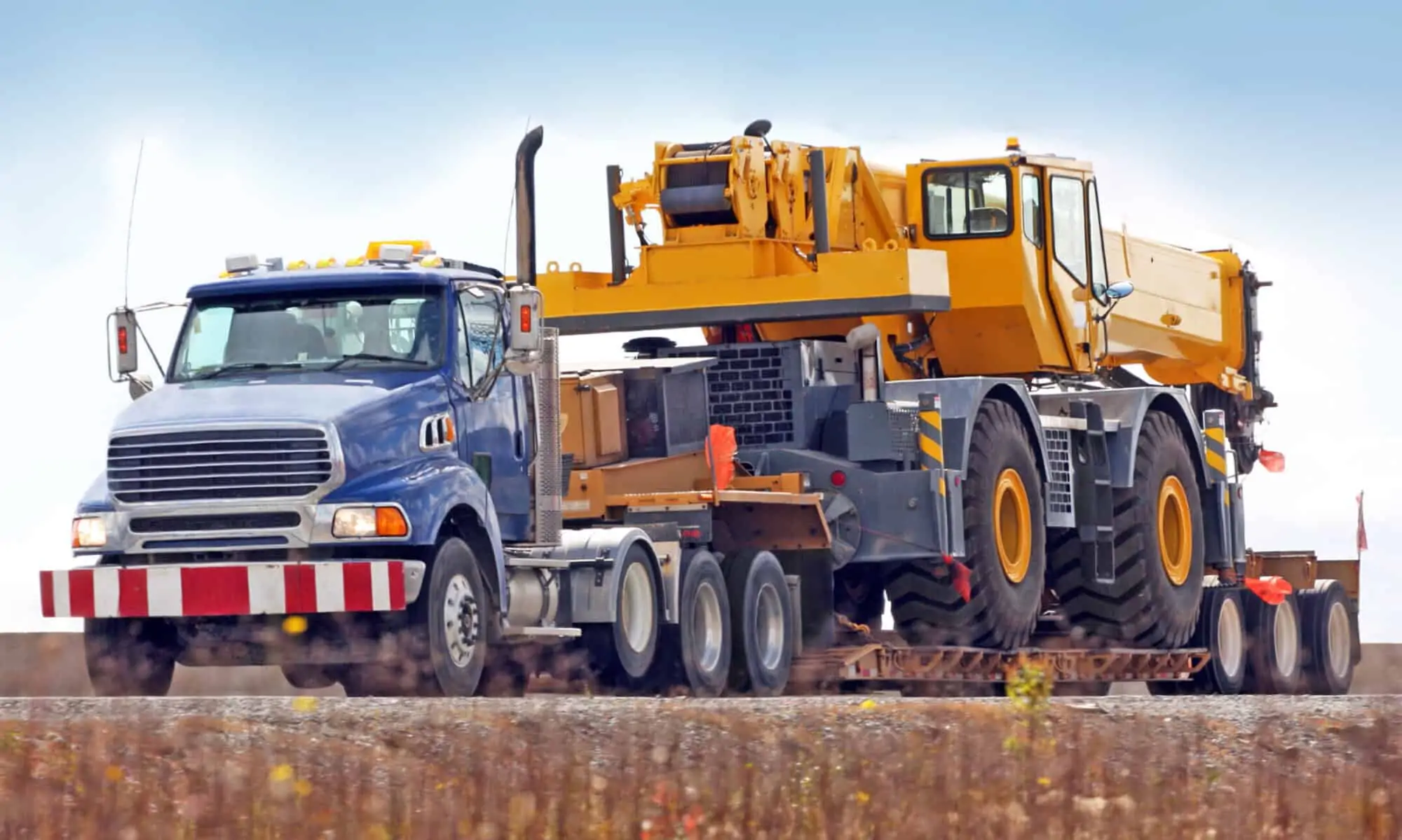
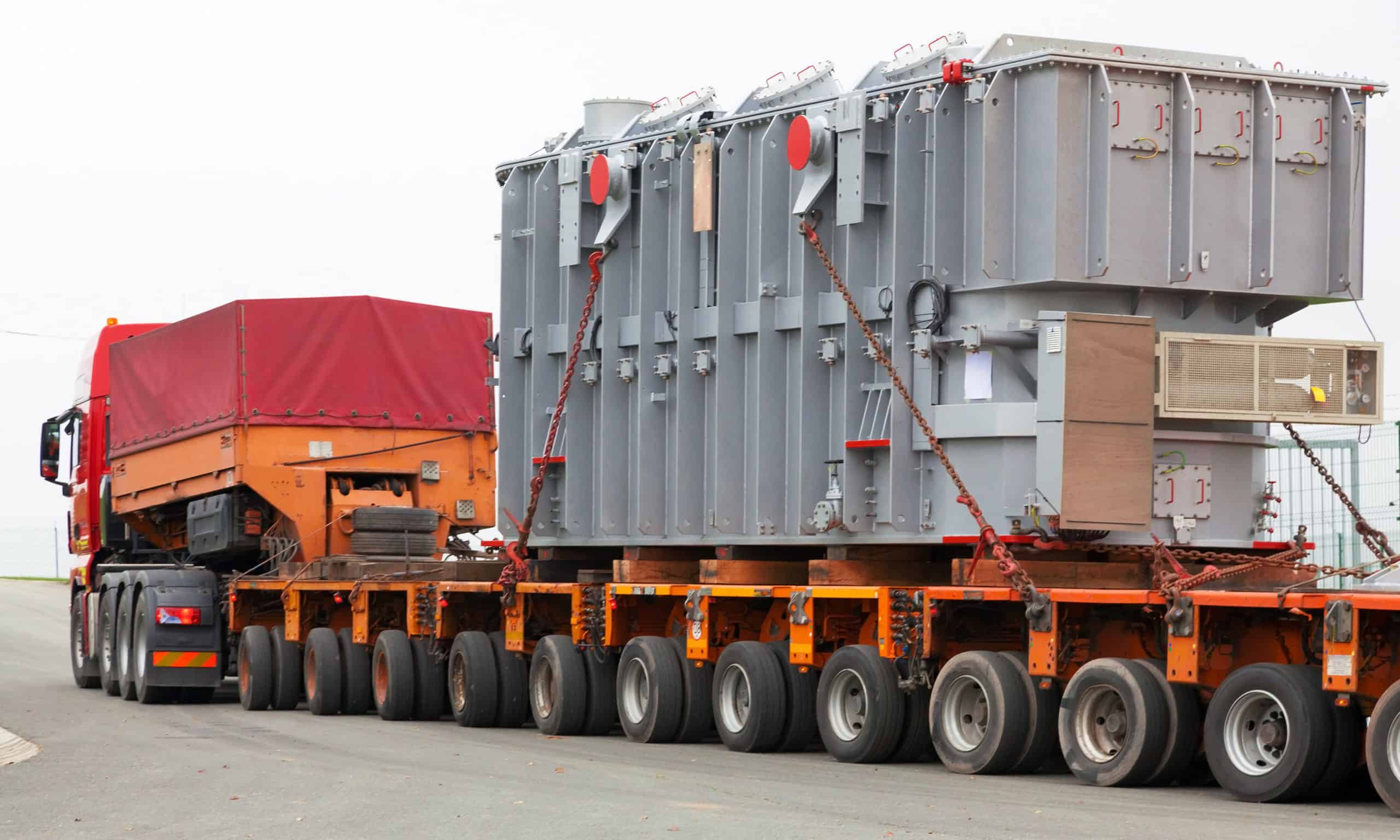
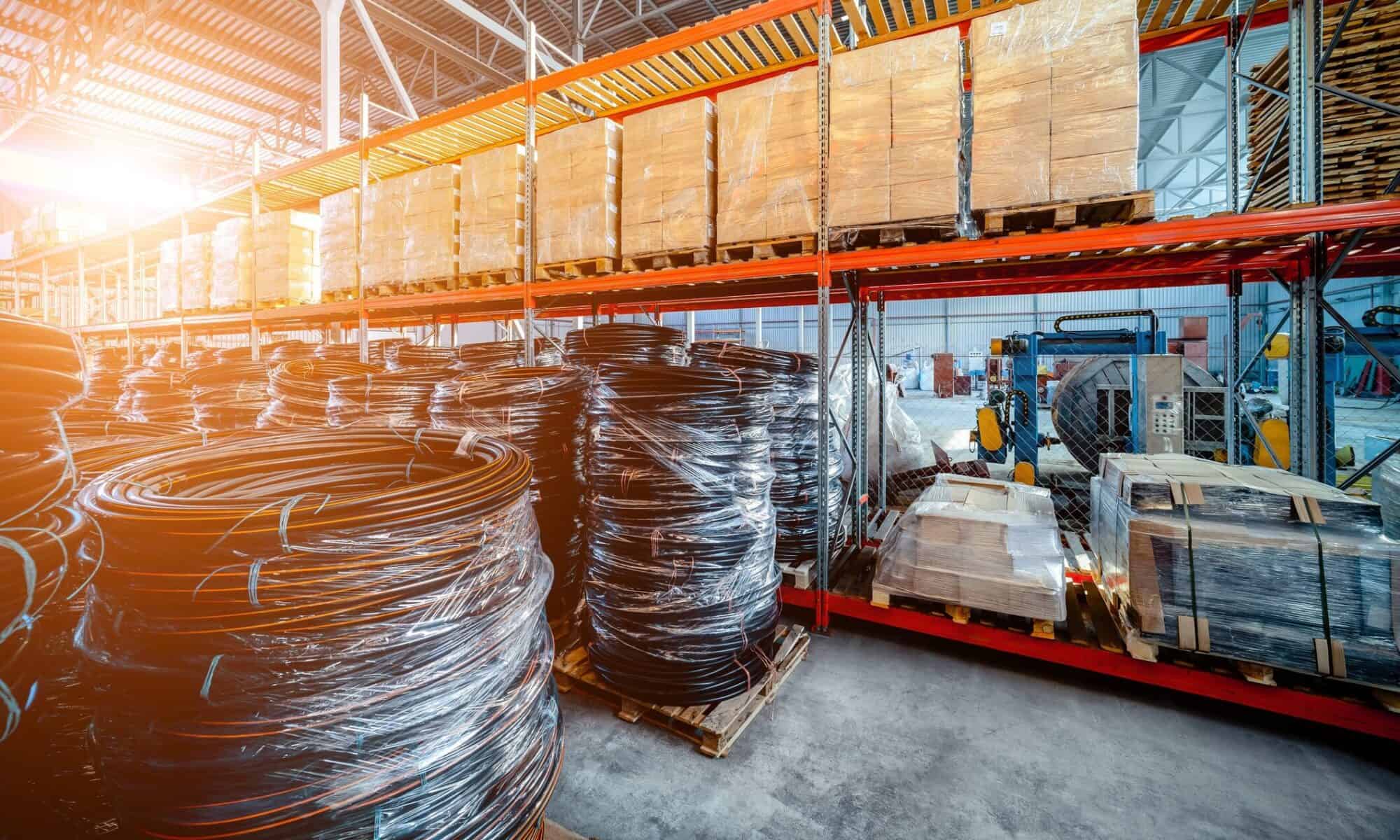
LAC coordinates cross-border freight through tailored FTL, LTL, and Flatbed & Heavy Haul solutions, working with a network of vetted carrier partners across Mexico, the United States, and Canada. Access to a wide variety of trucks, trailers, and flatbeds means LAC can match commercial freight to the right equipment for its size and configuration. That network also extends coverage beyond major corridors, supporting competitive freight rates without sacrificing reliability.
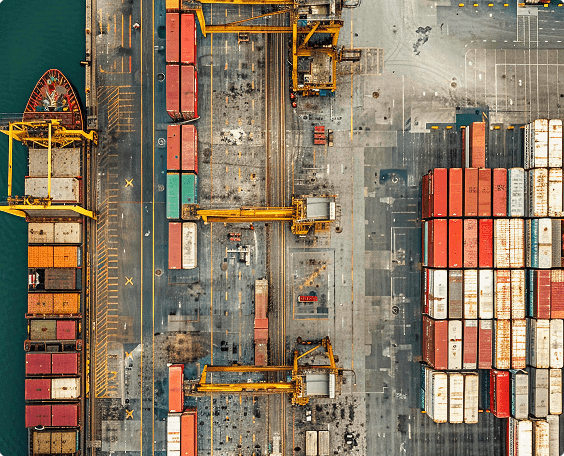
Typical documentation includes:
A T&E bond is a U.S. Customs and Border Protection authorization that lets goods move in-bond from a U.S. port of arrival to another U.S. point for export, such as to Mexico or Canada, without formal U.S. entry or payment of U.S. duties.
Even small errors can trigger delays or border holds. LAC™ guides clients through each step of that documentation process, from pickup through final delivery, so requirements are clear before the shipment departs.
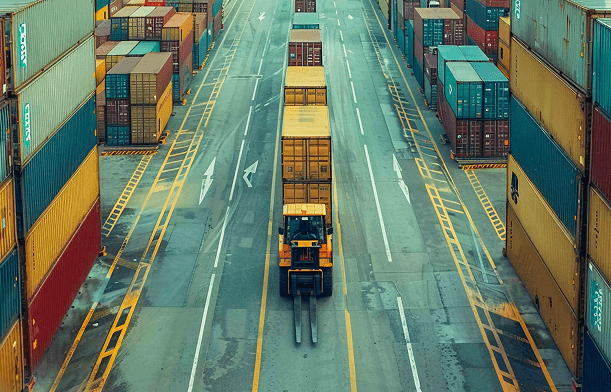
LAC pairs North American cross-border experience with a bicultural, bilingual team focused on Latin America, closing the language and cultural gaps that slow other providers down. Its carriers hold memberships with groups like the ATA, CTA, and CANACAR, follow CVSA inspection standards across all three countries, and include CTPAT-certified carriers for faster border processing. LAC’s 25+ years of freight forwarding experience shows how that specialization reduces delays and clarifies communication at every step.
Ground trucking covers most cross-border freight services, but some shipments call for ocean or air capacity too, depending on cargo size, timeline, and destination. A partner who flexes across all three modes eliminates the need to juggle separate vendors for a single shipment, simplifying both scheduling and documentation. That flexibility matters most when volume, cargo size, or delivery deadlines shift mid-project, since switching modes with one provider is far simpler than switching providers.
Cross-border freight moves face several common risks, spanning both paperwork and carrier coordination:
Two ways freight crosses the border
| Method | How it works | Trade-off |
| Transload | One carrier runs to the border; a different carrier and trailer continue on the other side | More carrier options and flexibility; adds a handling point |
| Direct (no transload) | One carrier and its cross-border counterpart run the full route with the same trailer | Less handling; tighter capacity, since the same trailer must be available on both sides |
Learn from the experiences of those who matter most: our customers







 LAC Blog
 Export Guides
 Transport Guides
 Logistics Glossary
 Container Types & Sizes
 Incoterms 2020 Rules