

 Request a Quote
Start shipping now
Request a Quote 
Start shipping now
Request a Quote
US to Mexico trucking companies handle carrier coordination, border documentation, and delivery across the corridor in both directions. LAC™ has coordinated freight across this lane for 25+ years through a network of vetted carrier partners.
US-Mexico trucking covers full truckload (FTL) and less-than-truckload (LTL) freight moved by a carrier across the border, along with the documentation and carrier coordination each shipment requires on either side of the border. FTL dedicates an entire trailer to one shipment, while LTL consolidates smaller freight with other shippers’ cargo to share trailer space. Both service types depend on accurate paperwork and a receiving carrier who can move goods smoothly once they clear customs.
Look for a trucking partner with an established carrier network on both sides of the border, direct experience on this specific corridor, and clear communication about the full route, including carrier handoffs and the border crossing, plus a documented process for reviewing paperwork before pickup. Capacity during peak periods is another differentiator worth asking about directly, since not every provider can absorb sudden volume increases without added cost. Ask how a prospective partner communicates when delays happen, since that response often says more than any sales pitch.
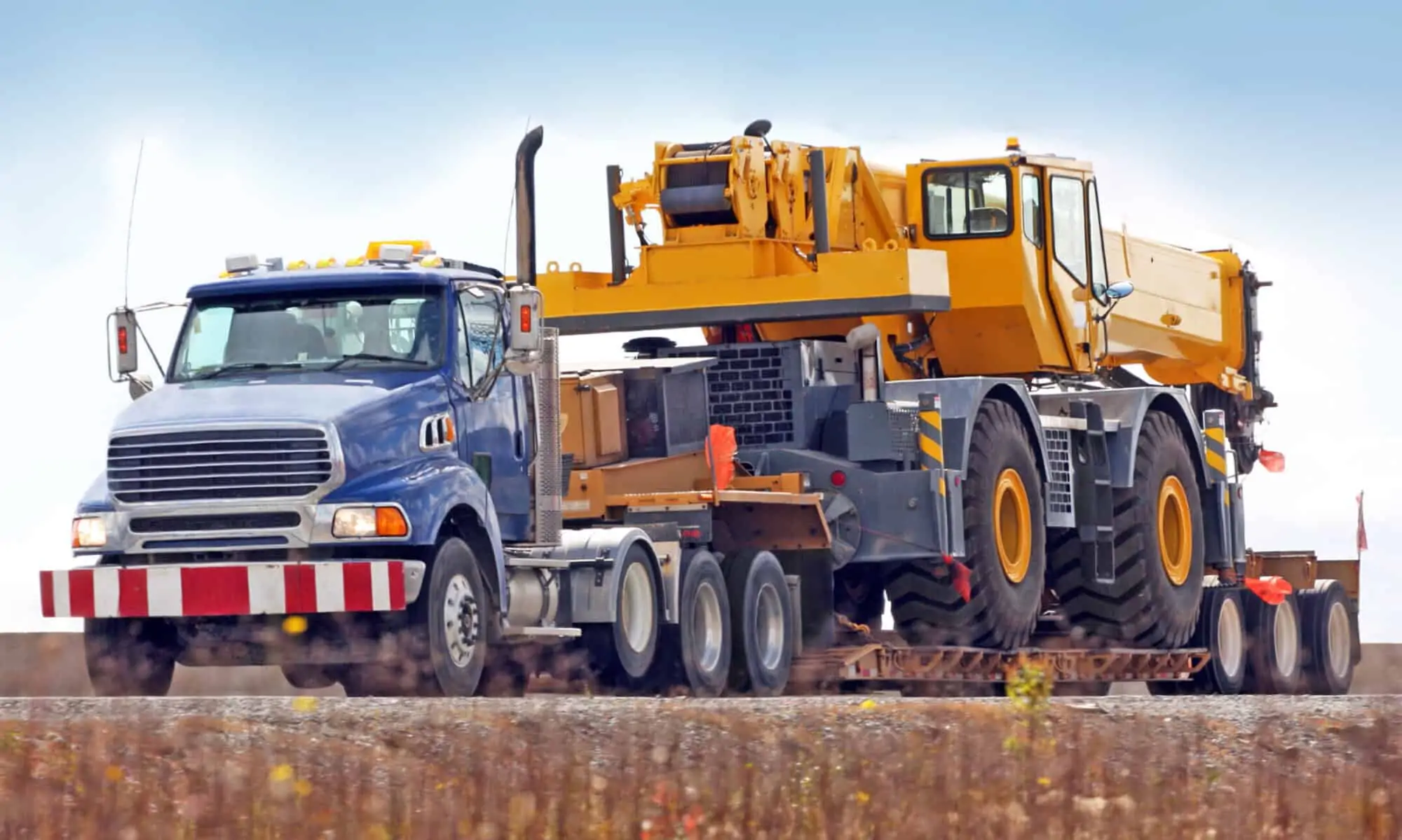
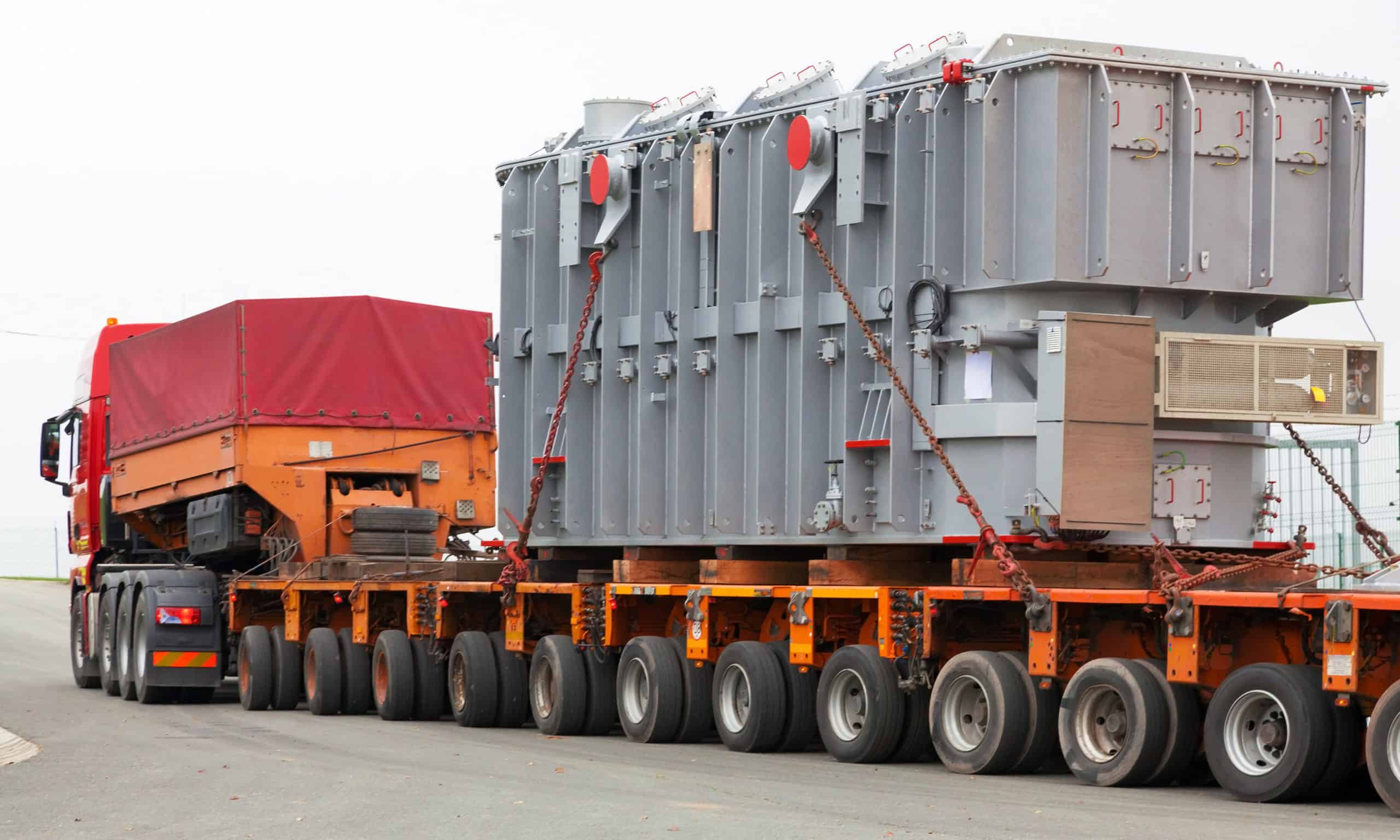
LAC coordinates tailored full truckload (FTL), less-than-truckload (LTL), and Flatbed & Heavy Haul solutions through a network of vetted carrier partners across the United States and Mexico. Access to a wide range of trucks and trailers helps match commercial freight to the right equipment, including shipments bound for locations beyond major corridors. This kind of US-Mexico trucking capacity gives shippers along the corridor one partner rather than several separate vendors to manage.
Typical documentation for this lane includes:
A T&E bond is a U.S. Customs and Border Protection authorization that lets goods move in-bond from a U.S. port of arrival to another U.S. point for export, such as to Mexico, without formal U.S. entry or payment of U.S. duties.
A trucking partner who reviews these before pickup, rather than after the truck is already en route, helps prevent border delays that can stall a shipment for days. LAC™ guides clients through every step of the process, from initial paperwork through final delivery, so requirements are reviewed before the truck departs.

LAC combines carrier network reach with a bicultural, bilingual team built around Latin American trade, closing the language and local-practice gaps that slow other providers down. Its carriers hold memberships with groups like the ATA and CANACAR, follow CVSA inspection standards on both sides of the border, and include CTPAT-certified carriers for faster processing. Shippers moving freight regularly between the US and Mexico get a partner who already understands both sides.
Delays at the US-Mexico border are most often caused by incomplete or inaccurate documentation, customs holds, or limited carrier capacity during high-volume periods such as year-end shipping peaks. Bridge-crossing and drayage availability add another layer of risk, since the crossing itself is often handled by a separate drayage carrier. Multi-leg coordination compounds this further: a typical move runs origin pickup → long-haul to the border → bridge crossing → long-haul to destination, often with a different driver, and sometimes a different company, on each leg. Reviewing paperwork before dispatch reduces this risk considerably, since errors caught before a truck reaches the crossing are far easier to fix than errors caught at the border itself. Working with an established carrier network also helps absorb capacity spikes without added delay.
Two ways freight crosses the US-Mexico border
| Method | How it works | Trade-off |
| Transload | One carrier runs to the border; a different carrier and trailer continue on the other side | More carrier options and flexibility; adds a handling point |
| Direct (no transload) | One carrier and its cross-border counterpart run the full route with the same trailer | Less handling; tighter capacity, since the same trailer must be available on both sides |
The right choice between FTL and LTL for US-Mexico trucking depends on shipment size, budget, and timeline.
| FTL | LTL | |
| Best for | Larger, time-sensitive shipments moving directly to one destination | Partial loads that don’t need a full trailer (e.g., a few pallets) |
| How trailer space works | One shipment occupies the entire trailer, with no stops to load or unload other freight | Trailer space is shared with other shippers’ cargo to keep costs down |
| Typical use | High-volume freight moving on a single route | Smaller, less time-sensitive freight moving on a shared route |
A good partner can help weigh shipment size, budget, and timeline against your specific freight needs to choose between the two.
Learn from the experiences of those who matter most: our customers








 LAC Blog
 Export Guides
 Transport Guides
 Logistics Glossary
 Container Types & Sizes
 Incoterms 2020 Rules