

 Request a Quote
Start shipping now
Request a Quote 
Start shipping now
Request a Quote
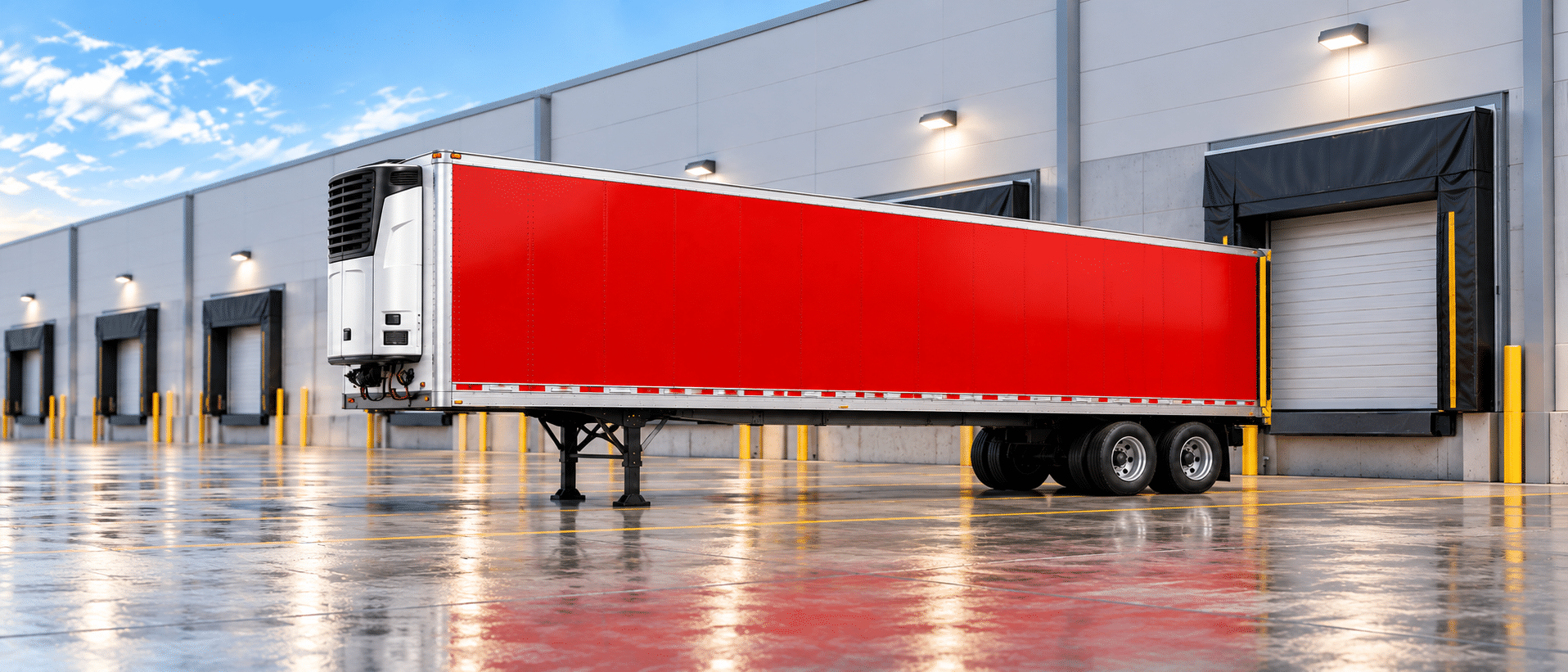
Reefer trailers are fully enclosed, insulated trailers equipped with a refrigeration unit to maintain controlled temperatures during transit. They are commonly used for chilled, frozen, and other temperature-sensitive freight.
Unlike standard Dry Vans, Reefer trailers are designed with insulated walls, roof, and flooring, along with airflow systems that help maintain the required cargo temperature throughout the trailer.
Manufacturers such as Great Dane and XTRA Lease offer both 48 ft and 53 ft refrigerated equipment, including single-temperature and multi-temperature configurations.
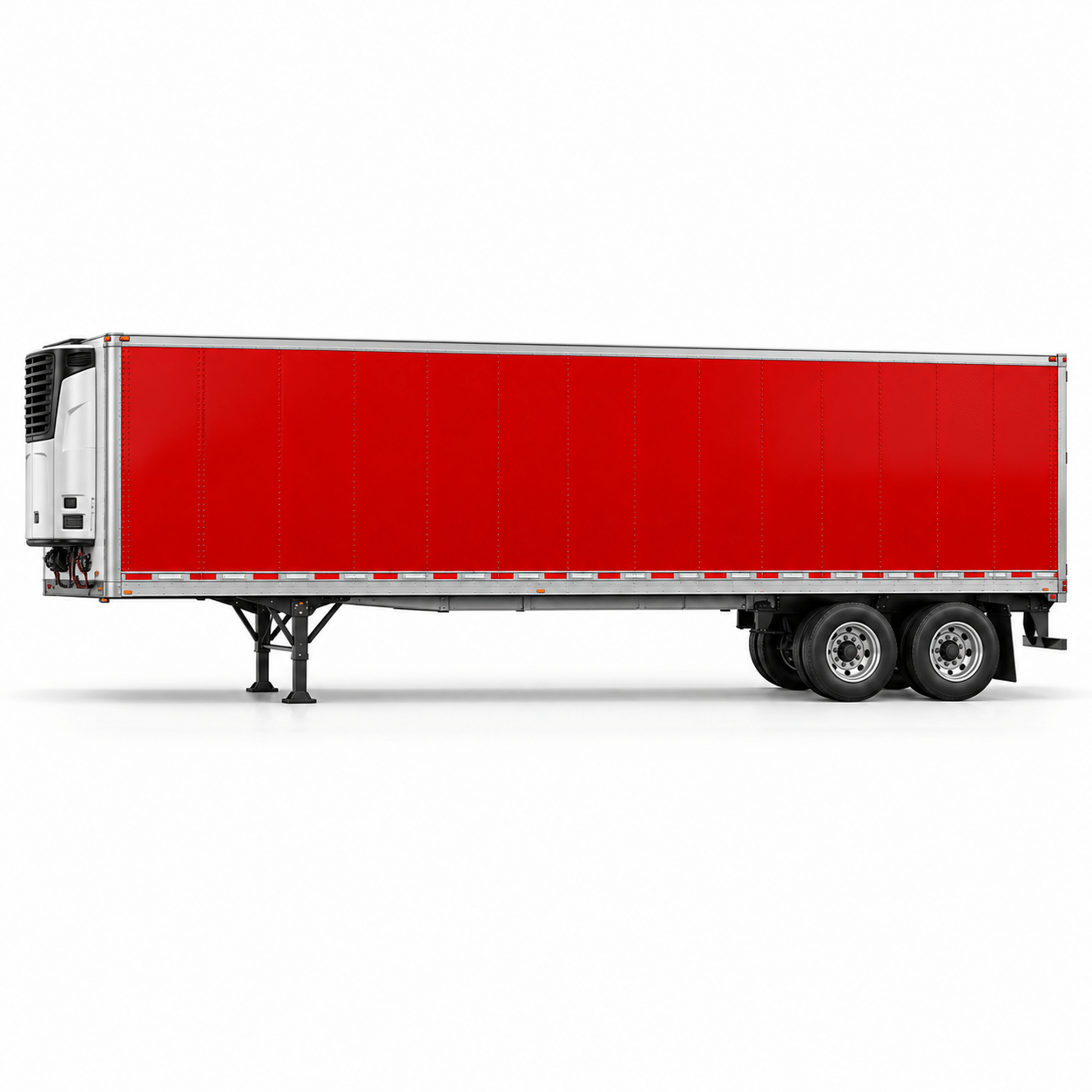
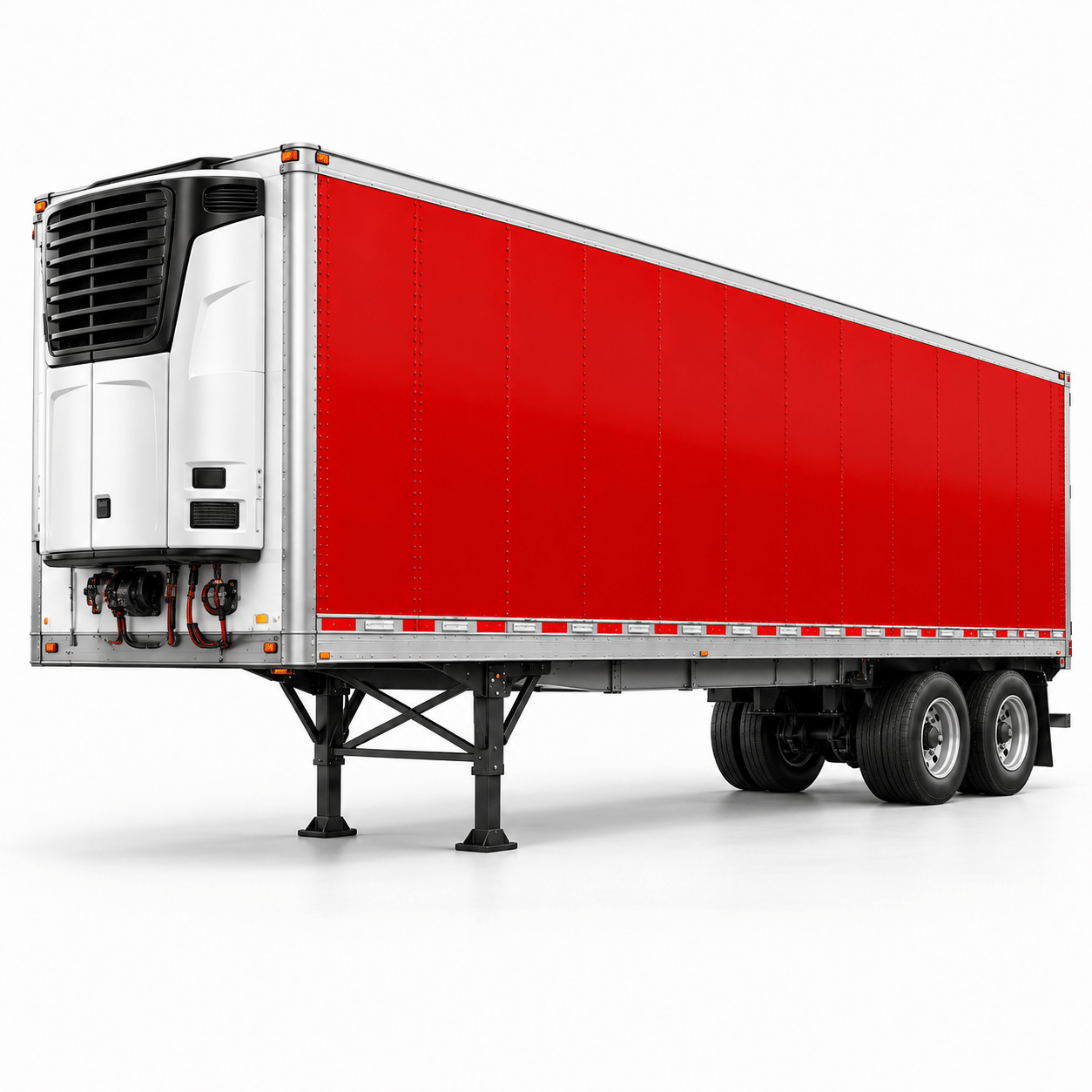
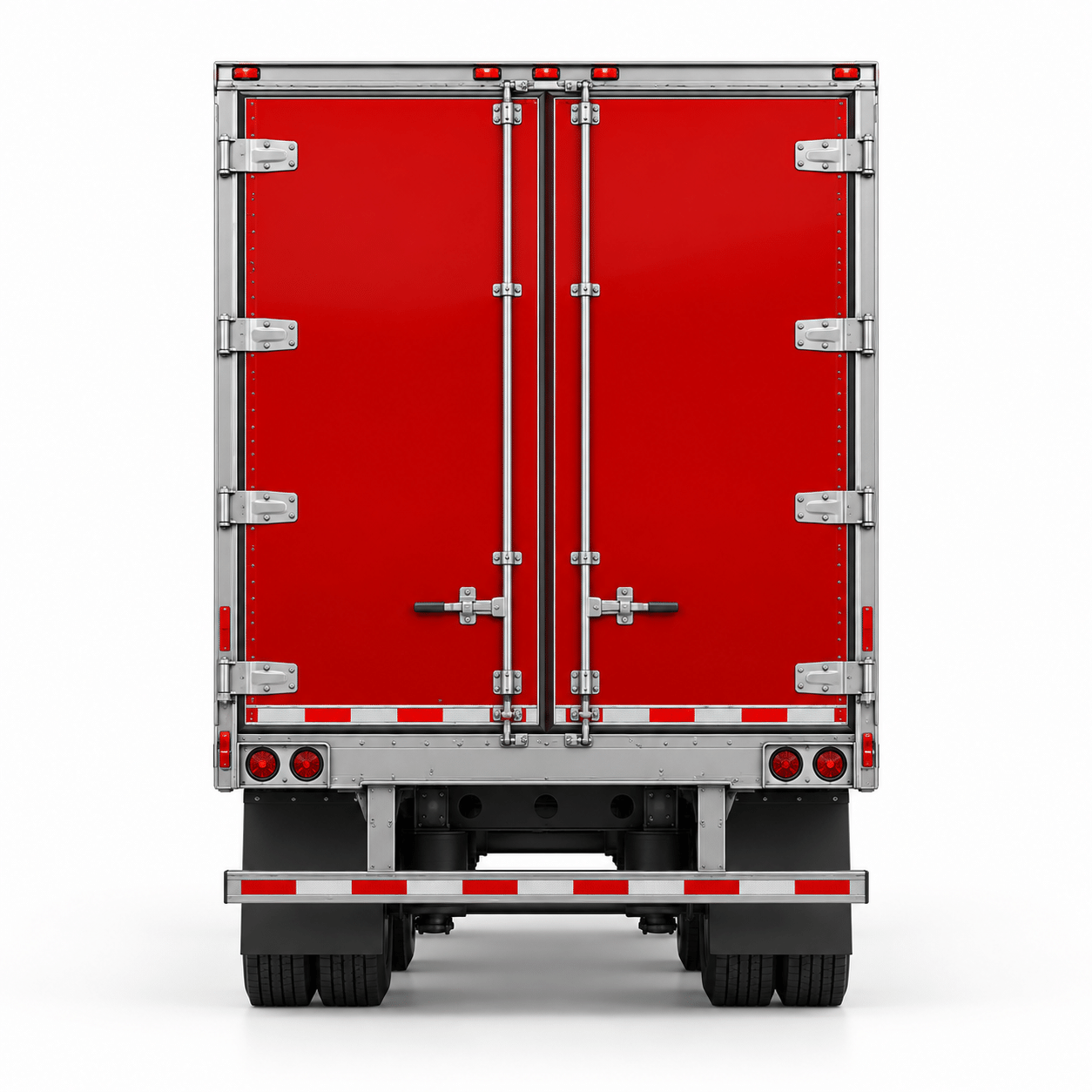
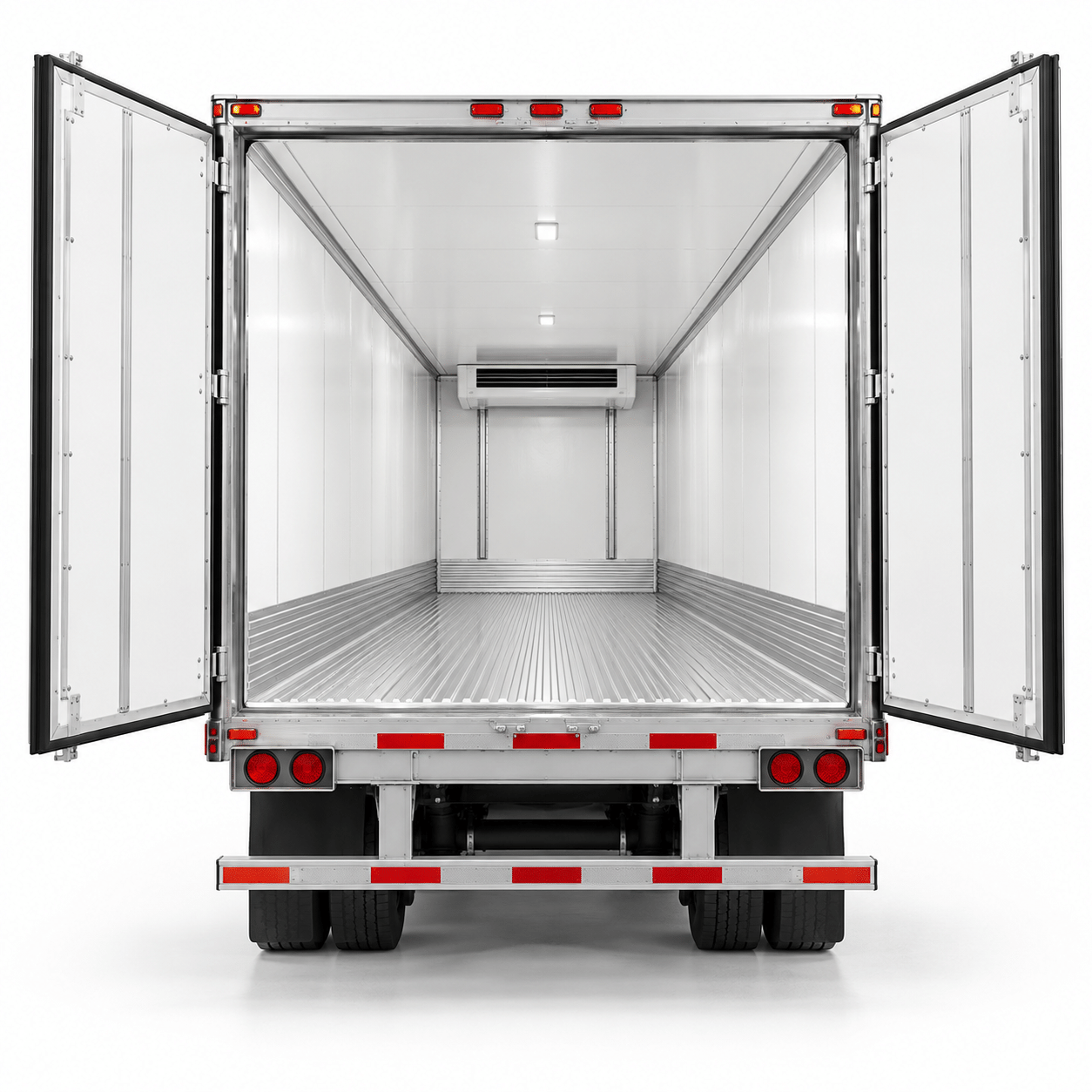
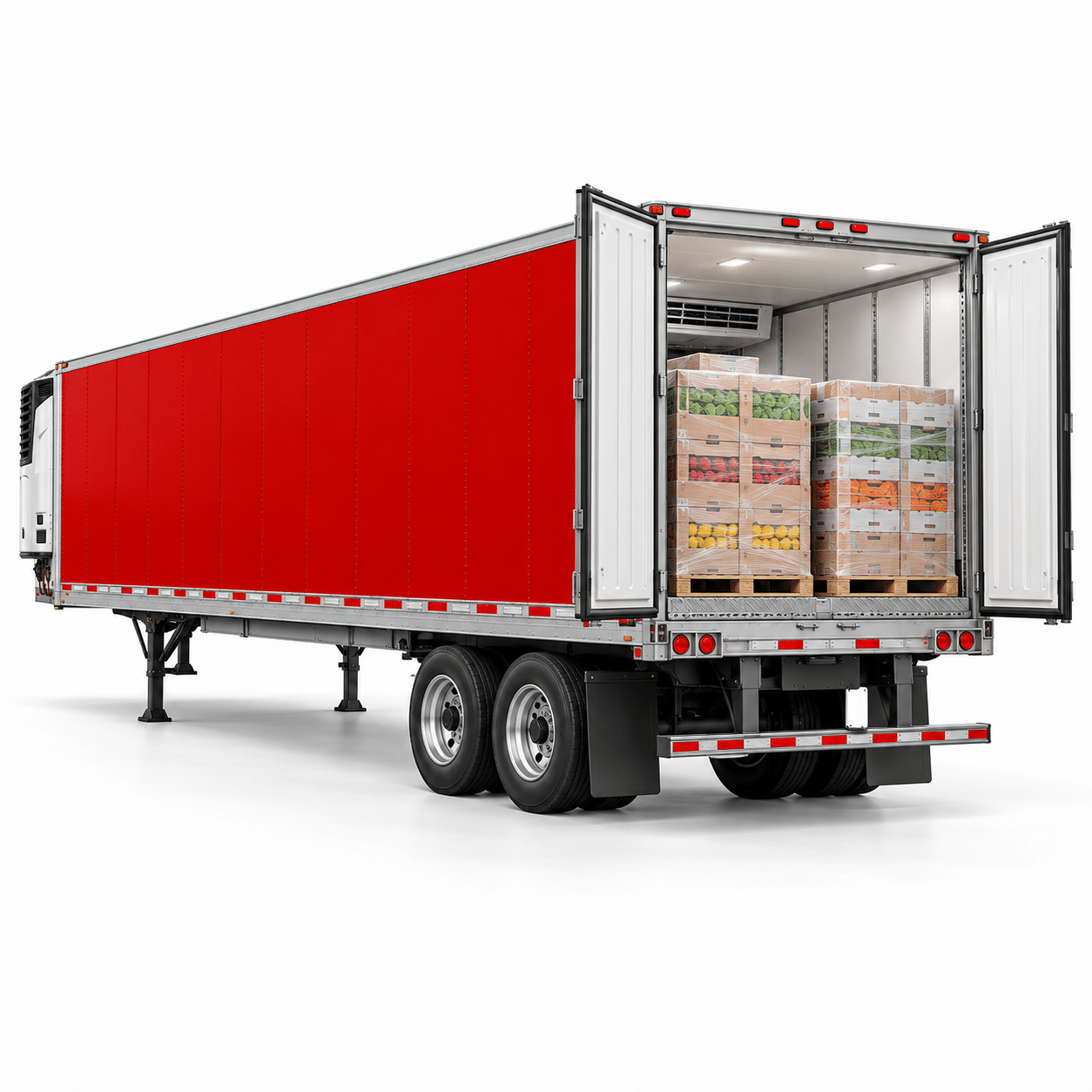
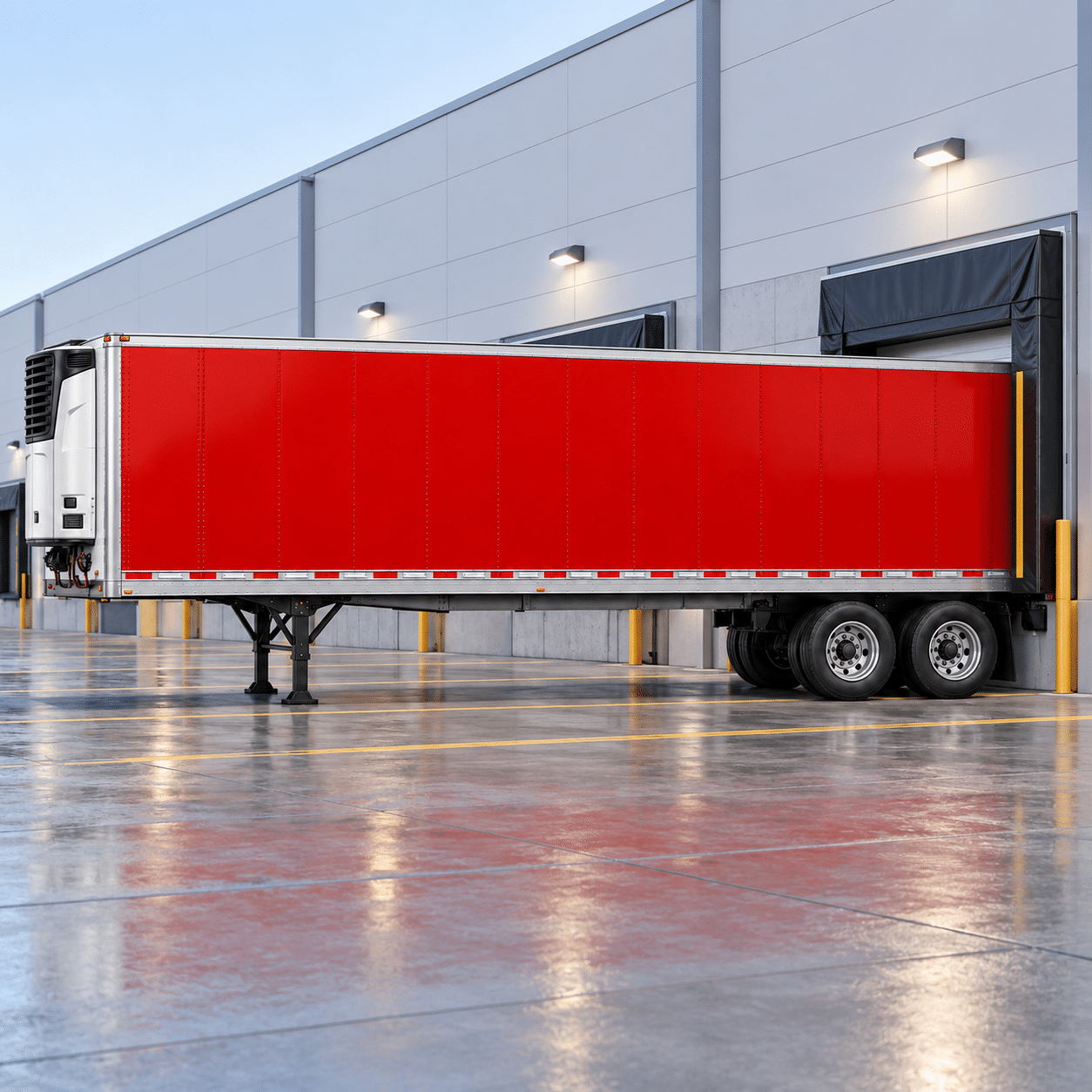
Reefer trailers commonly used in North American freight include:
A Single-Temperature Reefer maintains one temperature-controlled cargo environment throughout the trailer.
A Multi-Temperature Reefer can divide the trailer into separate compartments for products requiring different temperature conditions. Some multi-temperature equipment can support several controlled compartments plus an ambient section.
Because these configurations belong to the same refrigerated trailer family, they can be covered within one equipment page rather than treated as separate trailer types.
| Specification | Typical Range |
|---|---|
| Trailer Length | 48–53 ft |
| Exterior Width | About 102–102⅜ in |
| Interior Width | About 97–98 in |
| Interior Height | About 104–106 in |
| Door Opening | Approx. 98 in W × 103–104 in H |
| Payload Capacity | Varies by trailer, refrigeration unit, tractor, axle configuration, and applicable weight limits |
Current manufacturer examples show 53 ft refrigerated trailers around 102 in exterior width, roughly 97–98 in interior width, and approximately 104–106 in interior height. Door dimensions and usable interior space vary with insulation thickness, floor design, and configuration. Note: Dimensions, interior clearance, and allowable payload may vary by trailer configuration, manufacturer, insulation package, refrigeration equipment, and applicable weight regulations. Always confirm the specific equipment before booking.
| ✅ Best For | ❌ Not Ideal For |
|---|---|
| Chilled freight | Oversized freight |
| Frozen products | Over-height cargo |
| Temperature-sensitive food | Cargo requiring side loading |
| Produce and perishables | Cargo requiring top loading |
| Temperature-sensitive consumer products | Specialized heavy equipment |
| Certain pharmaceutical or healthcare shipments | Freight exceeding reefer interior clearance |
Reefer trailers are best suited for freight that must remain within controlled temperature conditions during road transport. Cargo requiring open-deck access, additional height clearance, or specialized loading may require Flatbed, Step Deck, RGN, or other equipment instead.
Reefer trailers are widely used for products whose temperature must be controlled during transportation.
Food & Beverage
Retail & Grocery
Pharmaceutical & Healthcare
Agriculture & Floral
Before booking a Reefer trailer, confirm:
Cargo should be loaded in a way that does not unnecessarily block airflow within the trailer, since effective air circulation is an important part of refrigerated transport.
Temperature requirements should also be confirmed before dispatch so the appropriate equipment and configuration can be selected.
A Reefer is usually a good option when your shipment:
A different trailer may be more appropriate when cargo does not require temperature control, is oversized or over-height, or requires side, top, or ground-level loading.

LAC coordinates Reefer and other Ground Freight solutions across North America based on your cargo, temperature requirements, route, timing, and equipment needs.
Learn from the experiences of those who matter most: our customers








 LAC Blog
 Export Guides
 Transport Guides
 Logistics Glossary
 Container Types Guide
 Trailers Types Guide
 Incoterms 2020 Rules