

 Get a Quote
Start shipping now
Get a Quote 
Start shipping now
Get a Quote

Shipping freight to the Dominican Republic comes with unique opportunities—and its own logistical and customs challenges. From choosing between ocean freight and air freight to the Dominican Republic to navigating documentation, duties, and local procedures, shippers need a partner that understands how business is really done in the Caribbean.
With over 25 years of experience, Latin American Cargo specializes in connecting North American businesses with the Caribbean and LATAM. We help you ship cargo to the Dominican Republic safely and cost-effectively, offering end-to-end support.
Remember, at LAC we also offer a full range of specialized freight services to Dominican Republic that your company needs to expand its business:
Whether you’re sending full containers, LCL shipments, machinery, vehicles, or time-sensitive cargo by air, LAC provides seamless freight shipping to the Dominican Republic with reliable transit times and competitive pricing.
With LAC you get:
Ready to ship to the Dominican Republic? Get a fast and personalized quote by filling out our online form.
The Dominican Republic is the largest economy in the Caribbean and one of the fastest-growing in Latin America, with growth driven by services, tourism, free trade zones, and manufacturing. A young population, ongoing infrastructure investments, and a strategic location between North and South America make it a natural hub for regional trade and distribution.
Key sectors include:
The Dominican Republic maintains especially close trade ties with the United States through the CAFTA-DR free trade agreement, which has expanded two-way trade and facilitated access for many industrial and consumer products. Canadian exporters also benefit from the country’s stable, growing demand for high-quality machinery, food products, building materials, and specialized equipment.
For North American shippers, this translates into real opportunities to:
A well-planned strategy for shipping freight to the Dominican Republic helps you tap into this demand while controlling risk and logistics costs.

Spanish is the primary business language in the Dominican Republic, and while many professionals speak some English, especially in larger firms and free trade zones, you should never assume full fluency. Providing key documents and product information in Spanish can dramatically reduce misunderstandings and speed up approvals.
Business culture is relationship-driven and often more personal than in many North American contexts. Trust, responsiveness, and consistency over time are highly valued. Meetings may involve more conversation before getting down to specifics, and negotiation can be iterative rather than strictly transactional.
Practical tips for smoother collaboration:
For logistics, this means your freight forwarder for shipping to the Dominican Republic should be comfortable operating in both English and Spanish and have strong relationships with local carriers, warehouses, and customs brokers.
The Dominican Republic has one of the more advanced logistics networks in the Caribbean, anchored by modern seaports and improving road infrastructure. Ports such as Port of Rio Haina, Caucedo Port, and Port of Santo Domingo handle a large share of the country’s container and general cargo traffic, serving as key gateways for imports from North America. Major cargo flows move quickly into Santo Domingo and other industrial areas, feeding construction, retail, and manufacturing.
Despite this, shippers can still face:
When you ship cargo to the Dominican Republic, it’s important to choose routings and services (FCL vs LCL, direct vs transshipment, sea freight vs air freight) that match your cargo profile, deadlines, and budget. An experienced regional freight forwarder like LAC helps you design the right solution and stay compliant with local regulations.
Like many Caribbean destinations, the Dominican Republic enforces strict import rules and documentation standards. Incomplete paperwork, inconsistent data between documents, or incorrect HS codes are some of the most common reasons cargo is held at customs, leading to delays and extra costs.
Typical causes of customs delays include:
Having an efficient customs clearance process in the Dominican Republic is essential not only to avoid demurrage and storage charges, but also to keep your overall shipping costs under control.
LAC mitigates these risks by:
With the right planning and a specialized freight partner, you can navigate customs smoothly and keep your shipments to the Dominican Republic predictable, even across multiple shipments and destinations.
As a specialized freight forwarder for shipping to the Dominican Republic, LAC provides complete door-to-door solutions from the USA and Canada using both sea freight and air freight to the Dominican Republic. We tailor the mode, routing, and service level to your cargo, budget, and delivery deadlines.
Whether you need to ship cargo to the Dominican Republic as full containers, consolidated pallets, vehicles, machinery, or time-sensitive products, our team manages the entire logistics chain so you deal with one point of contact, not multiple carriers.
For most commercial cargo, ocean freight to the Dominican Republic is the most cost-effective option. LAC offers services into the main ports of the country via key North American gateways such as Miami, Port Everglades, Houston, New York/New Jersey, Montreal, and others.
FCL – Full Container Load
LCL – Less Than Container Load
Specialized Ocean Movements
When speed is critical, LAC provides air freight to the Dominican Republic through major cargo airports in North America, connecting to Santo Domingo (SDQ), Santiago (STI) and Punta Cana (PUJ). Typical air freight transit times from the U.S. to Dominican Republic range roughly between 2–5 business days, depending on origin, airline, and customs.
Air Service options include:
We help you choose between economy and priority options, taking into account chargeable weight, dimensional weight, and flight capacity.
LAC’s expertise covers a wide range of sectors regularly importing into Dominican Republic:
Understanding shipping costs to the Dominican Republic is key to planning your supply chain. Final pricing depends on your exact shipment, but there are typical patterns for both ocean and air services.
Below is a reference table based on recent market rates for standard commercial cargo from major North American hubs to the Dominican Republic. Please note these are approximate freight-only ranges (not a full quote) and exclude duties, customs fees, insurance, and most local origin/destination charges.
| Shipping Mode | Destination | Transit Time | Freight Cost (USD) |
| Ocean Freight (20′ FCL) | Santo Domingo / Caucedo / Haina | 3–8 days | $1,400 – $3,800+ |
| Ocean Freight (40′ FCL) | Santo Domingo / Caucedo / Haina | 3–8 days | $2,300 – $5,800+ |
| Ocean Freight (LCL) | Santo Domingo / Caucedo / Haina | 6–12 days | $160 – $230+ / CBM |
| Air Freight (Standard) | Santo Domingo / Santiago | 1–3 days | ~$2.80 – $6.50 / kg |
| Air Freight (Express) | Santo Domingo / Santiago | 1–2 days | ~$8.50 – $16.00+ / kg |
Several variables influence shipping costs to Dominican Republic on every shipment:
LAC’s team evaluates all these factors to design cost-efficient routings and provide transparent, itemized quotes for your freight shipping needs to the Dominican Republic.
Thanks to its strategic position in the Caribbean, the Dominican Republic offers a dense network of seaports, airports, and free trade zones that make freight shipping highly competitive.
Most commercial imports move through a handful of core ports and airports, supported by logistics parks and industrial zones around the capital and the Cibao region.
The Dominican Republic operates more than a dozen commercial seaports, but a few handle the majority of container, bulk, and RORO traffic.
| Seaport | Region | Role & Typical Use |
| Port of Rio Haina | Near the capital city area | Major multipurpose port near Santo Domingo handling containers, bulk, fuel, and project cargo; key gateway for goods serving the capital and nearby industrial zones. |
| Caucedo Port | Close to the capital, coastal area | Modern deep-water container terminal and major regional transshipment hub; handles over half of the country’s containerized cargo and is integrated with a logistics park supporting multimodal and time-sensitive shipments. |
| Port of Santo Domingo | City-center waterfront area | Historic port handling cruise ships along with limited containers and general cargo; mainly used for specific trades and deliveries into the city center. |
| Other regional ports | Puerto Plata, Barahona, Cabo Rojo, Manzanillo, and others | Smaller regional and specialized terminals supporting bulk and regional cargo flows, particularly for mining, energy, and agricultural exports. |
When you ship cargo to the Dominican Republic by sea, LAC typically routes through Rio Haina or Caucedo for containerized and project cargo, selecting the port that best aligns with your consignee’s location, cargo profile, and deadline.
Air freight is concentrated in a few international airports that connect the country with major North American and global hubs.
| Airport | IATA Code | Region | Role & Typical Use |
| Las Américas International Airport | SDQ | Near the capital, main metropolitan area | Primary cargo hub handling electronics, textiles, perishables, and general cargo; close to major free trade zones and Caucedo Port, ideal for multimodal solutions. |
| Punta Cana International Airport | PUJ | Eastern tourism corridor | Serves the main resort region; important for perishables and supplies for hotels, resorts, and food service operations. |
| Cibao International Airport | STI | Northern region around Santiago de los Caballeros | Key gateway for the Cibao/northern region; handles textiles, cigars, and agricultural cargo. |
| Additional cargo-capable airports | POP, LRM | Puerto Plata and La Romana; tourism/industrial areas | Support regional passenger and cargo flows, particularly for tourism and niche exports. |
When shipping air cargo to the Dominican Republic, LAC leverages these airports to balance speed, cost, and proximity to your final delivery point.
Beyond ports and airports, Republica Dominicana positions itself as a logistics hub for the wider Caribbean and the Americas, supported by free trade zones and logistics parks.
When planning ocean freight to Republica Dominicana or air solutions, LAC aligns your routing with these hubs so your cargo enters as close as possible to your end customers, reducing inland costs and transit time.
Our team of logistics experts is ready to optimize your supply chain and deliver seamless shipping solutions.

Customs in the Dominican Republic is administered by the Dirección General de Aduanas (DGA), which uses modern electronic systems but enforces strict documentation and valuation rules.
Getting customs right is essential to keep transit times and costs under control. As a specialized freight forwarder for shipping to the Dominican Republic, LAC works closely with local customs brokers to make the process as predictable as possible.
Most commercial shipments to Dominican Republic require a core bundle of documents:
Depending on the product, you may also need permits, sanitary or phytosanitary certificates, test reports, or product registrations.
Dominican regulations vary by product type, with strict controls on certain categories:
Our team flags these requirements early so you can secure approvals before you ship cargo to the Dominican Republic.
Most commercial imports follow a similar sequence:
Dominican customs officials indicate that average clearance time is around three days from submission of complete documentation, and it can be reduced to hours when using online and advance procedures.
Correct HS code classification and valuation are central to calculating duties and taxes:
LAC does not replace your tax advisor, but we do help you and your broker use consistent HS codes, prepare compliant invoices, and structure your shipments so you can benefit from available trade preferences while avoiding costly reclassification or penalties when you ship cargo to the Dominican Republic.
Shipping to República Dominicana requires more than just booking freight. It takes local market knowledge, strong carrier relationships, and careful coordination across documentation, customs, and final delivery.
With more than 25 years of experience in Latin America and the Caribbean, LAC helps businesses move cargo from the USA and Canada to República Dominicana with reliable, cost-effective solutions. Our team supports both ocean freight to Republica Dominicana and air freight to Republica Dominicana, including FCL, LCL, RORO, breakbulk, and project cargo.
We help simplify the process by:
As a specialized freight forwarder shipping to Republica Dominicana, LAC combines regional expertise with personalized support to help you ship confidently and efficiently.
Request a Quote to get a tailored shipping solution for your next shipment to República Dominicana.
Below are some of the most common questions businesses ask when planning freight shipping to the Dominican Republic, from transit times and pricing to customs and special cargo.
Transit time depends on origin, mode of transport, and customs:
LAC will give you an estimated transit window in your quote based on your exact route and service level.
Shipping costs to Dominican Republic are driven mainly by:
When you request a quote, LAC consolidates all these variables to give you a clear, itemized rate so you understand exactly how your freight shipping to the Dominican Republic is priced.
For most commercial shipments, you’ll need at least:
LAC can pre-check your documentation before you ship cargo to the Dominican Republic to reduce the risk of customs delays.
Yes. You can ship:
These can move via RORO vessels, in containers, or as breakbulk/project cargo depending on size, value, and condition. Local rules may apply to used vehicles and equipment (age limits, emissions, paperwork), so LAC confirms current regulations and chooses the safest, most cost-effective routing for you.
In practice, yes—using a licensed customs broker is strongly recommended and often required for commercial imports.
If you don’t already have a broker, we can introduce you to reliable partners as part of your shipping solution.
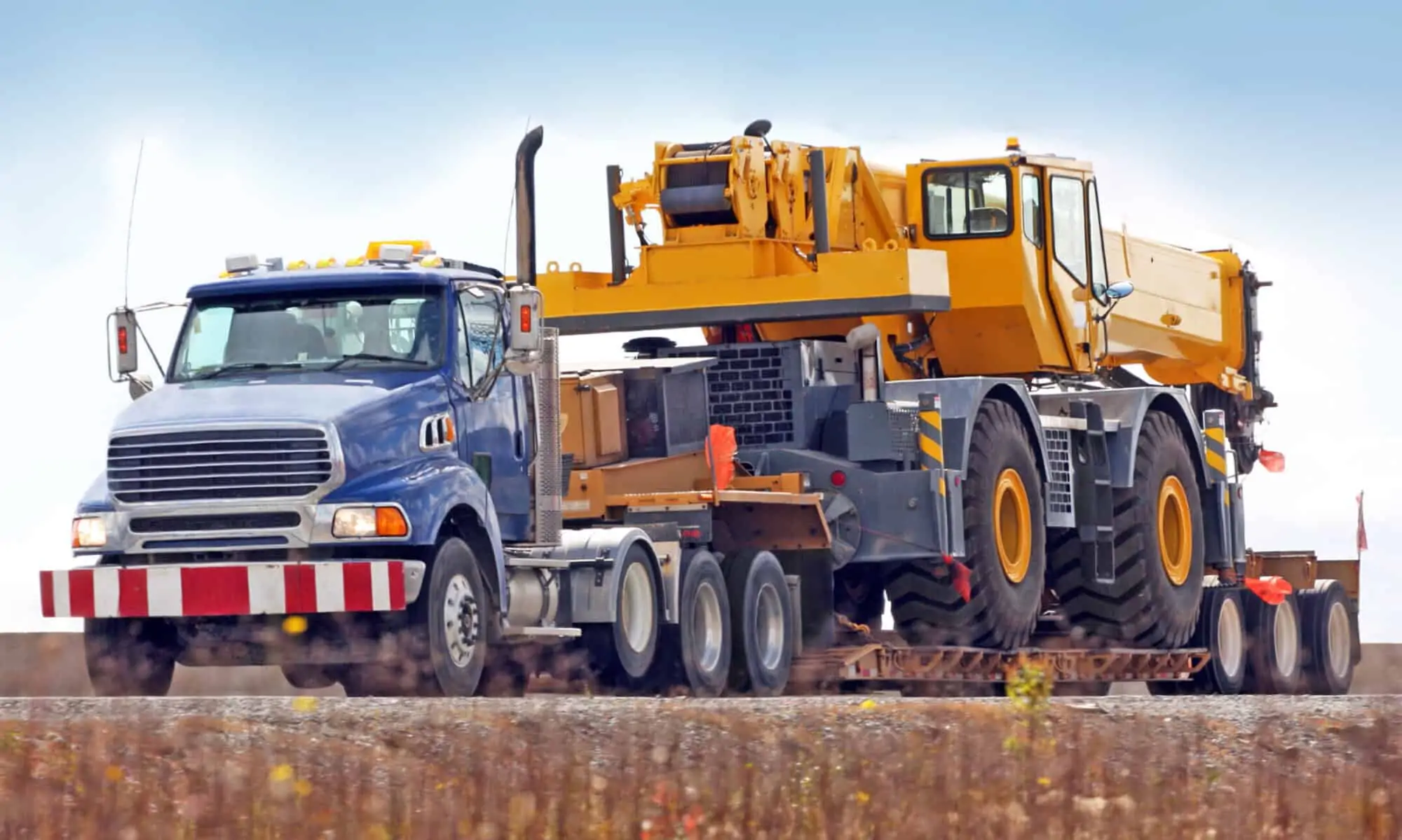
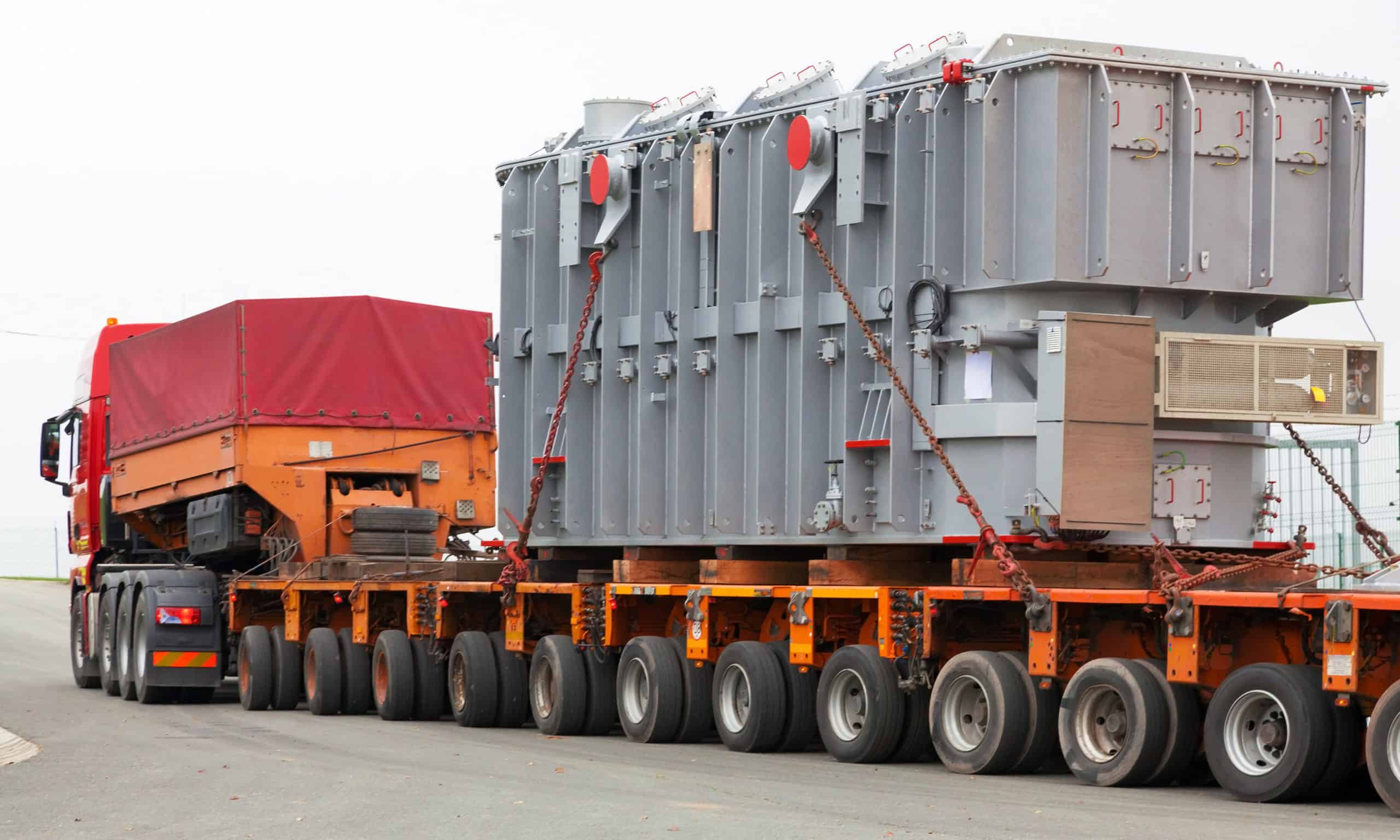
For machinery and heavy/oversized cargo, safety and planning are critical:
LAC’s project cargo team designs tailored solutions so your equipment arrives in the Dominican Republic safely and on schedule.
Yes. If you don’t fill a full container, LAC offers LCL (Less Than Container Load) and air consolidation options:
Tell us your expected frequency and volume, and we can design a repeating solution for your supply chain.
LAC combines Caribbean shipping expertise, strong carrier networks, and hands-on support to make freight shipping to the Dominican Republic simple and reliable. Whether you ship by ocean, air, or both, we’ll help you choose the right solution.
Learn from the experiences of those who matter most: our customers








 LAC Blog
 Export Guides
 Transport Guides
 Logistics Glossary
 Container Types & Sizes
 Incoterms 2020 Rules