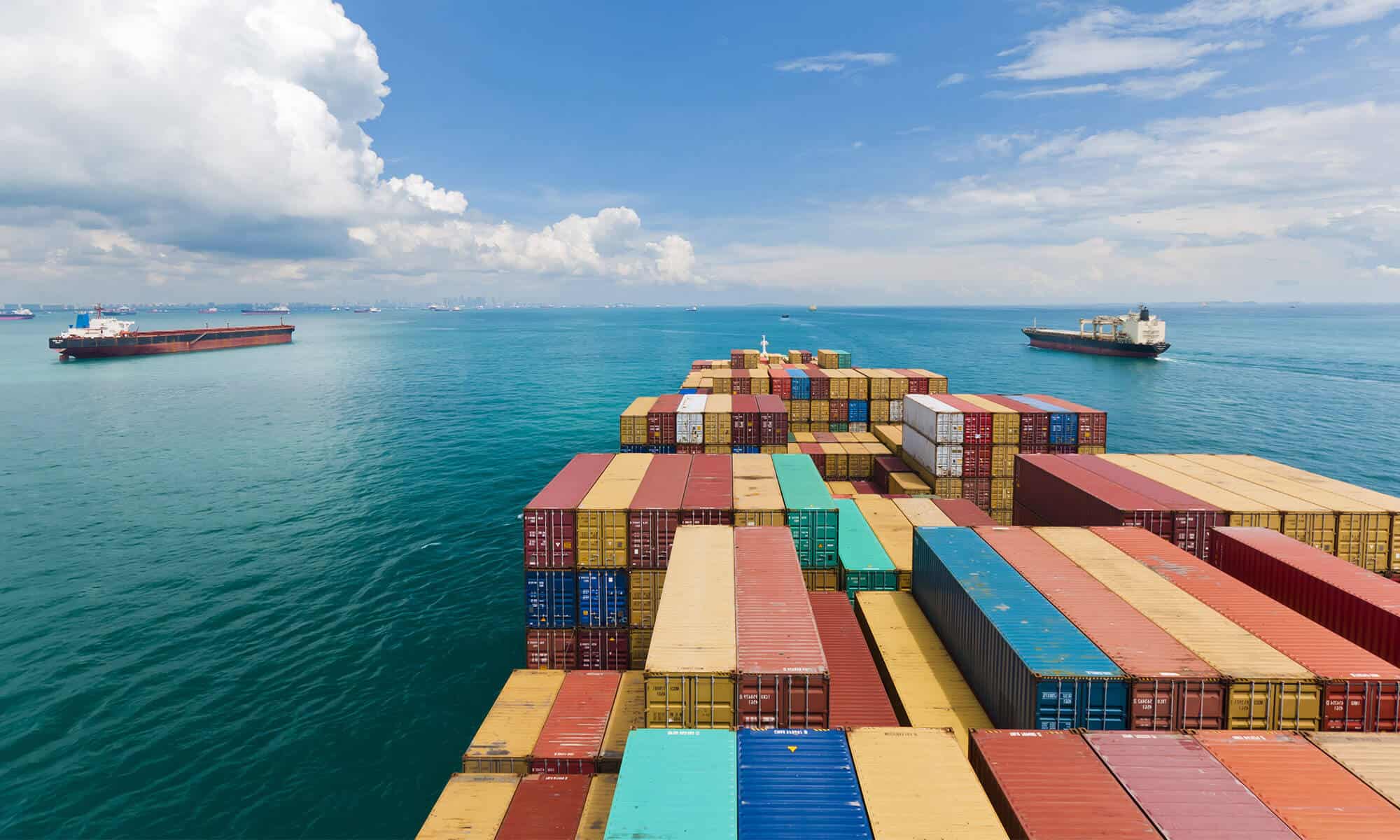
If you’re planning to ship containers to Costa Rica, the biggest decisions are usually FCL vs. LCL, which port to use (Pacific or Caribbean), and how destination fees and customs will affect your landed cost.
At LAC (Latin American Cargo), we support your logistics needs with both FCL shipping to Costa Rica and LCL consolidation with competitive carrier options across North America–Costa Rica lanes.
Remember, at LAC we also offer a full range of specialized freight services to Costa Rica that your company needs to expand its business:
Container pricing changes based on equipment (container type/size), mode (FCL vs LCL), origin port, seasonal capacity, and local costs like THC, documentation, and customs handling. Estimated ranges can be useful for budgeting, but the only accurate number comes from your exact port pair, cargo details, and sailing date.
| Container Type | Capacity | Estimated Cost (USD) |
|---|---|---|
| 20′ Container | ~ 33 m³ | $2,800–$3,500 |
| 40′ Container | ~ 67 m³ | $3,800–$4,700 |
| 40′ High Cube | ~ 76 m³ | $4,100–$5,000 |
Need an exact container shipping pricing to Costa Rica? Request a freight quote from our logistics team.
Ocean rates are only one piece of the final invoice. The total usually combines the linehaul plus origin/destination charges, and the balance shifts depending on whether you book FCL or LCL freight to Costa Rica.
Short-haul Caribbean services into Moín/Limón often price differently than Pacific routings into Caldera (especially if your cargo starts in Western Canada or the U.S. West Coast).
A 40ft is typically the best value per cubic meter, while a 40ft High Cube helps when cargo “cubes out” before it “weighs out” (lighter, bulky goods). Standard volumes commonly used for planning are ~33 m³ (20’), ~67 m³ (40’), and ~76 m³ (40HC).
Hazmat (DG) and temperature-controlled freight (reefers) can add surcharges, special documentation, and stricter cutoffs.
Typical add-ons include:
Costa Rica’s container activity is concentrated in a few ocean gateways—Caribbean ports serve the largest share of population and industrial flows around San José via Route 32, while Caldera is the key Pacific option.
| Port | Region | Role | Main Trade Routes |
|---|---|---|---|
| Moín Container Terminal (APM Terminals) | Limón (Caribbean) | Primary modern container terminal; ~1.2M TEU annual capacity | U.S. East/Gulf, Caribbean hubs, Europe connections |
| Port of Limón (JAPDEVA area) | Limón (Caribbean) | Legacy port complex supporting general cargo and some container flows | Regional Caribbean and feeder services |
| Puerto Caldera | Puntarenas (Pacific) | Main Pacific freight port; container terminal throughput reported in the hundreds of thousands of TEU | U.S. West Coast, Mexico/Panama connections, Pacific transshipment |
Costa Rica’s economy blends advanced manufacturing (notably medical devices), consumer imports, and strong retail/food demand—so containerized freight stays steady year-round. Sea transport represents the largest share of import value into Costa Rica (INEC), which is why choosing the right port, sailing, and clearance plan matters.
Main North American exports to Costa Rica:
Actual time varies by port pair, weekly cutoffs, and whether the service is direct or transshipped. Some datasets show very fast Caribbean sailings (e.g., Miami into Moín/Limón), while many published guides quote longer “typical” windows that reflect schedule and port time variability—so plan with a buffer if you have strict delivery dates.
| Origin Region | Destination Port | Average Transit Time |
|---|---|---|
| U.S. Southeast (Florida) | Moín/Limón (Caribbean) | ~4–10 days |
| U.S. Gulf (TX/LA) | Moín/Limón (Caribbean) | ~7–14 days |
| U.S. East Coast (Mid-Atlantic/NE) | Moín/Limón (Caribbean) | ~10–18 days |
| U.S. West Coast (CA/PNW) | Puerto Caldera (Pacific) | ~15–22 days |
| Canada (East) | Moín/Limón (Caribbean) | ~14–25 days (often via transshipment) |
| Canada (West) | Puerto Caldera (Pacific) | ~18–30 days (often via transshipment) |
Transit times represent port-to-port ocean transit and may vary depending on carrier schedules and transshipment requirements.
FCL is usually the best fit when you need:
Trade context: U.S. goods exports to Costa Rica were reported at $10.2B in 2025 (USTR), and Costa Rica’s imports from the U.S. were $8.65B in 2024 (UN Comtrade via Trading Economics). Those flows are largely containerized for industrial supplies, machinery, and retail replenishment—meaning FCL is common for B2B shippers.
Note: A public, authoritative statistic for “% of U.S./Canada exports to Costa Rica shipped as FCL vs LCL” is not typically published, since FCL/LCL is a booking method rather than a standard trade reporting category.
Ship Your Full Container to Costa Rica – Request a Quote
LCL is a strong option when you want:
For LCL freight from USA to Costa Rica, the key is controlling warehouse handling, cutoffs, and documentation accuracy so your cargo doesn’t get delayed at CFS or destination deconsolidation.
Ship your LCL cargo to Costa Rica – Request a Quote
With 25+ years focused on the Americas, LAC helps shippers align carrier space, port choice, and customs readiness—especially when you’re comparing container shipping rates to Costa Rica across multiple origin points (U.S. and Canada).
Most North America–Costa Rica moves land in a ~4–22 day port-to-port planning range depending on origin coast, destination port, and transshipment (Caribbean routes into Moín/Limón are often quickest).
The most common are 20’, 40’, and 40’ High Cube (about 33 m³, 67 m³, and 76 m³ respectively).
Typically: commercial invoice, packing list, bill of lading/sea waybill, and any product-specific certificates/permits (your broker may request additional compliance documents depending on HS codes).
Per unit of cargo, FCL is usually cheaper once you have enough volume to fill a meaningful share of the container; LCL is cheaper for smaller shipments but includes consolidation/deconsolidation handling.
Most importers use a broker (directly or through their forwarder) to ensure correct HS classification, taxes, and local clearance steps—especially for regulated products.
Learn from the experiences of those who matter most: our customers