

 Request a Quote
Start shipping now
Request a Quote 
Start shipping now
Request a Quote

RGN trucking, step deck trucking, and lowboy trailer shipping solve different height and weight challenges for freight that won’t fit a standard flatbed. This guide compares all three so you can match the right trailer to your shipment.
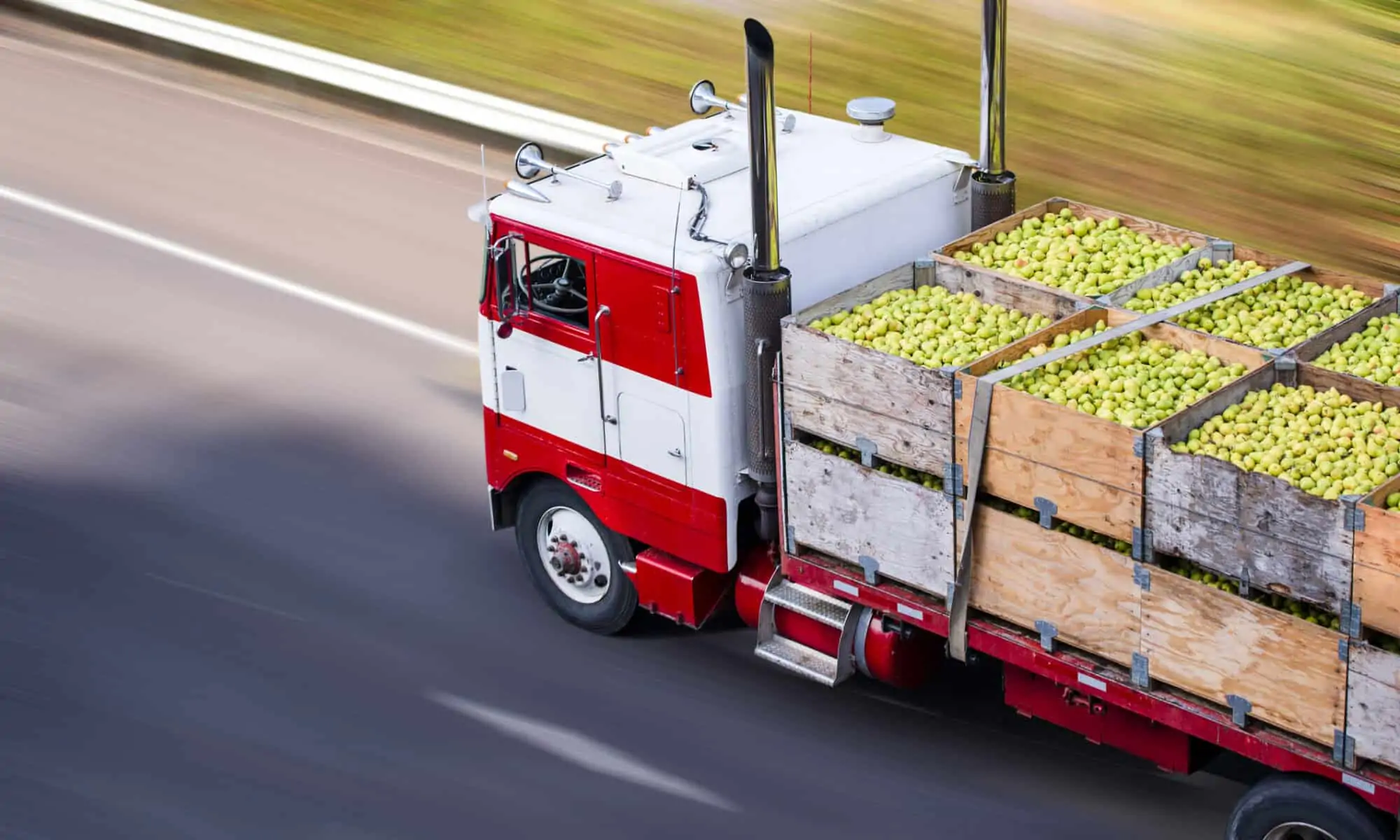
Step deck trucking uses a trailer with a higher front section and a lower rear deck sitting roughly 3.5 feet off the ground, gaining meaningful clearance over a standard flatbed. That extra height lets taller freight clear legal height limits without triggering the permit requirements a taller load might otherwise need. Freight is typically loaded by forklift or crane rather than driven on, since step decks don’t have the ramp access an RGN offers for self-propelled equipment.
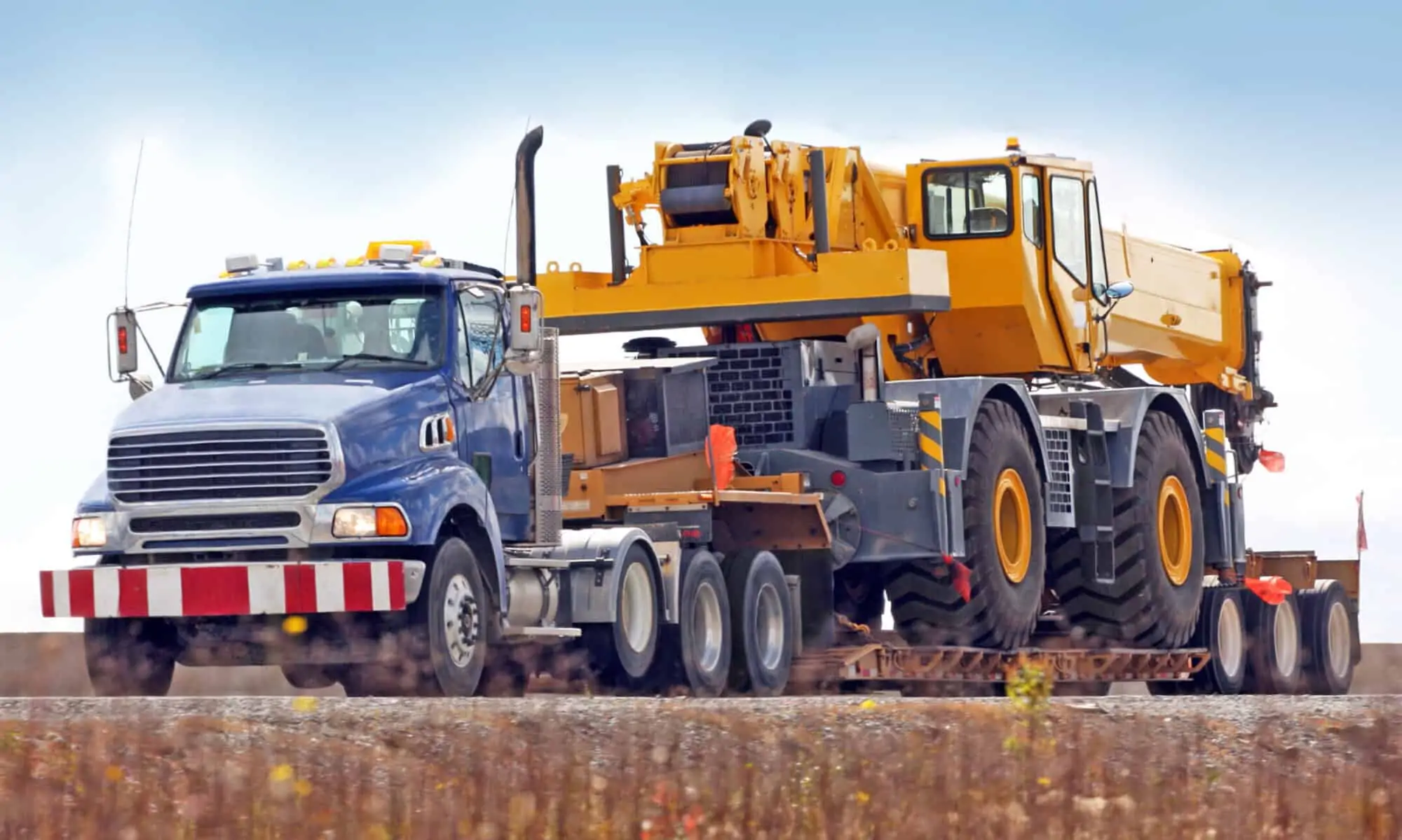
An RGN, short for removable gooseneck, shares the low deck height of a lowboy but detaches at the front to create a ground-level ramp for loading. That ramp allows self-propelled equipment, like excavators or bulldozers, to drive on and off under their own power without needing a crane. Once loaded, the gooseneck reattaches, and the trailer tows normally, giving RGNs one of the lowest deck heights available, on par with a lowboy, and the easiest loading method for wheeled or tracked machinery.
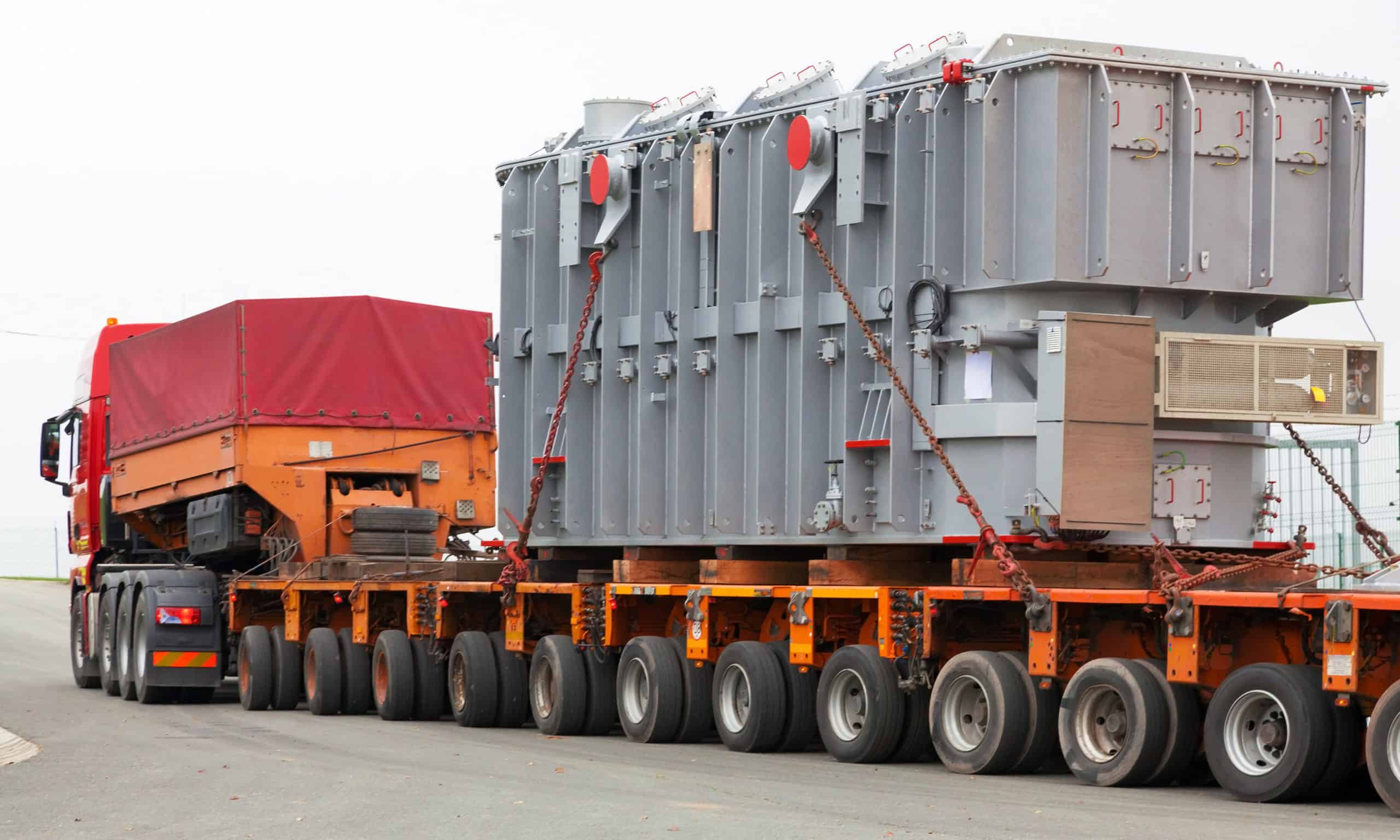
A lowboy trailer has a fixed low deck without a removable gooseneck, providing extra height clearance for tall equipment that doesn’t require drive-on loading. Freight is typically loaded by crane rather than driven on, since the deck stays attached to the frame at all times. Through its Flatbed & Heavy Haul carrier relationships, LAC helps identify the right equipment (standard flatbed, step deck, RGN, or lowboy) for a given shipment.

Weight capacity, loading method, and the clearance the freight actually needs typically determine the choice among the three trailer types.

Freight exceeding standard height, width, or weight limits typically requires state- or province-specific oversize permits, and taller or wider loads may need escort vehicles along part of the route. Requirements vary by state or province and by the specific route a shipment takes, so permit needs aren’t always obvious from freight dimensions alone before booking. Planning ahead of dispatch matters, since permit approval can take longer to secure than the shipment itself in some states or provinces.
| Trailer | Typical deck height | Loading method | Best for |
| Standard flatbed | Highest of the group (no number) | Forklift/crane | Freight within standard height limits |
| Step deck | Lower deck ~3.5 ft (42 in) | Forklift/crane | Moderately tall freight |
| RGN | ~18–24 in | Drive-on (detachable gooseneck) | Tall, self-propelled equipment |
| Lowboy (fixed neck) | ~18–24 in | Crane or ramp, depending on trailer | Tall, heavy equipment |
The right trailer depends on freight height, weight, and whether the equipment can be driven on or must be crane-loaded onto the deck before departure. Sharing accurate dimensions and weight upfront helps a carrier confirm the correct trailer before a shipment is booked, rather than discovering a mismatch at pickup on load day. Getting this right the first time avoids delays, re-bookings, and the added cost of switching equipment mid-route.
Learn from the experiences of those who matter most: our customers









 LAC Blog
 Export Guides
 Transport Guides
 Logistics Glossary
 Container Types & Sizes
 Incoterms 2020 Rules