

 Request a Quote
Start shipping now
Request a Quote 
Start shipping now
Request a Quote

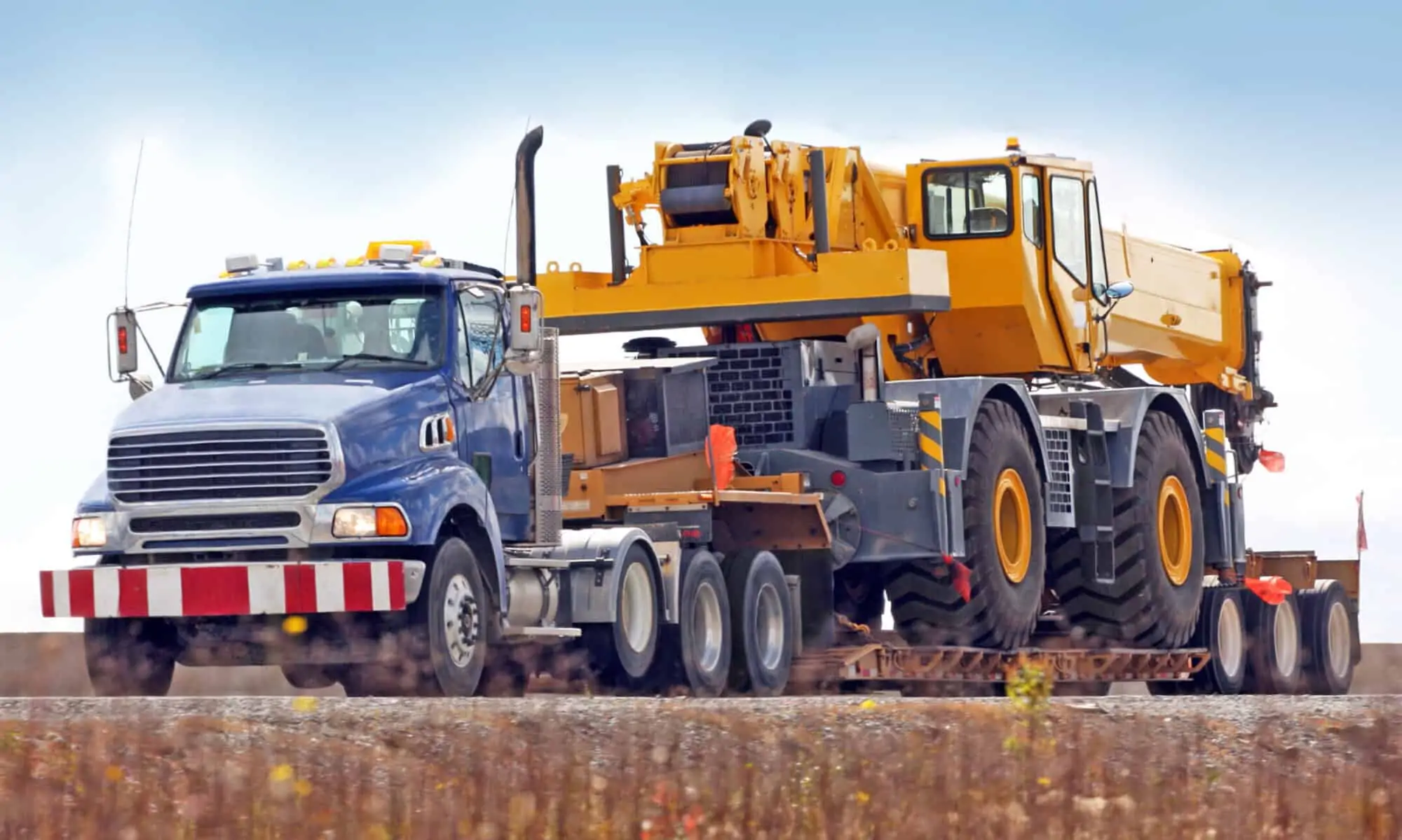
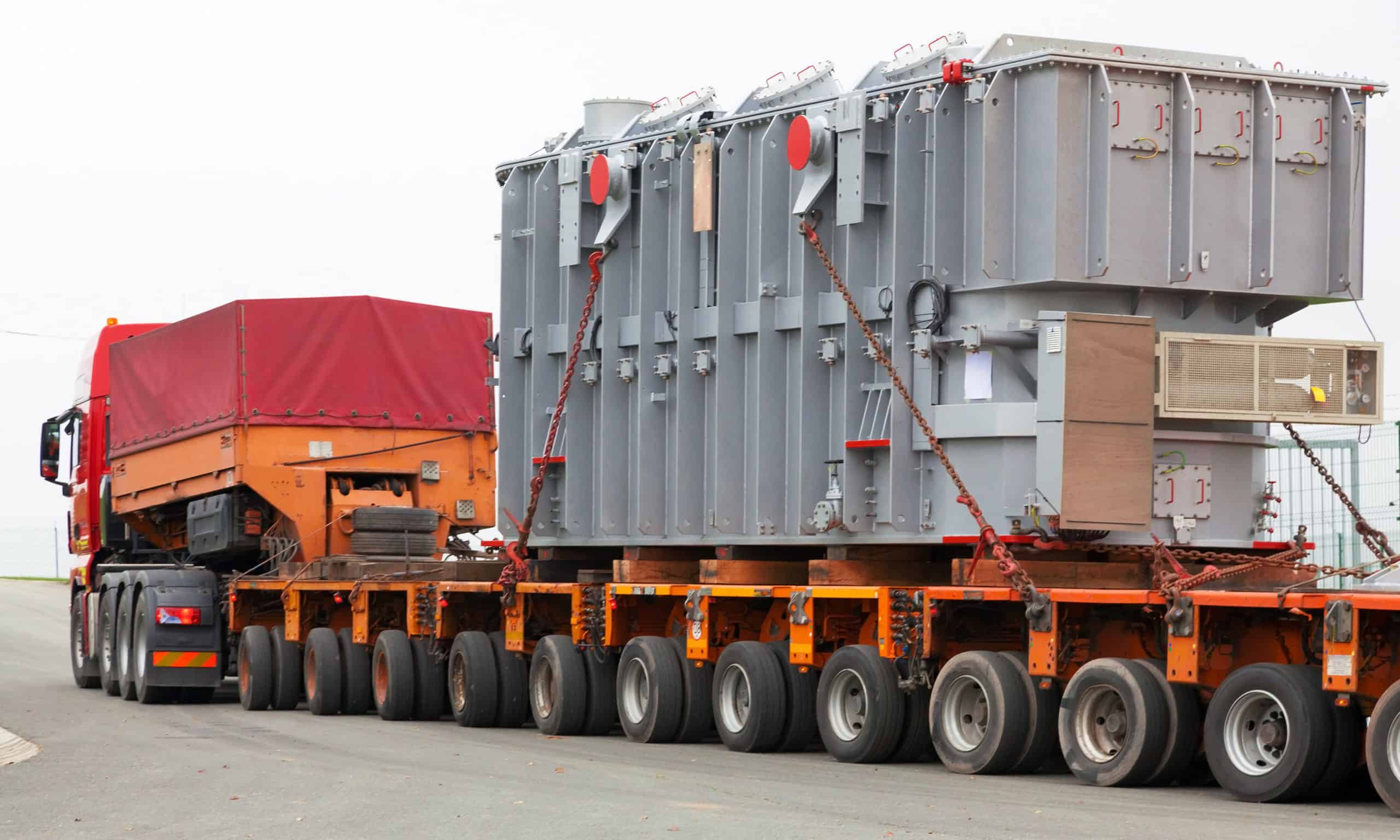
Oversize load trucking depends on state permits, careful route planning, and strict compliance with dimension limits. LAC™ coordinates permits and escorts for heavy haul shipments, giving you one partner to manage every regulatory and logistical detail.
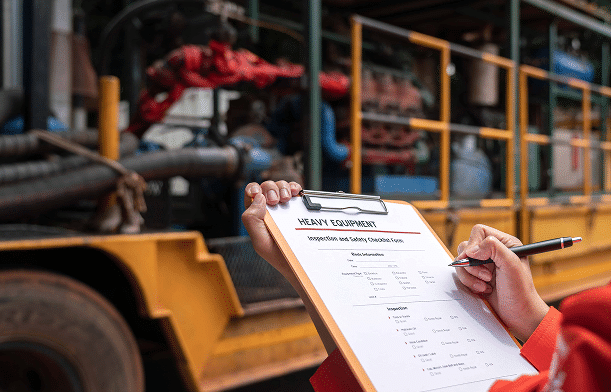
A load is typically considered oversize when it exceeds 8.5 feet in width or 13.5 feet in height under standard federal reference limits (thresholds and permits vary by state). Once those thresholds are crossed, overweight load requirements trigger the need for a permit. Most states also require the shipment to be a nondivisible load before they will issue an oversize permit.
Each state issues its own oversize load permits for moves within its borders, and some routes also require a municipal permit for city or county roads. Shippers can choose a trip permit for a one-off single move or an annual permit for repeated configurations run on the same equipment. Because rules differ by jurisdiction, a single cross-country haul often means holding several state permits at once.
Loads that exceed certain dimensional thresholds require a pilot car escort, oversize warning flags fixed at the load’s extremities, and amber lights for nighttime travel (requirements vary by state; confirm with the relevant state Department of Transportation, DOT). LAC™’s carrier network manages permits and escorts as part of full heavy haul project coordination, so the right escorts and markings are arranged before your load departs.
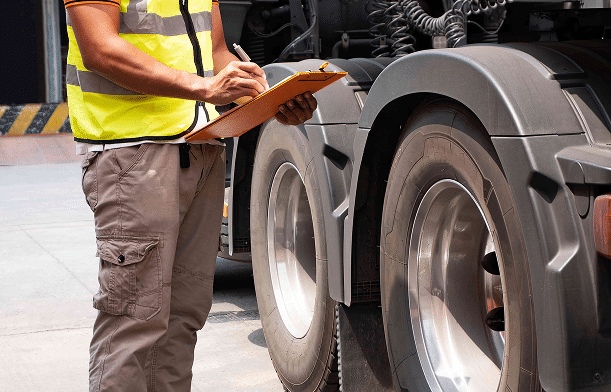
Route planning shapes whether heavy equipment hauling permits stay valid from origin to destination. Every route must account for bridge clearance and overhead structures a tall load cannot pass under. It must also account for the permitting states the load will cross, since each adds its own requirements. Seasonal restrictions matter too, because certain states limit travel windows or suspend permits during specific periods.
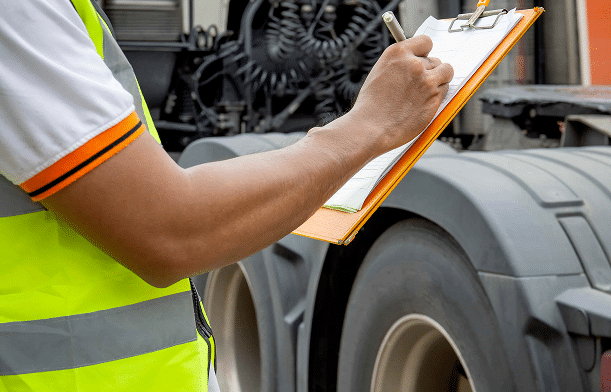
Equipment choice is central to oversize load trucking, as trailers must match the load’s height, length, and weight. A step deck offers a lower deck for taller cargo, while a lowboy carries the heaviest, tallest freight, and a double drop provides an extra-low deck for extra-tall freight. An RGN allows drive-on loading of machinery, a Conestoga uses a rigid, tarp-covered frame to protect the load, and an extendable flatbed supports very long freight. LAC™’s carrier network includes all these trailer types to fit each shipment.
Permit processing times vary widely by state, and delays often trace back to a few common causes:
With 25+ years of experience, LAC™ manages the full lifecycle of heavy equipment hauling permits. We handle route planning, secure the permits each state requires, and coordinate escorts through our carrier network. Coordinated project management keeps each step aligned, from initial application to final delivery. GPS tracking is available through our carrier network upon request.
Learn from the experiences of those who matter most: our customers








 LAC Blog
 Export Guides
 Transport Guides
 Logistics Glossary
 Container Types & Sizes
 Incoterms 2020 Rules