Heavy Haul Trucking & Oversized Load Trucking

Heavy haul trucking moves freight that exceeds standard flatbed limits, requiring specialized equipment and route planning most carriers can’t provide. LAC™ has coordinated over-dimensional and overweight shipments for 25+ years through a network of specialized carrier partners across Mexico, the US, and Canada.

Equipment Used for Heavy Haul

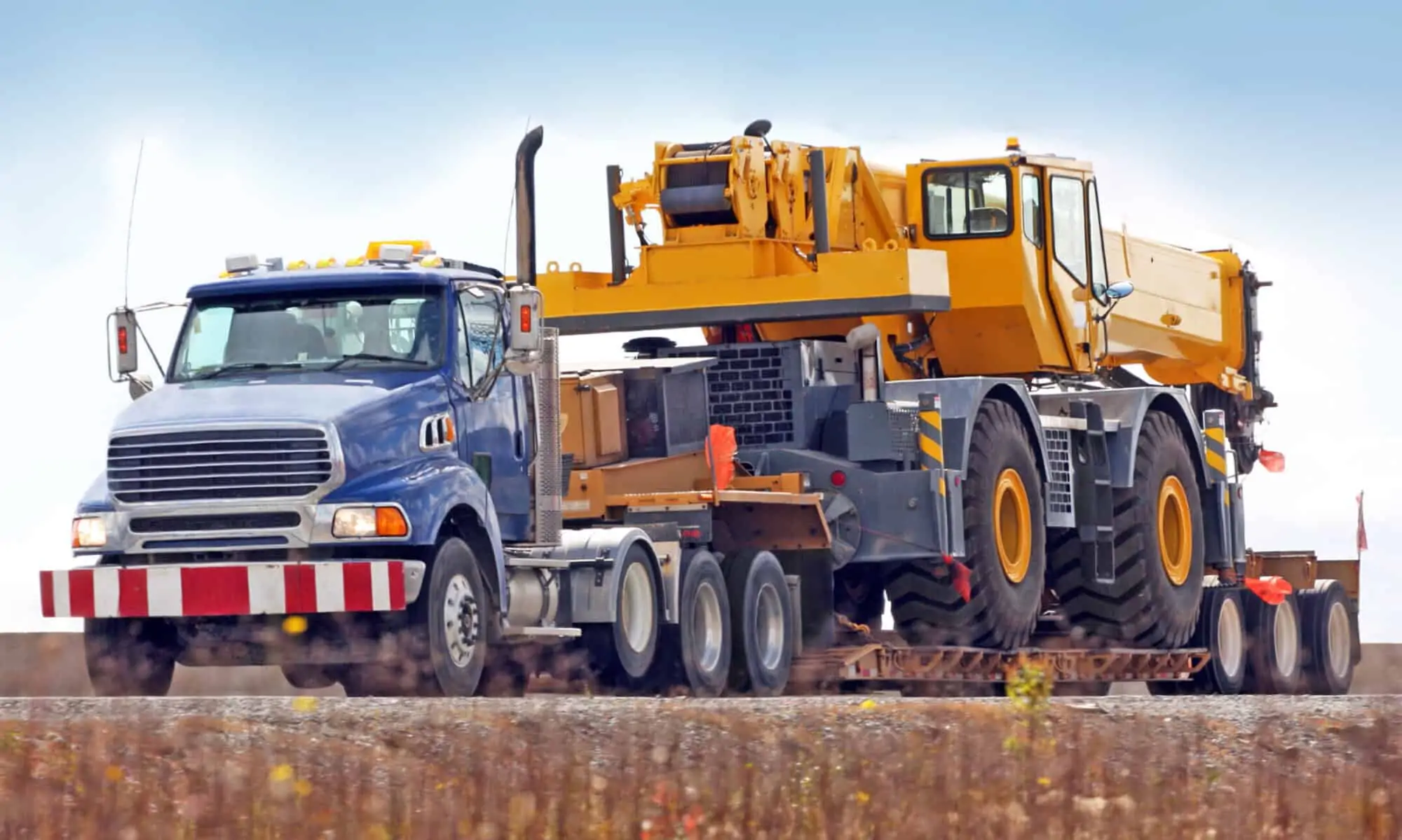
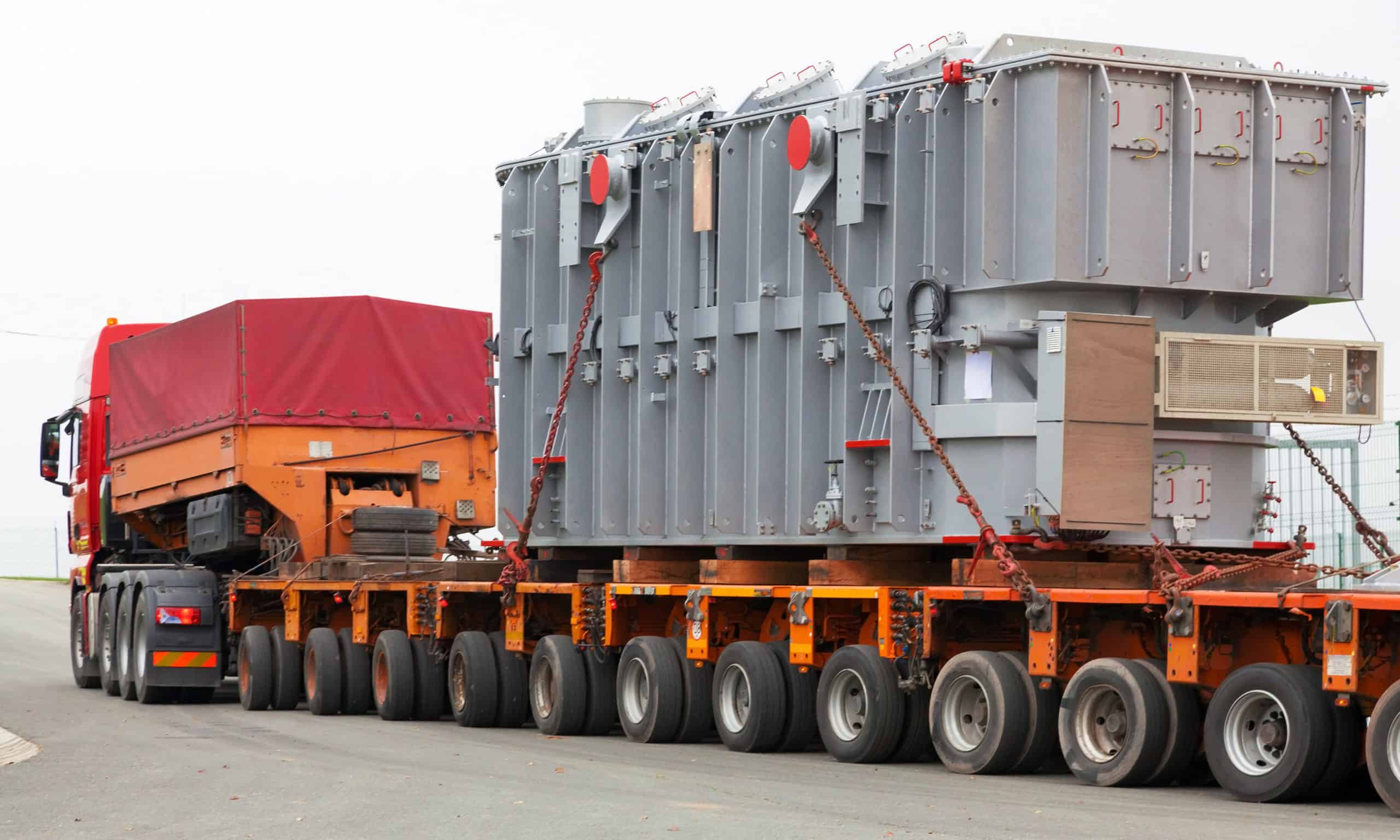
Heavy haul freight typically moves on RGN, lowboy, multi-axle, or double drop trailers, depending on the load’s height, weight, and loading method. Our Flatbed & Heavy Haul services page breaks down each trailer type and when to use it. RGN trailers suit tall, self-propelled equipment that needs ground-level loading, while lowboys and double drops handle heavier loads requiring a lower center of gravity. Matching the load to the right trailer type keeps shipments safe, compliant, and on schedule.

Permits and Escorts Explained

Loads exceeding standard height, width, or weight limits typically require state-specific oversize permits before they can move legally. Wider or taller loads may also need pilot cars or escort vehicles to travel safely, particularly through congested routes or areas with tight bridge clearances. Permit and escort requirements vary by state and by route, so advance route planning is essential to avoid delays. Building this compliance step into scheduling from the start keeps oversized load trucking shipments on track.

Why Shippers Choose LAC

LAC combines a specialized carrier network with a bicultural, bilingual team built around Latin American trade, giving shippers a partner who understands both the equipment and the region. That experience is backed by recognized industry association memberships, including CIFFA, IATA, FIATA, TIA, and WCA. For companies moving freight through our cross-border trucking network across Mexico, the US, and Canada, that combination of carrier access, regional expertise, and route knowledge makes coordination simpler from quote to delivery. 

Common Heavy Haul Delays

Delays in heavy-haul shipments most often stem from permit processing time, state-specific route restrictions, bridge clearances, and weather. Each state sets its own rules for oversized freight, and a route that works in one jurisdiction may require rerouting in the next. Planning permits and routing before dispatch is one of the biggest factors in staying on schedule, since last-minute permit requests or restricted routes can add days to a shipment that would otherwise move smoothly.

Heavy Haul vs Standard Flatbed

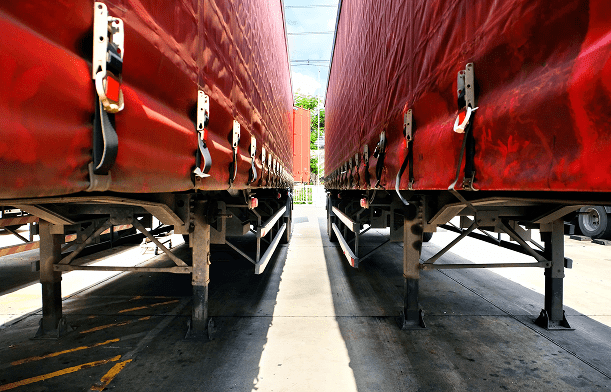
Freight within standard legal height, width, and weight limits can move on a standard flatbed without additional permitting. Once a load exceeds those thresholds, it requires specialized heavy-haul equipment, such as an RGN or lowboy trailer, along with permits and often escort vehicles to move compliantly. Knowing which category your shipment falls into before booking helps determine the right trailer, timeline, and paperwork, so there are no surprises once the load is ready to move.

FAQs

Heavy-haul freight can move across the Mexico-US border, though oversized loads typically require documentation and permits on both sides, in addition to standard cross-border paperwork. Coordinating heavy haul trucking across an international border adds another layer of planning, since permit requirements, equipment standards, and inspection points differ by country. Working with a carrier network experienced in Mexico, the US, and Canada helps keep documentation aligned and reduces the risk of border delays.

Pilot car requirements depend on load width and height, and they vary by state. Loads over roughly 12 feet wide commonly need at least one escort vehicle, and wider or taller loads sometimes require both front and rear escorts. Some states also set additional rules for travel through urban areas, tunnels, or near bridges with limited clearance. Confirming escort requirements early in the planning process helps oversized load trucking shipments move without last-minute compliance issues or delays.

Heavy-haul shipments are typically weighed at certified weigh stations before and sometimes during transit to confirm compliance with permit weight limits and axle-load distribution requirements. Accurate weight verification matters because permits are issued based on specific weight and axle configurations, and any deviation can trigger fines, rerouting, or delays at inspection points along the way. Confirming weight and axle distribution before dispatch helps heavy haul trucking shipments clear weigh stations without interruption or added cost.

Standard flatbed freight can often move within days, but oversized loads needing permits, escorts, or route coordination should be booked further in advance to avoid last-minute delays. Permit processing time varies by state, and some routes require additional lead time for escort scheduling, bridge clearance approval, or curfew restrictions. Booking early gives your carrier time to secure the right equipment and confirm all compliance steps before your heavy-haul trucking shipment is ready to move.

Many jurisdictions restrict oversized load travel at night or on holidays for safety reasons, particularly on routes with limited visibility, heavy traffic, or narrow lanes. Route and schedule planning accounts for these restrictions well ahead of dispatch, since a shipment that qualifies for daytime travel in one state may face nighttime restrictions in the very next state. Coordinating oversized load trucking around these varying rules keeps shipments compliant and avoids unexpected holds or rescheduling along the route.