

 Request a Quote
Start shipping now
Request a Quote 
Start shipping now
Request a Quote

Heavy haul trucking moves freight that exceeds standard flatbed limits, requiring specialized equipment, permits, and advance route planning. LAC™ has coordinated over-dimensional and overweight shipments for 25+ years through a network of specialized carrier partners across Mexico, the US, and Canada.
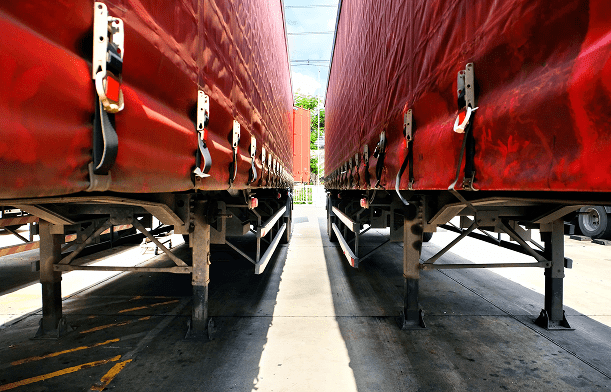
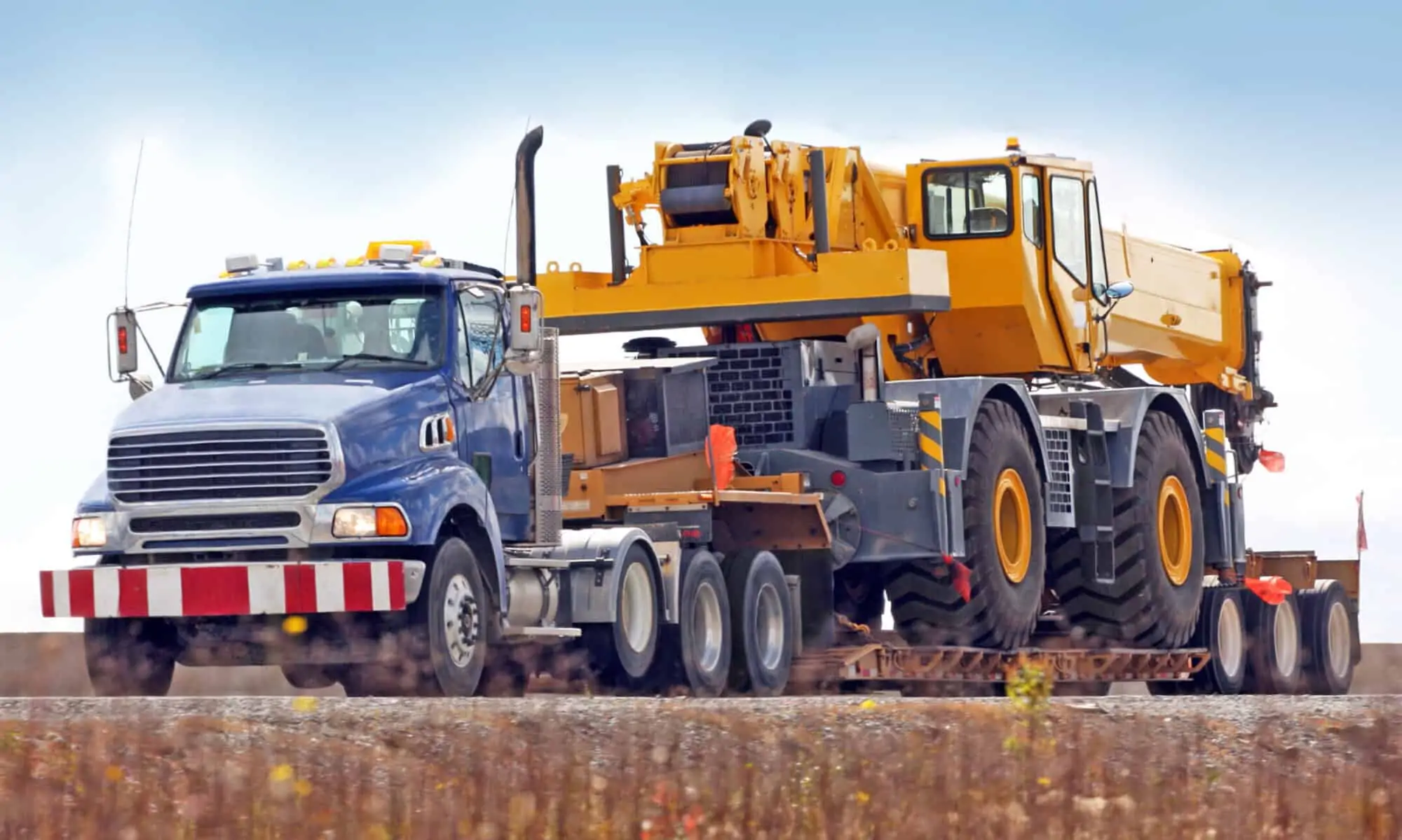
Heavy-haul and oversized-load trucking covers freight that exceeds standard legal limits — generally wider than 8.5 feet, taller than 13.5 feet, or heavier than 80,000 pounds gross. These federal reference points vary somewhat by state and province, and such shipments typically need specialized trailers, advance route planning, and extra permits before moving. Knowing where your freight falls relative to these thresholds is the first step in choosing the right equipment and avoiding delays.
| Equipment | When to use it |
| RGN | Tall, self-propelled equipment that needs ground-level, drive-on loading |
| Lowboy | Tall or heavy freight that can be crane-loaded, providing a lower center of gravity |
| Double drop | Tall freight needing more clearance than a step deck, without drive-on access |
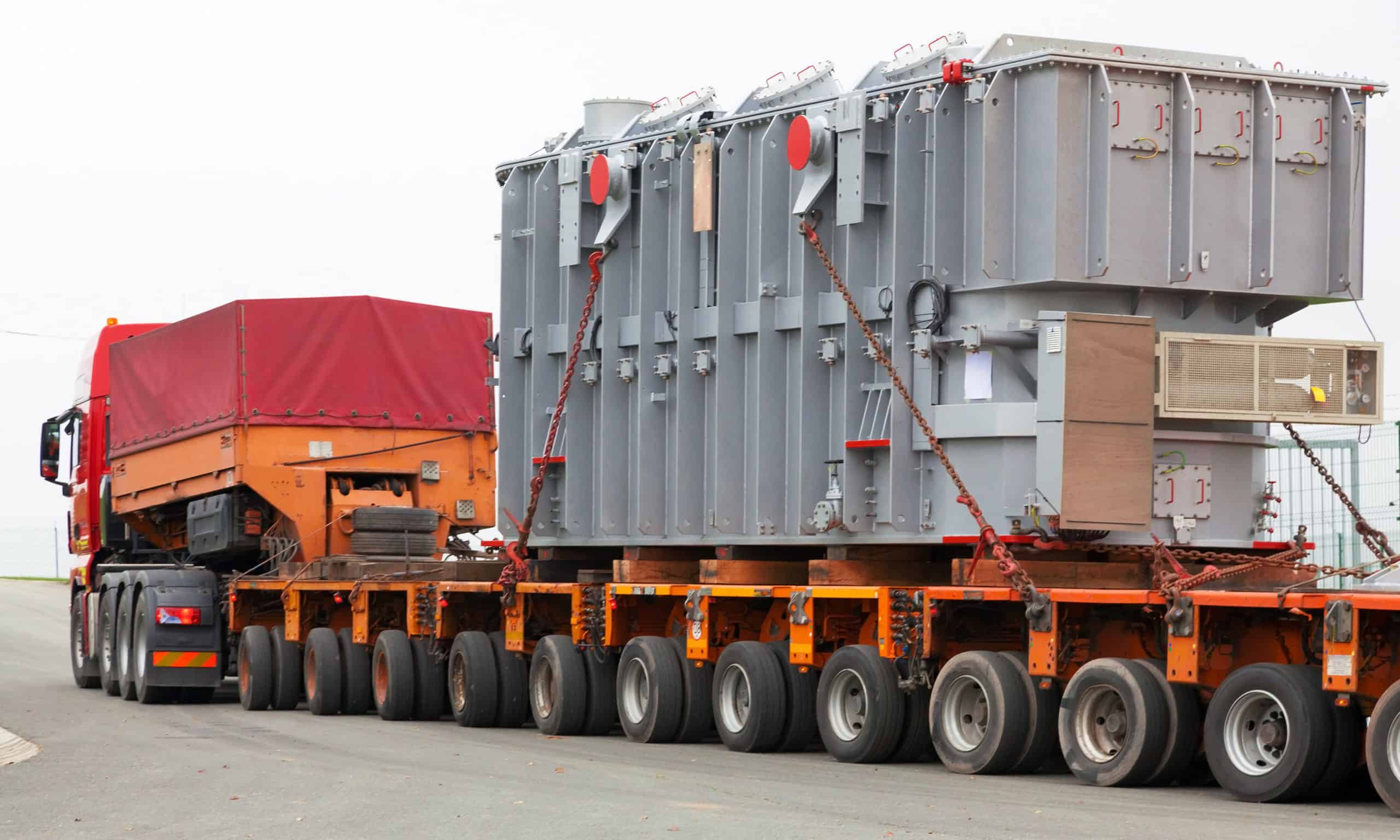
| Multi-axle | Very heavy loads that need weight distributed across additional axles |
Our Flatbed & Heavy Haul services page breaks down each trailer type and when to use it. Matching the load to the right trailer type keeps shipments safe, compliant, and on schedule.
LAC’s carrier network sources the RGN, lowboy, or multi-axle equipment your heavy haul trucking shipment needs, backed by 25+ years of carrier relationships across Mexico, the US, and Canada. Through its Flatbed & Heavy Haul service, LAC arranges the right trailer for over-dimensional and overweight freight, including deliveries beyond major freight corridors. That combination of equipment access and route experience keeps complex loads moving safely from origin to final destination.

Loads exceeding standard height, width, or weight limits typically require state-specific oversize permits before they can move legally. Wider or taller loads may also need pilot cars or escort vehicles to travel safely, particularly through congested routes or areas with tight bridge clearances. Permit and escort requirements vary by state and by route, so advance route planning is essential to avoid delays. Building this compliance step into scheduling from the start keeps oversized load trucking shipments on track.

LAC pairs a specialized carrier network with a bicultural, bilingual team built around Latin American trade — a partner who understands both the equipment and the region. Its carrier network holds memberships and certifications with groups like the ATA, CTA, and CANACAR, and follows CVSA inspection standards across Mexico, the US, and Canada, with CTPAT-certified carriers benefiting from faster border processing. That combination of carrier access, regional expertise, and route knowledge makes cross-border coordination simpler from quote to delivery.
Delays in heavy-haul shipments most often stem from permit processing time, state-specific route restrictions, bridge clearances, and weather. Each state sets its own rules for oversized freight, and a route that works in one jurisdiction may require rerouting in the next. Planning permits and routing before dispatch is one of the biggest factors in staying on schedule, since last-minute permit requests or restricted routes can add days to a shipment that would otherwise move smoothly.
Freight within standard legal height, width, and weight limits can move on a standard flatbed without additional permitting. Once a load exceeds those thresholds, it requires specialized heavy-haul equipment, such as an RGN or lowboy trailer, along with permits and often escort vehicles to move compliantly. Knowing which category your shipment falls into before booking helps determine the right trailer, timeline, and paperwork, to reduce the risk of last-minute changes once the load is ready to move.
Learn from the experiences of those who matter most: our customers










 LAC Blog
 Export Guides
 Transport Guides
 Logistics Glossary
 Container Types & Sizes
 Incoterms 2020 Rules