

 Request a Quote
Start shipping now
Request a Quote 
Start shipping now
Request a Quote

Exporting to Mexico involves specific documentation, registration, and compliance steps that vary by product and shipment. With 25+ years of experience across the Americas, LAC™ helps businesses navigate every Mexico export requirement, so your commercial cargo moves smoothly toward the Mexican market.

Mexico export requirements typically start with four core documents: a commercial invoice, packing list, bill of lading, and a United States-Mexico-Canada Agreement (USMCA) certification of origin when your goods qualify for preferential treatment. No specific form is required for the certification, provided it contains the agreement’s nine minimum data elements. The exact paperwork varies by product category, so confirm the set before shipment. LAC™ coordinates this documentation as part of its cross-border freight forwarding, reducing the risk of missing paperwork at the border.
Every commercial shipment into Mexico needs an importer of record: the party legally responsible for the goods on the Mexican side of the border. This entity must be registered with the Mexican Registry of Importers, known as the Padrón de Importadores. On arrival, a licensed customs broker manages tariff classification and clearance against that registration. Businesses without an existing registration should arrange this well ahead of their first shipment to avoid entry delays.
A freight forwarder coordinates the moving parts of exporting to Mexico: booking carriers, preparing and reviewing documentation, and providing customs guidance so shipments clear customs efficiently. The forwarder works alongside your customs broker and manages carrier coordination across modes. LAC™ brings 25+ years of experience and a bilingual, LATAM-focused team to this process, bridging the language and business-culture gaps that generalist forwarders often miss on cross-border lanes.

Before shipping, confirm whether your product needs a US export license, since certain controlled goods and destinations require federal authorization. Next, check Mexico’s restricted and prohibited items list to verify your product is admissible. Finally, prepare product labeling in Spanish, as Mexican regulations often require Spanish-language markings and details for commercial goods. Completing these checks early prevents last-minute compliance surprises that can hold cargo at the border.
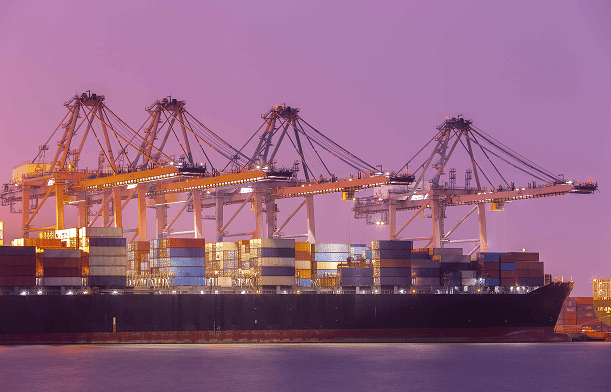
Once your export documentation is ready, choose a ground transportation method that fits your shipment. Full Truckload (FTL) suits larger loads that fill a trailer and benefit from a dedicated, direct move. Less Than Truckload (LTL) suits partial loads that don’t need a full trailer, such as a few pallets, sharing space and cost with other shipments. Your carrier selection affects both timing and how compliance is coordinated at the border, making cross-border trucking a key part of meeting Mexico export requirements on schedule.
Small errors in export documentation for Mexico cause outsized delays:
– Vague product descriptions leave customs officials unable to verify what is being shipped, inviting inspection
– A missing recipient tax ID stalls processing on the Mexican side
– Incorrect Harmonized System classification triggers reassessment and can lead to holds or penalties
Reviewing descriptions, tax identifiers, and classification codes before departure is the simplest way to keep cargo moving through customs.
Exporters shipping to Mexico value proven experience and verifiable credentials. LAC works with a network of carriers holding memberships with trucking organizations such as the American Trucking Associations (ATA) and CANACAR in Mexico, and that follow Commercial Vehicle Safety Alliance (CVSA) inspection standards, including CTPAT-certified carriers for faster, more predictable border processing. Paired with LAC’s 25+ years of freight forwarding experience, this vetted-carrier network helps businesses manage documentation and coordination for companies exporting to Mexico.
Learn from the experiences of those who matter most: our customers









 LAC Blog
 Export Guides
 Transport Guides
 Logistics Glossary
 Container Types & Sizes
 Incoterms 2020 Rules