

 Request a Quote
Start shipping now
Request a Quote 
Start shipping now
Request a Quote
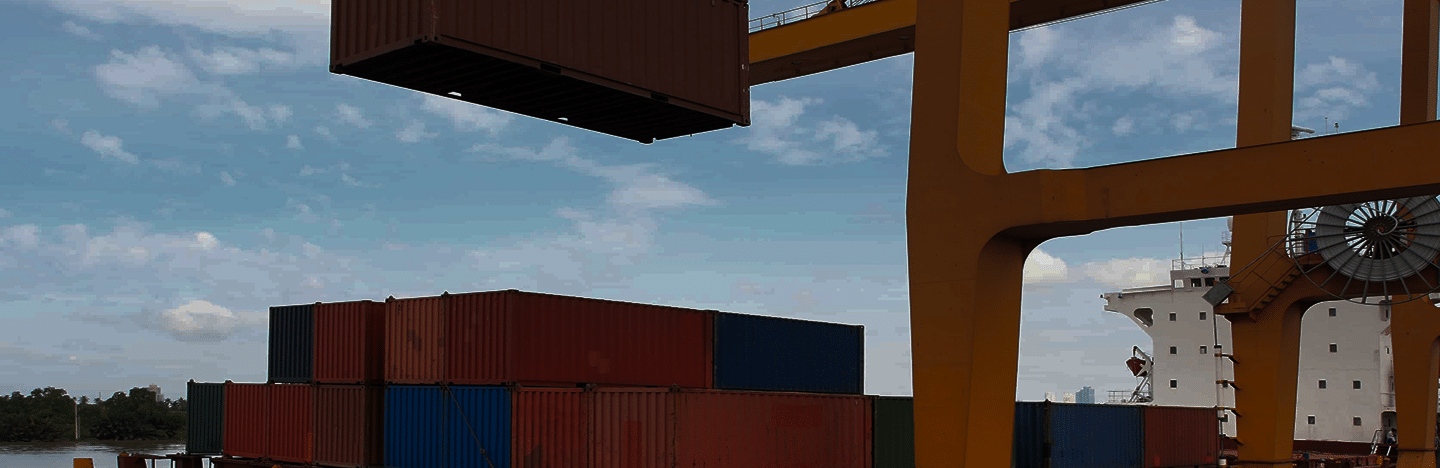
Cross-border logistics in Mexico is shifting as more manufacturing relocates closer to the US market. LAC™ supports that shift with cross-border trucking, customs documentation guidance, and LATAM-focused expertise built over 25+ years.
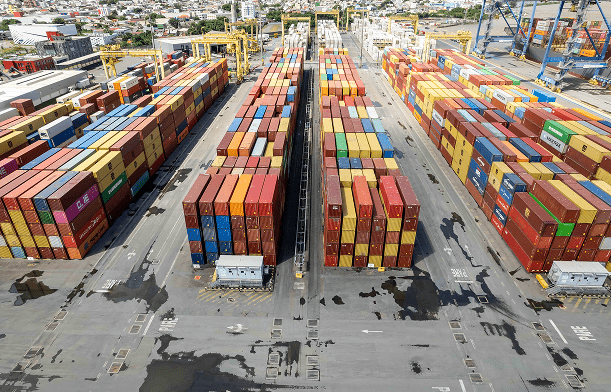
Why Nearshoring Logistics IBusinesses are relocating manufacturing and sourcing closer to the US to shorten supply chains and reduce exposure to overseas disruptions, longer transit times, and unpredictable freight costs. That shift is increasing demand for reliable Mexico-US cross-border transportation, particularly ground trucking capacity along established border crossings. As nearshoring logistics activity grows, shippers need partners who already understand the documentation, carrier relationships, and border realities involved in moving freight between the two countries on a regular, predictable schedule.
As production moves closer to the US, freight volumes crossing the Mexico-US border increase, and that growth puts pressure on trucking capacity during peak periods and seasonal spikes. Consistent communication and planning become more important as volume rises: more shipments mean more carrier handoffs and border crossings to coordinate each week. Shippers managing nearshoring to Mexico need border-crossing reliability from a partner who can scale alongside their growing freight needs without adding friction.
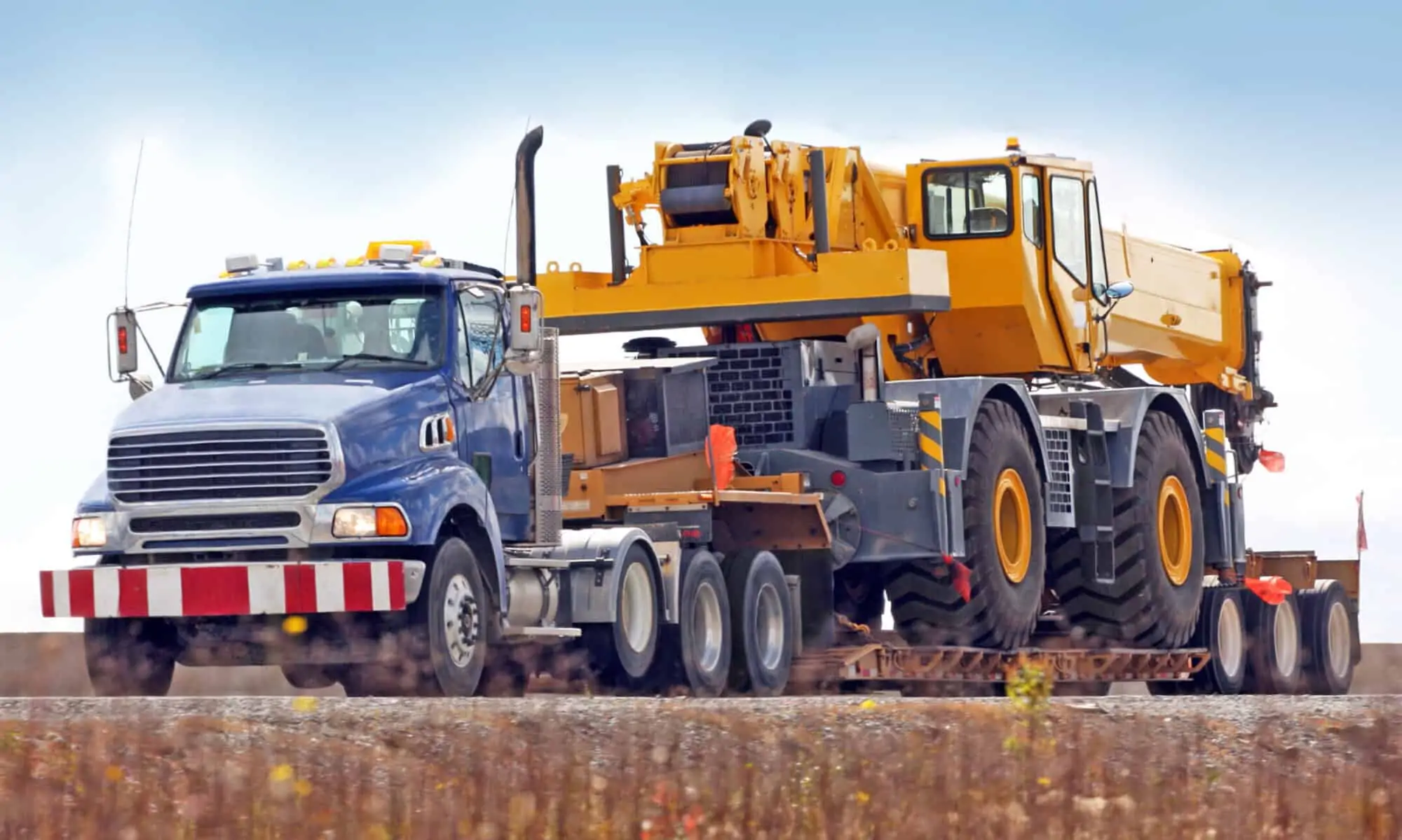
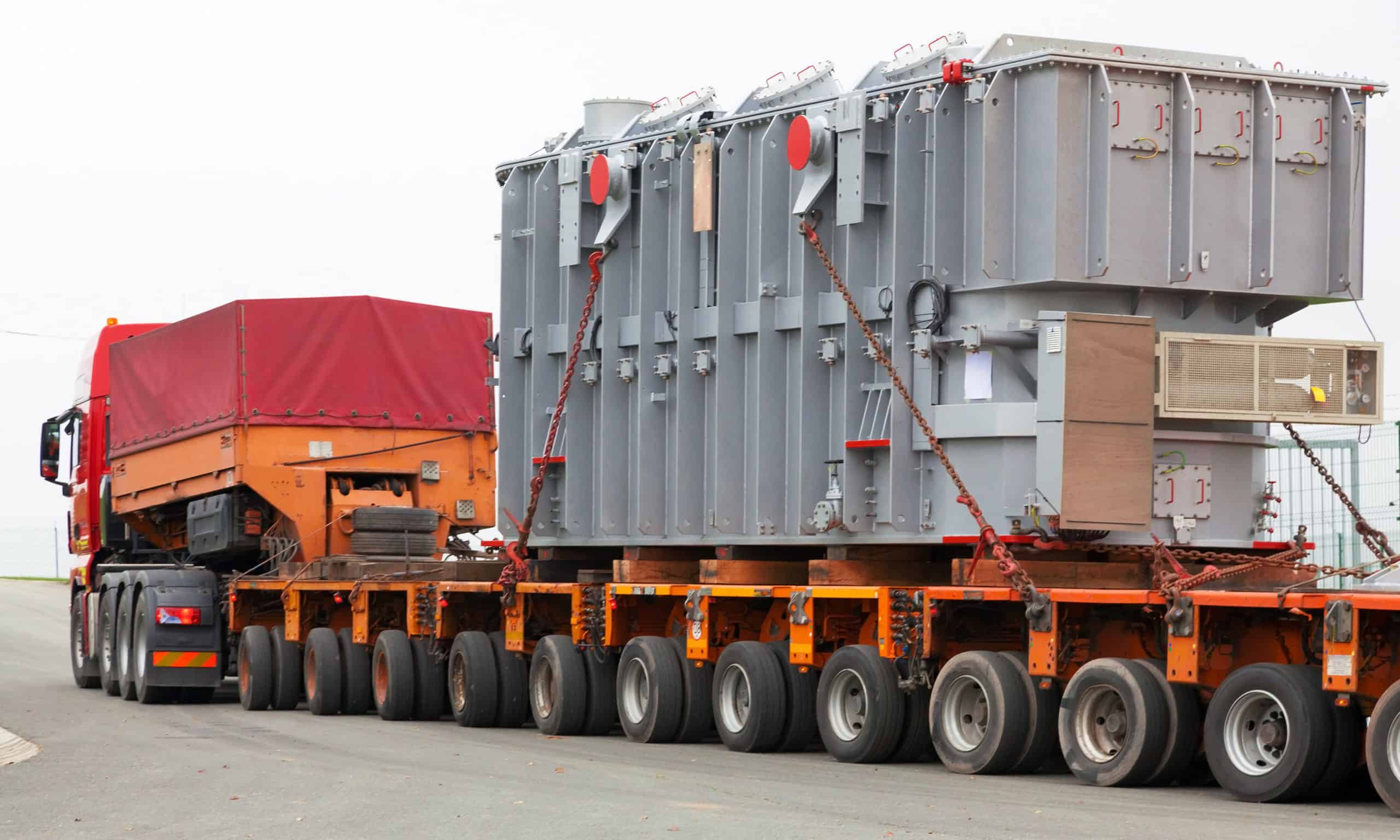
LAC supports businesses navigating this shift with full truckload (FTL), less-than-truckload (LTL), and Flatbed & Heavy Haul trucking options, backed by a network of vetted carrier partners across Mexico, the United States, and Canada. With 25+ years of experience, LAC coordinates each shipment from pickup to delivery, keeping clients informed at every handoff and helping them prepare required documentation, so businesses relocating production can scale freight volume without scaling risk or losing visibility into each shipment’s status.
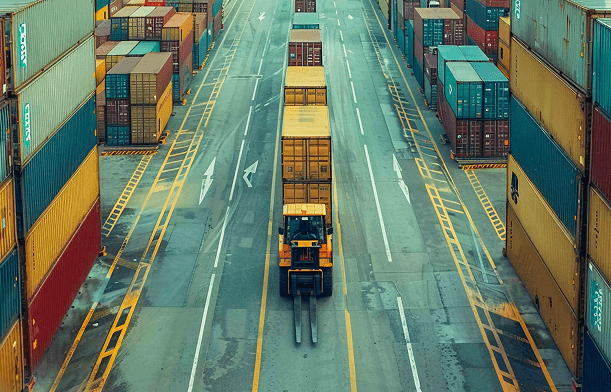
Typical cross-border documentation for Mexico shipments includes:
A T&E bond is a U.S. Customs and Border Protection authorization that lets goods move in-bond from a U.S. port of arrival to another U.S. point for export, such as to Mexico, without formal U.S. entry or payment of U.S. duties.
As nearshoring volume grows, the same documentation gaps that were manageable at lower shipment counts start compounding across a weekly crossing schedule. LAC™ reviews paperwork with clients ahead of each departure, so shipment counts can rise without paperwork becoming the bottleneck.
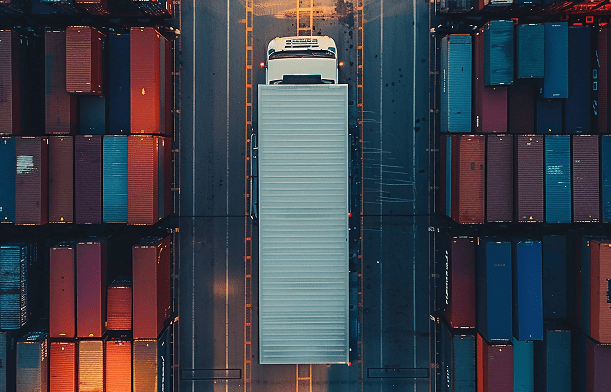
Cross-border freight into or out of Mexico can move by ground, ocean, or air, and matching the mode to timeline, cargo type, and volume affects cost and speed as production scales. Ground suits Mexico–US freight needing door-to-door delivery and flexible scheduling, though it’s subject to border-crossing timing. Ocean fits larger volumes on a planned schedule but needs more lead time. Air suits time-sensitive or high-value shipments at a higher cost.
A partner who coordinates all three modes removes the need to manage separate vendors as freight needs grow.
Border crossings involve customs clearance checks, documentation review, and carrier hand-offs between trucking partners on each side of the border, each of which can introduce delay if not managed carefully. Freight typically crosses in one of two ways: transloaded at the border, where one carrier hands off to a different carrier and trailer on the other side, or moved direct, where one carrier and its cross-border counterpart run the full route with the same trailer. Beyond paperwork, delays often come from bridge-crossing and drayage availability and from lining up the right driver and equipment at each leg (origin pickup, long-haul to the border, the crossing itself, and long-haul to destination). Working with a vetted carrier network that already operates along the Mexico–US corridor reduces these risks.
Businesses relocating or expanding manufacturing operations in Mexico benefit from planning freight capacity and documentation processes early, rather than reacting once volumes increase and delays compound across the network. Early carrier relationships help secure more consistent capacity as nearshoring logistics demand continues to grow along the Mexico-US corridor. Businesses that plan ahead avoid the capacity crunches that catch reactive shippers off guard during peak season and holiday surges, when trucks are hardest to secure.
Learn from the experiences of those who matter most: our customers








 LAC Blog
 Export Guides
 Transport Guides
 Logistics Glossary
 Container Types & Sizes
 Incoterms 2020 Rules