A practical guide to the 20 ft Standard (Dry) container, including dimensions, weight capacity, pallet fit, typical uses, and handling recommendations for general dry cargo.
The 20 ft Standard (Dry) container is one of the most widely used ocean freight containers for general dry cargo. Its compact footprint makes it a practical option for shippers moving boxed, crated, or palletized goods especially when cargo is dense or heavy, and cost efficiency matters. As a fully enclosed unit, it helps protect freight from weather and external contamination during transit.
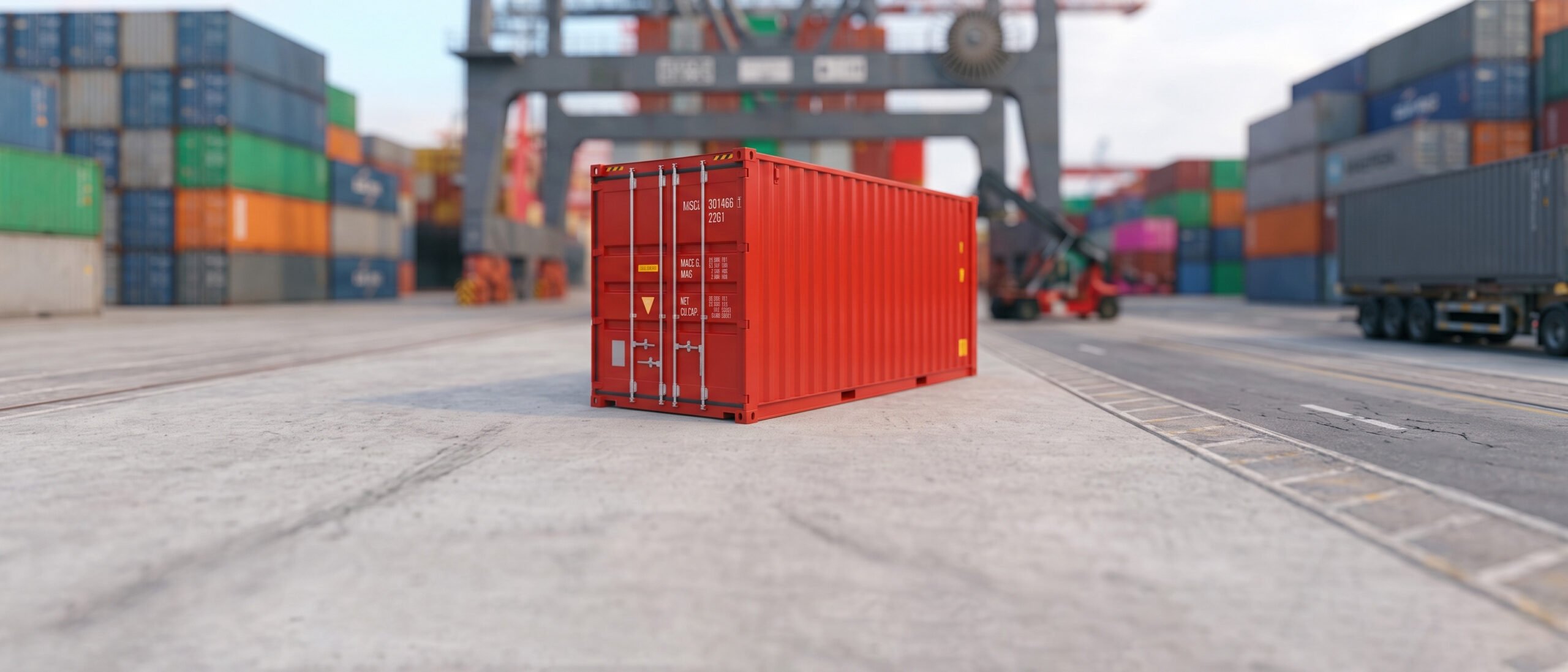
The 20 ft Standard is a common dry cargo container used for ocean transportation.
It is fully enclosed and hermetically sealed; it does not include active cooling or ventilation (unlike reefers or ventilated containers).
It is often ideal for dense/heavy cargo where weight matters more than volume.
Pallet fit: up to 10 standard pallets or 11-euro pallets (depending on loading pattern).
It’s widely available and commonly used for warehouse-to-port and port-to-warehouse moves.
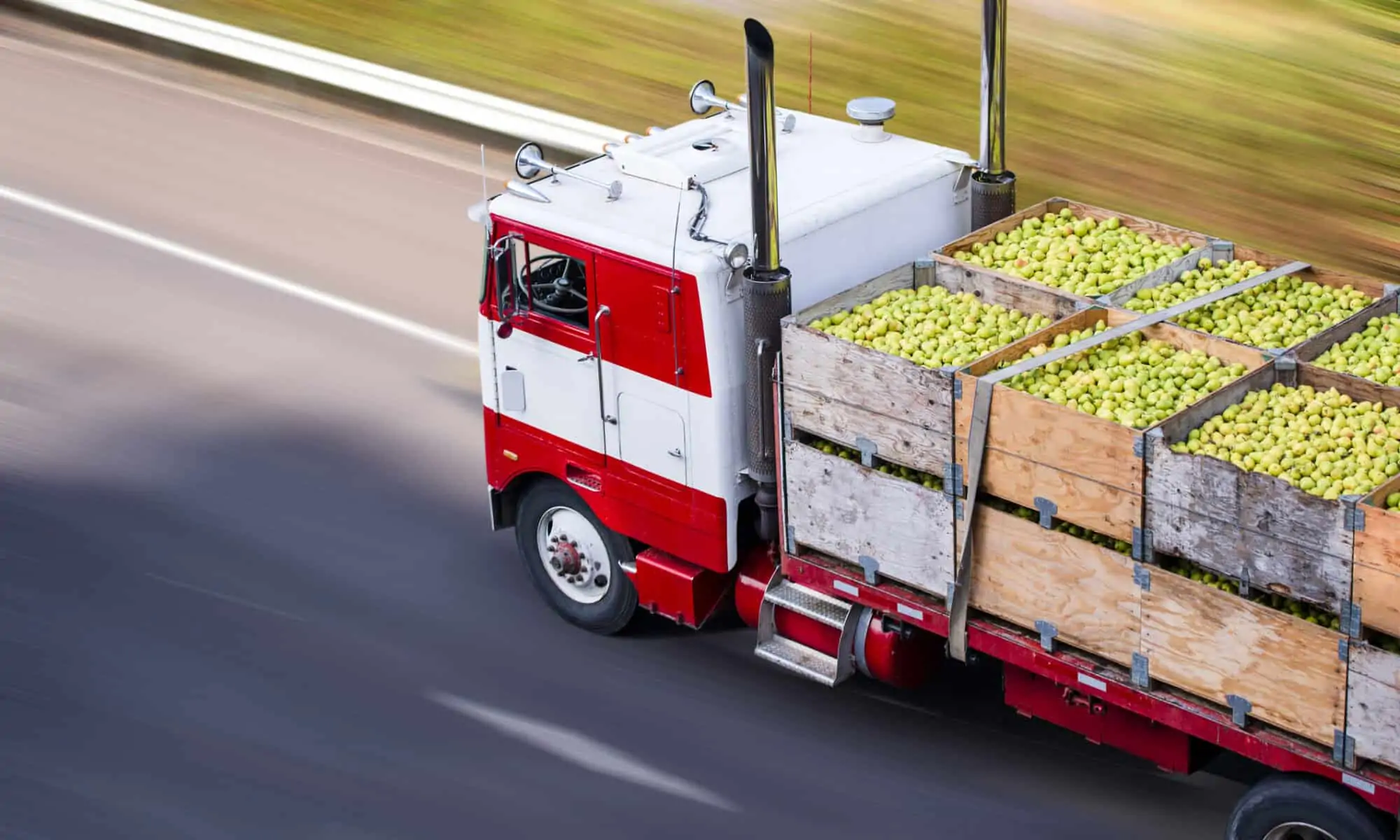
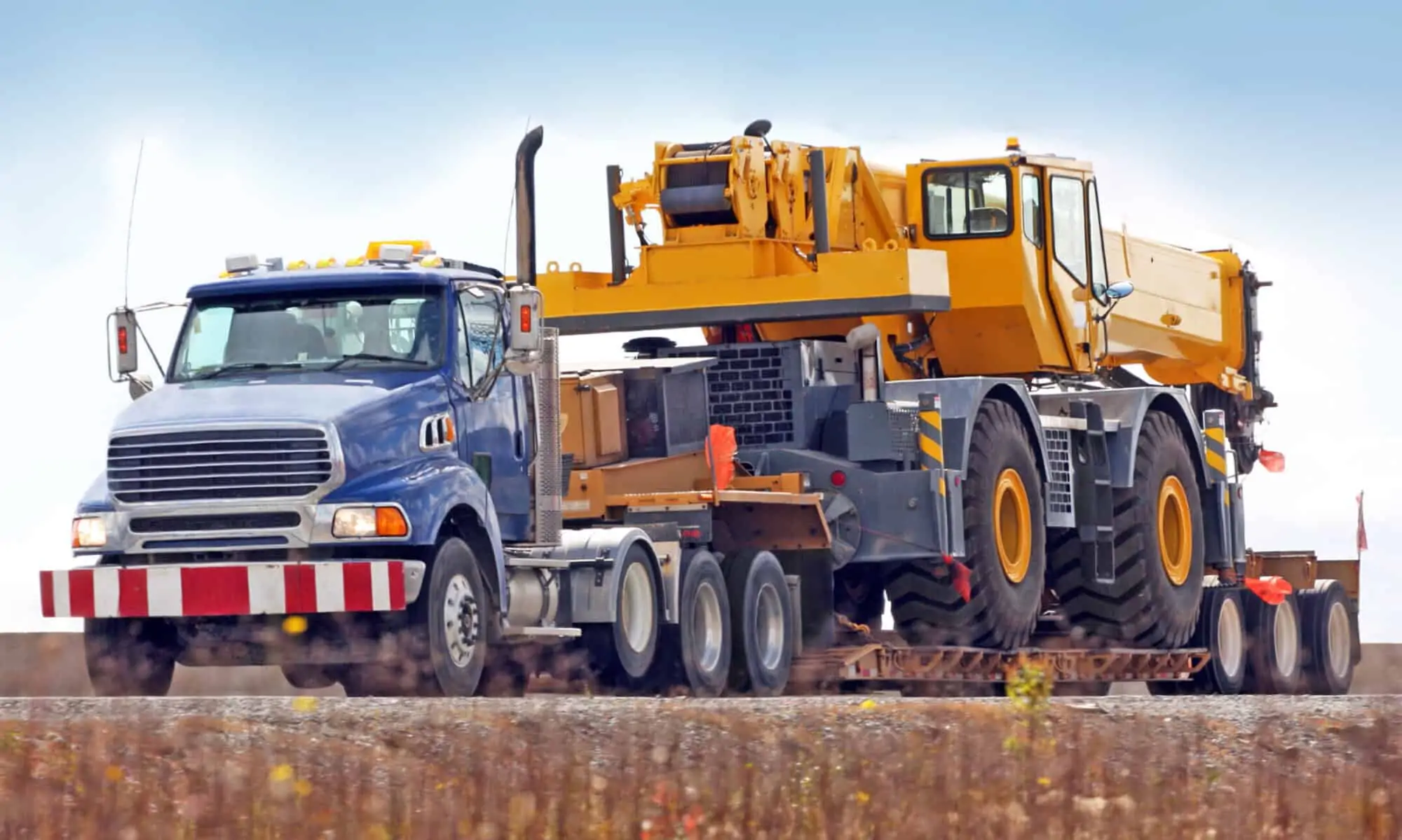
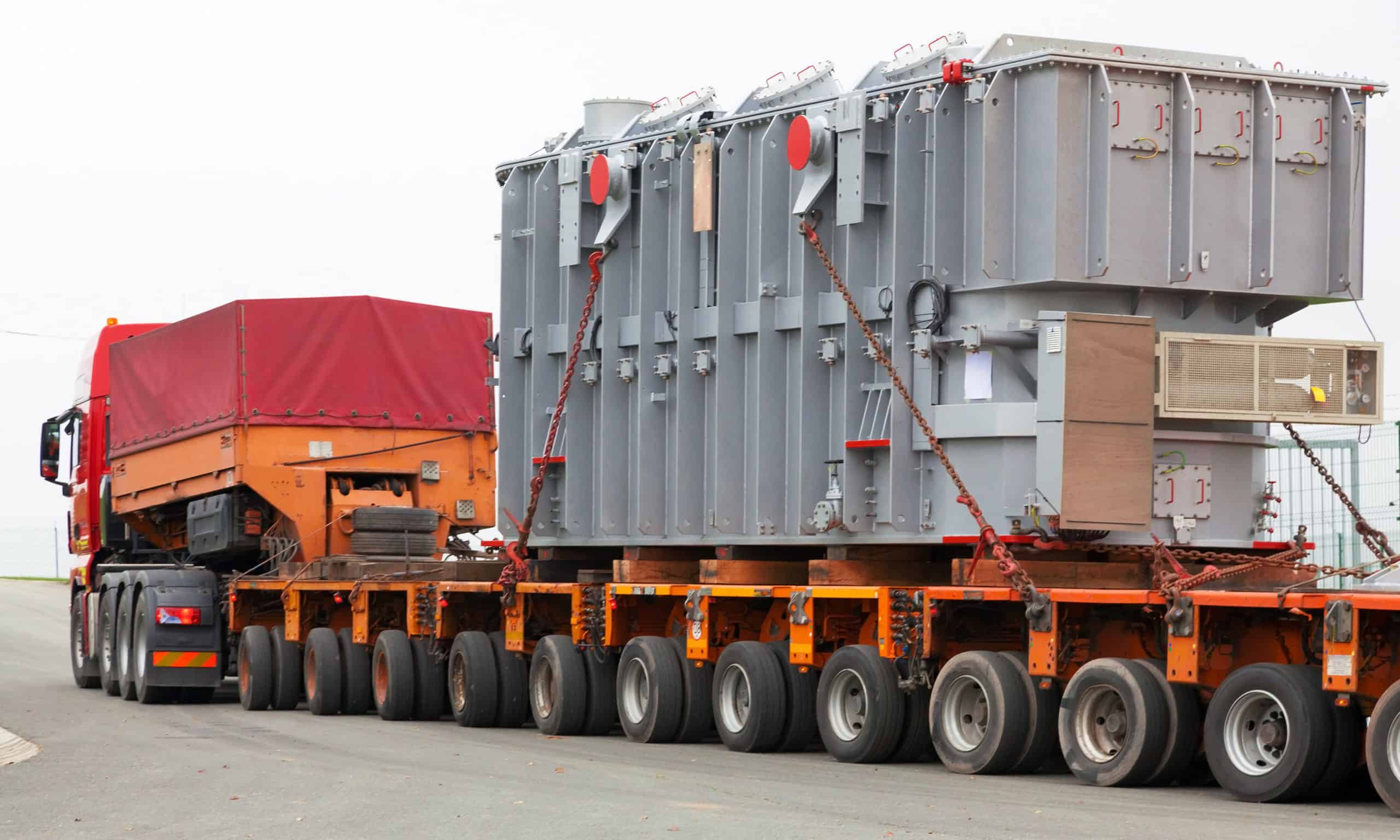
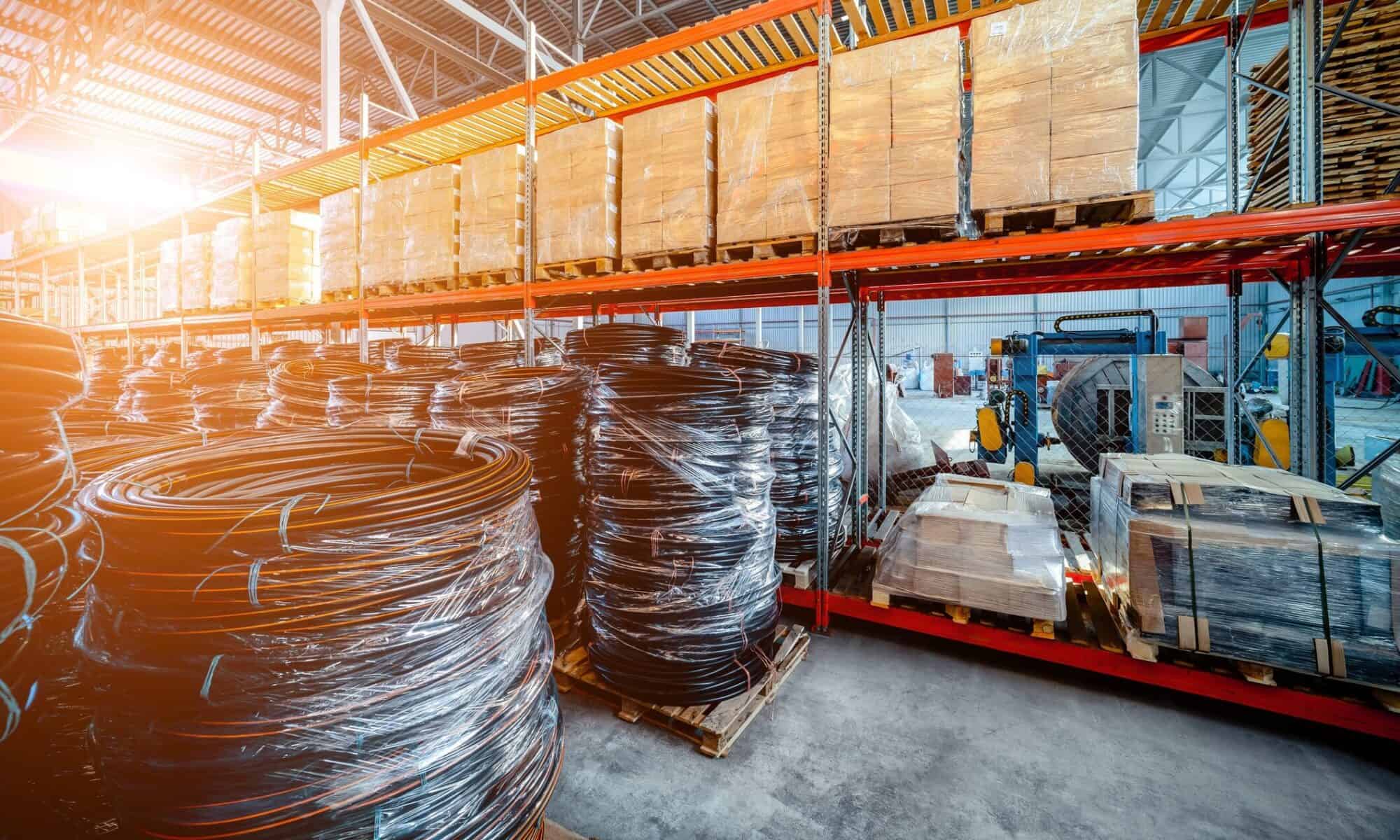
20 ft Standard Container Image Gallery
Best for / Not ideal for
Best for
Not ideal for
General packed dry cargo
Temperature-controlled cargo
Heavy or compact shipments
Specialized ventilation needs
Consumer and manufacturing goods
Highly volumetric shipments
Industries & typical commodities
Metals and steel products: coils, bars, ingots, sheets, hardware.
Stone and construction materials: granite, marble, tiles, ceramics.
Cement, minerals, and other bagged heavy products.
Beverages and liquids: bottled products, drums, flexitanks.
Machinery and industrial equipment.
Auto parts and batteries.
Paper products, particularly dense shipments.
Scrap metal.
Certain agricultural products packed in heavy bags.
Sizes & dimensions – 20ft Container
Dimension
Metric
Imperial
Intenal Length
5.89 m
19.32 ft
Internal Width
2.35 m
7.70 ft
Interal Height
2.39 m
7.84 ft
Door Opening Width
2.34 m
7.67 ft
Door Opening Height
2.28 m
7.48 ft
Capacity & weights – 20ft Container
Spec
Metric
Imperial
Cubic Capacity
33.08 m³
1,168.26 ft³
Tare Weight
2,250 kg
4,960.40 lbs
Payload Capacity
28,230 kg
62,236.49 lbs
Max Cargo Weight
30,480 kg
67,196.89 lbs
How many pallets fit in a 20ft Container?
Pallet capacity for a 20 feet Standard Container varies by loading pattern and pallet type. Use the estimates below as a quick reference:
US standard pallets: up to 10
Euro pallets: up to 11
Note: the actual number depends on the loading pattern, cargo height, and weight/overhang constraints.
Handling recommendations
Keep weight evenly distributed (avoid concentrating weight toward the doors or on one side).
“Heavy on bottom”: Place heavier cargo at the bottom and keep the center of gravity low.
Secure cargo with dunnage / straps / blocking & bracing to prevent shifting in transit.
Treat the door opening as the real constraint: some items may fit inside but still not pass through the door if they are too wide or tall.
If you plan to floor-load (no pallets), map your loading order and access lanes to avoid reworking cargo during unloading.
Reduce large voids using dunnage to minimize vibration and movement.
FAQs about 20 ft Standard Containers
What is a 20 ft Standard (Dry) container used for?
A 20 ft Standard (Dry) container is used for general dry cargo such as cartons, palletized goods, crates, and packaged products that do not require temperature control. It is widely used across manufacturing, retail/CPG, and non-specialized industrial shipments. It’s especially practical for dense or heavy cargo where weight efficiency matters more than maximizing cubic volume.
How many pallets fit in a 20 ft Standard container?
In general, a 20 ft Standard container can hold up to 10 US standard pallets or 11 Euro pallets, depending on the loading pattern and pallet dimensions. The real number can be lower if cargo requires clearance, if pallets are non-standard, or if you need access lanes for unloading. Always validate internal dimensions and the final loaded pallet height.
Is a 20 ft Standard container waterproof and sealed?
Yes. A 20 ft Standard (Dry) container is fully enclosed and sealed, designed to protect cargo from weather exposure during ocean transit. That said, freight should still be properly packed and wrapped (cartons, stretch wrap, liners if needed) to reduce risk from humidity or condensation. For moisture-sensitive goods, consider desiccants, liners, and best-practice loading procedures.
When should I choose a 20 ft container vs a 40 ft container?
Choose a 20 ft container when your shipment is heavy or compact and you don’t need the extra volume of a 40 ft unit. A 40 ft container is often better for volumetric cargo where cost per cubic foot matters most. The best choice depends on total weight, cubic volume, pallet count, and route or terminal constraints. Compare both options before booking.
What cargo is not suitable for a 20 ft Standard (Dry) container?
A 20 ft Standard (Dry) container is not suitable for cargo that requires temperature control (use a reefer), or cargo needing specialized ventilation or strict environmental management. It may also be inefficient for very volumetric shipments that “cube out” before reaching an optimal weight. For oversized or top-loaded cargo, consider an open top or flat rack instead.
Don't Just Take Our Word for It
Learn from the experiences of those who matter most: our customers
This website uses cookies to improve your experience. We'll assume you're ok with this, but you can opt-out if you wish. Read our cookies policyACCEPT
Cookies Policy
Privacy Overview
This website uses cookies to improve your experience while you navigate through the website. Out of these cookies, the cookies that are categorized as necessary are stored on your browser as they are essential for the working of basic functionalities of the website. We also use third-party cookies that help us analyze and understand how you use this website. These cookies will be stored in your browser only with your consent. You also have the option to opt-out of these cookies. But opting out of some of these cookies may have an effect on your browsing experience.
Necessary cookies are absolutely essential for the website to function properly. This category only includes cookies that ensures basic functionalities and security features of the website. These cookies do not store any personal information.
Any cookies that may not be particularly necessary for the website to function and is used specifically to collect user personal data via analytics, ads, other embedded contents are termed as non-necessary cookies. It is mandatory to procure user consent prior to running these cookies on your website.


 Request a Quote










 LAC Blog
 Export Guides
 Transport Guides
 Logistics Glossary
 Container Types & Sizes
 Incoterms 2020 Rules