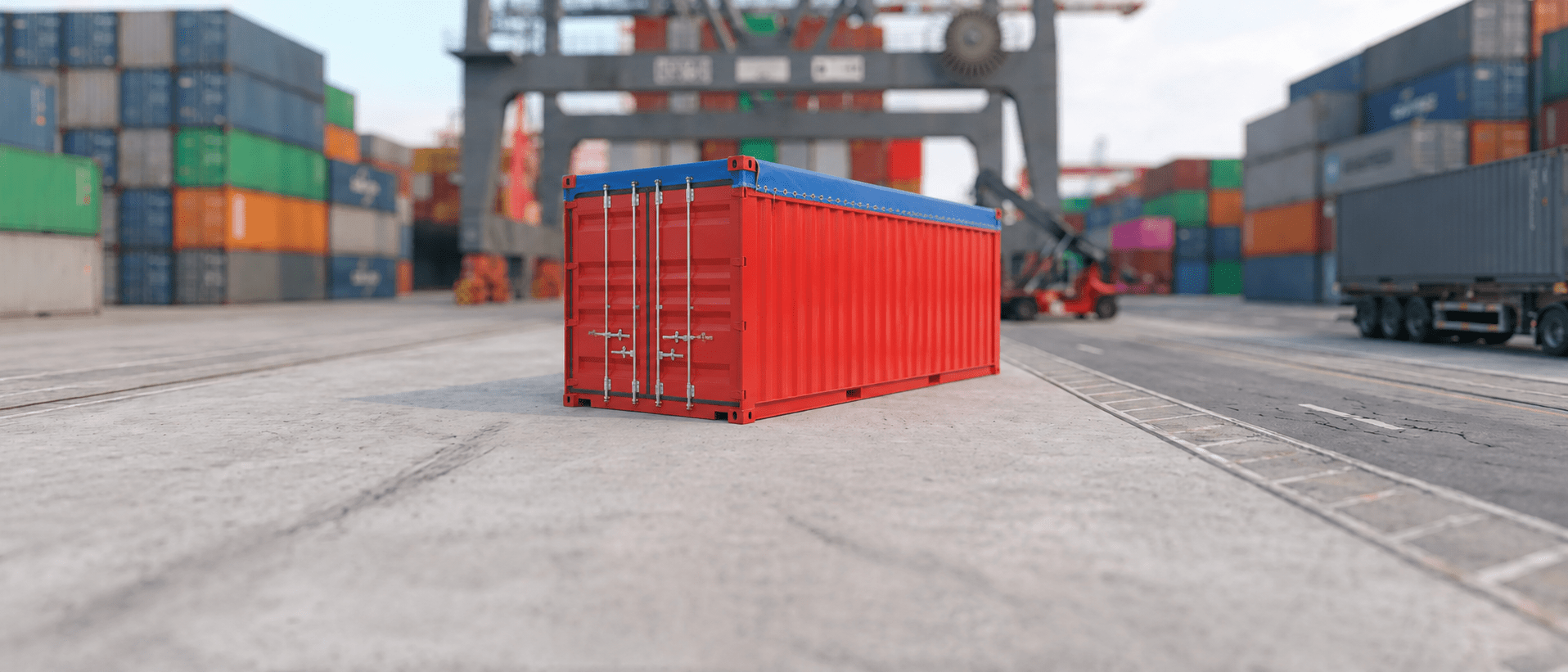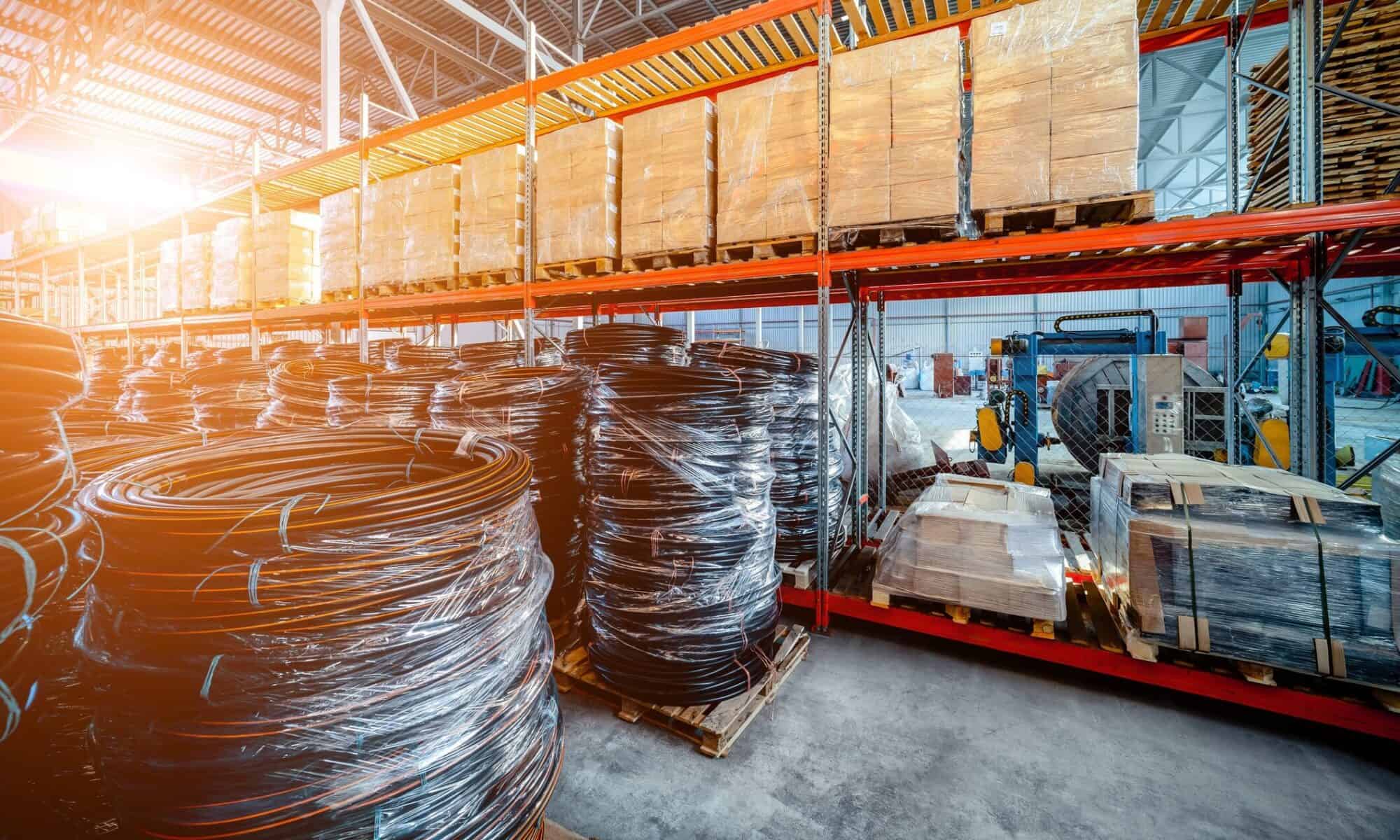
The 20 ft Open Top container is designed for cargo that is difficult to load through standard container doors, allowing loading and unloading from above using cranes or other lifting equipment. It uses a removable tarpaulin roof system (and typically removable bows) to accommodate over-height or bulky items while maintaining a 20 ft footprint. As with all special equipment, specifications vary slightly by manufacturer and fleet.
Allows top loading for cargo that can’t be handled easily through the doors
Suitable for bulky / over-height pieces (within safe limits)
Typically includes removable bows + tarpaulin cover
Specs may vary by manufacturer / container fleet
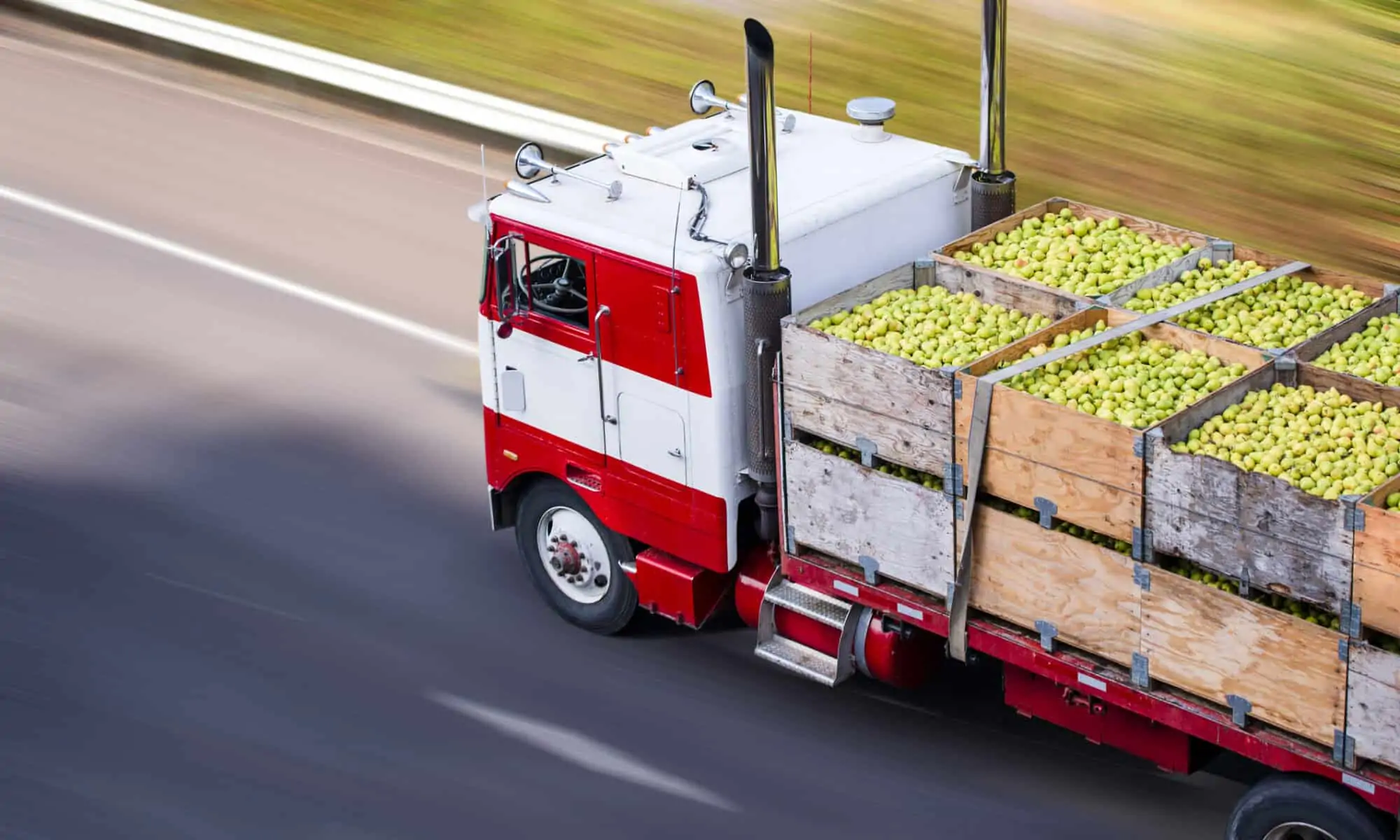
20 ft Open Top Container Image Gallery
Best for / Not ideal for
Best for
Not ideal for
Machinery, industrial components, and crated cargo that benefits from top loading
Cargo needing active temperature control (reefer equipment)
Cargo with awkward shapes or limited maneuvering clearance through the door
Cargo highly sensitive to weather exposure without appropriate protection during stuffing/stripping (tarpaulin is not the same as a hard roof)
Loads that require crane handling at origin/destination
Operations where crane access isn’t available (top loading advantage is reduced)
Industries & typical commodities
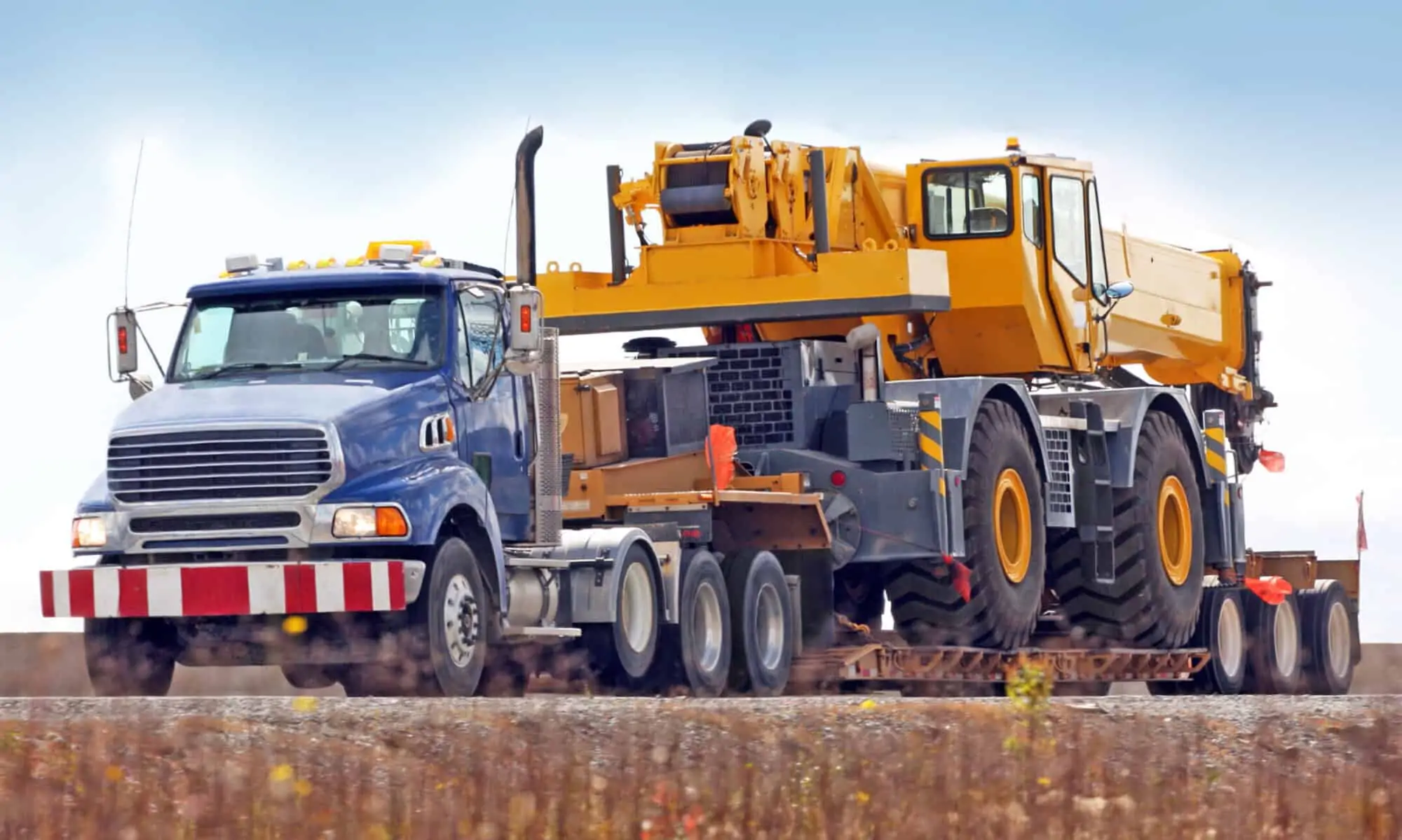
Heavy machinery: industrial machinery, generators, equipment, and large components requiring crane loading.
Construction / Project cargo: pipes, structural steel, fabricated sections, and bulky project materials.
Manufacturing: large or crated components that are difficult to load through standard container doors.
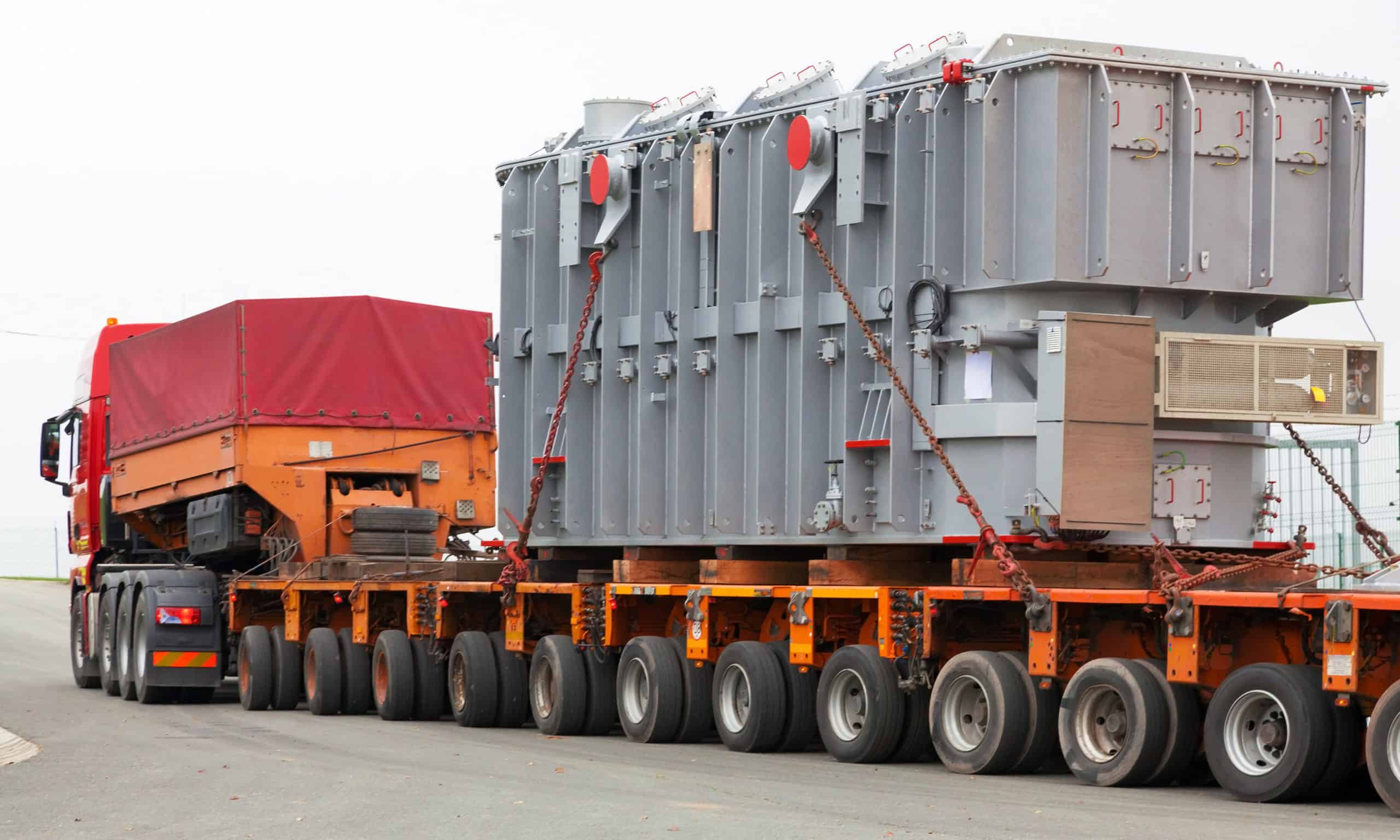
Energy / Infrastructure: transformers, equipment, and oversized components requiring overhead access.
Mining equipment: machinery, large parts, and heavy components.
Steel and metal products: beams, plates, coils, and fabricated metal pieces requiring top loading.
Sizes & dimensions – 20ft Open Top Container
Dimension
Metric
Imperial
Internal Length
5.895 m
19.34 ft
Internal Width
2.350 m
7.71 ft
Internal Height
2.340 m
7.68 ft
Door Opening Width
2.338 m
7.67 ft
Door Opening Height
2.280 m
7.48 ft
Capacity & weights – 20ft Open Top Container
Spec
Metric
Imperial
Cubic Capacity
33.08 m³
1,149 ft³
Tare Weight
2,250 kg
5,402 lbs
Payload Capacity
28,230 kg
66,248 lbs
Max Cargo Weight
30,480 kg
71,650 lbs
How many pallets fit in a 20ft Open Top Container?
Pallet capacity varies by loading pattern and pallet type. Use the estimates below as a quick reference:
US standard pallets: up to 10
Euro pallets: up to 11
Note: the actual number depends on the loading pattern, cargo height, and weight/overhang constraints.
Handling recommendations
Keep weight evenly distributed (avoid concentrating weight toward the doors or on one side).
“Heavy on bottom”: Place heavier cargo at the bottom and keep the center of gravity low.
Secure cargo with dunnage / straps / blocking and bracing to prevent shifting in transit.
Treat the door opening as the real constraint: some items may fit inside but still not pass through the door if they are too wide or tall.
If you plan to floor-load (no pallets), map your loading order and access lanes to avoid reworking cargo during unloading.
Reduce large voids using dunnage to minimize vibration and movement.
FAQs about 20 ft Open Top Containers
What is a 20 ft Open Top container used for?
A 20 ft Open Top container is used when cargo is difficult to load through standard doors and benefits from top loading. It’s commonly chosen for machinery, bulky crates, and awkward shapes where crane handling is preferred. The removable roof system supports overhead access during stuffing/stripping. Because published specifications are examples from a carrier fleet, confirm the exact unit when cargo clearances or lift planning are tight.
How many pallets fit in a 20 ft Open Top container?
A 20 ft Open Top typically fits up to 10 US standard pallets or up to 11 Euro pallets in a common single-layer arrangement, similar to other 20 ft footprints. Actual capacity varies with pallet orientation, packaging overhang, and securing needs. If you require additional blocking/bracing or need access lanes for unloading, usable floor positions may drop. Use these as quick estimates and validate with your loading plan.
Is a 20 ft Open Top container waterproof and sealed?
An Open Top is designed to protect cargo using a tarpaulin roof system, but it is not the same as a rigid steel roof. Weather protection depends on cover condition, correct securing, and how long cargo is exposed during top loading and unloading. For moisture-sensitive freight, minimize exposure time, inspect the cover and sealing points, and use appropriate packaging (wraps, liners, or covers) as needed for the route.
When should I choose Open Top vs Standard container?
Choose an Open Top when door loading is impractical—typically for bulky or awkward cargo that requires overhead lifting. A standard container is usually preferable for routine boxed/palletized shipments because it offers full roof protection and simpler handling. If you have crane access and need top loading for operational reasons, an Open Top can reduce handling risk compared to forcing cargo through the doorway or disassembling packaging to fit.
What cargo is not suitable for a 20 ft Open Top container?
A 20 ft Open Top is not suitable for cargo needing active temperature control (reefer equipment), bulk liquids (tank), or shipments that require strict weather protection without additional packaging controls. It may also be a poor fit where crane access is not available, since top loading is the main advantage. Suitability depends on the cargo’s sensitivity and the handling plan, so confirm protection and securing requirements before booking.
Don't Just Take Our Word for It
Learn from the experiences of those who matter most: our customers

This website uses cookies to improve your experience. We'll assume you're ok with this, but you can opt-out if you wish. Read our cookies policyACCEPT
Cookies Policy
Privacy Overview
This website uses cookies to improve your experience while you navigate through the website. Out of these cookies, the cookies that are categorized as necessary are stored on your browser as they are essential for the working of basic functionalities of the website. We also use third-party cookies that help us analyze and understand how you use this website. These cookies will be stored in your browser only with your consent. You also have the option to opt-out of these cookies. But opting out of some of these cookies may have an effect on your browsing experience.
Necessary cookies are absolutely essential for the website to function properly. This category only includes cookies that ensures basic functionalities and security features of the website. These cookies do not store any personal information.
Any cookies that may not be particularly necessary for the website to function and is used specifically to collect user personal data via analytics, ads, other embedded contents are termed as non-necessary cookies. It is mandatory to procure user consent prior to running these cookies on your website.