

 Request a Quote
Start shipping now
Request a Quote 
Start shipping now
Request a Quote
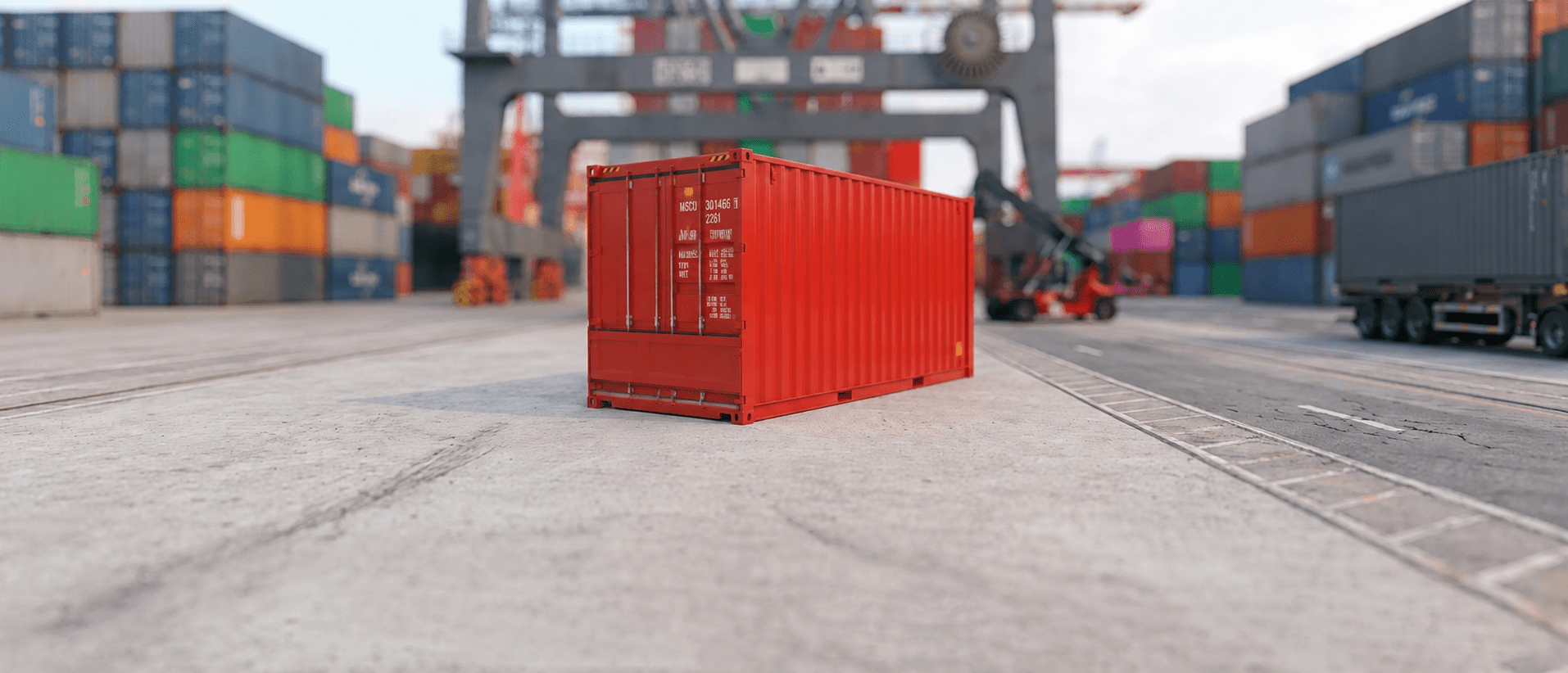

The 20 ft Bulk container is designed for dry bulk commodities that are loaded from the top and typically discharged through rear discharge hatches/doors, reducing the need for pallets and improving handling efficiency for bulk shipments. It is commonly used for free-flowing or semi-free-flowing dry materials and is equipped to support controlled loading/unloading operations. Specifications can vary by fleet, so confirm exact unit details when planning cargo flow, discharge method, and weight distribution.
| Best for | Not ideal for |
| Dry bulk materials (granular or free-flowing) suited to top loading and controlled discharge | Cargo requiring temperature control (use reefer equipment) |
| Commodities where palletization adds cost/space and bulk handling is preferred | Liquids or non-dry bulk (use tank containers) |
| Supply chains that can manage dust control and proper lining/containment when needed | Cargo sensitive to contamination without proper liners/cleaning controls |
| Very fragile packaged goods that need palletization and standard door handling |
| Dimension | Metric | Imperial |
| Internal Length | 5.89 m | 19.35 ft |
| Internal Width | 2.35 m | 7.71 ft |
| Internal Height | 2.37 m | 7.76 ft |
| Door Opening Width | 2.34 m | 7.69 ft |
| Door Opening Height | 2.28 m | 7.48 ft |
| Spec | Metric | Imperial |
| Cubic Capacity | 32.80 m³ | 1,158.32 ft³ |
| Tare Weight | 2,190 kg | 4,828.12 lbs |
| Payload Capacity | 28,290 kg | 62,368.77 lbs |
| Max Gross Weight | 30,480 kg | 67,196.90 lbs |
Pallet capacity varies by loading pattern and pallet type. Please note that the estimates below should be only used as a quick reference, since bulk containers are not intented to be used with palletized cargo:
Note: bulk containers are primarily intended for loose dry bulk cargo, so pallet counts are not a standard planning metric and will vary depending on how the cargo is packed/contained.
Learn from the experiences of those who matter most: our customers








 LAC Blog
 Export Guides
 Transport Guides
 Logistics Glossary
 Container Types & Sizes
 Incoterms 2020 Rules