

 Get a Quote
Start shipping now
Get a Quote 
Start shipping now
Get a Quote

Haiti’s proximity to North America and its steady demand for imported fuel, food staples, and consumer goods make it a practical market for U.S. and Canadian exporters—especially when speed-to-market matters.
At the same time, shipping cargo to Haiti can be documentation-heavy, and port/road conditions can shift quickly. The right freight plan (and a forwarder that knows the Caribbean) is what keeps cargo moving.
Remember, at LAC we also offer a full range of specialized freight services to Dominican Republic that your company needs to expand its business:
Haiti is a lower-middle-income Caribbean economy with 2024 GDP of about $25.22B and population ~11.77M (World Bank series). A major feature of the market is its import dependence—refined petroleum and rice consistently rank among top imports, alongside items like palm oil and sugar.
Trade-wise, Haiti is tightly connected to regional and North American supply chains, with strong commercial ties to the United States and the Dominican Republic. For exporters, that translates into recurring demand for:
Haiti’s official languages are Haitian Creole and French—English is used in some business settings, but your paperwork should be clear, consistent, and easy to translate.
In practice, decisions often move faster when you:
Haiti can be a “plan for variability” market. Security conditions and local bottlenecks can affect normal cargo flow, so smart shippers build in buffer time and keep routing options open.
This is where an experienced freight forwarder for shipping to Haiti matters—someone who can coordinate carriers, anticipate documentation checks, and adjust when conditions change.
Most avoidable delays come down to:
Haiti’s customs process can include document review and physical inspections depending on the commodity—accuracy up front reduces holds and rework.

Best for consistent volume, higher-value cargo, or when you want tighter control of handling.
→ Know more about our FCL services
LCL services are ideal for smaller shipments that don’t fill a container.
→ Know more about our LCL services
RORO transportation (roll-on/roll-off) is the common choice for rolling equipment (when available for the lane) and vehicles that meet import requirements.
→ Know more about our RORO services
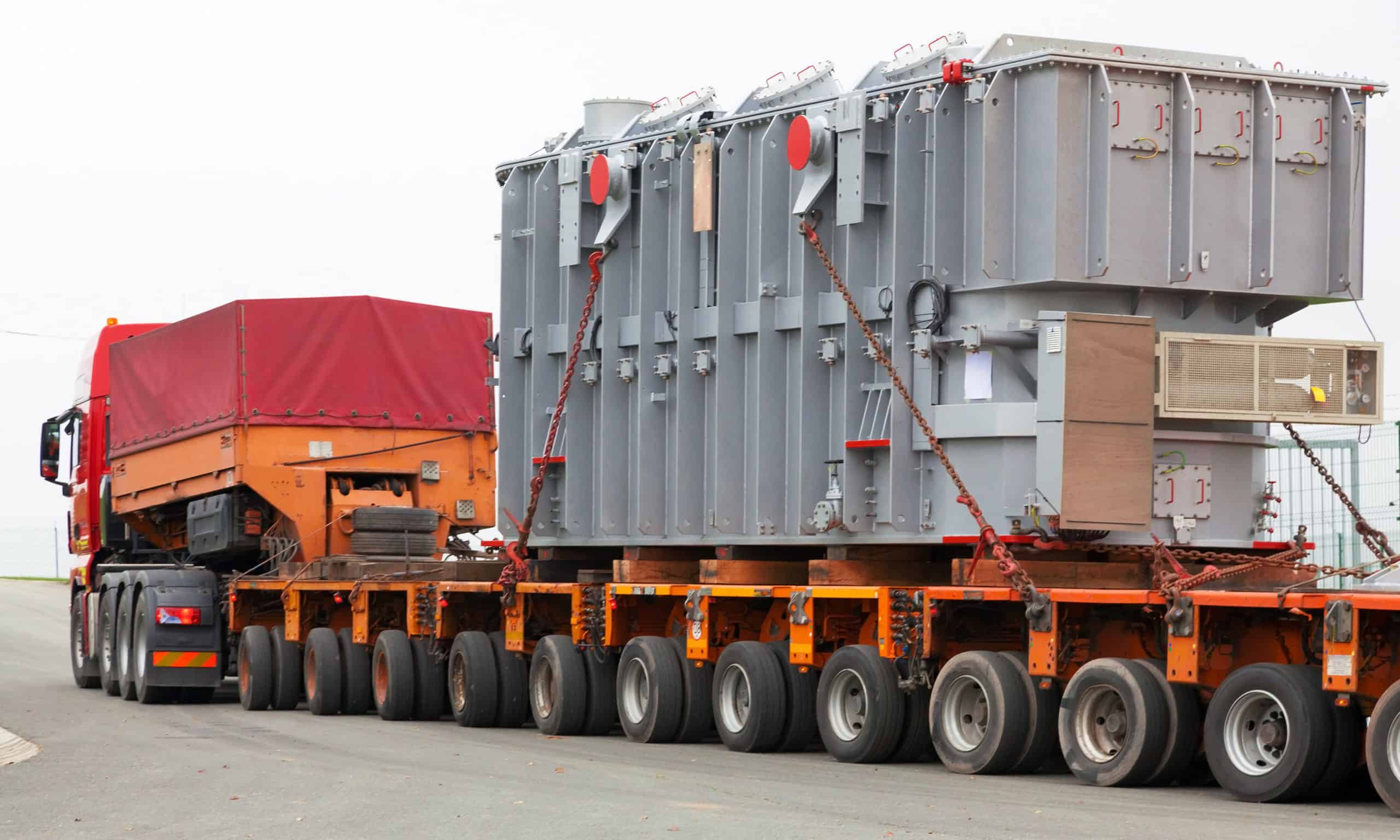
For oversized, non-containerized, or heavy-lift freight.
→ Know more about our Breakbulk services
When you need speed or predictable delivery windows, air freight to Haiti is the go-to for urgent parts and high-value goods.
→ Know more about our Air Cargo services
Our team of logistics experts is ready to optimize your supply chain and deliver seamless shipping solutions.

Costs and transit time depend on origin, cargo specs, routing, and local handling. The table below is a planning reference based on typical recent market ranges from major North American hubs into Haiti’s main gateway region.
| Shipping Mode | Destination | Transit Time | Cost Estimate (USD) |
| 20′ Container | Port-au-Prince area (Port Lafito / Port-au-Prince) | 5–12 days | $2,800–$5,200 |
| 40′ Container | Port-au-Prince area (Port Lafito / Port-au-Prince) | 5–12 days | $3,900–$7,200 |
| LCL | Port-au-Prince area CFS | 7–14 days | $160–$260 per CBM (min 1 CBM) |
| Air Freight (Standard) | Port-au-Prince (PAP) | 1–4 days | $5.50–$9.00 per kg |
| Air Freight (Express) | Port-au-Prince (PAP) | 1–2 days | $8.50–$14.00 per kg |
Need a precise shipping quote to Haiti? Request a freight quote from our logistics team.
Your final shipping costs to Haiti are typically driven by:
Haiti’s freight network is concentrated around Port-au-Prince, with additional gateways in the north and south.
| Seaport | Region | Main Role & Typical Use |
| Port Lafito | Port-au-Prince region | Private terminal serving containerized and general cargo; widely used for U.S.–Haiti ocean service. |
| Port-au-Prince (HTPAP) | West(capital region) | National gateway port for general cargo and containers; customs and distribution center for the metro area. |
| Cap-Haïtien (HTCAP) | North | Key northern seaport supporting regional import distribution and project cargo. |
| Miragoâne (HTMIR) | Nippes | Smaller port used for regional supply and select commercial movements. |
| Les Cayes (HTACA) | South | Southern seaport supporting regional trade and agricultural exports/imports. |
| Airport | IATA Code | City/Region | Role & Typical Use |
| Toussaint Louverture Int’l | PAP | Port-au-Prince | Primary international air gateway; urgent cargo, medical supplies, high-value goods. |
| Cap-Haïtien Int’l | CAP | Cap-Haïtien (North) | Secondary international airport; useful for northern deliveries and select flights. |
| Antoine-Simon Int’l | CYA | Les Cayes (South) | Regional airport with commercial capability; best for limited/seasonal needs. |
Customs clearance in Haiti is heavily document-driven. Getting paperwork right before departure is the fastest way to reduce holds and unexpected local costs.
At a minimum, plan for:
Certain commodities require licenses/permits and additional scrutiny. Examples called out in official guidance include:
A typical flow looks like:
In Haiti, duties and taxes are calculated on CIF value, and payments are collected through the National Credit Bank (BNC) per published guidance.
Correct HS codes and valuation are critical because they directly impact duties/taxes and inspection risk. Haiti’s published import charges may include items such as:
LAC – Latin American Cargo helps importers and exporters navigate Haiti shipping with a practical, carrier-connected approach—built on 25+ years of North America–Caribbean and LATAM logistics experience.
How long does shipping to haiti take?
Ocean freight to Haiti (sea freight to Haiti) commonly lands in the Port-au-Prince region within 1–2 weeks depending on origin and sailing schedule. Air freight to Haiti can arrive in 1–4 days depending on service level and flight availability.
How are shipping costs to Haiti calculated?
Pricing depends on mode (FCL/LCL/air), chargeable weight or volume, origin, seasonality, and local handling/clearance needs. For air, costs are usually based on chargeable weight (actual vs volumetric).
What documents do I need for customs clearance in Haiti?
Expect a commercial invoice, packing list, B/L or AWB, customs declaration (handled locally), and any product-specific permits/certificates. Some shipments also require certificates like phytosanitary/zoosanitary, fumigation, or lab documentation.
Can I ship vehicles or heavy equipment to Haiti?
Yes—often via RORO (when available) or container/breakbulk. You’ll typically need clear ownership documentation and accurate serial/VIN details. For heavy machinery, proper blocking/bracing and insurance are strongly recommended.
Do I need a customs broker when shipping to Haiti?
In most commercial cases, yes. A licensed broker helps file entries, manage agency requirements, and handle tax/duty payments—especially for regulated goods.What is the safest way to ship machinery to Haiti?
For smaller machinery, crating + containerized FCL reduces handling risk. For oversized units, project cargo planning (lift points, securement, and route surveys) is key, along with cargo insurance.dsfsdfsdf
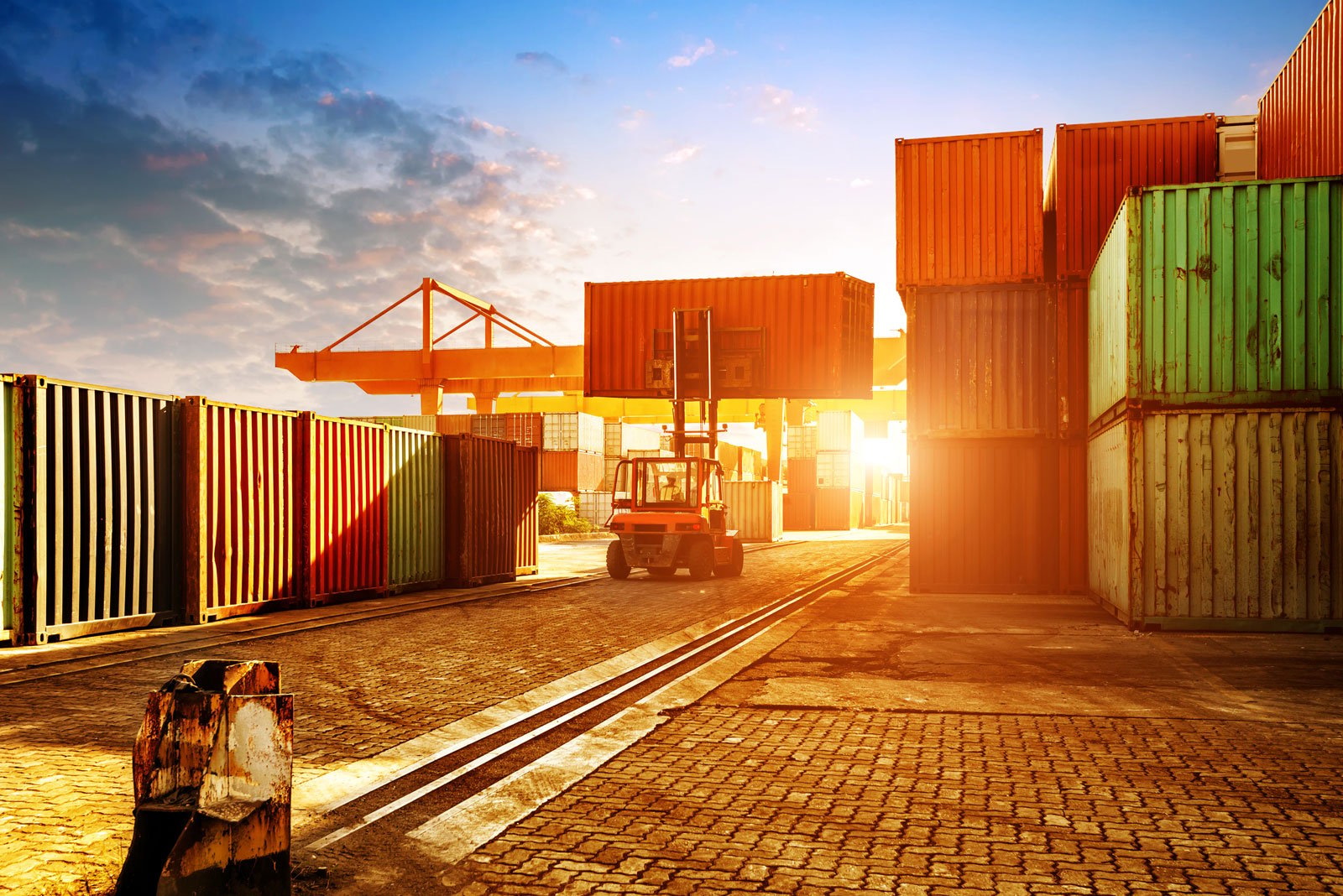
LAC combines regional expertise, strong carrier networks, and hands-on support to make freight shipping to Haiti simpler and more predictable. Whether you need ocean, air, or a mix of both, we’ll help you find the right option.
Learn from the experiences of those who matter most: our customers









 LAC Blog
 Export Guides
 Transport Guides
 Logistics Glossary
 Container Types & Sizes
 Incoterms 2020 Rules