

 Get a Quote
Start shipping now
Get a Quote 
Start shipping now
Get a Quote
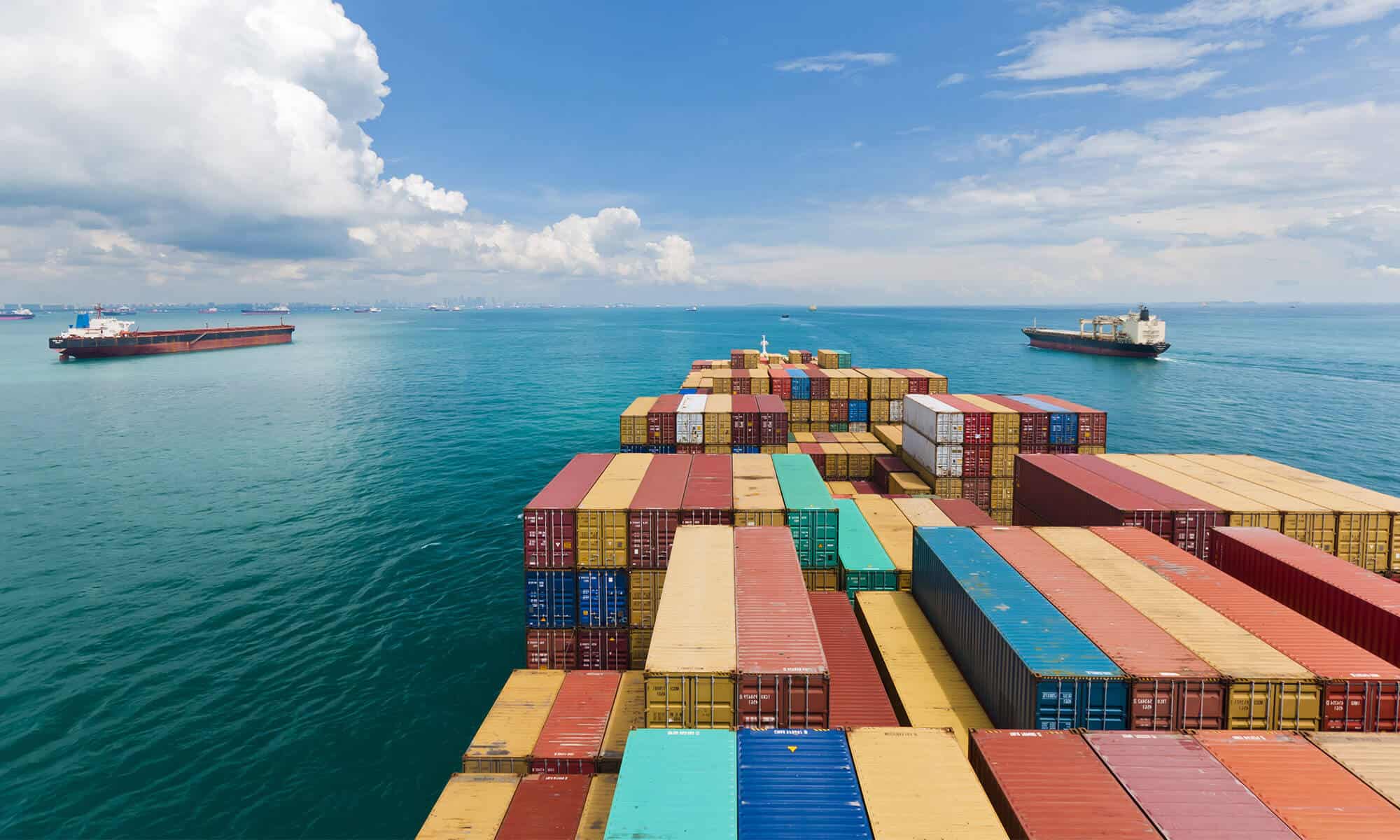
Container shipping to the Dominican Republic is one of the most reliable ways to move commercial cargo from the U.S. or Canada—whether you need a full container (FCL) or smaller LCL freight. The right mix of port selection (Caucedo vs. Río Haina), container size (20ft, 40ft, 40HC), and customs-ready documentation can significantly reduce delays and avoid unexpected fees.
Latin American Cargo (LAC) supports shippers with 25+ years of North America–Caribbean logistics experience, competitive carrier options, and hands-on coordination from pickup to delivery. → Request a tailored quote for your shipment
Remember, at LAC we also offer a full range of specialized freight services to Dominican Republic that your company needs to expand its business:
Container shipping rates to the Dominican Republic vary based on equipment availability, origin (U.S. vs Canada), seasonality, the destination port, and whether you ship FCL or LCL. The estimates below reflect typical ocean freight-only ranges and can change quickly with fuel, carrier space, and port fees.
| Container Type | Capacity | Estimated Cost (USD) |
| 20′ Container | ~33 m³ | $1,500–$2,850 |
| 40′ Container | ~67 m³ | $2,500–$4,550 |
| 40′ High Cube | ~76 m³ | $2,700–$4,850 |
Need an exact container shipping quote to the Dominican Republic? Request a freight quote from our logistics team.
Most pricing is built from a base ocean freight rate plus origin/destination charges and any special handling your cargo requires. Here are the biggest pricing levers to plan for.
Short Caribbean lanes (for example, Florida to Santo Domingo-area ports) tend to be faster and often more economical than routings that require transshipment. Canadian cargo frequently moves via an Atlantic port or through a U.S. gateway, which can add time and handling.
Equipment drives cost. Standard dry containers are usually the most available, while 40′ High Cube offers more cubic capacity for light/voluminous cargo. For temperature-sensitive products, reefer containers add energy and monitoring costs. (Typical dry-container volumes: 20′ ~33 m³, 40′ ~67 m³, 40′ HC ~76 m³.)
Hazardous cargo can trigger special documentation, segregation, and surcharges. Perishables typically need reefer equipment, pre-cooling planning, and tighter cutoffs—especially during hot-weather months.
Common add-ons include:
A specialized freight forwarder to the Dominican Republic helps you model the true landed cost by aligning routing, port choice, and clearance steps before cargo moves.
Your destination port affects transit time, local trucking, and congestion risk—so it’s worth choosing based on where your consignee is located and how quickly you need cargo available.
| Port | Region | Role | Main Trade Routes |
| Caucedo (DP World) | Santo Domingo Province (Boca Chica area) | Major container hub with strong connectivity and logistics ecosystem | U.S. East Coast/Florida, Caribbean feeders, Europe connections |
| Puerto Río Haina | Santo Domingo Oeste (Haina River mouth) | Multipurpose gateway handling containers and mixed cargo; convenient for metro Santo Domingo | Strong U.S. (especially Florida) and regional Caribbean services (Autoridad Portuaria Dominicana.) |
| Puerto Plata | North Coast | Regional port for containerized and general cargo serving the northern region | U.S. (Florida) and Caribbean lanes, regional distribution |
The Dominican Republic’s manufacturing, retail, and free-zone activity (zonas francas) drives steady demand for containerized imports from North America. U.S. exports to the Dominican Republic totaled about $13.08B (2024) and Canada exported about $196.69M (2024) (UN Comtrade-based reporting), supporting consistent ocean freight flows.
Main North American exports to Dominican Republic:
Transit times vary by carrier schedule, port rotation, and whether the lane is direct or involves a hub transfer. Below are practical port-to-port averages used for planning.
| Origin Region | Destination Port | Average Transit Time |
| Florida, USA (Port Everglades) | Río Haina | ~3 days |
| Florida, USA (Miami) | Río Haina | ~3–4 days |
| Florida, USA (Miami) | Puerto Plata | ~4 days |
| Canada Atlantic (Halifax) | Caucedo | ~12 days |
| Canada (Montreal gateway routings) | Caucedo / Río Haina area | ~25–50 days (route-dependent) |
Transit times represent port-to-port ocean transit and may vary depending on carrier schedules and transshipment requirements.
FCL shipping to Dominican Republic is usually the best fit when you have:
If you need to ship a 40ft container to the Dominican Republic from Canada, FCL is often the most predictable option—especially for steady B2B replenishment or project cargo that benefits from sealed, dedicated equipment.
Trade note: publicly available trade datasets don’t typically split ocean exports into FCL vs. LCL shares, but given the scale of U.S.–Dominican trade (over $13B in 2024), commercial shippers commonly rely on FCL for repeatable, palletized supply chains.
Ship Your Full Container to Dominican Republic – Request a Quote
LCL shipping from the USA to the Dominican Republic is ideal when you’re shipping smaller volumes and want to pay only for the space you use. LCL is a strong choice for:
Because LCL involves consolidation at a CFS (and deconsolidation on arrival), it can add handling steps and a bit of lead time—but it’s a practical way to keep inventory moving without waiting to build a full load.
Ship your LCL cargo to Dominican Republic – Request a Quote
LAC is built for North America–Latin America trade, with Dominican Republic expertise that helps you ship with fewer surprises—especially around routing, documentation, and destination handling.
How long does it take to ship a container to the Dominican Republic?
The most common options are 20′, 40′, and 40′ High Cube. Typical capacities are ~33 m³, ~67 m³, and ~76 m³ respectively.
Most shipments require a commercial invoice, packing list, and bill of lading. Depending on the cargo and route, you may also need certificates/permits (e.g., food, pharma, regulated goods) and a certificate of origin if claiming preference (such as under DR-CAFTA for eligible U.S. goods).
For smaller volumes, LCL is often cheaper because you pay by volume/weight. Once you approach roughly 12–15 m³ (or many pallets), FCL frequently becomes more cost-effective on a per-unit basis due to fewer handling charges.Do I need a customs broker when shipping containers to the Dominican Republic?
For most commercial imports, a broker (or a forwarder coordinating brokerage) is strongly recommended to avoid classification errors, delays, and unexpected duties/fees—especially for regulated products or time-sensitive deliveries.
Learn from the experiences of those who matter most: our customers







 LAC Blog
 Export Guides
 Transport Guides
 Logistics Glossary
 Container Types & Sizes
 Incoterms 2020 Rules